


























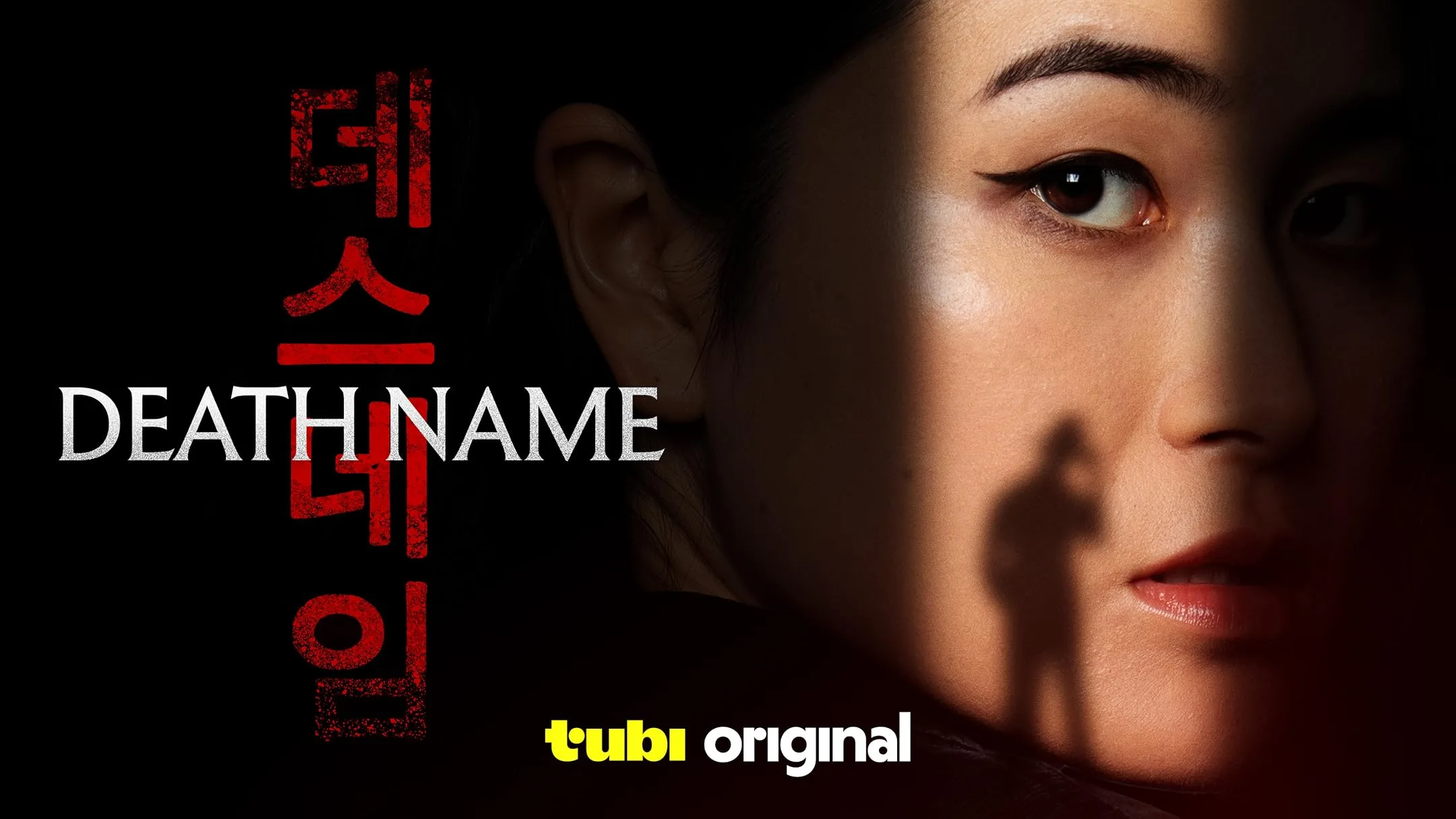

Death Name follows Sophie Park, a student who has changed schools and encounters peers who openly embrace their heritage. Sophie feels excluded. Her parents and grandmother never taught her Korean and kept the family’s history at a distance. Sophie learns that her family avoided those roots for a specific reason.
Her attempts to reclaim the past awaken a dormant spirit that targets the women in her bloodline. Director Réi and writer Regina Kim place a supernatural frame around a story about identity.
The plot travels from the campus to the Park family home as Sophie seeks the truth about her ancestors and tries to understand her grandmother’s fear before the spirit reaches her. The 81 minute film pairs family drama with familiar horror tropes while centering the tension of second generation immigrant life.
Shadows of Ancestry
Sophie Park experiences cultural displacement. She lacks a Korean name and her peers label her whitewashed. This inner conflict echoes themes often explored in Indian parallel cinema, where ties to traditional roots and pressures from modern life create sustained friction.
At home Sophie meets a wall of silence and a grandmother who reacts with visceral anger to questions about lineage. The film inserts black and white footage of the Korean War to give historical weight. That choice roots the supernatural in a documented cruelty and implies the family’s move to America was driven by trauma.
The presence of Chokbos, the genealogy books, underscores the pressure of bloodlines. Assimilation operates as a temporary shield for the Park family, and that shield proves inadequate as the past returns. Horror in the film arises from an understanding that ignoring history does not remove its consequences.
Performance and Identity
Amy Keum offers a performance grounded in believable distress. She carries Sophie’s emotional range through the horror sequences with clarity. Her fear reads as earned. The tension between Sophie and her roommate Ari Han sharpens questions of cultural authenticity; Ari treats Sophie’s renewed interest in her roots as a passing trend and their argument highlights friction inside the diaspora.
That exchange recalls the social realism of Satyajit Ray, where personal identity often collides with social expectation. Kevin Woo gives Jun a polished energy that brings a stage-polished glamour and a quietly suspicious edge. He fits the role of a charming romantic interest while keeping a reserve of mystery.
The Korean student group displays natural chemistry. A few supporting figures lack depth, yet central performances keep the drama focused. These interactions map how a community can both sustain and estrange someone searching for belonging.
The Grammar of Fear
Director Réi sculpts dread through lighting and composed frame choices. Deep shadows conceal the antagonist and sustain tension. A private karaoke room sequence stands out for its technical craft: brisk editing creates disorientation as Sophie sees Jun’s image repeated across multiple screens, a repetition that intensifies psychological terror.
A persistent water leak in Sophie’s bedroom acts as a recurring symbol; the drip escalates as family secrets surface and it marks the slow erosion of an American life built on omission. Cinematography emphasizes the isolation of the Park home.
The man in the wide-brimmed hat is a visually arresting figure whose design draws on traditional folklore and whose predatory stillness reads as a physical form of historical trauma. The film uses shadow and spatial composition to turn ordinary interiors into sites of ancestral haunting.
Structure and Heritage
Regina Kim’s script concentrates on the immigrant experience and pairs cultural observation with horror devices. Certain plot beats feel predictable and the true nature of Jun and the specifics of the family curse are revealed early, leaving the audience often ahead of Sophie and reducing suspense.

The investigation phase slows the film’s momentum as Sophie gathers material about the Gwishin. The final act closes on an abrupt note: the technique used to defeat the spirit proves unexpectedly simple and that decision lowers the climax’s dramatic weight. A more elaborate confrontation might have reinforced the payoff.
The film’s core strength lies in its excavation of the Park family past. It aligns with a recent global tendency to use genre forms to process communal grief. The narrative follows a familiar arc, yet the particular details of Korean history and ritual keep the film engaged with its subject and emphasize the cost of forgetting a name.
Premiering on New Year’s Day in 2026, Death Name is a supernatural thriller available exclusively for streaming on Tubi. The film serves as a poignant exploration of the immigrant experience, centering on a second-generation Korean American woman who attempts to bridge the gap between her modern life and her family’s silent past. Set against the backdrop of a college campus and a tense family home, the narrative blends traditional horror elements with deep-seated historical trauma. It is an accessible entry into the growing genre of folklore-driven horror, offering international audiences a window into the specific cultural anxieties of identity and the heavy price of total assimilation.
Full Credits
Title: Death Name
Distributor: Tubi
Release date: January 1, 2026
Rating: TV-MA
Running time: 81 minutes
Director: Réi Talas
Writers: Regina Kim
Producers and Executive Producers: Adam Lewinson, Regina Kim, Réi Talas, Jennifer Reitman
Cast: Amy Keum, Kevin Woo, Vana Kim, Eliza Shin, Alice Bang, Andy Han, Joseph Lim Kim, Desirée Mee Jung
Director of Photography (Cinematographer): Greg Hudgins
Editors: Imran Shaikh
Composer: Matt Bobb
The Review
Death Name
Death Name succeeds as a cultural study of the Korean diaspora while following a familiar horror path. The film uses ancestral trauma to ground its supernatural scares. Amy Keum provides a strong emotional anchor. The predictable plot and simple resolution slightly weaken the impact. It remains a stylish debut that respects its heritage. This is a solid choice for those seeking a story about the weight of forgotten history.
PROS
- Authentic use of Korean history and folklore.
- Strong lead performance by Amy Keum.
- Striking visual composition and lighting.
- Effective symbolism through the recurring water leak.
CONS
- Highly predictable plot twists.
- Simple and rushed final resolution.
- Pacing issues during the middle of the film.
- Underdeveloped supporting characters.