



























The eighth season of the ABC police drama returns after a long break, and it plays like a statement of intent for John Nolan and the Mid-Wilshire team. Launching later than other series in the 2025-2026 broadcast cycle, it looks beyond the familiar rhythms of Los Angeles and aims for a bigger canvas. The season keeps the show’s trademark speed and spectacle, then tries to braid that momentum with the private lives of its ensemble.
Nolan’s arc continues its shift from rookie learning curves to veteran responsibility, and the storytelling scale widens with federal partnerships and threats that reach past city limits. The premiere frames this as a season built around expansion, with the confidence of a series that wants to use its longevity for bolder moves.
Continental Shifts and Tactical Evolution
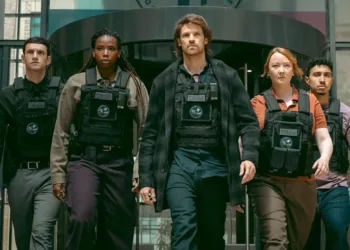
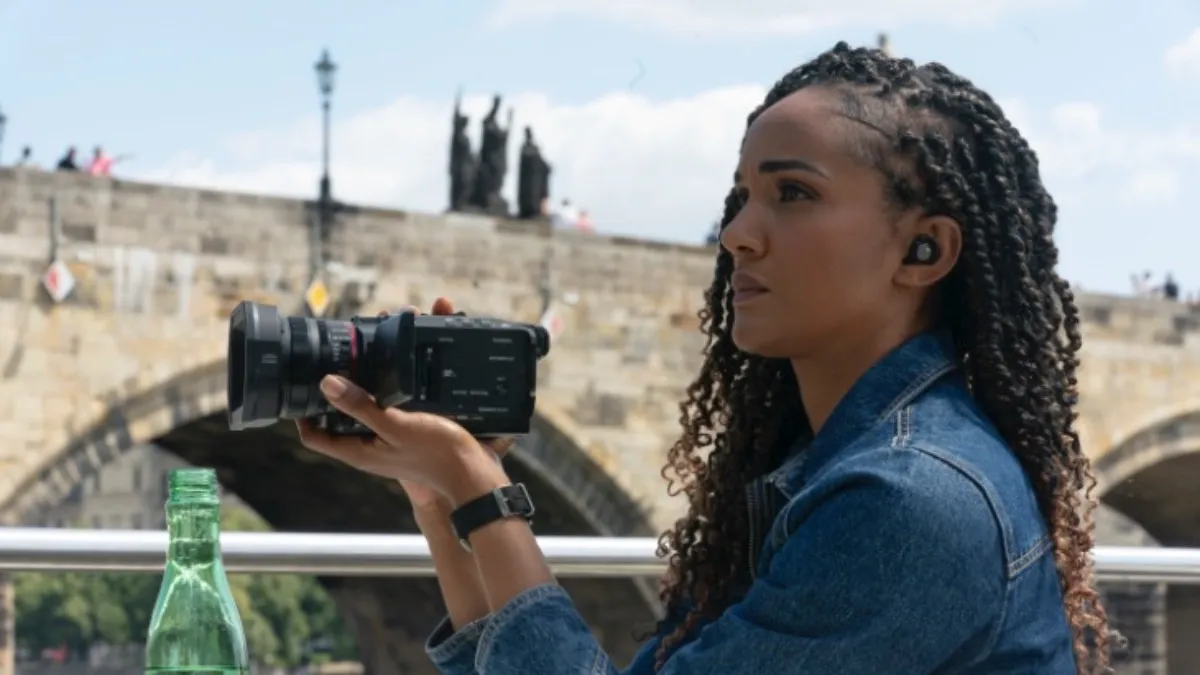
The premiere, “Czech Mate,” signals a real turn in how the series wants to present itself. Moving the main action to Prague breaks the visual sameness of Southern California and gives the episode a different kind of texture. The European setting carries history in its streets and architecture, and that weight changes the mood in ways Los Angeles never quite can. Nolan, Bailey Nune, and Nyla Harper step into a place where their usual jurisdiction means little, and the episode uses that loss of institutional leverage to create tension. They look exposed. They have to improvise, lean on judgment, and call in a few federal favors.
That choice also announces a production willing to spend capital, both literal and creative. Filming in Europe suggests the show trusts its audience to follow it across borders, and the story benefits from the added space and atmosphere. The camera finds narrow alleys and looming gothic structures and uses them as pressure points for a sting operation that needs every corner to feel uncertain. Monica Stevens, positioned as the person of interest, sharpens that uncertainty. The episode treats her as a mobile threat, a reminder that danger can travel as easily as the characters do. The result is a procedural that feels energized, with familiar mechanics presented in a setting that keeps them from going stale.
The action work matches the new scale. The episode stacks frequent, tightly staged sequences and shoots them with a restless energy that keeps the physical cost visible on the characters. Shootouts break out in old plazas. Foot chases cut through crowded markets. The rhythm is insistent, and it reads like a clear attempt to play in the same sandbox as flashier, premium competitors. Bringing in FBI Agent Matt Garza helps the expansion feel earned inside the story. He connects the Mid-Wilshire crew to the federal world in a way that feels like an extension of what came before, and his presence turns the international plot from a novelty into a logical next step.
Spreading the cast across continents also creates structural risk. Editing and pacing have to do delicate work when the Prague story takes the spotlight and Los Angeles still needs to carry dramatic weight. A split like this can fracture an episode fast. The premiere avoids that trap by giving the California material real stakes, then cutting between the threads with clean cause-and-effect. The international operation becomes a trigger for the team’s growth, and the domestic scenes keep the series’ pulse steady. The episode treats the new setting as more than scenery. It becomes a stress test that reveals what this unit can do once the streets and rules change.
Domestic Resolutions and the Mechanics of Connection
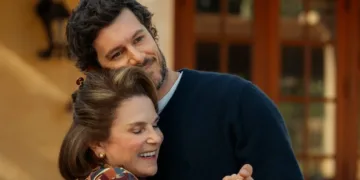
Back in the personal lanes, the season finally addresses the tension between Lucy Chen and Tim Bradford with a choice that commits to forward motion. Having them move in together sidesteps the usual will-they-won’t-they wheel-spinning and shifts the story toward the practical realities of partnership inside a high-pressure job. The writing gives Tim emotional movement that feels tied to time spent with this character. He admits fear. He communicates directly. Those beats land because the show frames them as part of a long arc, not a sudden personality swap.
That stability also changes how they function at work. Their home life carries a calmer tone, and that calm filters into how they move through professional stress. The season steps away from the manufactured romantic turbulence that used to do heavy lifting, and the payoff is room for smaller, sharper moments. Scenes of shared routines and ordinary domestic negotiation ground them, and that grounding becomes a useful counterweight to the violence and chaos they face on duty. Tim’s shift as a partner tracks with his shift as a leader. The rigid training officer persona loosens, and a more human version of him starts to take up space.
The show also widens its social web through Miles Penn and Celina Juarez, using their living arrangement at the eccentric Shangri-La complex to inject levity without breaking the series’ tone. The decision is framed through the simple reality of a high cost of living, and that detail helps the comedy sit in a recognizable world. Smitty pushes the change along with his familiar cynical humor, acting as the nudge that turns logistics into story. Miles and Celina’s rapport plays light and youthful, offering a window into the newer officers’ day-to-day lives. Those beats matter. They keep the characters from turning into action figures who exist only for the next shootout.
The ensemble supports these arcs with the kind of precinct camaraderie the series has always used as connective tissue. Angela Lopez and Celina Juarez often act as peer commentators, voicing the reactions many viewers are already having. The “gossip sessions” during briefings and stakeouts stand out as season highlights, written with a dry wit that makes the precinct feel lived-in. They also function as efficient narrative engines, moving romantic storylines forward through character interaction instead of forced plot contrivance. The humor in these scenes remains one of the show’s core balancing tools, keeping the personal side lively even as the job gets darker and louder.
The Antagonist Cycle and Logic Fractures
Monica Stevens’ continued run as a central antagonist remains a sticking point. Her position as a reluctant asset for the LAPD gives her storyline a mean streak of comedy, especially in the irony of watching someone who once held court in high-end legal spaces scrape through a far humbler reality.

That fall reframes the criminal world through her eyes, and it can be entertaining in short bursts. The problem is repetition. The season leans on her reappearances so often that the villain engine starts to feel like it’s idling in place. Her “uniquely hateable” presence is clearly something the writers enjoy deploying, yet the back-and-forth between ally and enemy has limits. After enough pivots, the tension frays through familiarity.
Ezra Kaine helps on that front by bringing in a different kind of threat. He registers as visceral and disturbing, and his episodes carry a real sense of dread. His arc shows the series still knows how to build antagonists who feel dangerous in a way that does not depend on history or personal ties alone. Oscar Hutchinson’s return, by comparison, plays as comfort food that risks overstaying its welcome. He has fan-favorite energy, yet the show’s habit of pulling the same faces back into the officers’ lives keeps stretching plausibility. Los Angeles crime is vast. The series sometimes treats it like a small town where the same handful of people cause every major crisis.
The most persistent logic snag remains Bailey Nune’s placement in specialized operations. Her participation in tactical scenarios has long been a friction point for viewers who want the show to maintain some degree of procedural believability. Asking a firefighter and EMT to join an international undercover sting is hard to square with real-world protocols. The performance stays strong, yet the scripts often give thin justification for why she keeps appearing in the most sensitive, high-risk situations. The story choice reads as a practical decision to keep the core cast together, and it can jolt the viewer out of the moment when the plot asks for too much buy-in.
That same strain shows up in the sheer volume of extreme action the season keeps serving. The series is built as an action-forward procedural, and it embraces that identity with enthusiasm. Still, constant shootouts and massive tactical engagements turn the daily patrol world into something closer to an urban war zone. That makes for slick, breathless television. It also crowds out quieter forms of police work and pulls the show farther from the grounded tone it started with. The season’s priority is excitement, and it delivers plenty of it, even as the door stays open for questions about authenticity.
Leadership Trajectories and Internal Shifts
The creation of a multi-agency task force marks a meaningful step in the precinct’s evolution. It formalizes collaboration between the LAPD and federal partners, expanding what the team can investigate and setting up a structure for cases that require more reach and coordination.
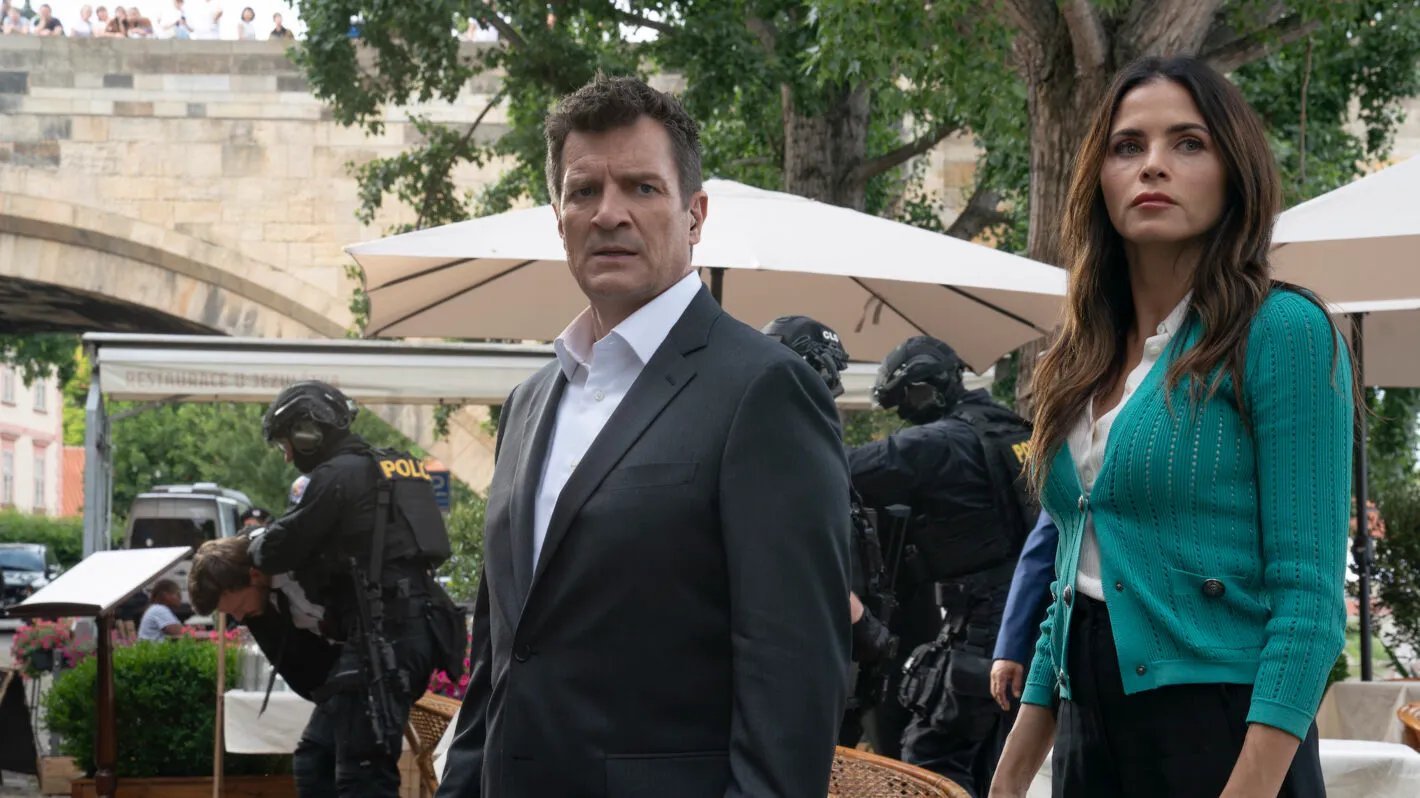
Wade Grey and Matt Garza working together in an ongoing capacity stands out as a key win. Their leadership chemistry comes through quickly, and the contrast in their management styles creates fresh tension and texture inside the workplace scenes. The task force framework also gives the season a clean narrative excuse for its larger cases, keeping escalation tied to a believable institutional shift.
Inside that structure, Tim Bradford’s career takes a clear turn upward. His promotion changes how he relates to the people around him, and the season uses that shift to explore the weight and compromise that come with authority. It tracks as a logical progression for a character the show has been shaping for years.
Tim’s arc moves from hard-edged training officer energy toward supervision that carries more nuance, and the season treats that change as earned growth rather than a sudden rewrite. His mentoring of younger officers like Miles Penn becomes one of the places where that evolution shows itself most cleanly.
Miles, for his part, fits into the ensemble with surprising smoothness. His scenes with veterans like John Nolan land because the casting finds an easy chemistry that does not disrupt the series’ established rhythm. He brings a fresh charge to the group and gives the show a newer vantage point on LAPD life, letting familiar beats play with slightly different emphasis. The writers also trust him with heavier material, giving him arcs that show range and keep him from feeling like a temporary add-on.
The most emotionally pointed internal story is the tension between Wade Grey and his wife, Luna. Grey’s refusal to retire, with pressure piling up from the job, creates real strain in their marriage. His choice to join the task force without consulting her frames law enforcement as an all-consuming identity, and the show treats that obsession as both understandable and damaging.
The conflict rings true because it plays as a domestic negotiation shaped by years of accumulated stress. Grey reads as a man frightened by the idea of life without the badge, and that fear gives the season a heavier emotional register. It’s a reminder that the toughest fights often happen at home, far from sirens, briefings, and gunfire.
The eighth season of the ABC police drama premiered on January 6, 2026. This chapter expands the scope of the series by moving the action to international locations like Prague. Fans can watch the show on Tuesday nights on the ABC network or catch up on streaming services such as Hulu and Disney+ the next day. The story focuses on the professional challenges and personal milestones of the officers at the Mid-Wilshire precinct.
Full Credits
Title: The Rookie Season 8
Distributor: ABC, Hulu, Disney+
Release date: January 6, 2026
Rating: TV-14
Running time: 43 minutes
Director: Alexi Hawley, Bill Roe, Bill Johnson, Tori Garrett, Michael Goi
Writers: Alexi Hawley, Brynn Malone, Natalie Callaghan, Fredrick Kotto, Moira Kirland, Amanda Mercedes, Nick Hurwitz, Madeleine Coghlan
Producers and Executive Producers: Alexi Hawley, Mark Gordon, Nathan Fillion, Michelle Chapman, Jon Steinberg, Bill Norcross, Bill Roe, Brynn Malone, Moira Kirland
Cast: Nathan Fillion, Richard T. Jones, Melissa O’Neil, Eric Winter, Alyssa Diaz, Shawn Ashmore, Mekia Cox, Jenna Dewan, Lisseth Chavez, Deric Augustine
Director of Photography (Cinematographer): Doug Emmett
Editors: C. Chi-Yoon Chung, Emily E. Greene
Composer: Jordan Gagne
The Review
The Rookie Season 8
This season successfully transitions the series into a larger narrative arena, trading local grit for global ambition. While the logic behind certain character placements remains questionable, the emotional payoffs for long-standing relationships provide a satisfying anchor. The show balances high-octane action with genuine domestic growth, proving that these characters still have room to evolve. The international premiere revitalizes the procedural format, even if the reliance on familiar villains starts to feel like a safety net. It remains an entertaining, if occasionally far-fetched, pillar of network television.
PROS
- Ambitious international production values.
- Significant emotional progression for the Chenford relationship.
- Strong integration of the federal task force storyline.
- Excellent character chemistry within the expanded ensemble.
CONS
- Occasional lapses in procedural logic regarding non-police characters.
- Over-reliance on recurring villains like Monica Stevens.
- High-frequency action sequences sometimes sacrifice realism.