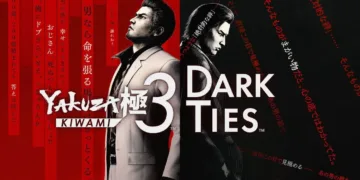


























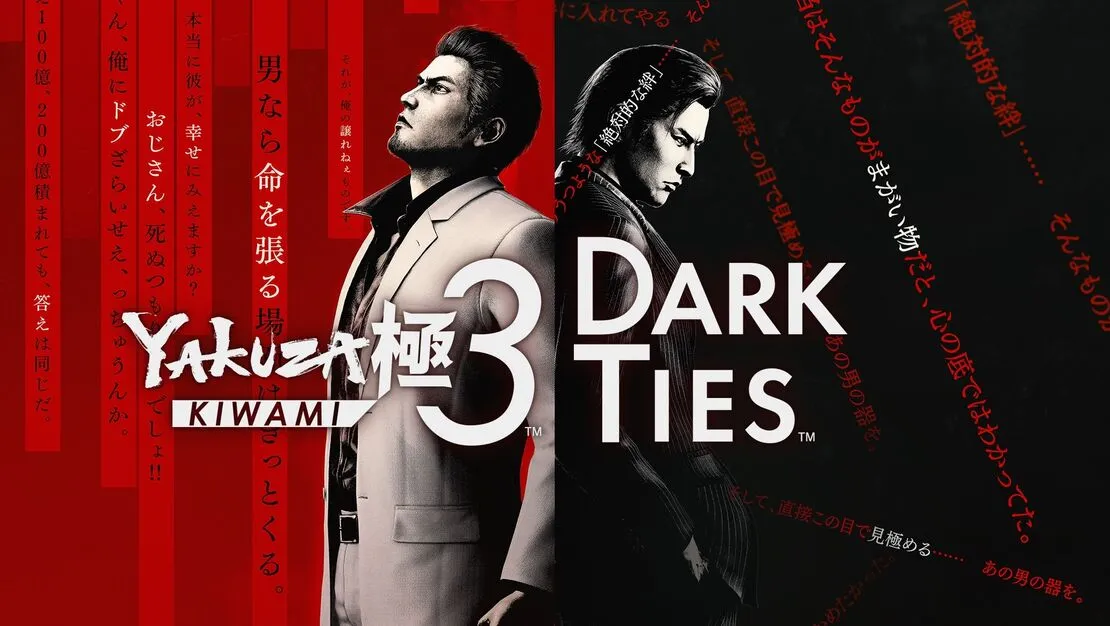

Kazuma Kiryu is caught between a violent past and the life he is trying to build. Yakuza Kiwami 3 & Dark Ties rebuilds the 2009 game and moves the Dragon of Dojima into Ryukyu’s bright coastline. The air feels salted and open, a clean shift away from Kamurocho’s neon sprawl.
Kiryu runs the Morning Glory orphanage and pours his energy into the children depending on him, giving his days a steady purpose. That calm breaks once a land development plot, fueled by corrupt politicians and hard-edged syndicate figures, puts the orphanage in the crosshairs. The pressure hits harder because the game keeps the kids in view, so every escalation lands on something the player has spent time protecting.
This package also includes the Dark Ties campaign, which follows antagonist Yoshitaka Mine. The story keeps moving between spaces and moods, alternating the easy coastal pace of Okinawa with Tokyo’s tighter, more volatile underworld pressure. Kiryu’s attempts at stability keep colliding with old obligations and buried grudges, and the plot treats that collision as a constant weight on every step forward.
Precision Brawling and the Ryukyu Arts
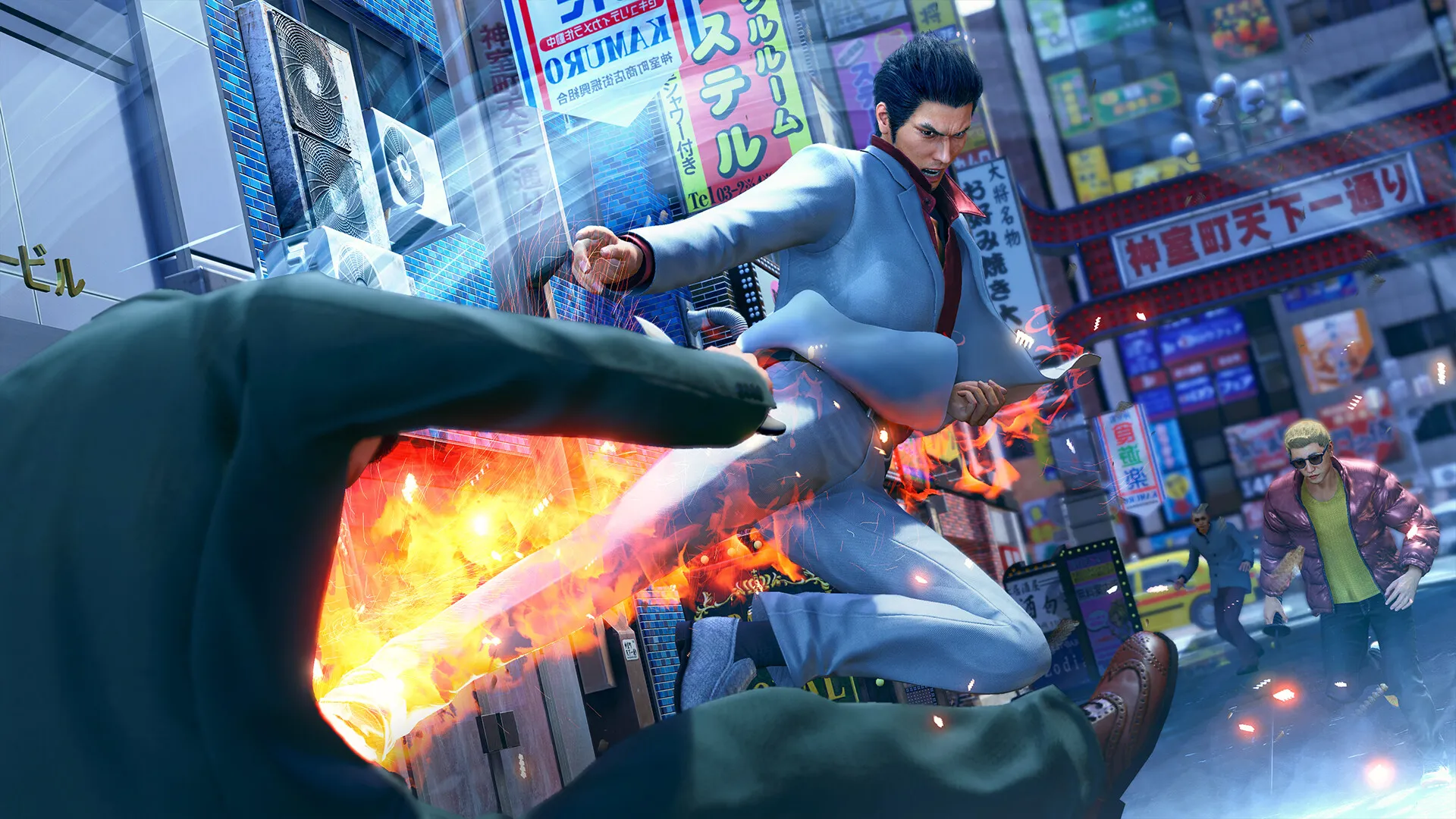
The remake’s combat drops the older stiffness and builds fights around pace and momentum. Enemies press in with more intent and spend less time glued to a guard, so exchanges move quickly and feel easier to read. Kiryu still carries the Dragon of Dojima style, built around heavy strikes and wrestling-based power moves that sell impact through force and timing.
The big mechanical change comes from the Ryukyu Style, a martial discipline that lets Kiryu call up traditional Okinawan weapons on demand. An oar clears space against groups, scythes cut for bleeding, and a heavy shield turns gunfire into a problem with answers.
Those tools sit on face buttons, which keeps the rhythm intact and avoids digging through menus mid-fight. Progression runs through a centralized skill tree that takes cash and training points, giving upgrades a clear structure and a consistent sense of direction. The old revelation system is removed, and the replacement leans into steady investment and predictable payoffs.
The engine supports the new feel with sharper character models and particle effects that flare during special attacks, and the sound design gives each hit a thick, heavy punch. The result is a brawler-RPG loop that rewards players who can read spacing, swap tools at the right moment, and treat weapon calls as part of the same language as Kiryu’s fists.
Stewardship through Management and Minigames
Away from the main plot, the game leans into building up life at Morning Glory. The Daddy Rank system tracks Kiryu’s performance as a guardian and ties progress to time spent with the orphans. The day-to-day work turns into minigames that treat home life as real play space.
Homework help turns into an interactive routine, sewing uses precision-focused inputs, and kitchen work becomes a fast, high-energy cooking challenge. Each task keeps Kiryu rooted in the role he is trying to hold onto, and the game frames that role as something earned through attention and follow-through.
Bad Boy Dragon mode expands the scale by putting Kiryu with the Haisai Girls biker gang. It becomes a recruitment and leadership system that feeds into large group skirmishes against rival squads. These fights play like tactical gauntlets built around managing squad strength through waves of enemies.
Customization supports the loop with gang color options and phone accessories for Kiryu that deliver direct stat buffs, letting choices about presentation and loadout carry mechanical weight. Side activities include karaoke, baseball cages, and deep-sea fishing, keeping the familiar rhythm of series downtime intact.
A standout extra is the set of vintage Sega Game Gear titles available at the hideout, offering a small archive of playable history inside the modern package. Movement between activities stays quick through the Street Surfer scooter, which makes getting across Ryukyu feel efficient and consistent. Taken together, these systems tie neighborhood stability to player action, with small tasks feeding reputation and shaping the tone of Kiryu’s new routine.
The Shadow of Power in Dark Ties
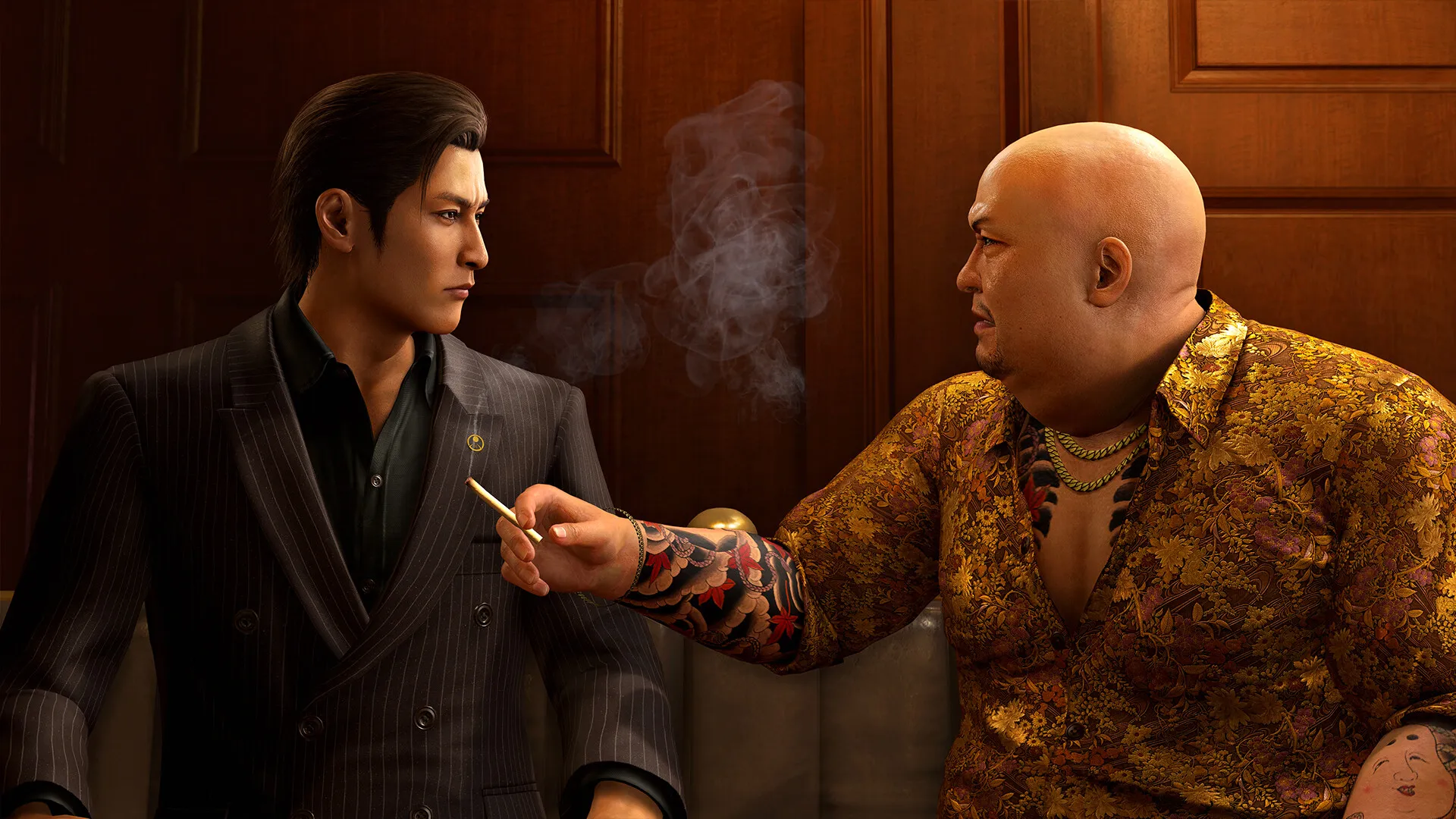
Dark Ties shifts the playable focus to Yoshitaka Mine through a three-chapter prequel tracking his rise within the Tojo Clan. Mine changes the feel at the controller. His shoot-boxing style leans on speed and mobility, built around fast combo strings and airborne kicks. Combat asks for tighter timing and a sharper sense of openings, and the character’s kit pushes a different rhythm than Kiryu’s heavier approach.
The campaign’s major system addition is Survival Hell, a timed roguelike mode built on repeated runs and escalating danger. It spans five underground arenas, each stacked with multiple floors of harder enemies and bosses waiting at key points. The extraction mechanic creates the central decision point: leave early and lock in currency, or keep pushing for stronger upgrades with the risk of losing everything to one defeat. That choice lands as a real pressure valve because the mode makes consequences immediate and expensive.
Outside the arenas, Kanda’s Karma drives Mine’s relationship with the city. Tsuyoshi Kanda refuses to handle the work himself, so Mine takes on errands and community tasks to raise shared reputation. The objectives stretch from item retrieval to winning at bowling, keeping the structure grounded in simple, readable goals that still shape progression.
The narrative also foregrounds Mine’s finance background and frames his thinking against the honor codes shaping the criminal world around him. The writing presents a man chasing power with a sense of isolation that grows alongside his success, and the campaign pairs that character focus with a mechanical loop built on risk, payout, and the tension of knowing exactly what is on the line every time the timer starts.
The Review
Yakuza Kiwami 3 & Dark Ties
Yakuza Kiwami 3 & Dark Ties succeeds by fixing the original release's frustrating combat and highlighting the emotional depth of Kiryu's time in Okinawa. The visual leap is massive, making Ryukyu a beautiful place to explore. However, the Dark Ties expansion feels like a missed chance, relying on repetitive tasks that slow the pace. While some lost side content stings, the improved fighting and heartfelt story make this a strong remake. It offers a great entry point for new fans and gives veterans a reason to revisit this overlooked chapter.
PROS
- Fluid combat replaces frustrating enemy blocking.
- Ryukyu martial arts style provides fun weapon variety.
- Stunning graphical upgrade to environments and faces.
- Meaningful character moments at the orphanage.
CONS
- Dark Ties campaign feels short and padded.
- Massive reduction in total substory count.
- Mandatory minigame requirements disrupt story pacing.
- Removal of the quirky revelation system.