
























The three-part PBS documentary Henry David Thoreau examines an American icon whose public image often remains locked inside classrooms. Directed by Erik and Christopher Loren Ewers, with executive producers Ken Burns and Don Henley, the production carries 19th-century Concord, Massachusetts, into the present with clarity and care.
Concord appears as fertile ground for intellectual change. George Clooney’s narration gives the series a calm authority. The film moves beyond familiar historical shorthand and studies the man behind the famous prose through his weather, his temper, and his urgency. This radical spirit emerges as a figure whose choices still challenge the modern world.
I remember reading Walden during a crowded summer and feeling the pull of his call for deliberate living. The documentary understands that pressure. It presents Thoreau as a philosopher and activist whose habit of close observation still pushes against today’s digital routines. This biographical project gives real weight to a name that can too easily harden into a statue.
A Life Defined by Principle and Growth
The series traces the forty-four years of a life shaped by growth. It begins with his early formation as a protégé of Ralph Waldo Emerson, then follows the point where he discovered an independent voice. The Walden Pond experiment began in 1845, and the film treats that period as an exercise in scientific attention and disciplined thought.
The cabin becomes a place built for clarity. Later, the documentary turns to his professional work as a surveyor and an innovator in a pencil factory. His political engagement intensified as the Civil War approached. He moved toward radical abolitionism and supported John Brown.
The documentary links his quiet reflections in the woods with his heated political language. These phases form a single life guided by firm principles. I find the movement from the peaceful pond to moral resistance especially strong as storytelling.
The film shows his naturalistic studies and his defense of human rights rising from the same source. His love for the wild and his demand for justice belong to one moral vision. This chronological structure explains how his ideas matured through direct action and practical labor. He was a thinker who tested his philosophy against the world around him.
The Sensory Language of the Past
The sensory design of this production gives history a physical presence. The visuals include archival materials such as journal ink and nineteenth-century typeset pages. Meditative cinematography of the Massachusetts landscape meets rapid footage of modern industrial growth. That visual exchange feels like a conversation between centuries. The voice performances bring the past into the room.
Jeff Goldblum voices Thoreau with a sense of intellectual discovery. He sets aside his familiar mannerisms and finds a reflective curiosity. Ted Danson gives Ralph Waldo Emerson a grounded presence. Meryl Streep provides the voice for Margaret Fuller. These performances make historical figures feel alive.
Modern commentators such as Michael Pollan and Rebecca Solnit connect the nineteenth century to present concerns. Their insights help the series make philosophy feel tactile. Water, wood, and paper carry meaning. I noticed the sound of a pen on paper, which lands with surprising force.
The directors use these textures to place abstract ideas inside the physical world. This technical precision reflects a deep appreciation for the tools of a writer. It creates a bridge between the material world and the intellectual one. The documentary feels ancient and immediate in the same breath.
Finding the Human Beneath the Icon
The series studies the relationship between individual conscience and public responsibility. It covers Thoreau’s refusal to pay the poll tax as a protest against the government. That act led to a night in jail and the creation of his work on civil disobedience. His devotion to the wild becomes a rejection of a society built on material gain.
The documentary also addresses the flaws that keep this historical figure human. It mentions the accidental burning of the Concord woods. It also notes that he visited his family home for meals and laundry while living at Walden. These details keep him from becoming a distant saint.
The series shows his work with the Underground Railroad and his advocacy for indigenous groups. It presents a man who valued moral law above civil legislation. His 1854 writings offer a critique of modern speed and accumulation. I appreciate the film’s willingness to include his imperfections.
That choice makes his radicalism feel accessible to viewers today. He was a person of contradictions who lived with purpose. The production argues that his message gains force as our lives grow cluttered. It leaves us with a portrait of a thinker who lived his questions out loud.
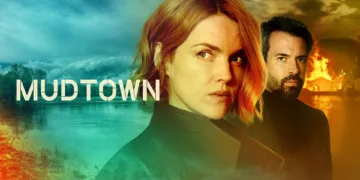
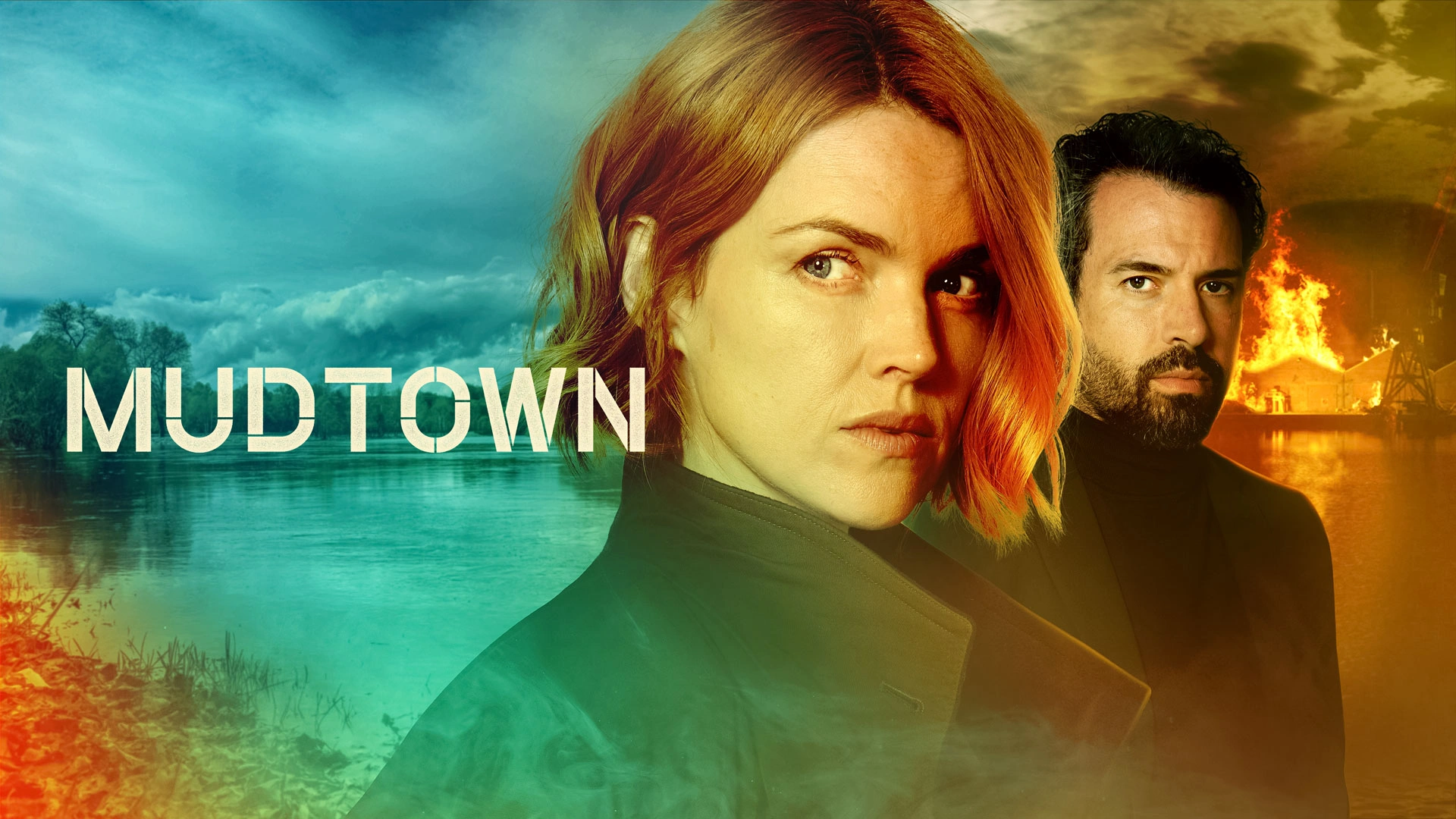
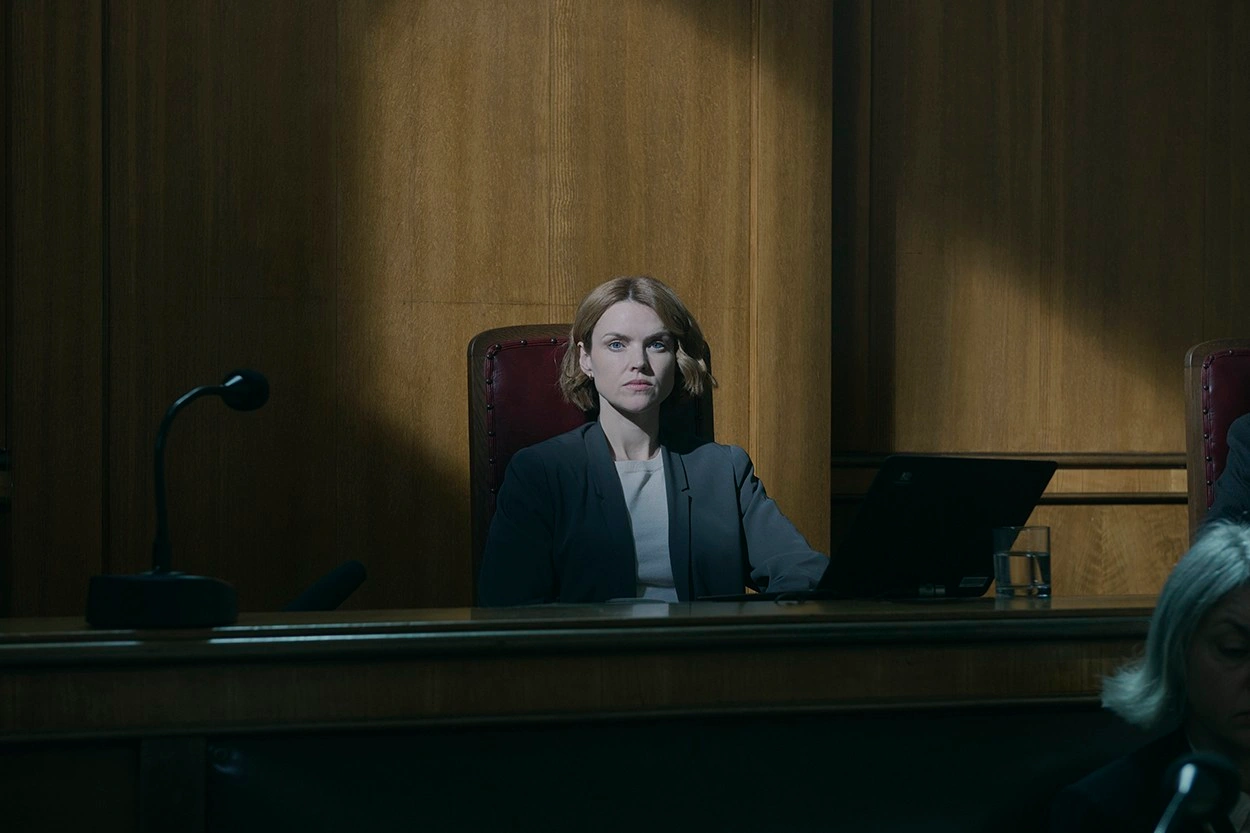
Mudtown, also known by its Welsh title Ar y Ffin, is a compelling “Celtic noir” crime drama set against the backdrop of Newport, Wales. The series follows experienced magistrate Claire Lewis Jones as her professional integrity is tested when a figure from her past, a charismatic gangster named Pete Burton, re-emerges and threatens her family’s stability. The show originally premiered its Welsh-language version on S4C in December 2024, followed by its English-language premiere on the UKTV channel U&Alibi on August 20, 2025. Most recently, the series made its United States debut on BritBox on March 12, 2026. Viewers can currently stream the series on BritBox in the US or through Sky, Now TV, and S4C Clic in the United Kingdom.
Where to Watch Mudtown Online



Full Credits
Title: Mudtown (Ar y Ffin)
Distributor: S4C, U&Alibi, BritBox, All3Media International
Release date: August 20, 2025
Rating: 15, TV-MA
Running time: 60 minutes
Director: Rhys Carter, Chris Forster
Writers: Hannah Daniel, Georgia Lee
Producers and Executive Producers: Ed Talfan, Hannah Thomas, Huw Jones, Helen Perry, Lauren Jackson
Cast: Erin Richards, Tom Cullen, Lauren Morais, Matthew Gravelle, Lloyd Meredith, Kimberley Nixon, Sion Pritchard, Ifan Huw Dafydd
Director of Photography (Cinematographer): Sam Thomas
Editors: Urien Deiniol, Angharad Owen, Nathan Gibson
Composer: Elizabeth Bernholz (Gazelle Twin)
The Review
Mudtown
Mudtown succeeds because it grounds a legendary figure in physical reality. It avoids the dry traps of history by using sensory textures and human flaws. The voice acting and modern insights create a bridge to our current challenges. This series provides a thoughtful examination of what it means to live with purpose.
PROS
- Excellent voice cast featuring Jeff Goldblum and Meryl Streep.
- Beautiful cinematography of the Massachusetts landscape.
- Strong link between personal ethics and political action.
- Authentic archival details.
CONS
- Three-hour runtime requires a significant time commitment.
- Modern footage cuts feel slightly abrupt.