
























![Kingdom Hearts Collection [I-III] Review](https://gazettely.com/wp-content/uploads/2026/10/Kingdom-Hearts-Collection-I-III-1-360x180.webp "Kingdom Hearts Collection [I-III] Review: KHII Holds Steady as Newer Entries Fluctuate 37")



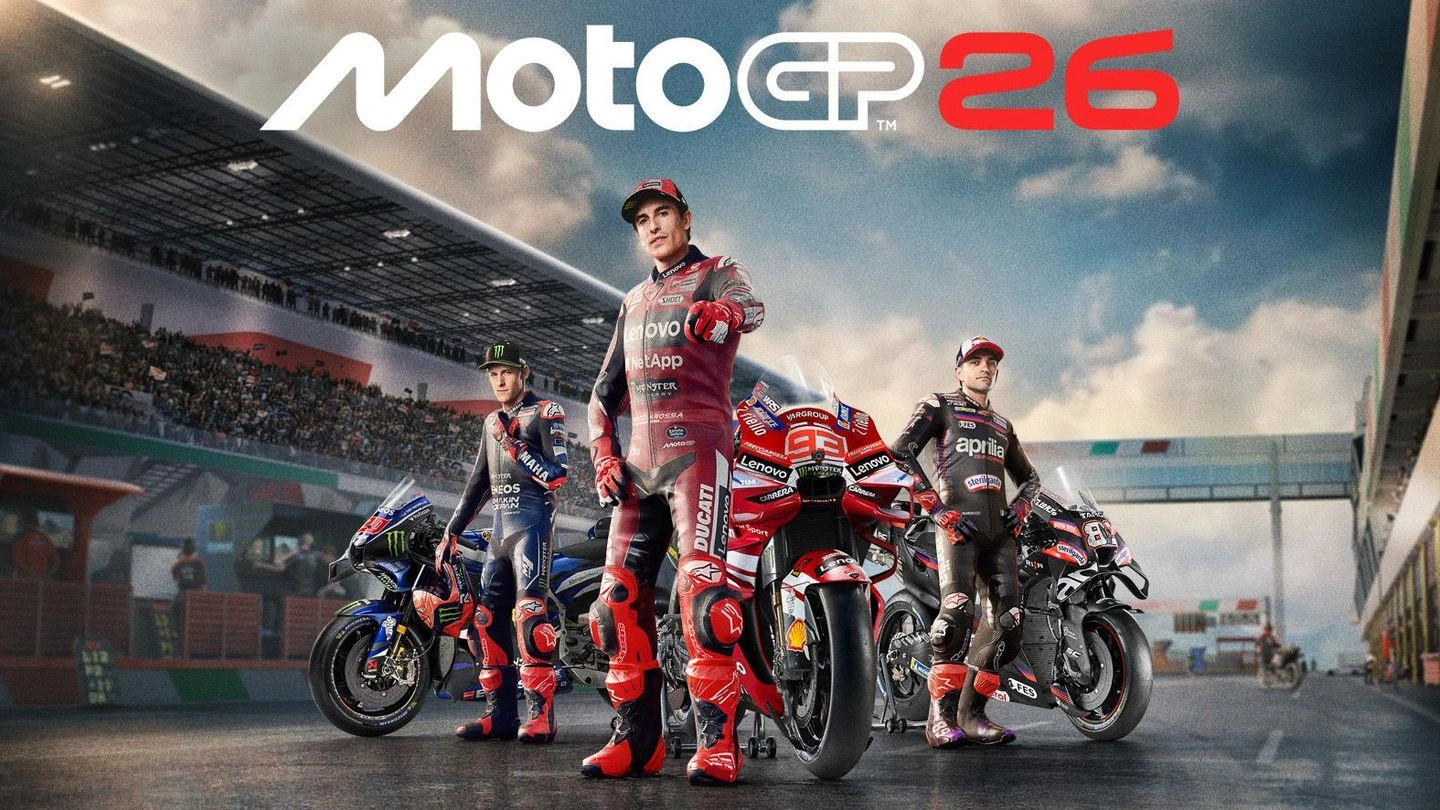

Motorcycle racing turns violent physics into a discipline of tiny margins. Milestone returns to that volatile space with MotoGP 26, the official digital recreation of the premier world championship. This release features the complete 2026 roster, with 22 riders across 11 teams.
Moto2 and Moto3 are included, and players gain access to 22 real-life tracks modeled with sharp precision. The title serves two audiences with clear intent: veterans receive a high-skill simulation, while newcomers get an approachable entry point. It captures the high-stakes pressure of professional racing, where every lean angle and braking point can separate a podium finish from a low-side crash.
This iteration places fresh emphasis on the physical relationship between rider and machine through updated movement systems. You compete for individual and bike constructor championships inside an environment shaped by technical precision.
The experience demands focus as you manage the volatility of high-speed motorcycles. This is friction between player and pavement turned into a full game loop. It is a technical exercise in sustaining momentum under severe physical pressure. You manage a 1000cc machine that keeps threatening to throw you off at every corner.
Equilibrium and Intentionality
Equilibrium drives this iteration. The defining mechanical shift comes from a rider-based handling system. Previous entries focused primarily on the bike’s orientation. This system asks players to actively manage body weight and lean. Rotating the vehicle through tight chicanes depends on subtle weight distribution. It carries the satisfaction of build-craft in complex RPGs, where small adjustments produce meaningful performance gains.
The game offers Sim mode and Arcade mode as distinct approaches to play. Sim mode gives granular control over tire compression and pit strategy. Arcade mode uses assists that prevent wipeouts and soften collision impact. Adaptive AI racers keep track sessions competitive by adjusting behavior to match player performance. Their racing lines shift beyond a fixed script, which gives every session a stronger sense of live pressure.
You feel every vibration through haptic feedback and triggers during braking. The triggers ask for intent and gusto. Mastering a perfect lap through throttle control and lean angles feels like executing a flawless combo in a tactical action game. The reward comes from internalizing the physics and understanding how the suspension speaks through the controller. Every bump on the track sends information into your hands, and that feedback shapes your choices moment by moment.
These mechanics demand the kind of concentration associated with high-difficulty soulslikes. You fight for every podium. You scrape knees and elbows against the asphalt. The skill ceiling stays high, and the pursuit of a clean lap creates a deep sense of satisfaction. The game rewards patience, study, and a willingness to treat speed as a system.
Professional Consequences and Narrative Forks
Career mode gives the experience its narrative spine. A significant update lets players step into the boots of real-life stars, expanding the mode beyond a custom avatar. The progression system uses an interview mechanic where media answers define seasonal objectives and rivalries. These choices feel close to narrative forks in choice-heavy indies because they connect public identity, reputation, and professional opportunity.

Success and positive reputation lead to better contract offers from top-tier teams. You guide bike development through technical conversations with engineers. You test different setups before the season to learn which configuration matches your style. Starting in Moto3 and moving to MotoGP feels like a character progression arc. The stakes rise as the bikes become faster and less forgiving. You manage your path as a pro racer through reputation and performance.
Race Off mode expands the range of racing styles outside the standard professional circuit. Players can compete in Flat Track, Motard, and Minibike events. Production Bikes join the lineup this year. These vehicles have distinct handling traits that create a welcome break from the usual grand prix weekend.
Each alternative bike type requires a different approach to physics. Minibikes feel twitchy and light. Flat track bikes demand mastery of sliding on dirt. These events keep the season from feeling repetitive and act as mechanical interludes between high-pressure grand prix races.
For social play, the game includes local split-screen and online lobbies for up to 22 participants. A new card collection feature offers virtual rider memorabilia free from microtransaction pressure. The lack of voice acting in interviews makes those moments feel slightly flat, yet the mechanical impact of your answers remains tangible.
Every season plays like a long-form campaign. You earn experience points to raise your rider rank, which makes you more appealing to teams. The loop of racing and development keeps the season engaging and gives every weekend a practical reason to matter.
Visual Precision and Structural Inclusivity
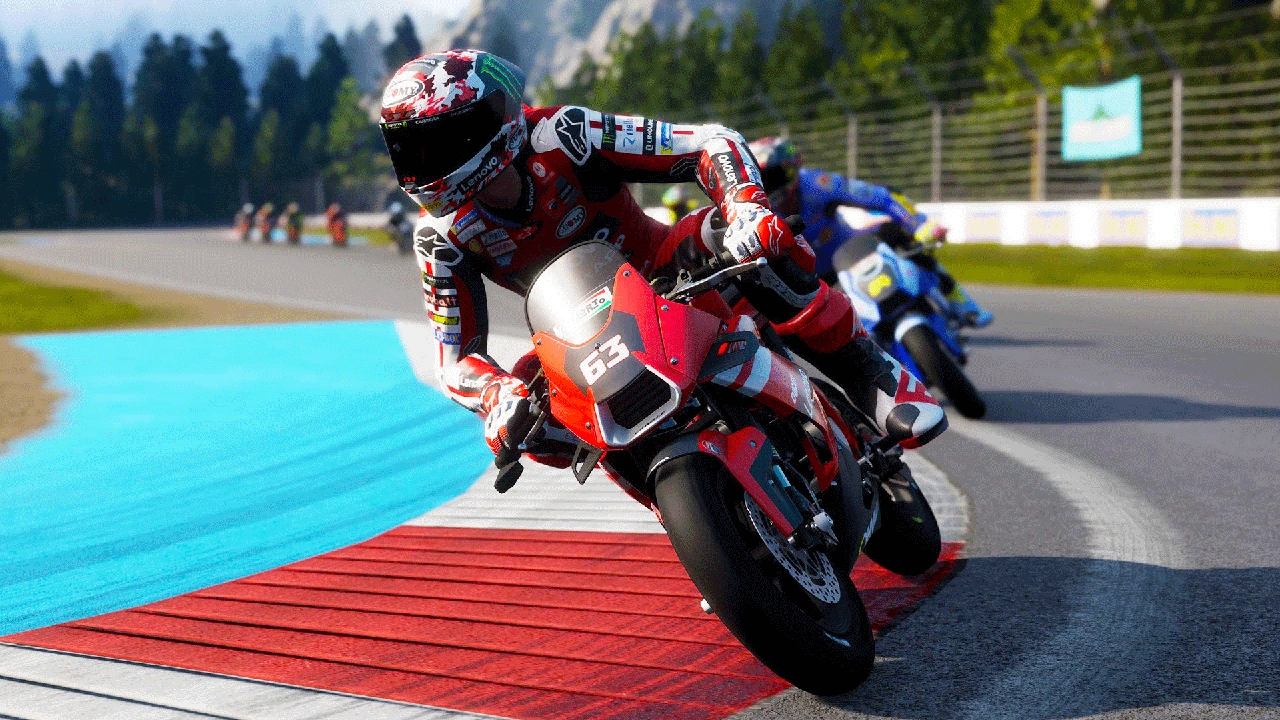
Visual fidelity prioritizes the machine and the surface of the track. The bikes and rider gear carry high levels of detail, and that precision shines in Photo Mode. You can capture light glinting off carbon fiber and heat shimmer rising from the exhaust. Circuits look authentic under different weather conditions and recreate a broadcast-style aesthetic. Track environments such as grandstands and human models between races appear less detailed, yet the sense of speed stays consistent.
A significant addition to the accessibility suite is full control remapping. Players can customize inputs to suit physical needs or personal preferences. This level of customization recalls the strongest indie titles, where input flexibility respects the player as much as the design. It opens the game to players who use controllers in varied ways and makes the simulation feel far less rigid in its physical demands.
The user interface stays functional. It provides clear data through a timing tower and simple telemetry menus. Sound design emphasizes the roar of engines, while reactive crowd cheers reward high-pressure moments. The technical groundedness of the audio reinforces the physical weight of racing. Replay mode lets you study lean angles from cinematic perspectives. The menu systems are easy to understand and avoid information overload, which helps keep attention fixed on the track.
The package respects the player’s time and physical comfort. It keeps clutter low while preserving deep analytical tools for anyone determined to find every tenth of a second on the circuit.
The Review
MotoGP 26
MotoGP 26 succeeds as a technical simulation prioritizing the physical connection between rider and machine. The new handling system adds depth to every corner. While the career mode lacks cinematic flair, the mechanical refinement keeps the experience engaging. It is a polished, reliable entry for fans of the sport.
PROS
- Responsive rider-based handling system.
- Deeply customizable accessibility and difficulty options.
- High-fidelity bike models and excellent photo mode.
CONS
- Career mode presentation feels repetitive.
- Environment visuals and human models lack polish.
- Limited innovation in core game modes.







