





























Assassin, also known as Assassination: 1932 or Ansha 1932, is a 90-minute Chinese historical action thriller that first reached audiences through iQiyi before moving into international digital circulation. Set in Shanghai in 1932, the film places itself amid Japanese occupation and Chinese resistance, using history as a charged dramatic canvas rather than a strict reconstruction of events.
The story follows Zhang Mubai, played by Wang Ming, a disciplined leader of an anti-traitor squad recruited by the gangster Hu Ba, played by Ray Lui. Their mission is direct: assassinate a high-ranking Japanese military commander during his brief visit to Shanghai. Around that premise, director Zhou Jiuqin builds a film of espionage, martial arts spectacle, and pulpy wartime adventure.
Shanghai becomes one of the film’s richest assets. Its nightclubs, old streets, expensive interiors, and shadowed rooms create an atmosphere of decaying glamour. The city feels dangerous, theatrical, and morally charged, a fitting stage for resistance fighters, gangsters, spies, and soldiers moving through a world where loyalty can shift with a glance.
Resistance, Camaraderie, and Uneven Character Beats
The film works best as a squad-driven action story. Zhang Mubai anchors the group with a controlled, no-nonsense presence, giving the film a firm dramatic spine. His team includes Xiaoqiu, played by Cheng Qi, who stands out as the squad’s most agile fighter, along with characters played by Jin Long and Zhao Zhenhua. Tang Haoyuan later enters the plot as Yuanbao, a thief and swindler whose comic energy changes the rhythm of the film.
The opening nightclub infiltration sets the narrative in motion with immediate force. The resistance fighters enter under disguise, strike against Japanese officers, and catch the attention of Hu Ba, a gangster whose interests overlap with the anti-occupation cause. From there, the plot shifts toward a shipboard assassination scheme, using false identities, wedding festivities, and tight timing to create a familiar yet effective espionage framework.
Hu Ba is charismatic, and Ray Lui gives him veteran swagger, cigar and all. Still, his presence sometimes bends the film toward broad comedy. Yuanbao’s cowardice and infatuation with Xiaoqiu provide lighter beats, yet those moments can weaken the gravity of the resistance story. Xiaoqiu fares better in combat than in dialogue. The film recognizes her skill, then too often frames her through a sexualized lens that distracts from her strength. The ensemble has energy and camaraderie, though the tonal shifts keep pulling the story in competing directions.
Bullets, Bodies, and Period Spectacle
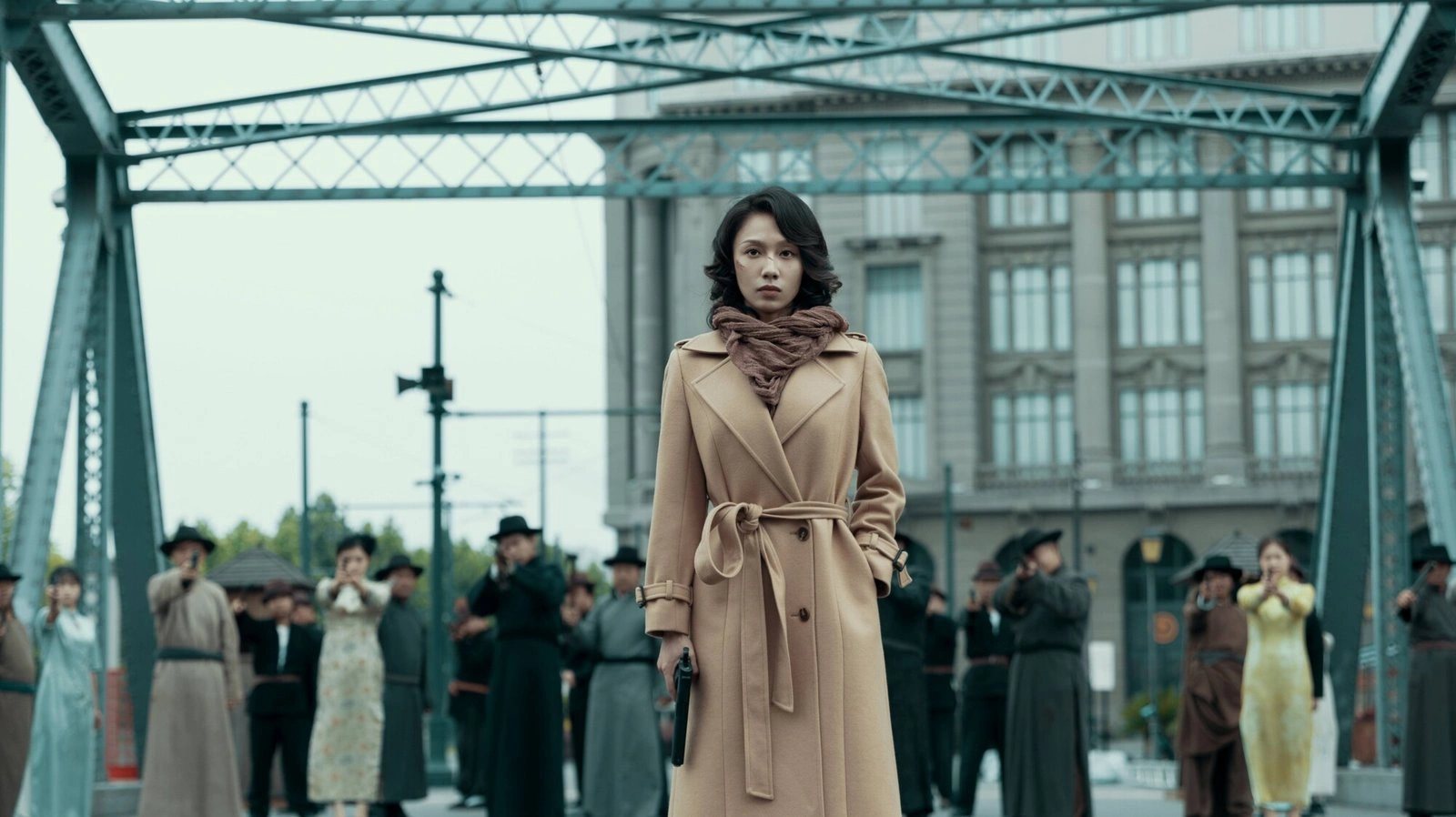
The action is the film’s clearest calling card. Assassin treats combat as a full display of Asian action grammar, mixing gun-kata, Kung Fu, Karate, Tae Kwon Do, Hong Kong-style brawling, and hints of Muay Thai into a rapid, bruising package. The opening ten-minute nightclub sequence is the standout early set piece, using balconies, tables, crowds, and polished interiors to create a flowing chain of gunfire, close combat, and sudden reversals.
Zhengguang Lu and Su Guan’s action work gives the film much of its personality. Firearms become extensions of the body, with characters locking opponents in place, firing across the room, then returning to finish hand-to-hand exchanges. There is a clear debt to Hong Kong heroic bloodshed cinema, especially in the slow motion, balletic gunplay, and even the appearance of doves. John Woo’s influence hangs over the film like cigarette smoke in a private club.
Zhou Jiuqin keeps the camera busy without losing spatial clarity. The best fights move through interiors with readable geography, letting the viewer understand where bodies are, where danger enters, and how each fighter adapts. The ship sequences offer a tighter arena for disguise, pursuit, and eruption.
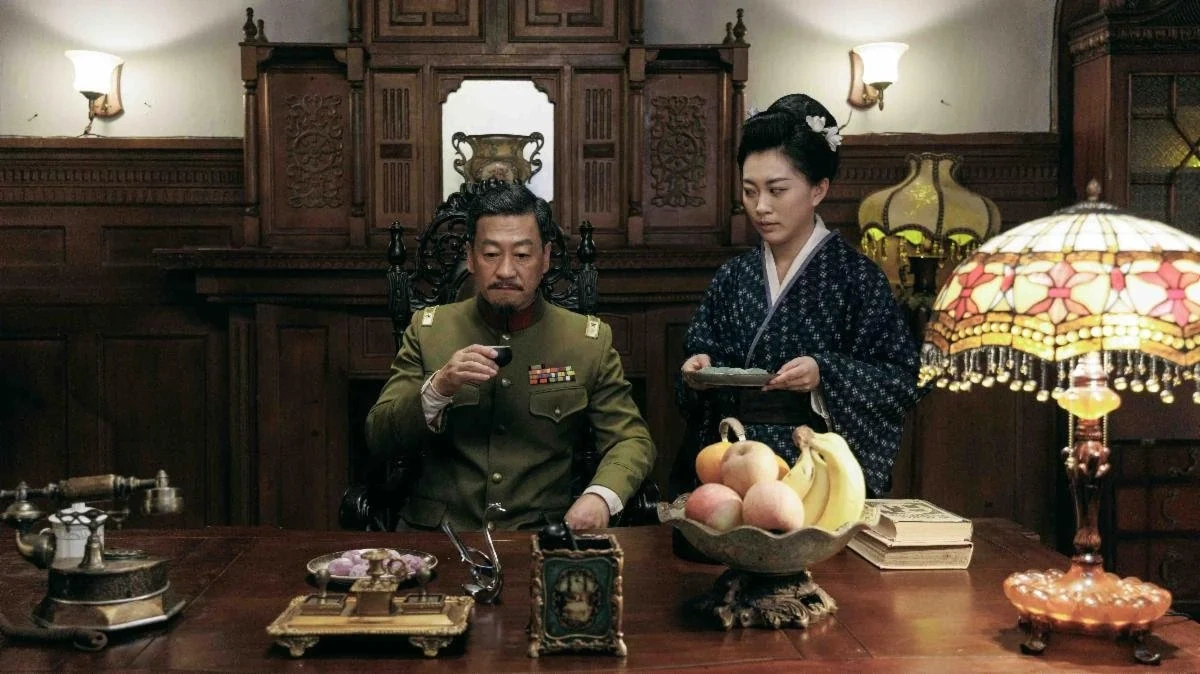
The production design gives the film flashes of 1930s opulence, from the nightclub to the formal wedding setting. At times, the budget strains to support the scale. Streets can feel underpopulated, costumes look too fresh, and certain establishing shots lack the density needed for a story of wartime Shanghai. Even so, the film often compensates through pace, choreography, and a strong sense of pulp momentum.
Patriotism, Pulp History, and Tonal Friction
Assassin belongs to a tradition of revisionist wartime action cinema, where occupation history becomes a stage for heroic fantasy and national resistance. Indian viewers may recognize a familiar pattern here. Much like certain Bollywood historical action films, the movie favors heightened emotion, clear moral alignment, and symbolic victory over historical ambiguity. Its structure also recalls global trends in anti-fascist pulp cinema, especially stories where a small band of skilled fighters targets a powerful military figure.
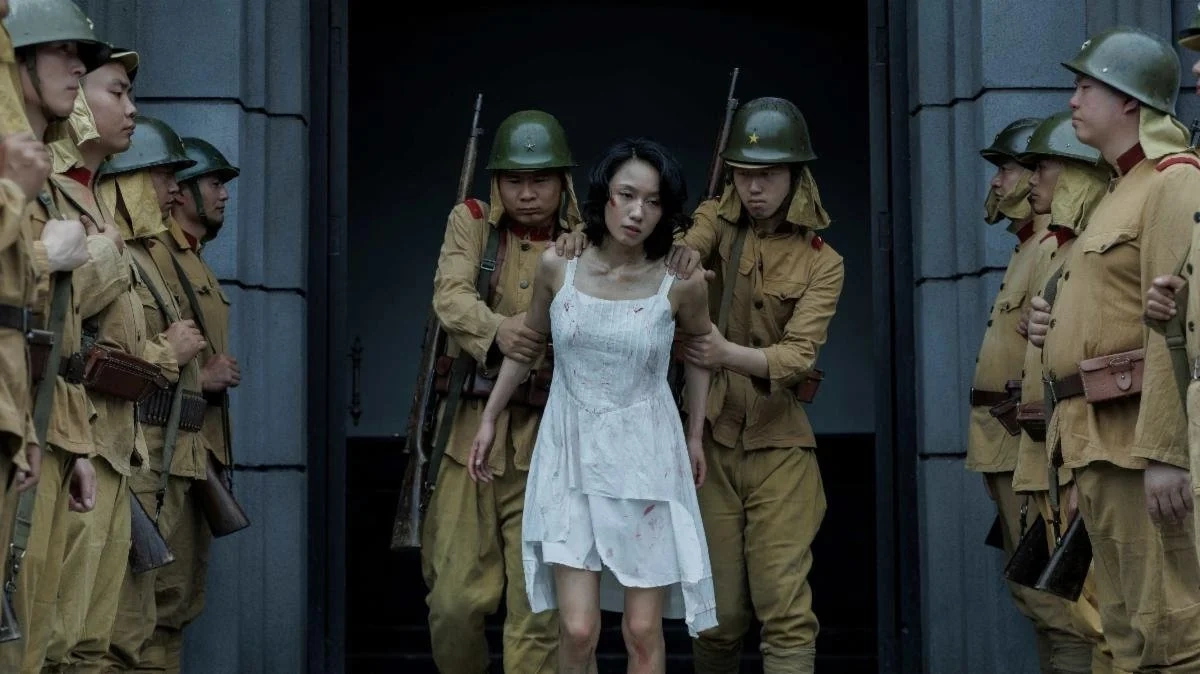
The film’s patriotism is direct. Chinese resistance fighters are resourceful, brave, and morally committed. Japanese antagonists range from cruel and intimidating to cartoonishly vile, which gives the film clear emotional stakes but also flattens its political imagination. There are moments where the violence carries real weight, especially in scenes of occupation brutality. Then slapstick humor or exaggerated villainy interrupts the tension.
That tonal friction defines the film’s biggest weakness. The comedy around Yuanbao sometimes fits the rhythm of a crowd-pleasing action entertainer, yet it can feel jarring beside scenes of torture, oppression, and sexual threat. Xiaoqiu’s treatment is the most troubling example. Her fighting ability gives the film spark, while the camera’s gaze undercuts her agency in ways that feel dated and unnecessary.
Still, Assassin has undeniable drive. Its ideas about loyalty, sacrifice, and national duty are simple, but they feed the action with emotional purpose. The film may not probe history with the discipline of parallel cinema or the moral complexity of a mature political thriller. It aims for kinetic release, stylish combat, and patriotic catharsis, and at its best, it delivers those pleasures with force.
Assassin is a historical martial arts action film that premiered on the streaming platform iQIYI in August 2025, with expanded digital and international releases continuing into early 2026. Directed by streaming veteran Jiuqin Zhou and set against the backdrop of Japanese-occupied Shanghai in 1932, the plot follows a small cell of Chinese resistance fighters who stage a high-stakes raid on a Japanese officer’s nightclub. Their efforts catch the attention of Hu Baye (played by veteran Hong Kong star Ray Lui), a powerful local gangster with his own patriotic agenda to dismantle the occupation forces. The film delivers relentless martial arts choreography and historical espionage drama, and you can stream it on iQIYI, Prime Video, or select digital rental platforms.
Full Credits
Title: Assassin (also released as Assassination: 1932)
Distributor: iQIYI
Release date: August 2025
Running time: 90 minutes
Director: Jiuqin Zhou
Writers: Huang Lin
Cast: Ray Lui, Ming Wang, Jin Long, Cheng Qi, Jinhao Guo, Di Wang, Tang Hao Yuan
The Review
Assassin
Assassin delivers fast-paced martial arts action against a backdrop of 1930s Shanghai, combining stylish choreography, period detail, and patriotic fervor. Its ensemble cast, led by Wang Ming and Ray Lui, injects charisma and energy, though tonal shifts and underdeveloped female representation occasionally disrupt immersion. The film succeeds as kinetic entertainment and historical pulp, rewarding viewers who prioritize spectacle and martial arts creativity over nuanced historical storytelling.
PROS
- Intense and varied martial arts choreography
- Strong ensemble performances and on-screen camaraderie
- Rich, immersive Shanghai period setting
- Stylish action sequences with gunplay and hand-to-hand combat
- Compact, brisk runtime keeping tension high
CONS
- Abrupt tonal shifts between comedy and serious action
- Underwritten female lead with occasional sexualized framing
- Budget constraints affecting set density and scale
- Villain portrayal sometimes caricatured