






















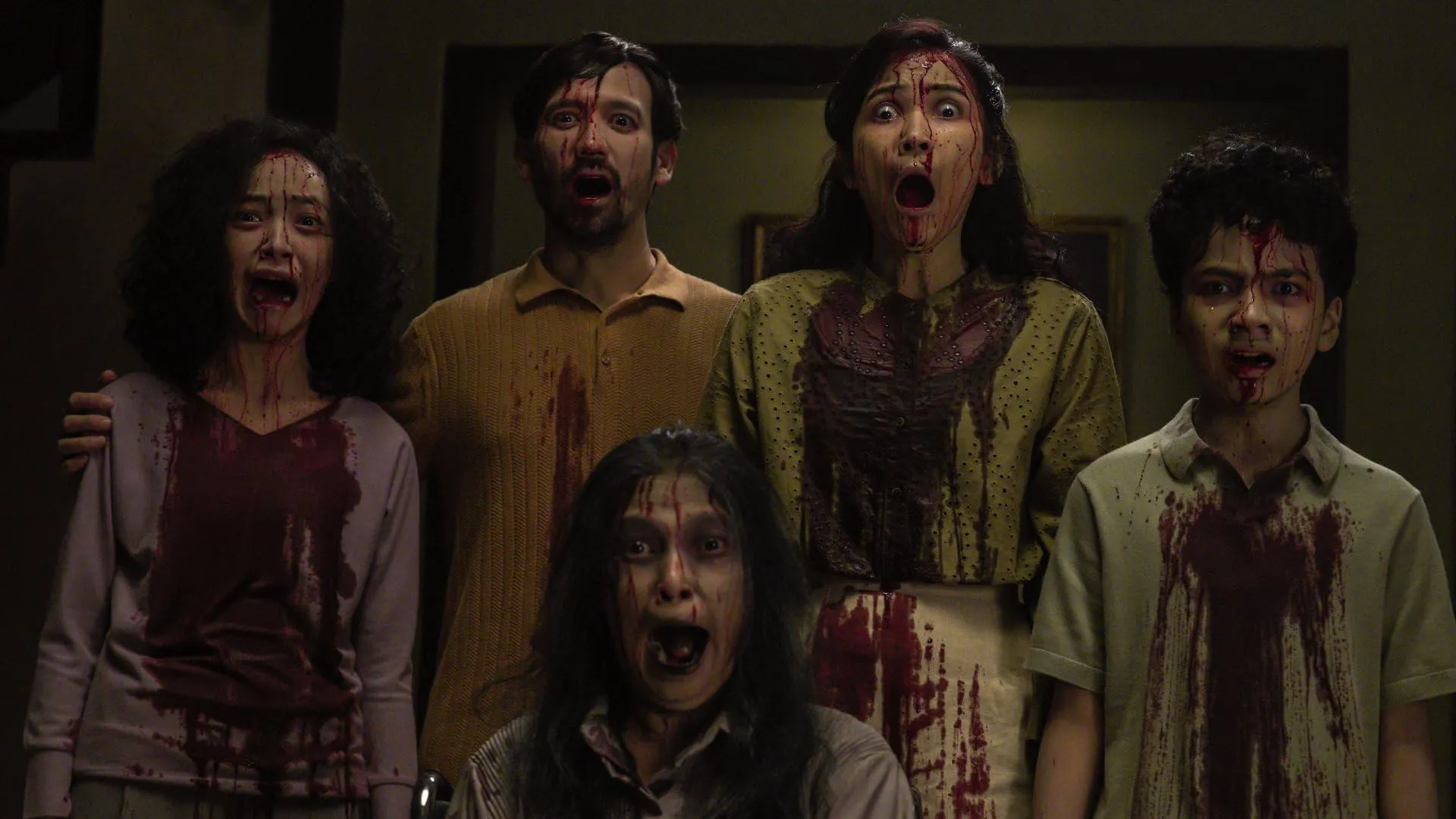

Some lives are defined not by a series of events but by a single, persistent state of being. For Yuli, that state is humiliation. After a childhood tragedy involving her parents, she is raised in servitude by her father’s legal wife and her family. They treat her not as kin but as a living reminder of a past transgression.
There is a tipping point for human endurance, a moment when a spirit either breaks or sharpens into a weapon. Pushed past that point by years of relentless cruelty, Yuli chooses the weapon. She seeks retribution through black magic, a desperate act that begins a new entry in a spiritual ledger where debts are paid not with coin but with blood and anguish.
The Vicious Spectacle of a Curse
The film’s engine of horror is a particularly grim piece of black magic, one whose methodical nature is central to the narrative’s tension. The curse is not a single, fiery act but a sustained campaign of terror that Yuli must actively manage. To power it, she performs nightly rituals over the exhumed corpse of her tormentor’s ancestor, a gruesome task that ties her physically to the decay she wishes upon others.
This ritual creates its own ticking clock; the magic is tied to the state of the corpse, forcing Yuli to act within a specific timeframe lest the consequences turn upon her. This mechanical detail elevates the plot beyond a simple revenge story, adding a procedural element to her dark work.
Director Hadrah Daeng Ratu builds a world soaked in dread, a mood achieved through precise technical craft. The cinematography is intimate and suffocating, often using tight framing to isolate characters in shadowed corners, making their expansive home feel like a tomb. The color palette is muted, favoring deep blacks and earthy tones that are pierced by the lurid reds of the ensuing violence.
The camera rarely sits still, creeping through hallways and observing from unsettling angles, placing the viewer in the position of an unseen predator. This visual approach is powerfully supported by an effective soundscape.
The unnerving quiet of the house is broken by the chilling whispers of Yuli’s incantations, the sickeningly wet sounds of bodily harm, and the distorted screeches of the demonic presence, ensuring the atmosphere of fear is constant and layered.
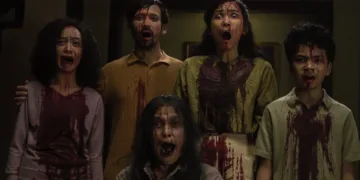
The curse itself is a two-pronged assault. There are the overt, graphic attacks on the body—a showcase of inventive and brutal horror—realized through strong practical effects. But there is also the psychological torment of demonic visions, leaving the family with no safe haven from the terror assailing both their minds and their flesh.
Clashing Convictions and Character Portraits
At the story’s turbulent center is Yunita Siregar’s layered portrayal of Yuli. Her performance carefully charts a difficult character arc, moving from a sympathetic victim defined by downcast eyes and a stooped posture to a confident orchestrator of ruin. As the curse takes hold, Siregar straightens her back, her voice acquires a seductive cadence, and her gaze becomes direct and challenging.
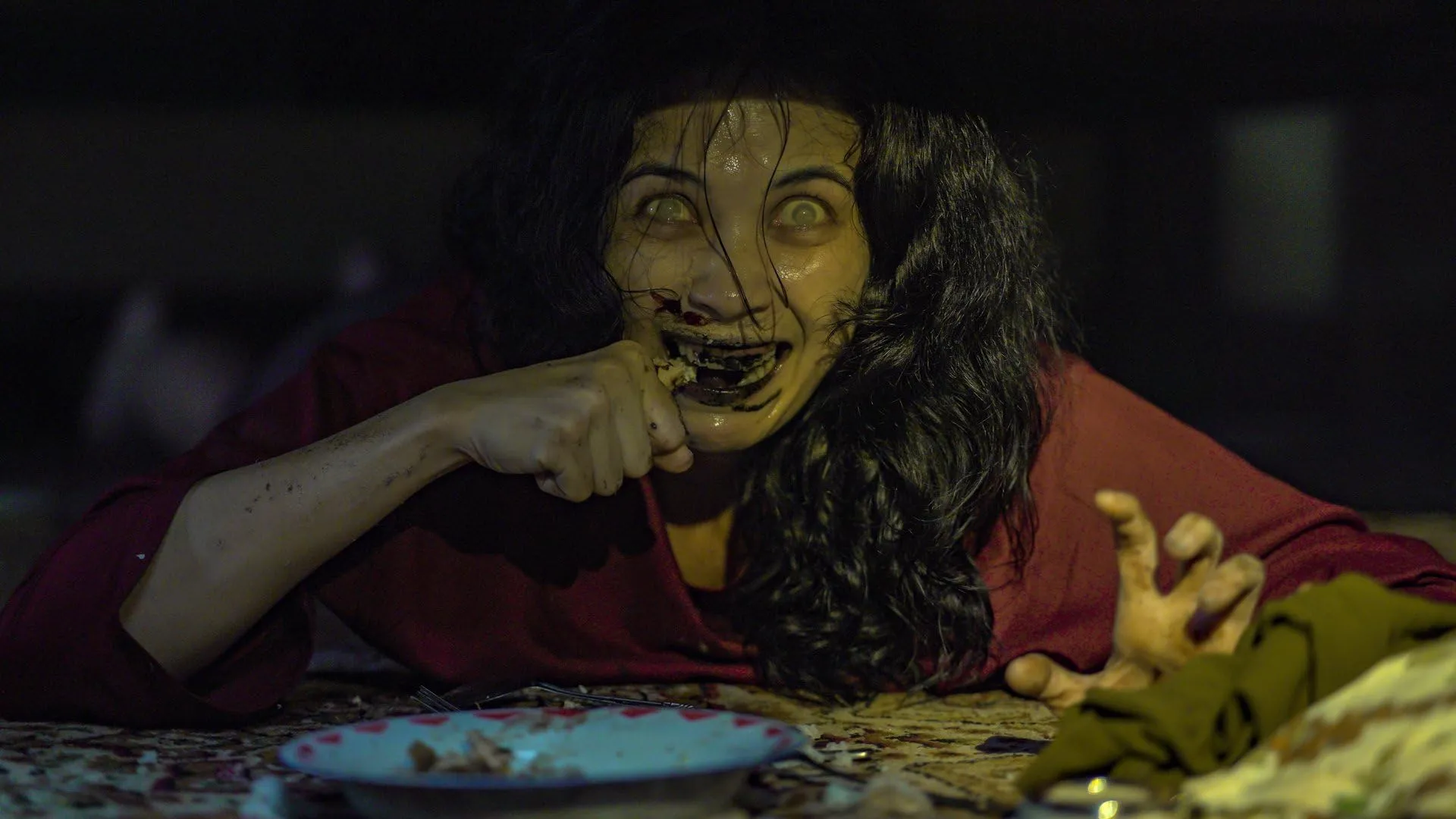
This transformation is the film’s most fascinating element, as it forces the audience to reconcile their initial empathy with a growing unease at her methods. The performance makes her motivation entirely understandable without ever excusing the monstrosity of her actions. She embodies the chilling idea that the victim and the villain are not always separate people, but sometimes sequential stages of a single, broken life.
Her targets are a family unit defined by its own deep fractures, making them tragically fertile ground for such a curse. The primary antagonist, Laras, is portrayed by Dinda Kanyadewi as a woman consumed by a bitterness that feels generational.
Her cruelty toward Yuli is not simple malice but a resentment she inherited and now perpetuates. This dynamic is set in direct opposition to her daughter, Tika, given a quiet but resilient strength by Kawai Labiba. Tika functions as the film’s moral and spiritual anchor, a structural counterweight to Yuli’s darkness.
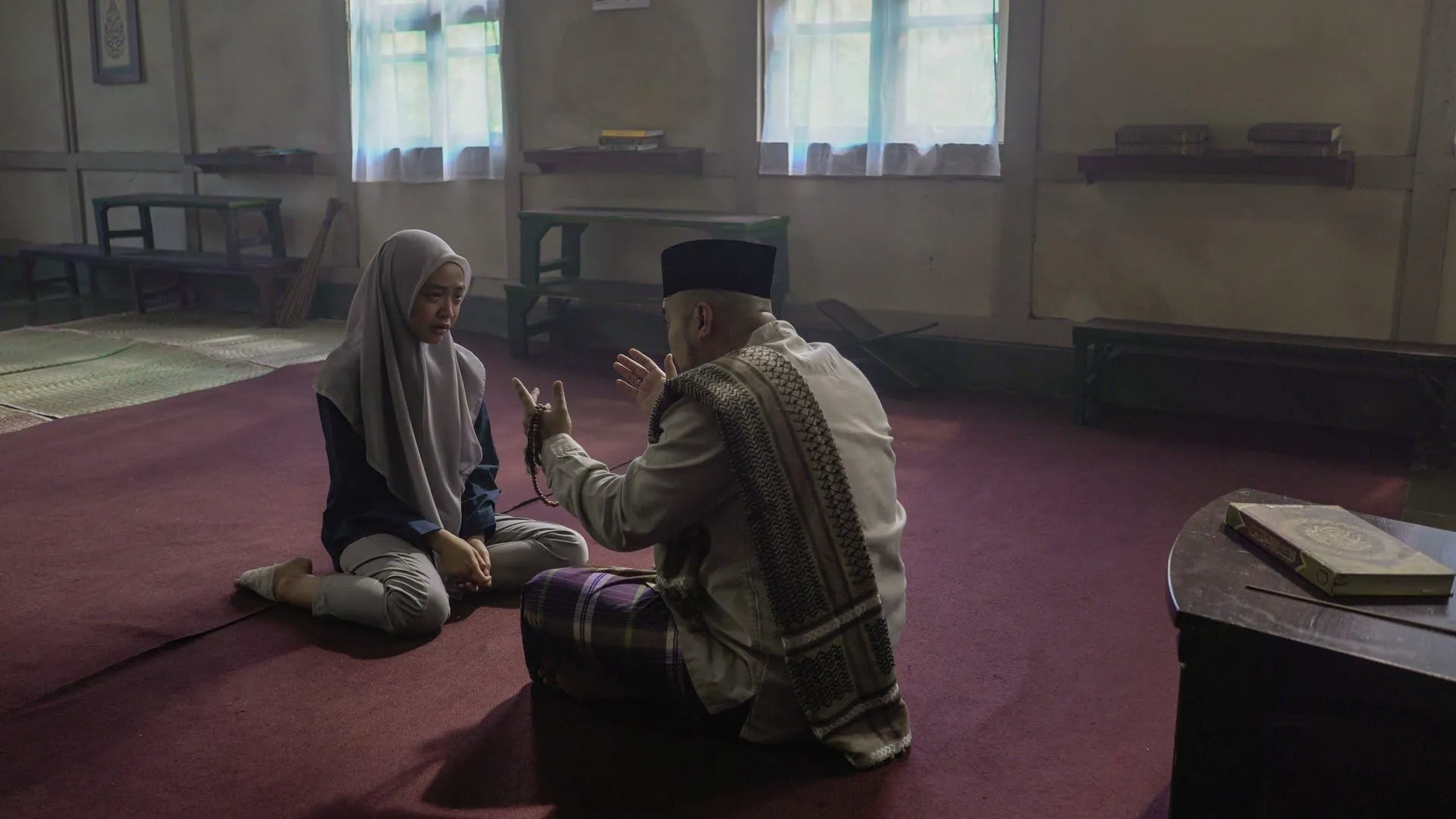
Her Islamic faith is presented not as a simple platitude but as a tangible shield, a source of active fortitude. Her struggle is not just to survive the horrific events but to maintain her convictions in the face of an evil that defies explanation. This creates the story’s core thematic conflict: a battle between Yuli’s earthbound, bloody revenge and Tika’s disciplined, spiritual piety. It’s a conflict not of good versus evil in the abstract, but of two different responses to a world of suffering.
A Rushed Reckoning
For all its visceral power and thematic weight, the film’s narrative architecture has clear flaws that prevent it from reaching its full potential. The pacing sputters, particularly in the second act, where scenes of domestic squabbling feel repetitive. These moments do little to deepen character or build tension; they seem to exist merely to mark time between the far more compelling horror sequences.
The script also asks for a generous suspension of disbelief concerning the family’s analytical skills. Yuli’s personality changes overnight, she appears at opportune moments with newfound confidence, yet no one thinks to connect her dramatic transformation with the supernatural nightmare that has simultaneously befallen them. It seems the djinn has cursed the family not only with boils and visions but also with a profound lack of deductive reasoning.
This structural unevenness culminates in a finale that feels entirely too abrupt. After methodically building a dreadful atmosphere for over an hour, the resolution arrives with the speed of a runaway train, leaving little time to process the brutal consequences of Yuli’s choices.
A story so concerned with a spiritual ledger deserved a more thorough accounting in its final pages. By rushing the ending, the film undermines the weight of the preceding events and leaves many of its thematic questions dangling. Yuli’s own transformation, while fascinating, ultimately feels underdeveloped due to this narrative sprint to the finish line.
These stumbles keep the film from greatness, but they do not break it. It remains a potent piece of horror, succeeding on the strength of its chilling atmosphere, committed performances, and an unflinching dedication to its grim spectacle. It is a worthwhile watch for audiences seeking a potent and culturally rich dose of supernatural terror.
Based on Islamic belief, “The Book of Sijjin and Illiyyin” records the deeds of individuals. The former contains records of those who have strayed from the path of righteousness, while the latter notes the actions of the pious and noble. This Indonesian horror film draws on these concepts to tell a story of revenge and black magic, where a family faces terrifying consequences. The film was released in Indonesian cinemas on July 17, 2025.
Full Credits
Director: Hadrah Daeng Ratu
Writers: Lele Laila, Ersan Özer
Producers and Executive Producers: Gope T. Samtani, Sunil G. Samtani, Sunar S. Samtani, Wicky V. Olindo, Lisbeth Simarmata, Futih Aljihadi, Deni Saputra, Sunil Samtani, Priya NK
Cast: Yunita Siregar, Dinda Kanyadewi, Tarra Budiman, Djenar Maesa Ayu, Kawai Labiba, Sulthan Hamonangan, David Chalik, Septian Dwi Cahyo
Director of Photography (Cinematographer): Hani Pradigya
Editors: Wawan I. Wibowo
Composer: Andre Harihandoyo, Rahadian Winursito
The Review
The Book Of Sijjin And Illiyyin
While its narrative stumbles with a rushed ending and questionable logic, The Book Of Sijjin And Illiyyin is a potent and memorable piece of Indonesian horror. It succeeds on the strength of its suffocating atmosphere, unflinchingly graphic gore, and a compelling lead performance that captures the tragedy of vengeance. It’s a viciously effective spectacle, even if its storytelling doesn't quite stick the landing.
PROS
- A deeply unsettling and immersive atmosphere.
- Strong, layered performances, especially from the lead.
- Visceral and creative practical horror effects.
- A compelling thematic conflict between revenge and faith.
CONS
- Uneven pacing and repetitive narrative beats.
- A rushed and narratively unsatisfying conclusion.
- Lapses in character logic strain credibility.
- Key character arcs feel underdeveloped due to the fast pace.