

























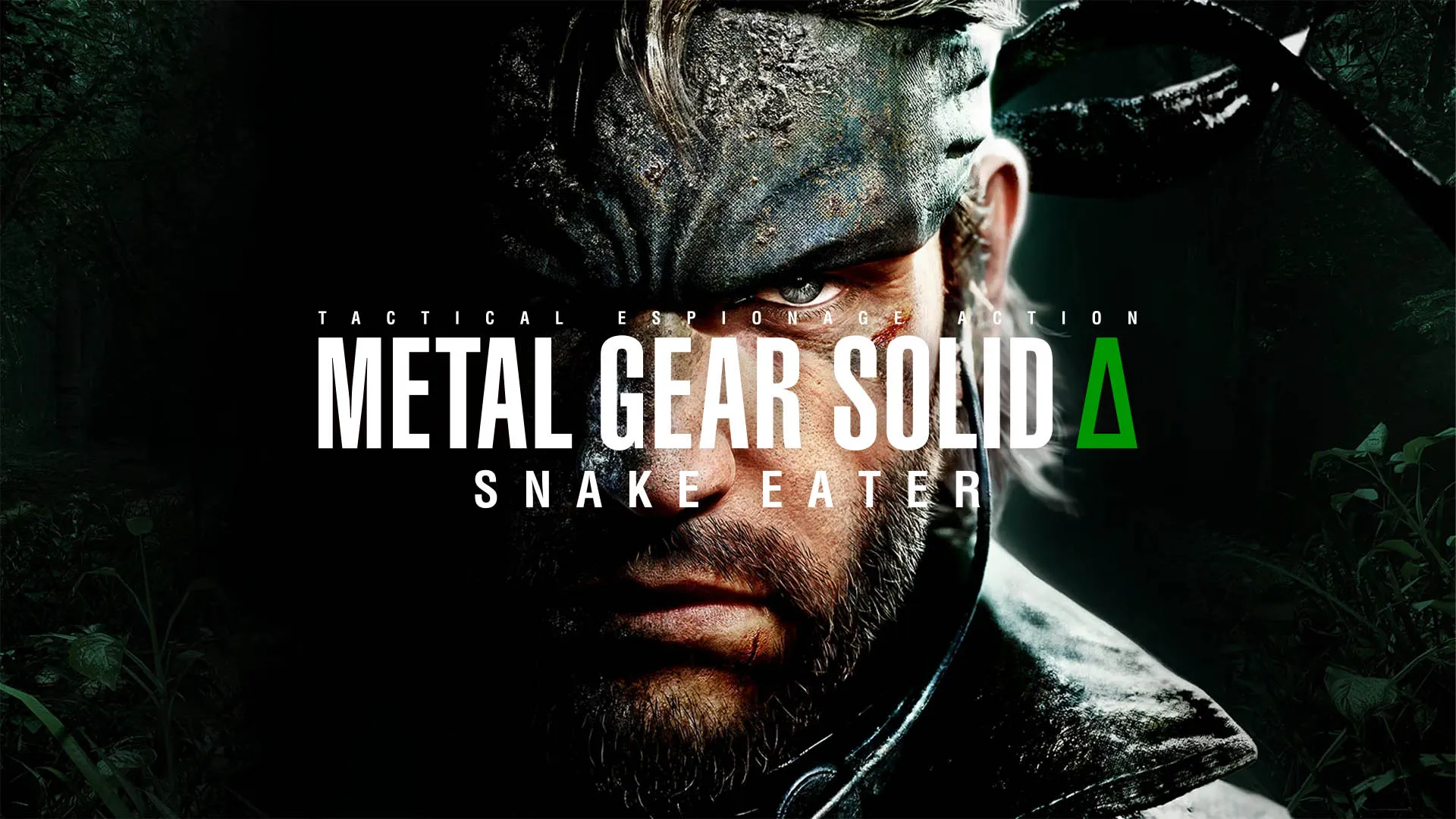

Remaking a title as foundational as Metal Gear Solid 3: Snake Eater is a delicate operation. The 2004 original set a benchmark for the stealth-action genre, blending cinematic storytelling with deep, systems-driven gameplay.
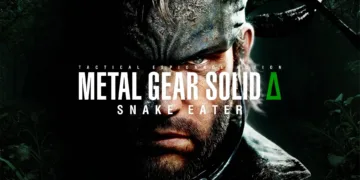
METAL GEAR SOLID Δ: SNAKE EATER returns players to that game’s theater of operations: a sweltering Soviet jungle during the 1960s Cold War. Here, a lone operative codenamed Naked Snake is sent on a mission of grave importance.
His primary objectives are to rescue a defecting scientist, prevent the completion of a devastating nuclear weapon, and eliminate his former mentor, the legendary soldier known as The Boss, following her shocking betrayal. The mission is a mix of high-stakes espionage and a deeply personal conflict, exploring themes of loyalty, ideology, and the bond between a master and an apprentice.
Tactical Espionage Overhaul
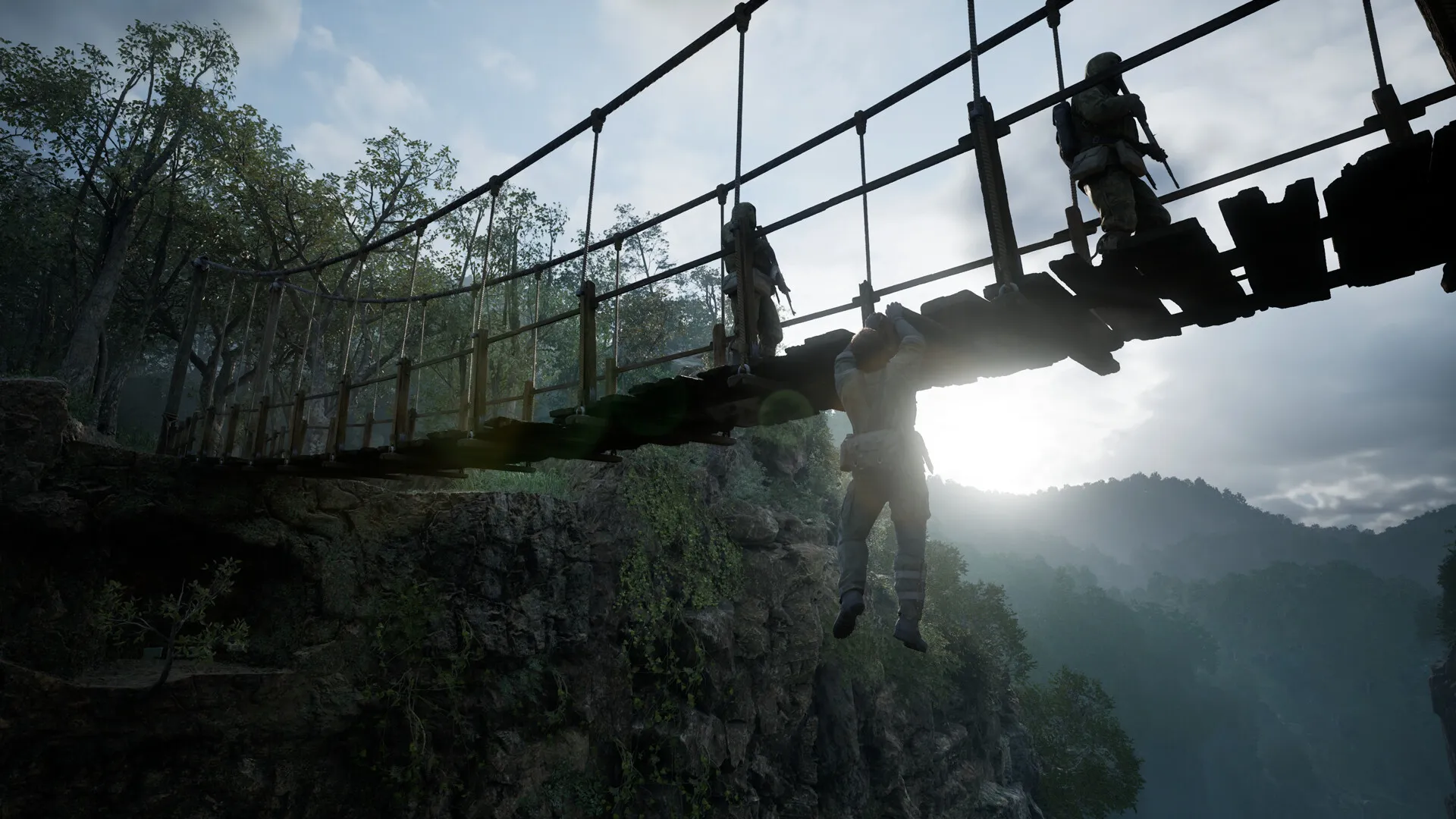
The game’s most immediate change is its visual reconstruction in Unreal Engine 5. This is far more than a simple resolution bump; the entire environment has been rebuilt with a density that transforms the player’s relationship with it. Individual leaves and blades of grass part as Snake crawls, providing a clear visual indicator of his movement to both the player and watchful enemies.
The thick undergrowth now serves as genuine concealment, its shadows offering pockets of safety. Mud realistically cakes onto Snake’s uniform after a low crawl, a detail that can subtly affect his camouflage index until he wades through a river to wash it clean.
A dynamic weather system further deepens the simulation. A sudden downpour can muffle the sound of Snake’s footsteps, making a risky sprint across an open area a viable tactic. Conversely, a flash of lightning can momentarily betray his position, creating a new and unpredictable risk.
Also Read






Character models have been rebuilt from the ground up with a focus on heightened realism. The detailed textures on uniforms and skin add a new weight to every scene, grounding the characters in the harsh environment. This approach, however, sometimes brushes against the uncanny valley.
Faces originally designed with 2004’s stylized proportions can appear doll-like when rendered with photorealistic skin and eyes, creating a subtle disconnect. For the bizarre Cobra Unit bosses, this hyper-realism works in the game’s favor. The visceral detail on The Pain’s hornet-covered body or The End’s ancient, wrinkled skin amplifies their strange and unsettling presence.
Konami made the critical choice to use the original 2004 voice recordings. This anchors the remake firmly to its source, as the familiar cadence of David Hayter’s voice is a powerful nostalgic trigger. It also highlights the difference in recording quality compared to modern standards.
The slight audio compression is a constant reminder that this is a preserved performance, a ghost from another era. The retention of the classic musical score and sound effects is equally important, ensuring the game’s unique atmosphere remains perfectly intact.
The Art of Survival
The foundational gameplay loop of Snake Eater remains expertly preserved, a testament to its timeless design. Success is built upon the pillars of stealth, primarily the Camouflage System and Close-Quarters Combat. The camo index is a direct, numerical representation of the player’s choices.

Selecting the “Leaf” uniform in a grassy field might yield a 90% index, but moving onto a patch of bare earth will see that number plummet, forcing a quick menu change. This creates a satisfying rhythm of observation, assessment, and action that defines the infiltration experience. Getting close to an enemy opens the CQC system, a branching path of tactical decisions.
A quick knife attack is efficient but leaves a body. A chokehold is silent and non-lethal but takes precious time. Interrogating a soldier can yield valuable intel, such as patrol routes or item locations. Each choice has immediate consequences that shape the next few moments of gameplay.
These core mechanics are supported by interconnected survival systems that tie the player directly to the harshness of the jungle. A low Stamina gauge is not just a number; it manifests as a pronounced weapon sway that makes precision aiming nearly impossible. It must be replenished by hunting the local wildlife, turning every snake, bird, and frog into a potential resource.
The Cure system is a moment of deliberate vulnerability. Being forced to stop in a hostile area to dig a bullet out of your arm with a knife is a tense, calculated risk. It deepens the player’s connection to Snake’s physical state in a way few games attempt. The game’s classic arsenal handles well in the new engine, with each weapon feeling distinct. The M1911A1 pistol has a satisfying kick, while the suppressed Mk22 feels appropriately subtle.
A small but significant balance change to the Mk22 tranquilizer gun, which now has a much shorter effective range, discourages long-range, risk-free stealth. This design choice pushes players to engage more intimately with the CQC and close-range infiltration systems, reinforcing the core design of the original.
Old Dog, New Tricks
The single greatest modernization in Delta is the “New Style” control scheme. This option reframes the game with a contemporary third-person, over-the-shoulder camera, making combat and exploration immediately intuitive.
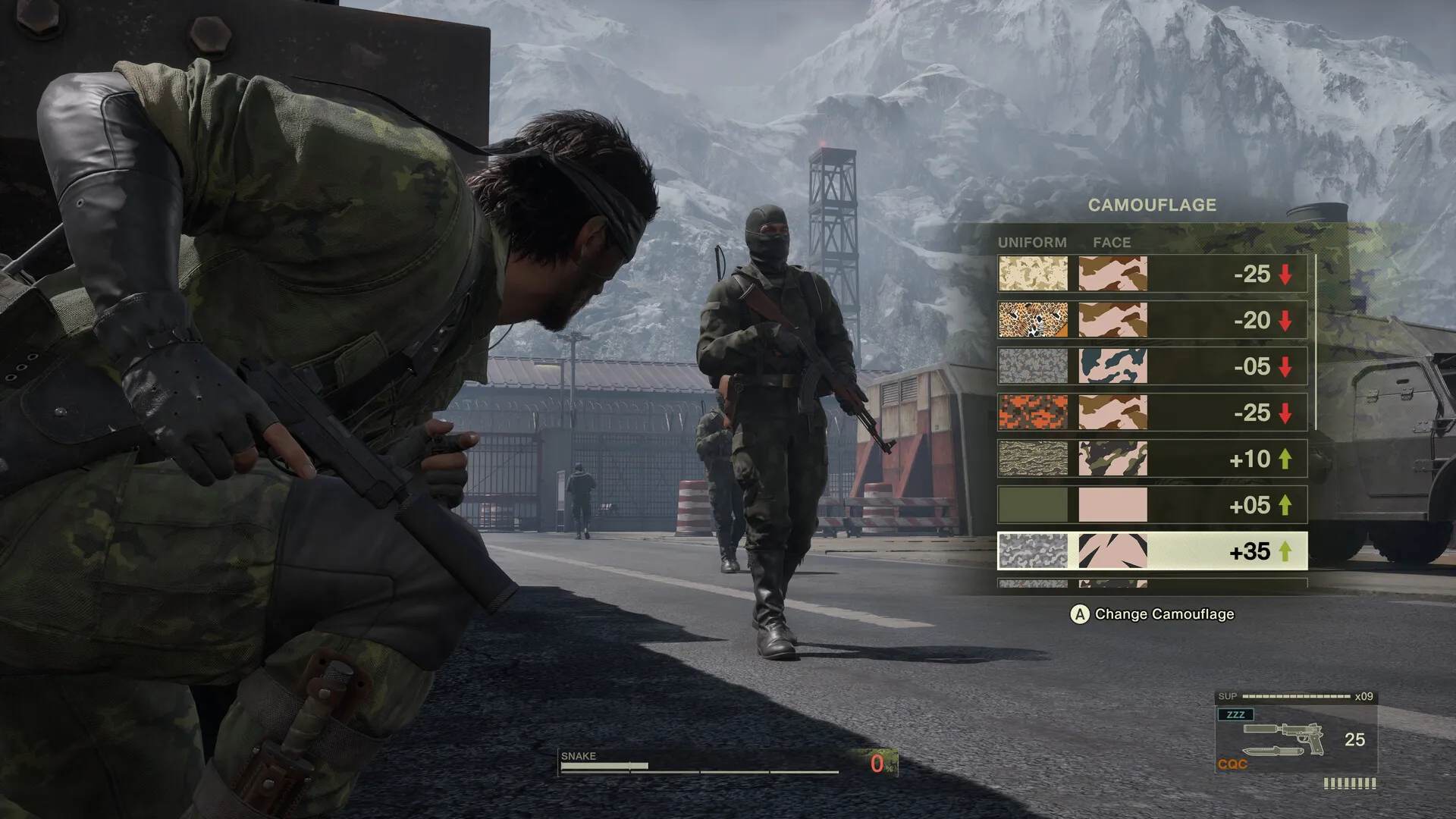
The camera sticks closely behind Snake, allowing players to peek around corners and plan their movements with a level of environmental awareness the original’s top-down perspective could never offer. This fundamental shift turns every encounter from a puzzle of predicting enemy sightlines into a more reactive, organic stealth challenge. The improved fluidity in aiming, shooting, and moving removes what was arguably the biggest barrier of entry for new players attempting to play the original today.
The user interface has seen a similar, massive quality-of-life improvement. New D-pad shortcuts allow for instant access to menus for changing camouflage, selecting items, and using the Cure system. The ability to switch to the “Tiger Stripe” camo, equip a grenade, and then apply a suture to a deep cut, all without leaving the main game screen, is transformative.
It turns what were once cumbersome administrative tasks into fluid parts of the gameplay, keeping the player immersed in the moment-to-moment action. This mechanical refresh exists in an interesting tension with the game’s original level structure. The remake faithfully preserves the segmented map design of the PlayStation 2, where the world is composed of smaller areas linked by brief loading screens. While archaic, this design serves a purpose.
Each area functions as a self-contained stealth puzzle with clear boundaries, creating a very deliberate pacing. The downside is a loss of immersion. Knowing you can escape an “Alert” phase simply by running to the next screen undercuts the feeling of being a lone operative deep in enemy territory. For players who want the original experience in full, a “Legacy Style” control option is available to replicate the classic camera and controls.
Ghosts of the Jungle
The boss encounters in Snake Eater are legendary, and the remake’s technical upgrades make these battles more spectacular and strategically interesting. The claustrophobic firefight against The Fury becomes a terrifying display of dynamic lighting, his flamethrower casting long, dancing shadows that both reveal and conceal pathways in the tight corridors.
The battle with The Fear, an invisible, crossbow-wielding assailant, is intensified by the new engine. Players can now spot his faint shimmer against the dense foliage or track the raindrops that briefly outline his form, turning a gimmick into a more readable tactical challenge. The visual detail given to The Pain’s swarming hornets and The Ocelot’s flashy gunplay makes these fights more memorable than ever.
The centerpiece of these encounters remains the duel with The End. This battle is a masterclass in patient, systems-driven gameplay. Set across several large maps, it tasks the player with hunting an ancient sniper in a slow-paced battle of wits.
It is a design that respects the player’s intelligence. The game provides multiple tools, from thermal goggles to a directional microphone, but the core challenge is about using the environment as your primary source of information. The player learns to read the signs of the jungle: a startled bird might signal his movement, a spent cartridge could reveal a recent firing position. The emotional climax of the game is the final fight against The Boss.
This confrontation is pure narrative expressed through gameplay mechanics. Set in a field of white flowers against a ten-minute time limit, the fight strips away gadgets and focuses almost entirely on the CQC system she taught Snake. Every throw and counter is a piece of dialogue, a physical manifestation of their shared history. It is a brilliant fusion of gameplay and narrative urgency, a final, tragic lesson that must be completed.
A Soldier’s Allegiance
The narrative of Snake Eater is centered on the complex, tragic relationship between Naked Snake and The Boss. Its simple premise of a soldier ordered to kill his former commander is layered with powerful themes of patriotism, duty, and the nature of sacrifice. Much of the story’s weight comes from what is left unsaid between them.
Their radio conversations are filled with cryptic advice and philosophical musings that only make sense in the game’s final, revelatory hours. The narrative requires the player to piece together their history and motivations, which makes the ultimate truth of the mission more impactful.
This serious spy thriller is set against a backdrop of delightful absurdity. The game’s unique tone confidently mixes grave political maneuvering with moments of extreme camp and surrealism. One moment, Snake is discussing the intricacies of nuclear deterrence; the next, he is receiving advice on how to properly cook a captured rat from his support team.
The game features a man who shoots bees from his mouth and another who is a ghost in an astronaut suit. This tonal dissonance is not a flaw; it is the series’ defining characteristic, a rejection of gritty realism in favor of something more creative and memorable. As a product of its time, some elements of the script have not aged gracefully.
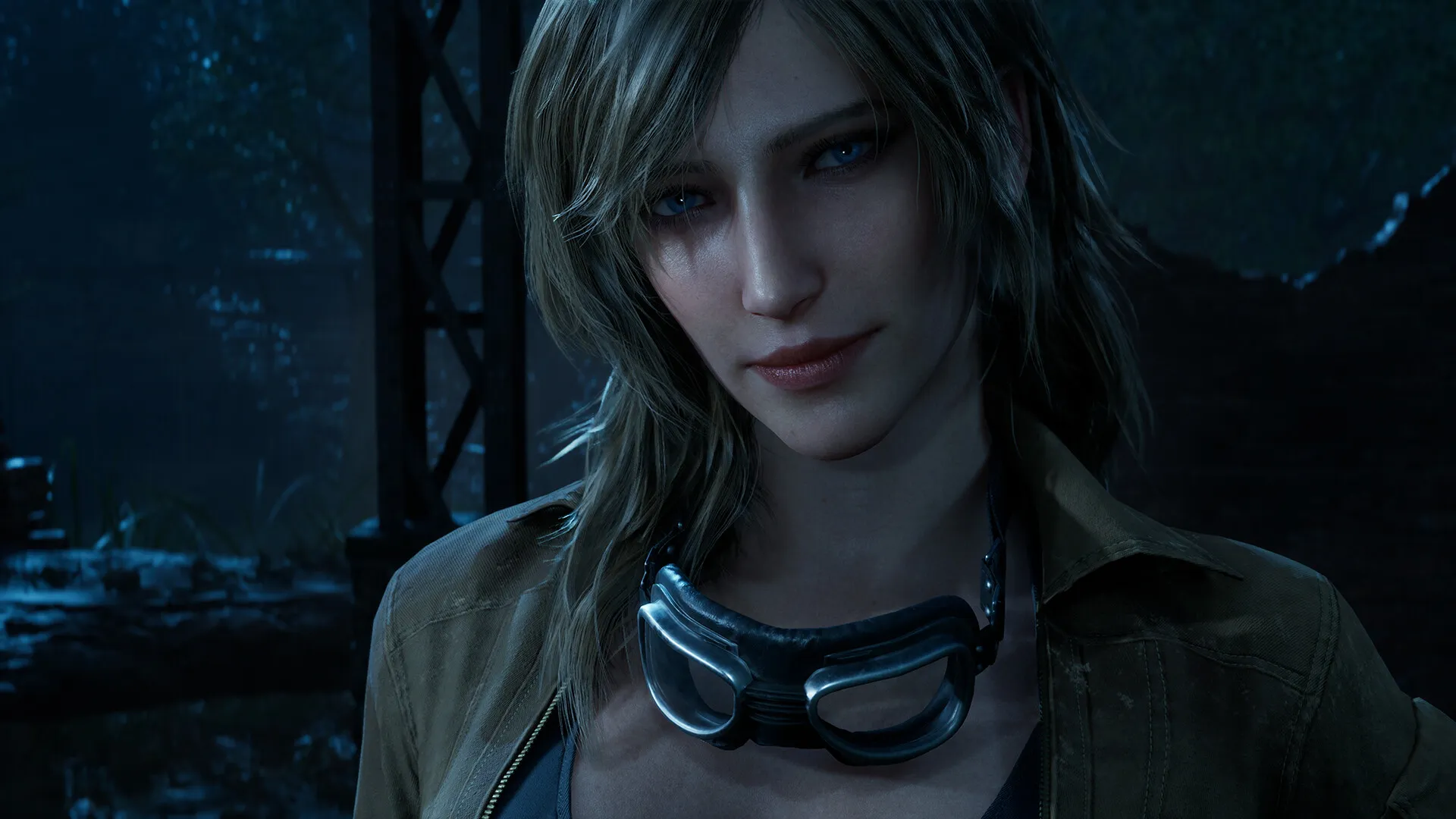
The camera’s tendency to linger on Eva’s unzipped suit, or the crude humor surrounding certain characters, are artifacts of a different design era. Viewed through a modern lens, these moments can disrupt the otherwise compelling characterizations and create a sense of tonal whiplash that feels less intentional than it might have in 2004.
Virtuous Mission
Beyond the main story, the jungle is filled with secrets that encourage multiple playthroughs. The true replay value comes from mastering its systems. A first playthrough might be a messy, lethal affair. A second could be a pure stealth, no-kill run, requiring a completely different approach to every single encounter.

The hunt for the 64 Kerotan frogs and 64 GA-KO ducks encourages meticulous exploration of every corner of the map, revealing hidden details and pathways players likely missed the first time. Bonus modes like Snake vs. Monkey offer a lighthearted diversion, a comical break from the main story’s heavy tone. As a piece of preservation, Delta is a triumph, making one of gaming’s most important titles accessible without sacrificing its soul.
It successfully translates complex, older mechanics into a fluid, enjoyable experience. This release stands as the definitive way for newcomers to understand the legend of Big Boss and offers veterans a stunningly realized version of a world they know so well, proving that a masterpiece, with the right care, is timeless.
The Review
METAL GEAR SOLID Δ: SNAKE EATER
METAL GEAR SOLID Δ: SNAKE EATER is an exceptional remake, modernizing a classic with a transformative control scheme and a stunning visual overhaul. Its deep stealth and survival systems are more accessible than ever. While its faithful adherence to the original's segmented level design feels dated, this is unequivocally the definitive way to experience one of the greatest games ever made. It is an essential playthrough for both newcomers and veterans.
PROS
- Breathtaking visual and environmental overhaul in Unreal Engine 5.
- Modernized "New Style" controls make the gameplay fluid and accessible.
- Streamlined user interface and quality-of-life features reduce friction.
- Faithfully preserves the original's brilliant story, boss fights, and deep mechanics.
- Retention of the original voice cast and score maintains the classic atmosphere.
CONS
- Segmented level design is a relic of its era and feels restrictive.
- Some narrative elements and character portrayals have not aged well.
- Hyper-realistic graphics occasionally create an "uncanny valley" effect with character models.