


























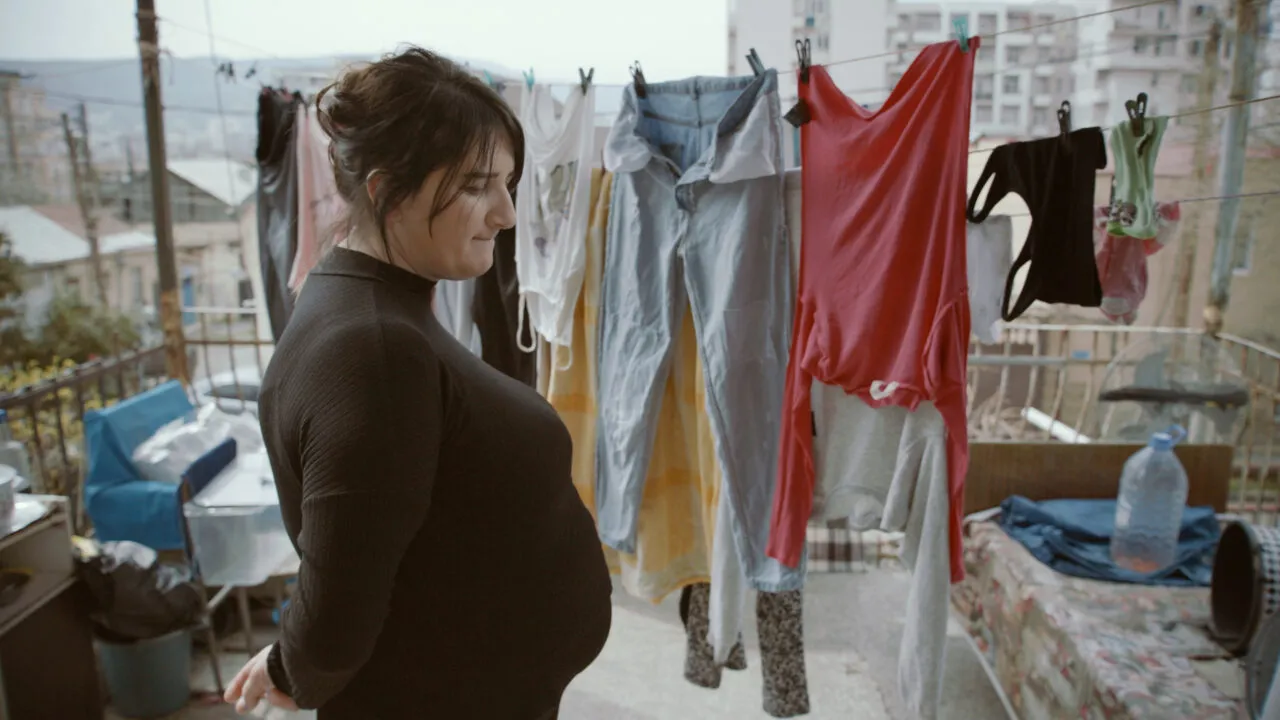

A mother and daughter wash each other’s hair, the simple act a small ritual of care against the chill of their Tbilisi apartment. This moment of quiet tenderness is the anchor of Ketevan Vashagashvili’s documentary 9-Month Contract, a film that charts a harrowing course through the landscape of maternal sacrifice.
It introduces us to Zhana, a single mother who grew up in an orphanage, and her teenage daughter, Elene. To give Elene a future, Zhana engages in commercial surrogacy, a transaction that pays $14,000 but extracts a steep price from her body. Now on her fourth caesarean section, her health is failing.
The film places the audience inside this desperate bargain, where a mother’s body becomes the sole asset available to fund her daughter’s escape from a life of poverty. The choice is stark, and its consequences ripple through every frame of their shared existence.
A Devotion That Constricts
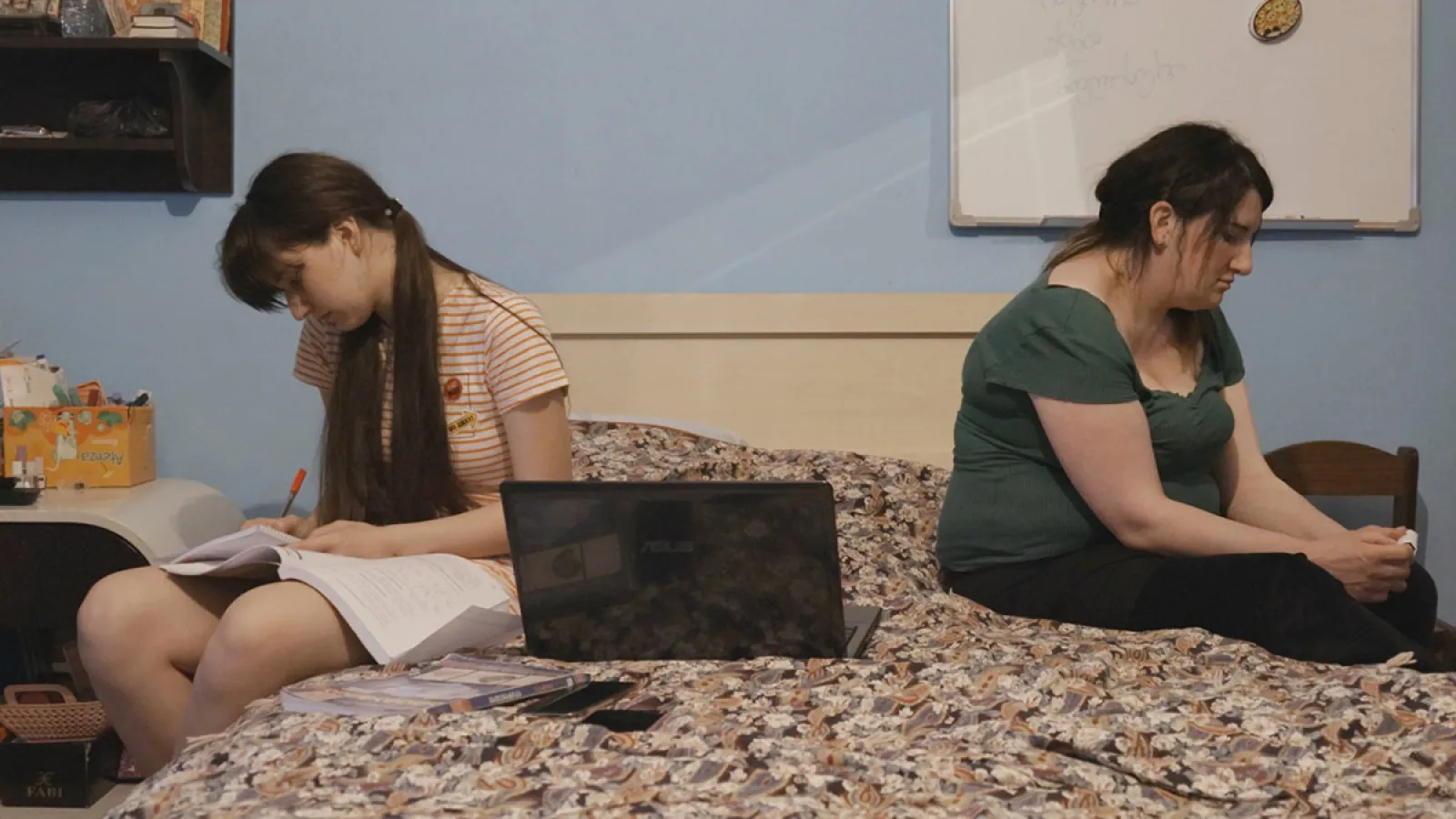
The love between Zhana and Elene is the film’s undeniable emotional core, visible in shared gestures of profound intimacy. They curl up together for the night and find brief moments of joy playing in the snow, these scenes rendered with a lyrical quality that establishes the life Zhana is fighting to preserve. Yet this devotion is shadowed by a persistent and painful psychological weight.

Zhana’s constant refrain, “I’m only doing this for you,” is whispered tearfully in hospital rooms and spoken with quiet desperation in their small home. The statement functions as both a declaration of love and a heavy mantle placed upon her daughter’s shoulders. Elene, a brilliant and diligent student, absorbs this sacrifice into her very being, feeling an immense pressure to fulfill her mother’s singular, vicarious ambition for her to become a judge.
The camera is exceptionally perceptive in these moments, capturing the flicker of quiet suffering and mature resignation in Elene’s eyes, a subtle reaction her mother, consumed by her own stress, often overlooks. The secrecy surrounding the surrogacy, a truth hidden from neighbors and Elene herself, introduces a corrosive silence that complicates their bond. One is left to question the nature of this sacrifice; it is an act of profound love, certainly, but it also appears to be a form of survival that makes their relationship both a sanctuary and a cage.
An Unregulated Economy of the Body
Zhana’s personal struggle serves as a stark microcosm of a perilous and unregulated industry. 9-Month Contract depicts Georgia’s commercial surrogacy business as a frontier where women’s bodies are commodified with little legal or medical oversight. The film details the systemic neglect and outright exploitation Zhana endures through hushed, anxious phone conversations and scenes of medical distress.
She faces an agency that is indifferent to her failing health and a surrogate father who threatens her when complications arise, demanding she flout the law to release the baby from the hospital. Her attempts to fight back, enlisting a human rights organization for a legal challenge, reveal a solitary figure pushing against an impassive and corrupt system. This battle is compounded by broader societal failures that leave her with no alternatives.
Her application for government housing is denied, a bureaucratic dead end that extinguishes a rare glimmer of hope. The film effectively roots her predicament in a bleak economic reality of low-wage jobs and the rising cost of living, a situation that makes her return to surrogacy feel tragically inevitable. Zhana’s body is not just carrying a child for someone else; it is carrying the full weight of a society that offers few other paths to financial stability or personal dignity.
The Proximity of the Lens
The film’s undeniable power comes from its startling intimacy, a product of the director’s long-term relationship with her subjects. Vashagashvili first filmed Zhana and Elene a decade earlier when they were homeless, a history that grants her camera incredible access. This proximity allows for a portrait of vulnerability and raw emotion that is difficult to turn away from.
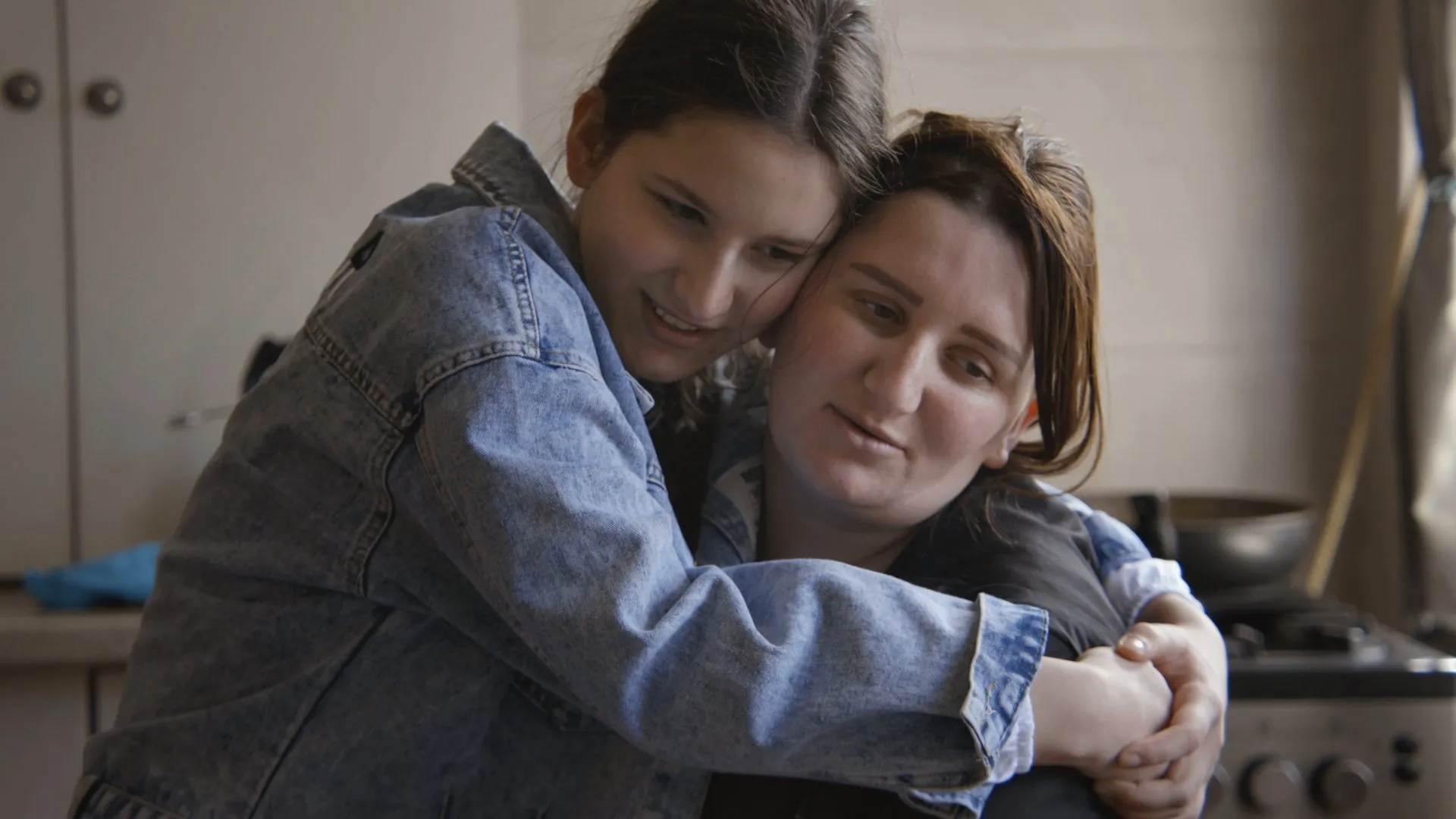
The effect of the close, handheld camerawork is a pressing question the film poses to its audience. It forges a strong empathetic connection to Zhana’s experience, yet at times it verges on the voyeuristic, placing the viewer uncomfortably close to her physical and emotional pain as the lens lingers on her face. This intense focus, however, comes at a cost.
Key events, such as the resolution of her legal case against the agency, happen off-screen, a narrative choice that prioritizes emotional experience over procedural clarity and leaves the viewer with lingering questions. The documentary refrains from including other perspectives from legal experts, agency officials, or other surrogates.
This decision, while maintaining a tight focus, leaves the film’s portrait feeling powerful yet incomplete, turning a systemic issue into a singular, isolated tragedy. The central query remains whether this harrowing personal story is enough to illuminate a complex issue, or if its narrow gaze ultimately obscures the full picture.
9-Month Contract is a documentary film directed by Ketevan Vashagashvili that premiered at the CPH:DOX festival in March 2025. The movie has been screened at various international film festivals, including DOK.fest Munich and the Sarajevo Film Festival, where it was part of the documentary competition.
Full Credits
Director: Ketevan Vashagashvili
Writers: Ketevan Vashagashvili
Producers and Executive Producers: Nino Chichua, Anna Khazaradze, Martichka Bozhilova, Sylvia Nagel
Cast: Ketevan Vashagashvili, Elene Kukhtinovi, Zhana Vakhtangishvili
Director of Photography (Cinematographer): Giviko Tukhareli, Ketevan Vashagashvili
Editors: Veronica Scotti, Bernadett Tuza-Ritter
Composer: Kalin Nikolov
The Review
9-Month Contract
9-Month Contract is a deeply moving and intimate documentary that succeeds as a harrowing portrait of one woman’s desperate fight for her daughter’s future. Its power lies in the unfiltered access to its subjects' lives. However, the film's tight focus on personal suffering comes at the expense of a wider examination of the systemic issues at play, leaving its potent emotional impact feeling somewhat incomplete. The result is a memorable yet frustrating viewing experience.
PROS
- Offers a raw and intimate look into the lives of its subjects.
- Powerfully captures the complex emotional bond between a mother and daughter.
- Features compelling and emotionally resonant moments.
- Effectively highlights the human cost of economic desperation.
CONS
- Lacks a broader analysis of the surrogacy industry in Georgia.
- Avoids including expert opinions or other perspectives, which limits its scope.
- Some key narrative threads are left unresolved.
- The intensely close camerawork can feel intrusive at times.