























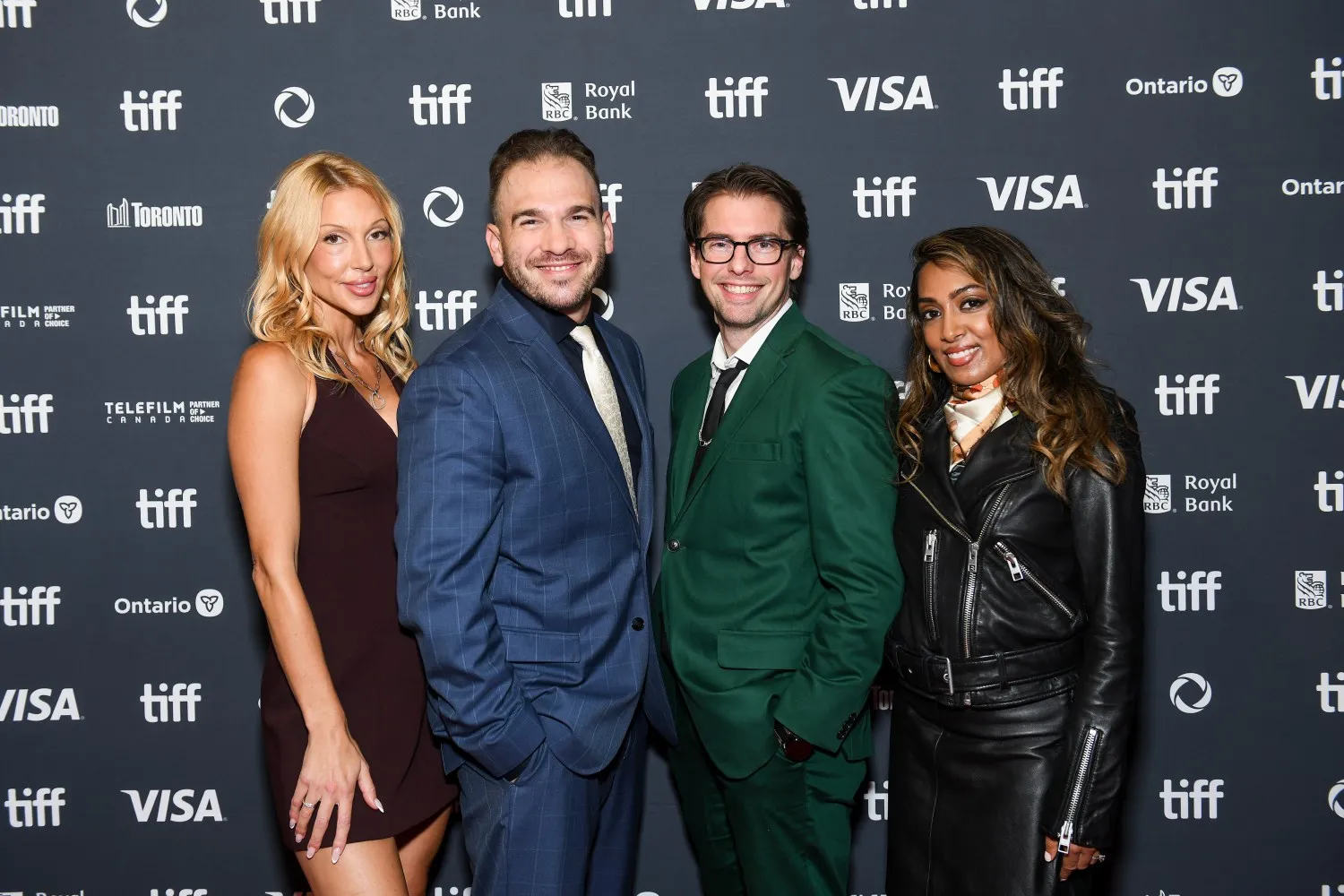

The long-running Canadian teen drama Degrassi marked another milestone in Toronto on September 13 as “Degrassi: Whatever It Takes” premiered at the Toronto International Film Festival, drawing an on- and off-screen reunion of alumni after a brief legal dispute earlier in the week was resolved, allowing the screening to proceed as planned.
Directed by Lisa Rideout and produced by WildBrain with Peacock Alley Entertainment, the feature-length documentary revisits four decades of the franchise through new interviews with creators, superfans, and cast across eras, from Stefan Brogren and Amanda Stepto to Miriam McDonald and Aubrey “Drake” Graham. Billed as a candid chronicle of the series’ highs and lows, the film examines how Degrassi portrayed issues facing real teenagers while acknowledging tensions and trade-offs behind the scenes. Ticket demand was strong, with another sold-out TIFF screening set for Sunday.
Early reactions and reporting highlight several revealing passages. McDonald recounts battling an eating disorder during early seasons, a personal struggle that paralleled a storyline on the show. Graham reflects on the “Time Stands Still” school-shooting episode and the moment he learned his character would be paralyzed, describing the read-through as dark and emotionally charged. The film also revisits production decisions that have prompted reflection, including wardrobe choices on the original series that, as one department head concedes, fell back on misguided assumptions about how a Black character should look.
The premiere followed a short-lived court bid by co-creator Linda Schuyler, who filed to halt screenings over concerns that the film could leave viewers with a misleading impression about cast compensation in the earliest years. A joint statement later confirmed the premiere would go ahead, with parties agreeing to add context around compensation in any distribution after the festival. For longtime viewers, the film situates Degrassi’s cultural footprint as a Canadian export that tackled topics like teen pregnancy, identity, and violence while building a multigenerational fan base.