
























![Kingdom Hearts Collection [I-III] Review](https://gazettely.com/wp-content/uploads/2026/10/Kingdom-Hearts-Collection-I-III-1-360x180.webp "Kingdom Hearts Collection [I-III] Review: KHII Holds Steady as Newer Entries Fluctuate 37")



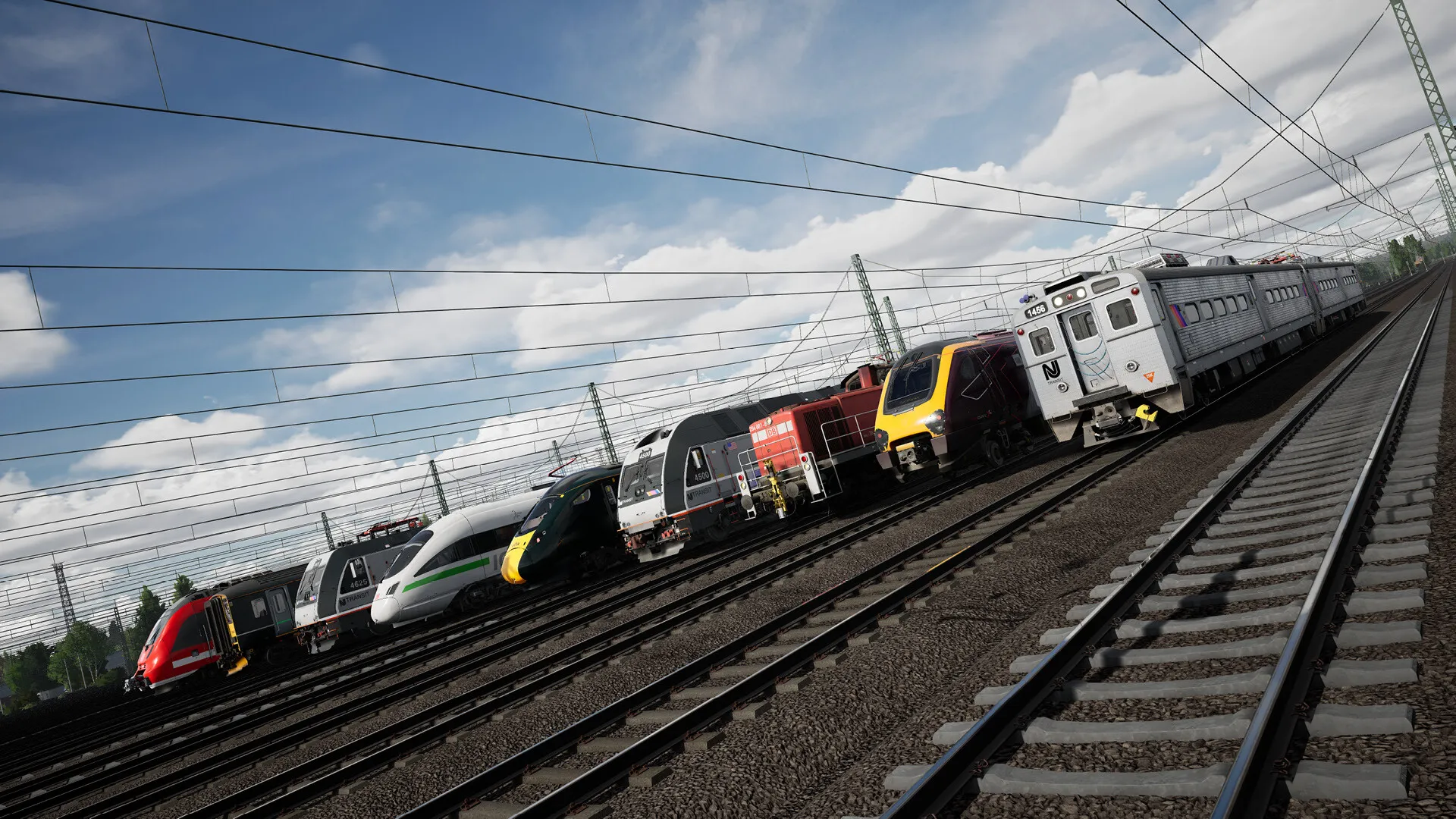

Dovetail Games returns with Train Sim World 6, the latest iteration in their dedicated simulation franchise that has grown steadily since its inception. Launching September 30, 2025 across PC, PlayStation, and Xbox platforms, this release offers three distinct editions: Standard, Deluxe, and Special Edition, with early access for premium buyers.
The game positions itself as an immersive train operation simulator spanning three continents, featuring routes in the UK, USA, and Germany. Built on Unreal Engine 4, it targets both series newcomers and veteran players who have followed the franchise’s evolution from straightforward digital recreations into intricate rail ecosystems. The central appeal lies in realistic train operations enriched by dynamic, unpredictable elements that aim to mirror real-world railway complexity.
An extensive tutorial system eases new players into the simulation’s depths while allowing experienced conductors to jump straight into operations. This entry brings three primary routes: the coastal Riviera Line, the urban Morristown Line, and the high-speed Leipzig-Dresden corridor, each offering distinct operational challenges and scenic variety.
Operating the Iron Horse
Taking control of locomotives in Train Sim World 6 means assuming the role of train driver across electric, diesel, and steam-powered machines, each modeled with careful attention to their real-world counterparts. The learning curve accommodates different skill levels through structured tutorials for beginners while veterans can access free roam mode immediately. The control scheme carries complexity that demands an adaptation period, asking players to master everything from signal systems requiring split-second attention to acceleration and deceleration management while adhering to strict schedules.
The dynamic events system stands as this iteration’s most ambitious feature. Random train faults and malfunctions emerge during operations, forcing players to troubleshoot in real time. Temporary speed restrictions appear without warning, locomotive problems demand immediate response, and delays create ripple effects through schedules that affect subsequent services.
A misconfigured safety system on a German ICE train, for instance, can trigger cascading delays that propagate along the entire route. These elements theoretically ensure no two runs feel identical, creating the kind of unpredictability actual train drivers face daily. The challenge becomes balancing speed against passenger comfort while meeting punctuality targets, a three-way tension that defines the simulation’s puzzle-like quality.
Immersion gets layered through multiple systems working in concert. Live audio announcements use real human recordings rather than synthetic voices, grounding each route in regional authenticity. Station atmospheres come alive with passenger sounds like grumbling, coughing, and sneezing, adding liveliness absent from earlier entries.
Layered schedules create an interconnected rail network where your service exists within a broader transportation ecosystem. Backward compatibility deserves mention here: older Train Sim World content integrates seamlessly with new systems, allowing players who invested in previous routes and trains to carry that content forward. Weather variation affects operations in meaningful ways, while signal interpretation creates problem-solving moments that engage your analytical thinking.
However, the dynamic systems reveal limitations through extended play. Random faults grow predictable over time as the same mechanical issues recur, diminishing the surprise factor these features promise. What begins as exciting unpredictability settles into mechanical repetition, turning genuine surprise into anticipated expectation. Temporary speed limits present an interesting concept but sometimes lack proper track signage to indicate their presence, undermining the realism they’re meant to enhance. These inconsistencies suggest features still finding their footing, ideas with potential that need refinement before achieving the seamless integration the simulation deserves.
Three Routes, Three Stories
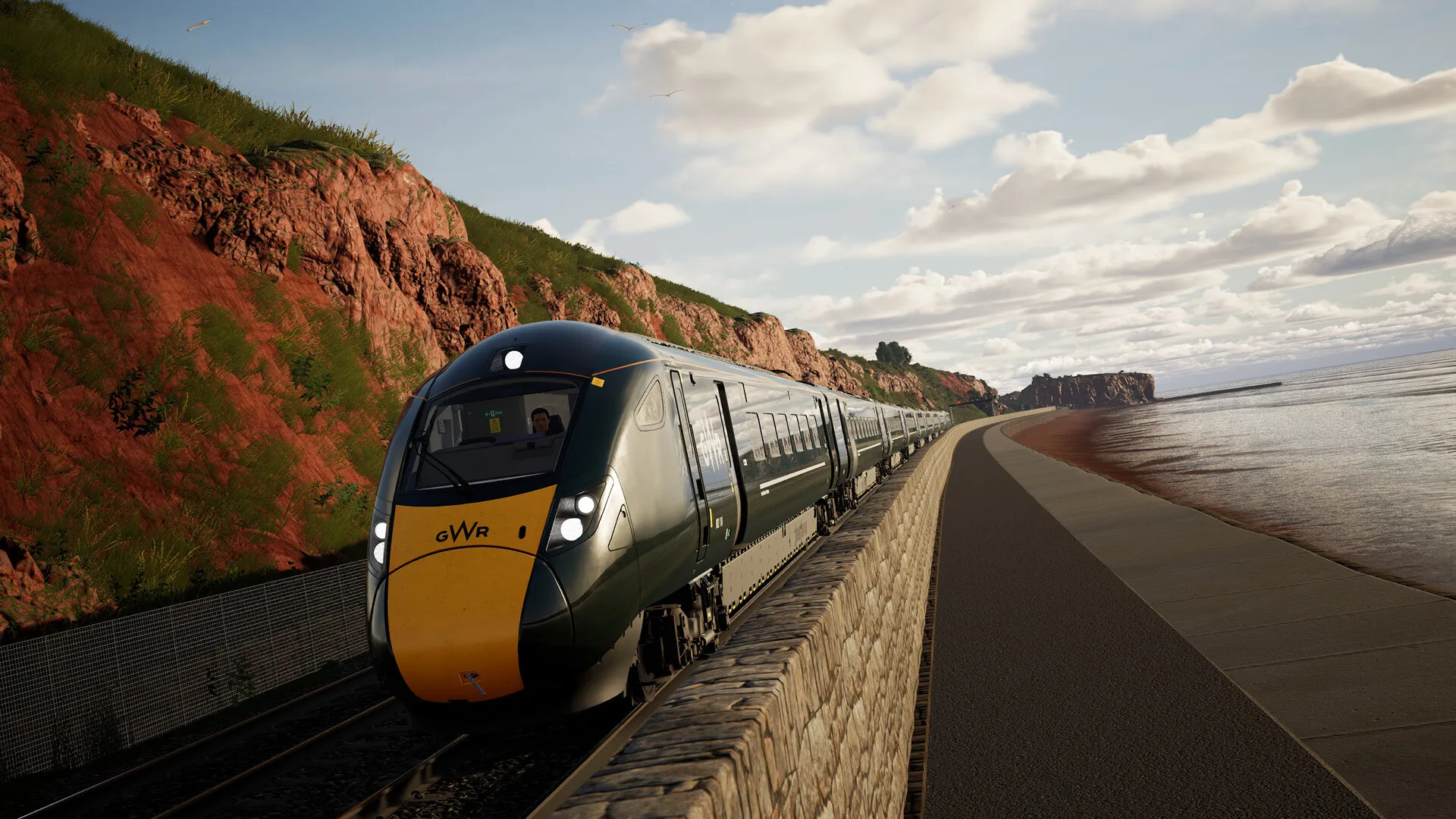
The Riviera Line through Devon represents the standout route in this release. This coastal journey showcases British seaside communities where tourist and local commuter traffic blend against stunning scenic backdrops. Cliffs rise dramatically beside the tracks while water reflections catch the light in ways that create genuinely beautiful moments. The route runs smoothly compared to busier lines elsewhere in the series, benefiting from optimization that lets you appreciate the environment without performance hiccups.
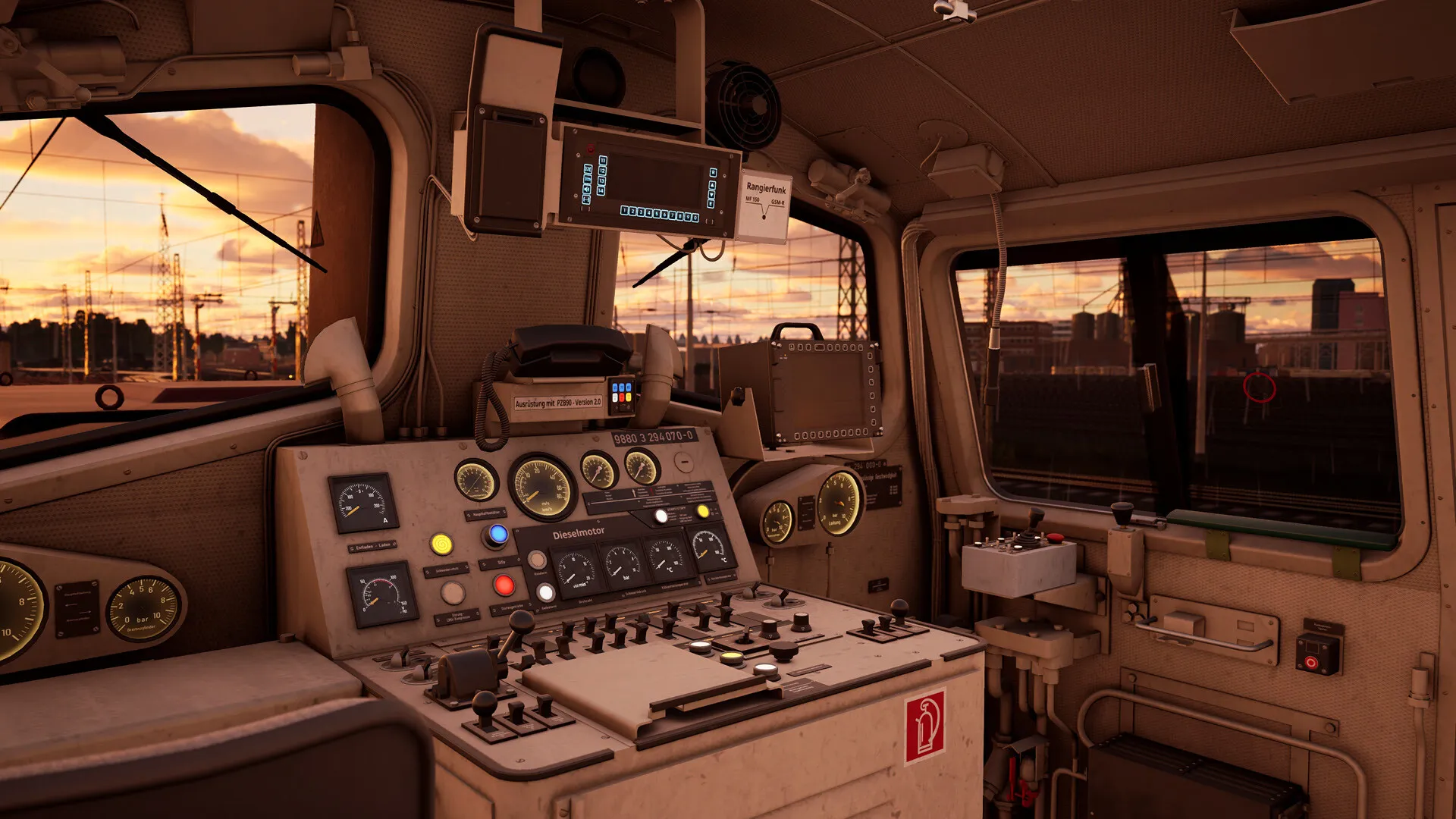
Traffic variation remains decent with proper layering, and the Class 80x proves particularly engaging to drive, while the Class 150/2 and Class 220 Voyager round out the available consists. Environmental detail reaches impressive levels, capturing the character of seaside stations and coastal landscapes with accuracy that evokes real locations. Station accessibility presents minor concerns where some platforms or platform sections remain inaccessible, a corner-cutting choice when measured against the fully explorable London terminals in other routes. Night-time driving adds another dimension, though some players have noted visibility issues during evening runs.
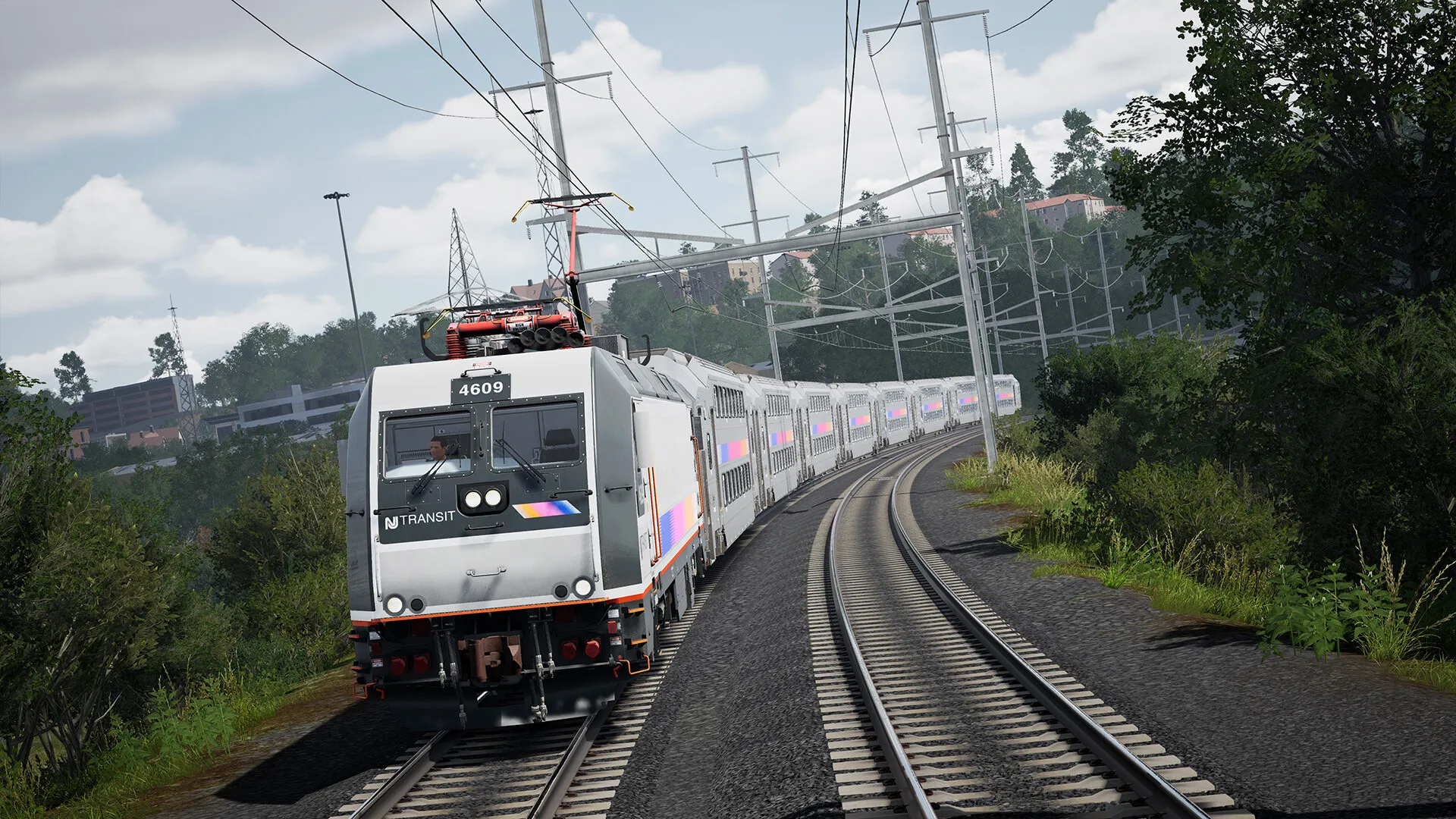
The Morristown Line in New Jersey captures American commuter rail’s particular brand of urgency. Tight scheduling and common delays create authentic rush-hour pressure where seconds matter and passengers expect punctuality despite the system’s inherent fragility. Urban landscapes frame your journey with New York City’s distinctive skyline visible in the distance, establishing a believable suburban-to-urban progression. The Arrow III EMU shines here, its horn echoing through corridors with a resonance that feels distinctly American. The route succeeds at conveying the stressed, time-sensitive nature of U.S. commuter operations where delays become expected yet still problematic.
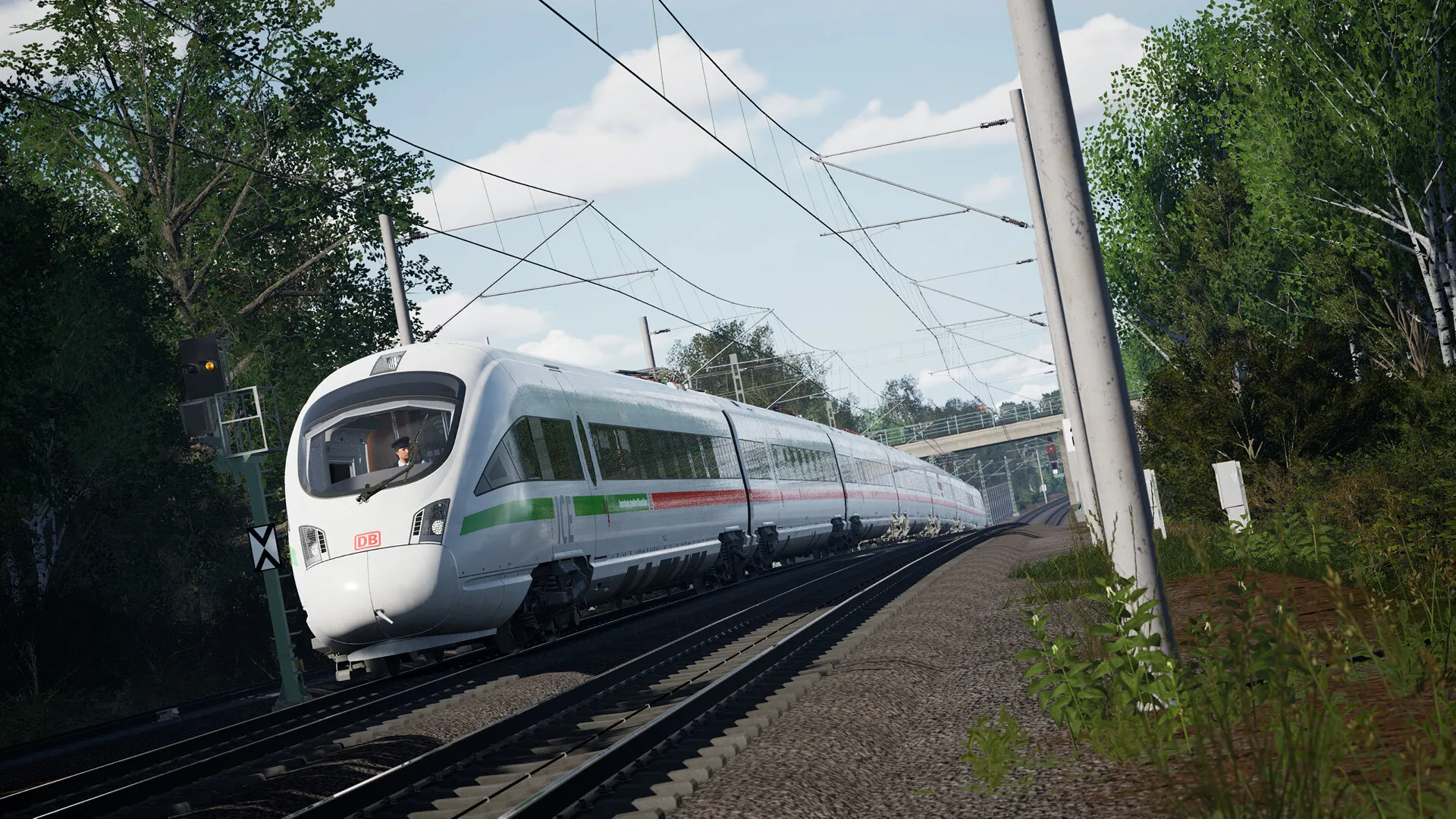
Leipzig-Dresden presents high-speed precision operations alongside regional complexity, showcasing large-scale German rail logistics. The route offers diverse motive power, though most locomotives already appeared in previous games rather than representing fresh additions. Environments shift between dense urban centers and open countryside, providing visual variety throughout longer runs. Performance issues affect this route more than others, following a pattern that has become standard for German routes in recent entries. Managing multiple train types operating at different speeds creates operational complexity that challenges experienced players, though the technical hiccups detract from what should be smooth high-speed running.
Environmental storytelling emerges organically across all three routes. Rather than scripted narratives, the simulation creates stories through realistic daily operations where crowded train yards, signal failures, and safety system mishaps become the drama. Human error and environmental problems form the plot points in these operational tales, giving each service a sense of participating in something larger than a single run.
Visual Presentation and Technical Reality
Train Sim World 6 builds on Unreal Engine 4 rather than making the jump to Unreal Engine 5, a choice that prioritizes stability and polish over revolutionary visual leaps. The approach yields incremental improvements across the board without attempting a complete overhaul. Scenes achieve photorealistic quality during motion, particularly when glancing out cab windows at passing landscapes. Lighting improvements shine during night operations, creating atmosphere that earlier entries struggled to capture.
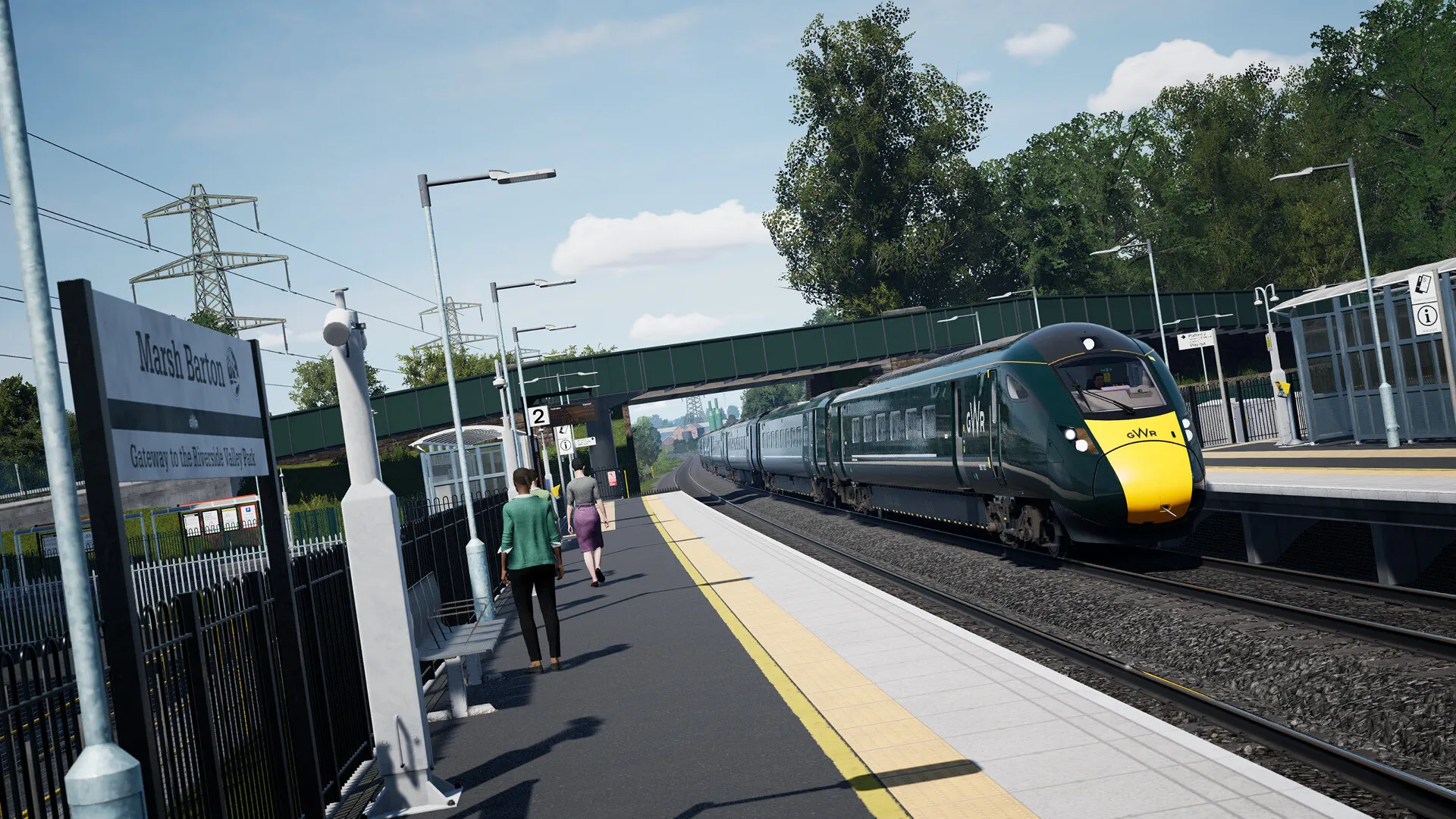
Environmental detail shows thoughtful execution in specific areas. Ballast coloring matches real-world accuracy, overhead gantries receive careful modeling, and plant life exhibits genuine variety rather than repeated assets. The Riviera Line benefits most from this attention, its coastal beauty rendered with care, while Leipzig-Dresden’s varied landscapes shift convincingly between urban density and rural openness. Train exteriors receive careful attention, capturing the distinctive character of each locomotive class. Visual accuracy reaches levels comparable to museum-quality reference material, suggesting Dovetail consulted extensively with railway preservation groups and operators.
Technical issues cloud this otherwise solid presentation. PlayStation 5 players report texture blurring problems that affect visual consistency, creating moments where detail levels fluctuate unexpectedly. Some cab interiors appear dated or flat compared to exterior modeling, lacking the same level of refinement.
Asset pop-in during longer routes breaks immersion as scenery elements suddenly materialize at certain distances. In-game crashes affect a portion of the player base, though not universally, and passenger AI occasionally glitches in ways that remind you this is a simulation rather than reality. The inconsistent visual quality across different elements suggests multiple teams or asset sources that don’t quite mesh into a cohesive whole.
The Sound of Steel on Steel
Audio design represents one of Train Sim World 6’s genuine triumphs. Brake hiss carries authentic texture, metallic rail joint impacts provide satisfying feedback, and track switching produces the distinctive clunking sounds that characterize real railway operations. The wheel-on-rail gliding effect captures the particular timbre of steel moving across steel, a sound familiar to anyone who has stood beside active tracks or visited railway museums. These mechanical sounds ground the experience in physical reality.
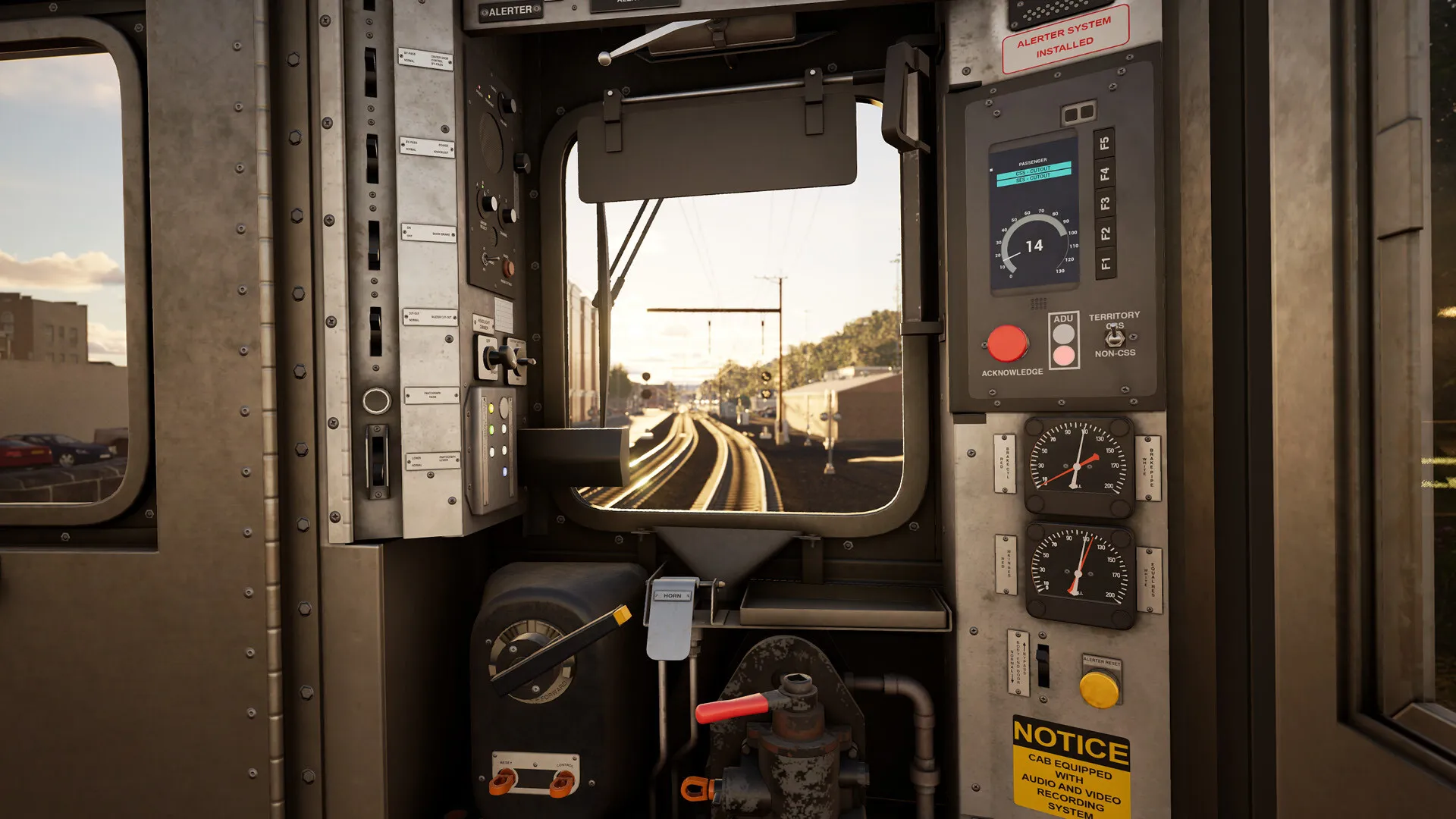
Environmental audio enhances immersion through smart implementation choices. Station announcements use real human voice recordings rather than text-to-speech synthesis, and each route features regionally appropriate voices that anchor you in specific locations. The Arrow III EMU’s horn deserves special mention for how it resonates through urban corridors on the Morristown Line, echoing off buildings with convincing spatial characteristics. Passenger cabin atmosphere comes alive with grumbling, coughing, and conversational murmurs that make the spaces feel inhabited rather than sterile.
Audio inconsistencies prevent this from being uniformly excellent. Certain cabs lack the expected rattle and clank sounds that should accompany movement, creating an eerily smooth experience that feels wrong. The Voyager 220 suffers from repetitive audio loops that become irritating during extended runs, cycling through the same sounds in predictable patterns.
Quality variation between different locomotives reveals diverse source material and implementation approaches, suggesting audio assets came from multiple places without unified quality control. When everything works properly, the soundscape rivals dedicated audio simulations, but those peaks exist alongside valleys that drag the average down.
Progression Through Practice
The XP and leveling system rewards completed runs, accurate timetabling, and successful challenge navigation with experience points that accumulate toward individual locomotive driver levels. This progression carries psychological weight rather than practical gameplay changes, offering pride and continuity without fundamentally altering how you interact with systems.
Mastery rewards include station decals, cab customization options, and access to livery editor tools. The system creates satisfying feedback loops that encourage trying different routes and trains, pushing you beyond comfortable familiarity into varied operational contexts.
The livery editor disappoints as a creative outlet. Despite being tied to progression as a reward for mastery, the implementation feels undercooked and uninspired. Limited tools restrict creative expression, offering basic customization without the depth needed for genuine personalization. This represents a missed opportunity where progression should enable creativity yet fails to deliver meaningful tools. The contrast between XP as incentive and the actual customization capability creates disconnect, promising more than it provides.
Route and train variety encouragement works better. The progression system naturally pushes exploration of different locomotives and lines, building expertise across the game’s full roster rather than allowing specialization in a single area. Long-term engagement benefits from mastery goals that give purpose to continued play beyond simple enjoyment of operations.
Who Should Climb Aboard
The extensive tutorial library provides hours of optional content covering everything from basic operations to train-specific systems. New players can choose their learning path, diving deep into individual locomotive tutorials or grasping basics before jumping into service. This freedom to learn incrementally makes Train Sim World 6 a strong entry point for series newcomers who might otherwise feel overwhelmed by simulation complexity. The game doesn’t demand you complete every tutorial, recognizing that different players need different levels of instruction.
Veteran players benefit from backward compatibility that integrates previous game content into the new ecosystem. Older routes and trains work within updated systems, preserving investments made in earlier entries. New features justify the upgrade for those seeking fresh experiences, though the evolution vs. revolution approach means this feels like refinement rather than reinvention. Familiar control schemes carry forward, maintaining muscle memory built across earlier games.
Character movement while walking around stations and trains feels slightly stiff, though this represents a minor concern given the primary focus on train operation rather than on-foot exploration. The limitation becomes noticeable during inspection walks but rarely affects core gameplay.
Time investment expectations vary by interest level. Casual players can enjoy individual services lasting 20-30 minutes, while dedicated simulationists can spend hours on long-distance routes or building complex schedules. The learning curve demands patience initially but rewards persistence with increasingly intuitive operations. Simulation depth accommodates serious railway enthusiasts without alienating those seeking less intensive experiences, though finding that balance takes conscious effort from players to set appropriate expectations.
Final Station
Train Sim World 6 delivers meaningful evolution within an established framework. The Riviera Line stands as exceptional work, combining scenic beauty with smooth performance and engaging operations. Audio design reaches impressive heights when working properly, creating immersive soundscapes that rival specialized simulations. The dynamic events system adds unpredictability that mirrors real railway operations, even if predictability creeps in through extended play. Backward compatibility respects player investments, and the tutorial system welcomes newcomers without condescending.
Weaknesses prevent this from achieving excellence. Random events grow mechanical rather than organic, their patterns becoming familiar enough to anticipate. The livery editor remains underdeveloped despite progression incentives. PlayStation 5 texture blurring and occasional crashes undermine technical stability. Performance varies significantly between routes, with German lines particularly affected. Features feel partially implemented, showing promise without full realization.
For newcomers wondering if this serves as a good entry point: yes, absolutely. The tutorial system and accessible difficulty scaling accommodate learning while the Riviera Line provides an outstanding first impression. Veterans face a tougher calculation. New content justifies attention, particularly that standout British coastal route, but familiar frustrations persist. This represents sure-footed progress rather than bold reinvention, adding worthwhile features without addressing lingering issues from previous entries.
The simulation achieves authentic railway operation feel through accumulated details and systems working together. When dynamic events, audio design, and route quality align, Train Sim World 6 creates moments of genuine immersion where you forget you’re playing a game. Those peaks occur regularly enough to recommend the experience, though valleys between them remind you this remains a work in progress.
The Review
Train Sim World 6
Train Sim World 6 refines the simulation formula with standout route design, particularly the gorgeous Riviera Line, and exceptional audio work that brings railway operations to life. Dynamic events add welcome unpredictability, though they grow predictable over time. Technical issues on PS5, an underdeveloped livery editor, and performance inconsistencies prevent this from reaching its full potential. For newcomers, it's an excellent starting point. Veterans will find enough new content to warrant attention, even if familiar problems persist.
PROS
- Riviera Line offers stunning scenery and engaging operations
- Exceptional audio design with authentic mechanical sounds and real voice recordings
- Extensive tutorial system welcomes newcomers effectively
- Dynamic events create unique, unpredictable runs
- Backward compatibility preserves previous content investments
- Three distinct routes across different continents provide variety
CONS
- Random events become predictable and mechanical over time
- Livery editor feels undercooked and uninspired
- PlayStation 5 texture blurring and occasional crashes
- Performance issues on German routes
- Some cab interiors lack expected audio detail
- Temporary speed limits sometimes lack proper signage







