
















I Am Frankelda, the feature film debut from the Ambriz Brothers, Arturo and Roy, marks Mexico’s first stop-motion animated feature. Built from years of work at the Cinema Fantasma studio, this independent dark fantasy announces a confident cross-cultural identity from its opening passages.
Francisca Imelda lives in 19th-century Mexico, a young writer whose horrific stories face censorship under a patriarchal order. Her inner conflict takes form when she is carried to the Realm of the Spooks, Topus Terrentus, a parallel dimension populated by her creations.
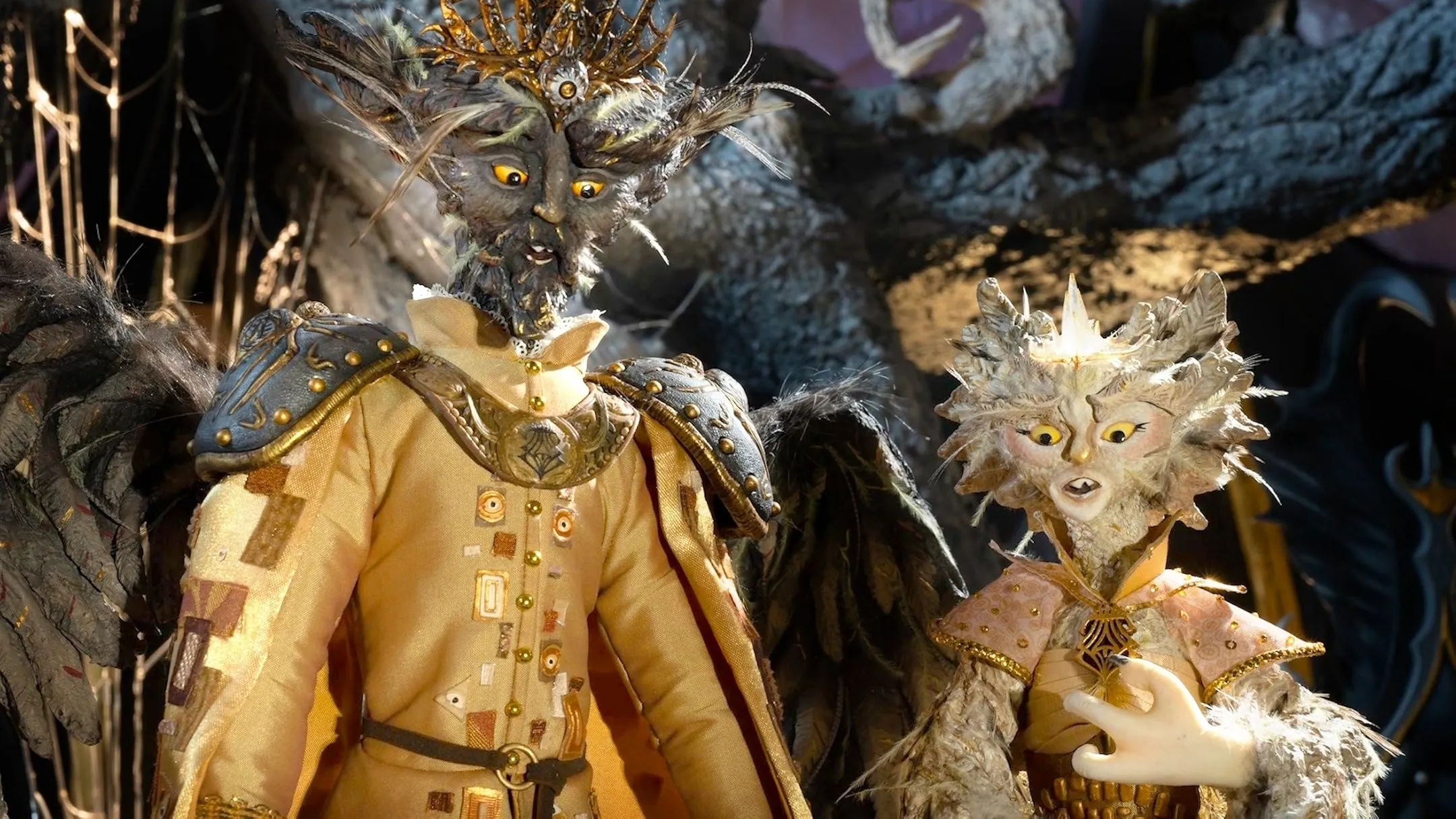
She adopts the pen name Frankelda and receives a charge from Prince Herneval to revive the current of human fear that sustains his kingdom, a flow obstructed by the ambitions of the Royal Nightmarer, Procustes. Gothic horror, dark fantasy, and musical spectacle converge through a distinctive stop-motion grammar, framing a study of creativity and control.
Artisanal Aesthetics and Cultural Texture
The film’s visual craft functions as storytelling. The animation favors a tangible, handmade sensibility over polished uniformity. Textures register in every frame, and the patient labor behind the movement remains visible. This approach honors craft traditions and plants a clear cultural signature on the global animation map. The achievement signals a meaningful advance for Mexican cinema’s technical ambitions.
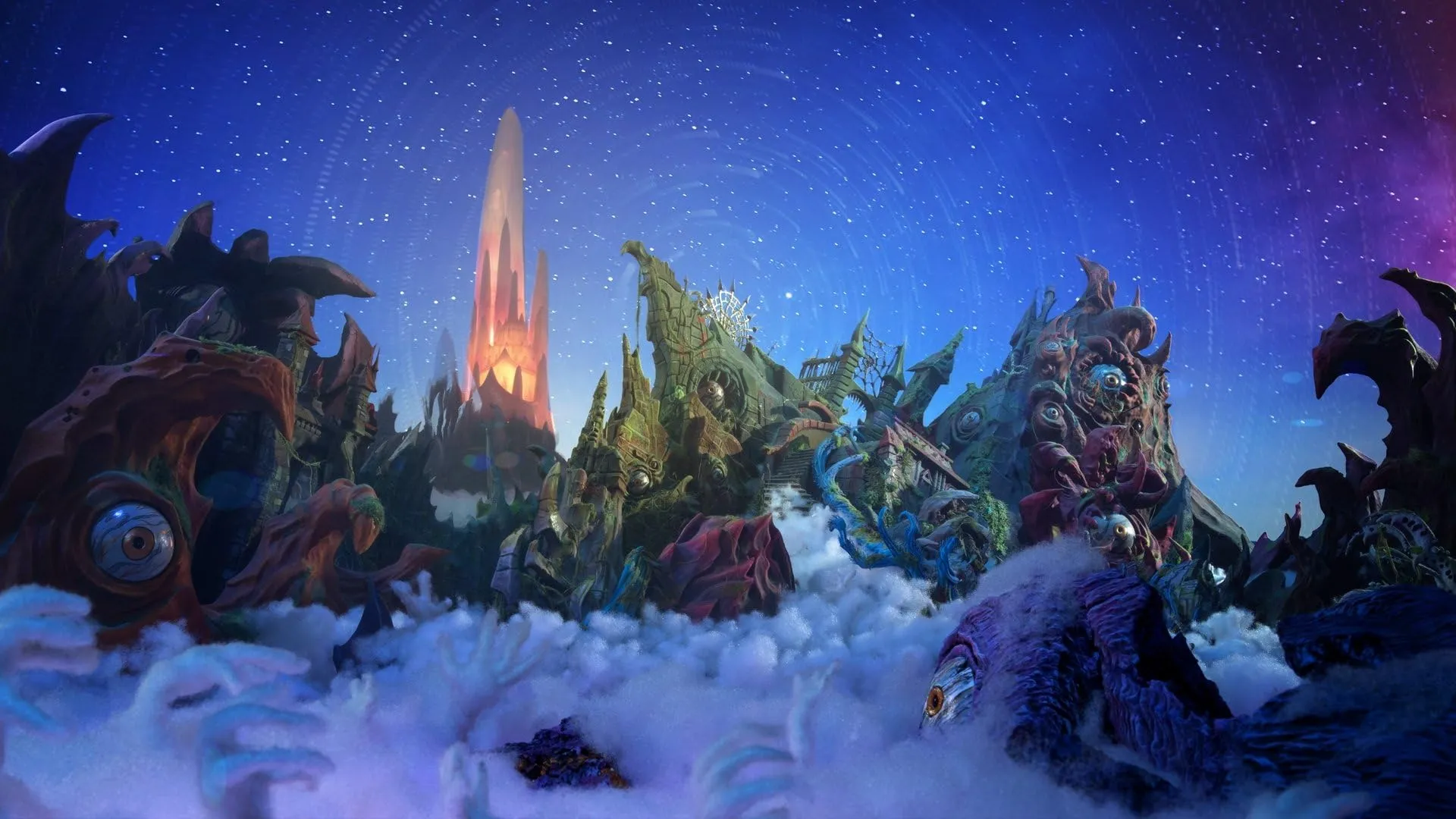
World-building carries thematic weight. The Realm of Existence in 19th-century Mexico appears in muted, simple, grey tones that mirror Francisca’s stifled life. Topus Terrentus presents an ornate, baroque universe with opulent sets and a saturated palette that echoes Mexican folk art and the symbolic language of the Day of the Dead. Some viewers have mentioned associations with Guillermo del Toro, yet the film speaks in a voice keyed to its own cultural accent.
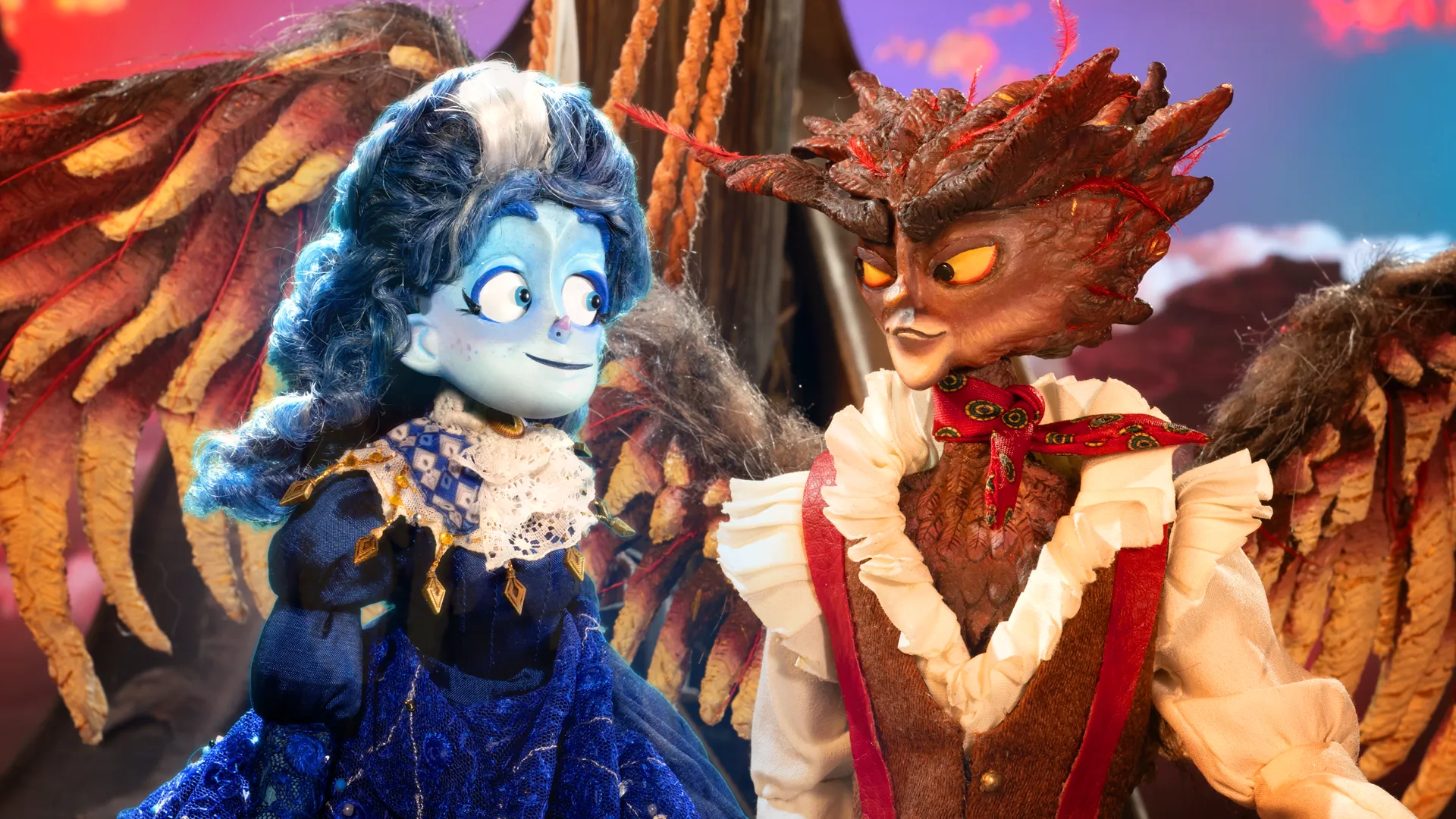
Creature and character design stand out. The residents of the Spooks’ Realm arrive as expressive, elaborately dressed puppets, finished with period-specific detail. The saturation of imagery can crowd a handful of high-action passages, which turn busy on first glance. The density grows from the film’s ambition, as the frame brims with invented life.
The Allegory of the Pen
The narrative operates as a cross-cultural parable about imagination and authorship. Francisca fights for a voice in a patriarchal environment where a woman writing horror faces dismissal. Her passage into the Land of Spooks maps the creative subconscious, and the monsters read as figures of fear and untapped potential. By writing as Frankelda, she seizes agency, and the act of authorship gains literal power inside the story.
Characters sharpen the film’s argument. Frankelda models the repressed female artist. Procustes embodies greed, control, and plagiarism, a figure for institutional power that appropriates or smothers artistic work, a pattern recognizable across global entertainment. Prince Herneval adds complexity as a duty-bound ruler whose affection for Frankelda collides with the needs of his realm.
Ambition in world-building sometimes outpaces feeling. The script layers mythology, rules, and a wide cast. The richness impresses, yet the emotional center thins at points. The romance between Frankelda and Herneval lands with less force, arriving at a quick resolution that leaves limited dramatic afterglow for a story that places weight on their bond.
Rhythmic Narrative and Vocal Precision
Surprise springs from the film’s full commitment to the musical form. Songs and score carry world-building duties, since members of the royal family must sing nightmares to sustain existence. The genre choice heightens mood and yields standout sequences where tactile animation, operatic writing, and performance press forward together.
The crossing-over number and the Royal Nightmarer’s anthem drive plot and tone. The soundtrack lacks instant earworms from mainstream hits, yet the compositions read as carefully written and confidently sung, which supports the theatrical register.
Voice work anchors the action. Energetic deliveries keep character and setting aligned. Mireya Mendoza gives Frankelda firm presence, and Luis Leonardo Suárez voices Procustes with force. A colloquial flavor in the dialogue preserves cultural specificity and protects an honesty that international dubbing might thin.
A Foundational Work
I Am Frankelda establishes a cornerstone for Mexican animated cinema. Its very presence reflects the resolve of the Ambriz Brothers, who realized a personal, intricate production under the technical and financial pressures of independent stop-motion. Development that included mentorship from Guillermo del Toro situates the film within a vital lineage of Mexican fantasy cinema.

The feature serves as a prequel to the creators’ HBO Max series, Frankelda’s Book of Spooks, and arrives bound to an existing mythology. The film occupies a space between children’s storytelling and adult horror. Its idiosyncratic dark fantasy, layered themes, and demanding craft position it as an immediate pick for audiences worldwide who value culturally specific, labor-intensive animation.
The film, I Am Frankelda, is a highly anticipated animated supernatural comedy horror and musical that marks a major milestone as the first stop-motion feature film fully produced in Mexico. Written and directed by the Ambriz Brothers, Arturo and Roy Ambriz, the film is a prequel and sequel to their HBO Max series, Frankelda’s Book of Spooks. It follows Francisca Imelda, a 19th-century writer whose dark stories are dismissed by society, as she is guided into the fantastical, nightmare-fueled world of her own subconscious to restore the balance between fiction and reality. The film had its world premiere at the Guadalajara International Film Festival on June 6, 2025, and is scheduled for a wider theatrical release in Mexico on October 23, 2025, distributed by Cinépolis Distribución.
Credits
Title: I Am Frankelda (Soy Frankelda)
Distributor: Cinépolis Distribución, Warner Bros. Discovery
Release date: June 6, 2025 (World Premiere at FICG), October 23, 2025 (Mexico Theatrical)
Rating: PG
Running time: 113 minutes
Director: Arturo Ambriz, Roy Ambriz
Writers: Arturo Ambriz, Roy Ambriz
Producers and Executive Producers: Arturo Ambriz, Roy Ambriz, Rodolfo Ambriz, Adriana Rendón, Pablo Zuccarino, Jaime Jiménez, Jákora Xochitl, Marta Hernaiz Pidal, Jorge Hernaiz
Cast: Mireya Mendoza, Arturo Mercado Jr., Luis Leonardo Suárez, Beto Castillo, Gaby Cárdenas, Carlos Segundo, Habana Zoé, Juan Pablo Monterrubio
Director of Photography (Cinematographer): Fernanda G. Manzur, Irene Melis
Editors: Gabriel Acuña
Composer: Kevin Smithers
The Review
I Am Frankelda
I Am Frankelda is a highly ambitious film, standing as an essential triumph for Mexican animation. The Ambriz Brothers present a visually striking stop-motion epic that successfully merges dark fantasy with a profound, culturally specific commentary on female authorship and creative control. Although the narrative is dense, and some character connections feel rushed, the film’s powerful artisanal beauty, distinctive texture, and integral musical identity guarantee its place as a significant piece of international cinema.
PROS
- A groundbreaking achievement as Mexico’s first stop-motion animated feature.
- The visual aesthetic is stunning, merging baroque design with Mexican folk art influences.
- The story functions as a powerful, timely allegory about the suppression and reclaiming of female creativity.
- The musical component is integral, enhancing the film’s theatrical and emotional scope.
- Excellent, vivacious voice performances anchor the characters.
CONS
- The script sometimes overloads the story with mythology and secondary rules.
- The central romantic relationship lacks sufficient development, feeling resolved too hastily.
- A few action sequences are visually dense, making them difficult to follow.