

























The Secret Lives of Mormon Wives (TSLoMW) returns for a third season that stays locked on the Utah “#MomTok” universe, treating it as reality TV playground and domestic spectacle. Premiering in 2024, the series has quickly taken hold as a cultural fixture by combining familiar rhythms of high-drama reality television, gossip, fragile egos, lavish spending, with the framework of the cast’s lives inside The Church of Jesus Christ of Latter-day Saints (LDS).
That religious context gives the chaos extra charge, since every feud or messy reveal plays out against a belief system that prizes order, modesty, and communal reputation. Season 3 begins in the immediate shadow of Season 2’s devastating, fractured finale. The premiere briefly suggests calm before that quiet collapses into some of the most heated rivalries and high-stakes personal crises the series has staged.
The cast’s profile has expanded sharply, turning them into recognizable public figures whose success carries them to industry events in New York and LA and to guest slots on shows like Dancing With The Stars, which heightens the scrutiny that surrounds them.
The Shifting Landscape of Scrutiny and Scandal
Season 3 concentrates on the fallout from earlier seasons and keeps the pace tight. The main narrative thread follows Jessi’s affair with Marciano Brunette, a Vanderpump Villa personality whose presence quickly becomes central to the show. The affair rips through Jessi’s marriage and culminates in an on-camera polygraph test, an extreme step Jessi pursues as a form of closure.
Marciano receives so much screen time that he functions as a de facto co-lead in a reality series framed around the women. At the same time, the success of the series forces a tense reunion between the main group and exiles Demi and Whitney. The season escalates once Demi brings forward sexual assault allegations against Marciano that clash directly with his account, creating a divide that pressures the group to decide whose story they trust and whose version they see as manipulation.
While group showdowns keep the series noisy, the individual storylines carry a different weight. Taylor Frankie Paul signals personal growth and seems more settled in herself than in earlier seasons, yet she still contends with her baby daddy Dakota after discovering that he has been sexting her mother’s best friend.
The show gives space to Mikayla Matthews as she faces strain in her marriage while working to rebuild a relationship with intimacy after years of childhood sexual abuse. Layla Taylor steps further into her own power, asserting herself inside the group and leaning into a clearer sense of identity. These arcs keep returning to the same point: behind the glittering parties and curated content, these women move through emotional and psychological burdens that shape their responses to fame, friendship, and public judgment.
The Unconventional Production of Post-Scandal Reality
TSLoMW signals a growing streaming reality trend by refusing to slow its machinery, relying on an unconventional production model in which cameras reportedly run almost constantly. That near-continuous taping allows the season to address Season 2’s cliffhangers in real time and gives viewers a sense of immediacy. The result feels like a permanent state of surveillance.
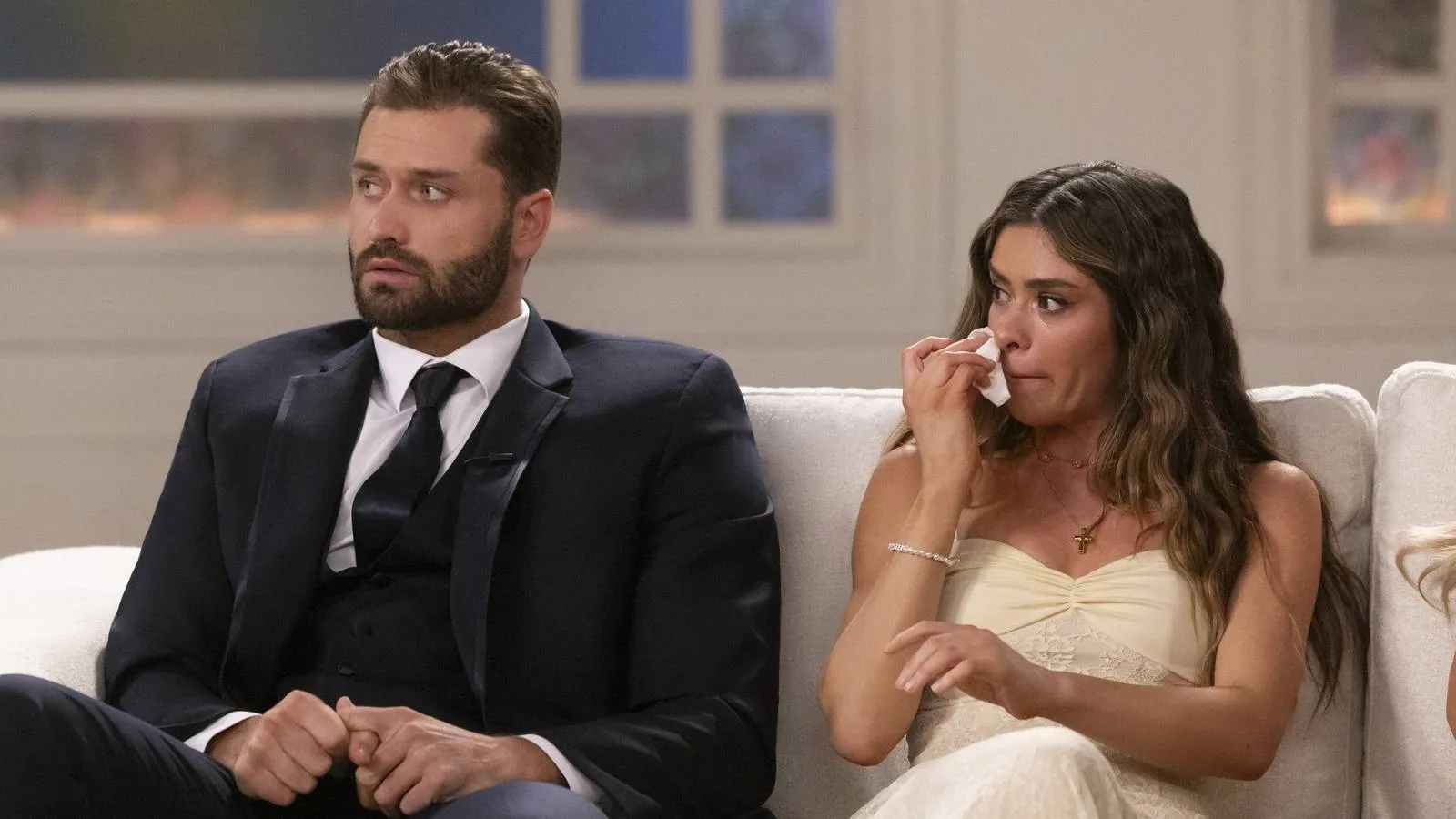
The cast juggles career wins, including brand deals, with incessant affair accusations and deep interpersonal ruptures. Their fame functions as lighter fluid for every disagreement, since every sponsorship and professional opportunity appears vulnerable to the next scandal they generate.
The LDS backdrop remains a quiet but persistent presence. The cognitive dissonance stays sharp, as the spiritual ideals of their religious community collide with the highly public, often chaotic nature of their behavior. The women periodically try to “return to their roots,” seeking a softer tone built around mutual support and light-hearted dance videos, yet they keep getting pulled back into corrosive drama.
The new season moves the franchise away from early fascination with swinging scandals and anchors itself in storylines shaped by past abuse and severe current allegations. The show treats personal trauma as central to the conflicts, no longer background color, which connects it to wider conversations about consent, harm, and responsibility.
Moments of Truth and Industry Reflection
Jessi emerges as an unexpected standout this season. Her direct, immediate disclosure of the affair breaks from the standard reality playbook of half-truths and slow reveals, and the storyline feels raw and uncomfortable with no coyness. The sharpest spike in group tension arrives at the Jetset event, where Layla confronts a returning Demi in a scene that spirals quickly.
The reading of text messages and the frantic, anguished exits turn the gathering into a reminder of how volatile these relationships remain under public pressure. A shift in the internal hierarchy follows when Miranda McWhorter is officially welcomed into “MomTok,” a move rooted in her loyalty during the chaos and her stated goal of steering the group back toward mutual support.
By the end of the season, TSLoMW has raised the stakes again, reinforcing how potent the mix of digital fame, personal crisis, and religious context can be. The series hints at a path for future reality projects interested in contemporary digital scandal, favoring immediacy and minimal filtration over distance and polish.
The Secret Lives of Mormon Wives is an engaging look into the highly publicized lives of the Utah “MomTok” scene. The show premiered its third season on November 13, 2024. You can watch the series, which documents the personal, financial, and relational drama of the women, on the streaming platform Hulu. The season captures the ongoing fallout from past scandals and introduces new, high-stakes personal crises, all set against the backdrop of their public personas and religious context.
Credits
Title: The Secret Lives of Mormon Wives Season 3
Distributor: Hulu
Release date: November 13, 2024
Rating: TV-MA
Running time: Approximately 43 minutes per episode
Director: Adam Reed, Paul Nygro, Jamie Harleston, Chris De La Rosa
Producers and Executive Producers: Chris De La Rosa, Lisa Shannon, David Miller, Robert Miller, Nick Groff, David C. Johnson
Cast: Taylor Frankie Paul, Mikayla Matthews, Jessi Ngatikaura, Mayci Neeley, Layla Taylor, Miranda McWhorter, Demi Engemann, Whitney Leavitt
The Review
The Secret Lives of Mormon Wives Season 3
The Secret Lives of Mormon Wives continues to be a sharp lens on digital fame colliding with traditional faith. Season 3 dramatically ups the stakes, moving beyond surface scandals to explore severe personal traumas and the cost of public life. The show effectively captures an intense, fast-paced reality where the women's success and reputation are constantly at war. The series offers a valuable look at how identity is negotiated under extreme scrutiny. It is an essential watch for understanding contemporary reality television trends.
PROS
- Fast-paced, authentic format that immediately addresses cliffhangers.
- Deep exploration of serious personal subject matter, including past abuse.
- Sharp reflection of how digital fame collides with traditional faith.
- High-stakes, immediate drama and dynamic rivalries.
- Refreshing openness from some cast members, like Jessi’s honesty about her affair.
CONS
- Messy group dynamics that lean into toxicity.
- The outsized role given to non-cast members like Marciano Brunette.
- The uncomfortable use of sexual assault and abuse allegations within a reality format.