




















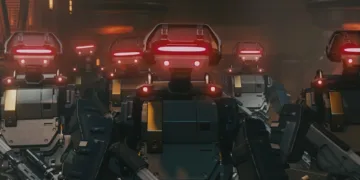










The Celestial Empire is reeling after a sudden, catastrophic void tears through its rule. The instability traces back to a research lab, where scientists pushed an experimental long-range teleportation system into a test it could not contain. The containment breach triggered a massive explosion, and once the smoke cleared, the Emperor had vanished.
With the throne empty, the imperial bloodline splinters. Zorana, the so-called “spare” heir, gets yanked out of boarding school exile without warning. Her older brother, raised as the carefully prepared successor, walks away from his responsibilities and is disowned. The empire lands in the hands of a young woman who has never been trained for statecraft.
Zorana now enters a high-stakes contest where planetary electors choose the next ruler. The game frames its sci-fi court as a spiritual and chronological successor to the medieval setup of Long Live the Queen, then expands that framework onto a galactic stage with extra complications baked in.
Seasoned politicians crowd the room, hidden enemies watch for openings, and Zorana’s lack of experience becomes a visible pressure point. Your objective stays clear: keep her alive through the campaign, gather enough votes, and reach the coronation as Empress-Elect. The march toward that outcome ties survival to politics, with death sitting close to every attempt at persuasion.
The Rigorous Path of Imperial Schooling
The main loop begins with an unforgiving education plan designed to shape Zorana into a ruler who can command the stars. Each turn gives you two lesson slots, and you spend them across forty-five distinct skills. The game organizes these skills into clusters that define how Zorana handles the world around her.
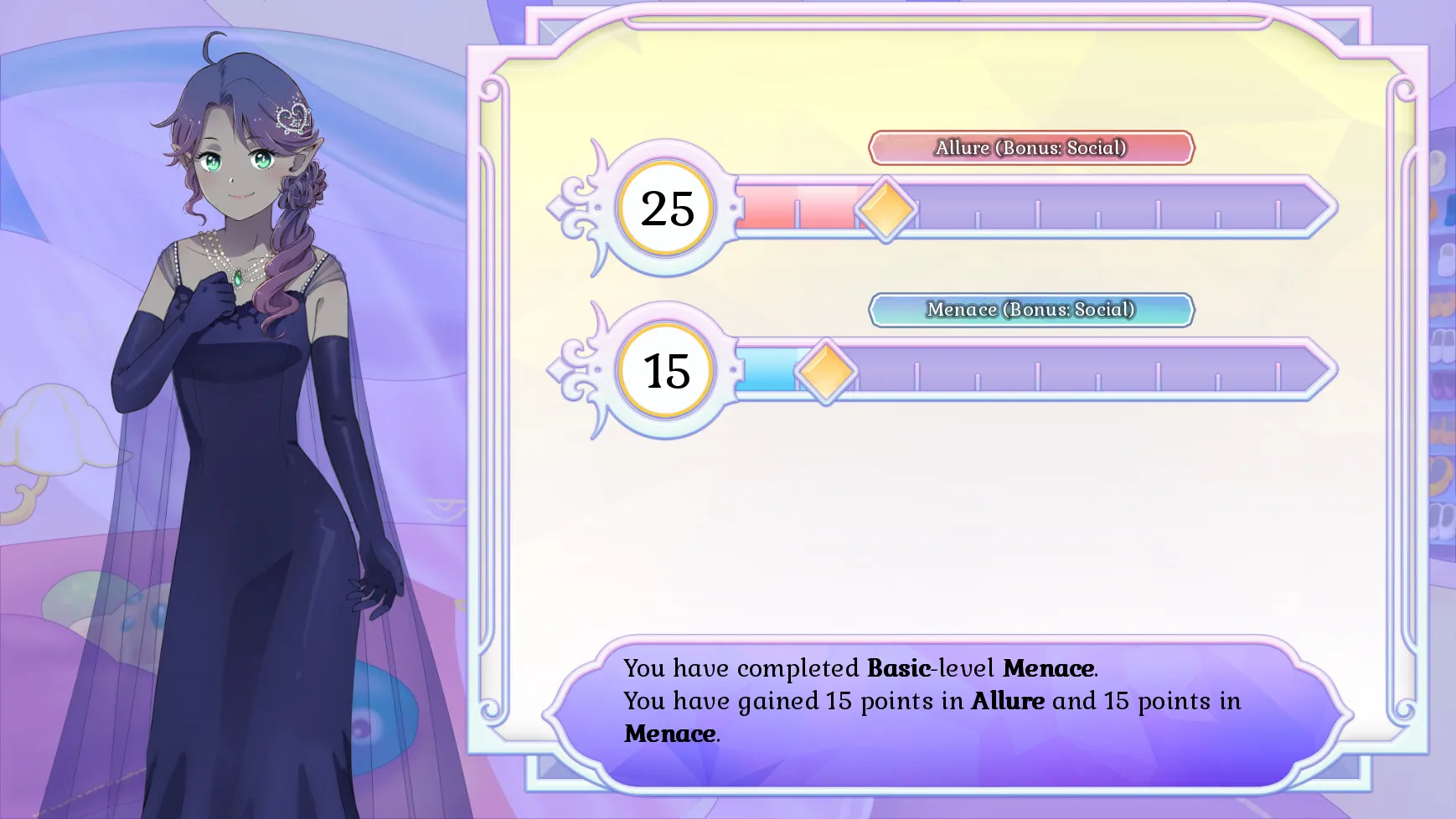
The Emotion category, for example, includes Allure, Empathy, and Menace, and those numbers directly influence how well she reads a room or how effectively she can intimidate a rival into backing down. Physical preparation lives under the Condition category, where Reflexes, Strength, and Tumbling decide how she fares when a confrontation turns visceral.
Also Read






The curriculum also treats governance as a practical discipline. Bureaucracy, Imperial History, and Media sit at the foundation of administrative rule, and the game makes it clear that a leader can know the law while still watching her reputation collapse if she cannot wield Media during a crisis. Practicality lessons cover technical ground such as science and spaceship operations, keeping Zorana functional when the story pulls her into the realities of a space-faring civilization.
The scope echoes classic raising sims like Princess Maker, where early choices matter and specialization shapes the entire run. Spread your focus too thin and you end up with passable competence across the board, paired with missing pieces that can derail you at the worst moment.
Lesson outcomes hinge on a mood wheel that turns Zorana’s internal state into a mechanical variable you have to respect. Her mindset influences what she can absorb, and the interface communicates that with blunt clarity through color. A green highlight on the study grid signals a meaningful learning bonus; a red background warns you that the same lesson will land poorly.
A depressed Zorana can stumble through social training while finding traction in solitary academic work, and that pushes you into active mood management. Free-time choices like writing in a diary, going to a party, or settling into quiet reflection shift her mood for the next turn. That creates a second strategic layer where planning ahead matters, since the “right” lesson often depends on setting up the “right” emotional state first. The stats also function as locks on story outcomes. Strong Etiquette can spare her humiliation at a high-stakes gala, while weak Media knowledge can spiral into a fatal misunderstanding during a planetary broadcast.
Galactic Power Plays and Cabinet Building
Once the school routine establishes your foundation, the game opens outward as you move across an “open world” map of the Celestial Empire. Travel between planets becomes the route to the people who matter, since the electors you meet will decide Zorana’s fate.
Those conversations form the core of the diplomatic game, and earning a vote rarely comes from a simple request. Sometimes an elector expects proof through a specific, dangerous quest. Sometimes the cleanest path is a marriage proposal meant to lock an alliance in place. If soft influence falls flat, the game also permits harsher plays, including flattery deployed as a weapon and blackmail used to force compliance.
These relationships react to what you do across the map. Each elector carries alliances, grudges, and a private agenda that can collide with your plans. Help an elector’s rival and you might lose the chance to meet them at all, because they may refuse to grant you an audience.
That shifting web demands attention to the wider political temperature, since one “small” favor can reshape who will speak to you next. The cabinet system adds another moving part by letting Zorana appoint up to seven electors as personal advisors. Those seats carry real mechanical weight: an advisor can boost specific stat checks and open dialogue options that remain hidden without the right person in the room.
Cabinet selection also forces a sharp trade-off between competence and political payment. You can chase the strongest experts to handle the game’s demanding checks, yet the most capable electors tend to come with volatility attached. In practice, you may end up appointing an ineffective figure with serious influence, purely to secure a planet’s vote.
The game treats that compromise as part of governance, echoing coalition pressure and the messy math of power sharing. Even the opening pet choice plays into this logic, since your companion grants permanent improvements to two core stats. That small bump can decide an early encounter and send you to the game over screen if you come up short. With so many variables tied to relationships, appointments, and stat thresholds, each political run can play out with a different rhythm.
The Lethal Reality of the Throne
Galaxy Princess Zorana earns its reputation through brutal difficulty and a high body count. The climb toward power is lined with tragedy, and you should expect to see Zorana die in many ugly ways. A single failed stat check can trigger an assassination attempt, a fatal mistake during a planetary sports event, or a lethal social blunder that ends her campaign on the spot.
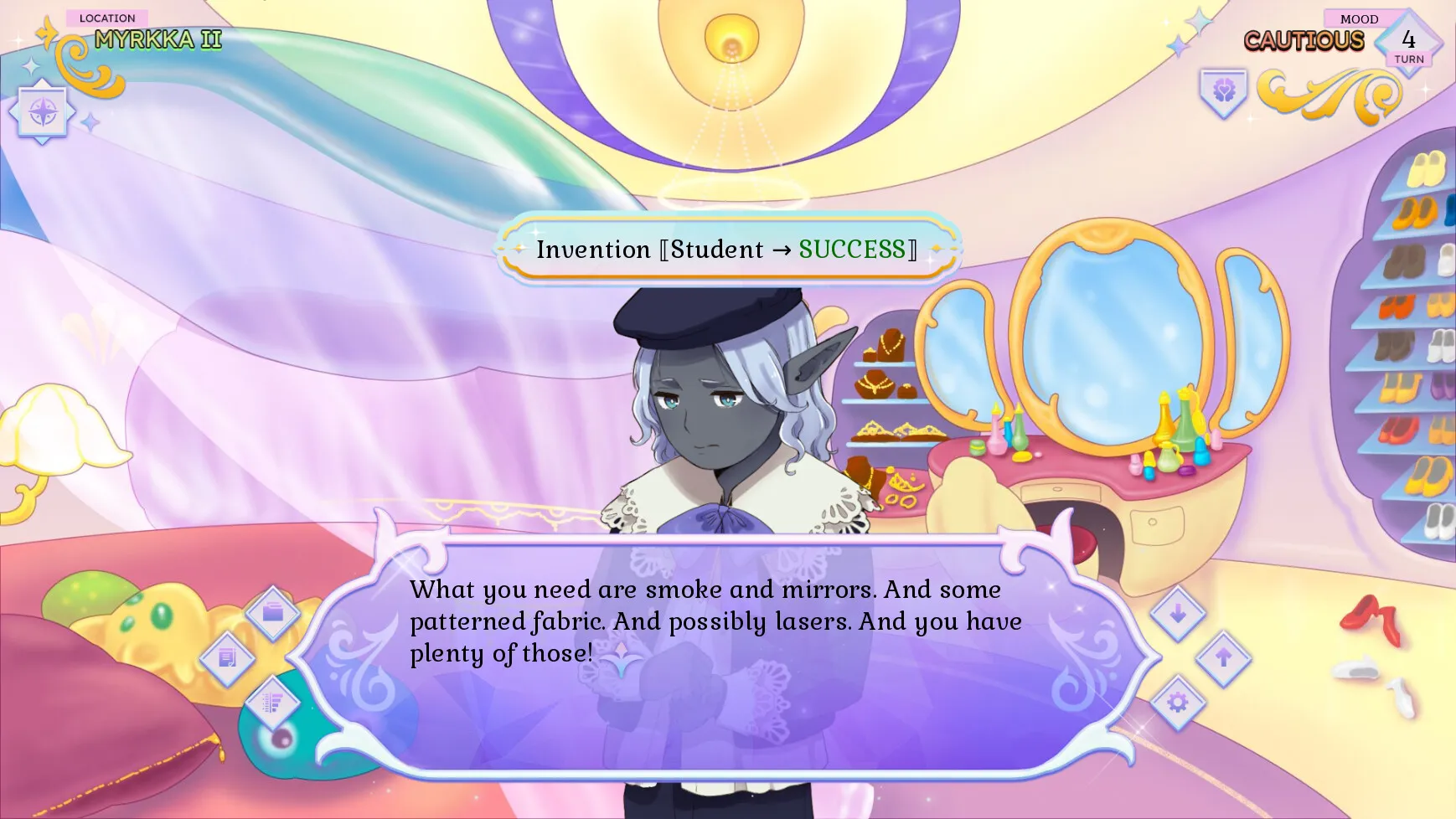
The game delivers these outcomes with little mercy, and it keeps the player under constant pressure. Like its predecessor, it pushes you toward trial-and-error learning. Early playthroughs often operate like reconnaissance, where you map which skills you need to survive specific dates and scripted events.
That difficulty also asks for deliberate optimization. Intuition helps, yet consistent success tends to come from treating the whole system like a puzzle: taking notes, building spreadsheets, tracking elector requirements, and watching the timing on key checks. The vibe recalls the “Dark Souls” comparison that fans use for punishing systems, where failure teaches you how to build a stronger character on the next run.
Replay value comes from that structure, since different builds open new story routes, hidden lore, and multiple endings. Some of the most rewarding narrative material sits behind experimentation, especially when you commit to unusual skill priorities and accept the risks that follow.
The presentation supports the stakes with detailed 2D art that keeps characters readable at a glance. Portraits span a wide range of alien species, and facial expressions track Zorana’s shifting moods in a way that reinforces the mood wheel’s mechanical importance. There is no voice acting, so the script has to carry scenes through text, and the writing stays sharp enough to do the job while atmospheric music strengthens the sci-fi tone.
Built on the Ren’Py engine, the game includes a scrollback function that lets you revisit recent dialogue and rethink immediate choices. That safety net has limits, since many failures are decided by stat investments made several turns earlier. A death can become inevitable long before the moment arrives, which gives the campaign real consequence. Every lesson choice and every meeting with an elector can feel like a decision with survival hanging from it.
The Review
Galaxy Princess Zorana
Galaxy Princess Zorana is a demanding, high-stakes simulation that rewards meticulous planning and resilience. While the steep learning curve and frequent deaths might deter some, the depth of the political systems and the variety of narrative paths offer a rich experience for those willing to learn from failure. The combination of rigid stat management and expansive galactic diplomacy creates a gameplay loop that is both punishing and deeply satisfying. It stands as a complex, thoughtfully designed successor for fans of the genre who enjoy optimizing every decision.
PROS
- Deep, rewarding stat-management system.
- High replay value with numerous branching paths.
- Engaging political cabinet and elector mechanics.
- Expressive 2D character art and alien designs.
CONS
- Sudden, frequent character deaths.
- Significant trial-and-error required for success.
- Lack of voice acting.
- Learning curve can feel punishing for newcomers.