






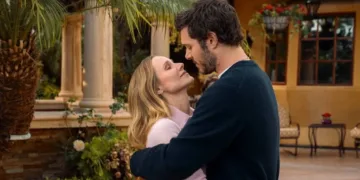
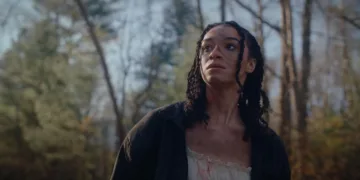











The dust of Gran Canaria sets a harsh, tactile stage for Itonje Søimer Guttormsen’s latest work. Vera has died inside the skeletal remains of an abandoned observatory, the same structure she meant to remake into a place of spiritual renewal. Her death opens a sudden absence that pulls her two daughters, Lily and Diana, from the frigid climates of Northern Europe back to the volcanic island where their earliest memories lie half-buried.
They step into a landscape shaped by sharp, uncomfortable friction. Ancient, jagged rock formations sit beside sprawling plastic resorts built for temporary escape. Their return follows the cold logic of inheritance: settle the practical matters, close the accounts, cut the last thread to a mother who felt distant even while alive.
The island watches their displacement without comment. The air carries sea salt and the stale breath of tourism. It feels like a graveyard of intentions, full of plans that rotted before they could become anything stable. Lily and Diana move through the heat with a clinical distance, as if detachment might keep the past at arm’s length.
The environment refuses to stay neutral. Overexposed light and unforgiving terrain press in, turning each walk into a quiet test of endurance. They carry the strange status of outsiders in a place that once held them. Their goal is dismantling, taking apart a history they want gone. The island keeps returning it to them in fragments, as if memory has its own geology.
Flesh and the Fractured Self
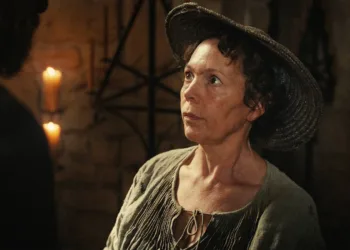
The film leans hard on the presence of Renate Reinsve and Helene Bjørneby, who previously appeared together in The Worst Person in the World. Reinsve plays Lily with deliberate aesthetic aggression. Bleached eyebrows, facial piercings, and a punk-inflected wardrobe read as armor, each detail serving a purpose. Lily is a performance artist based in Hamburg, and she uses her body as a site of protest. That public stance coexists with a grief that never quite takes shape in language. She communicates through surfaces and gestures, and the film treats those surfaces as a confession written in a private code.
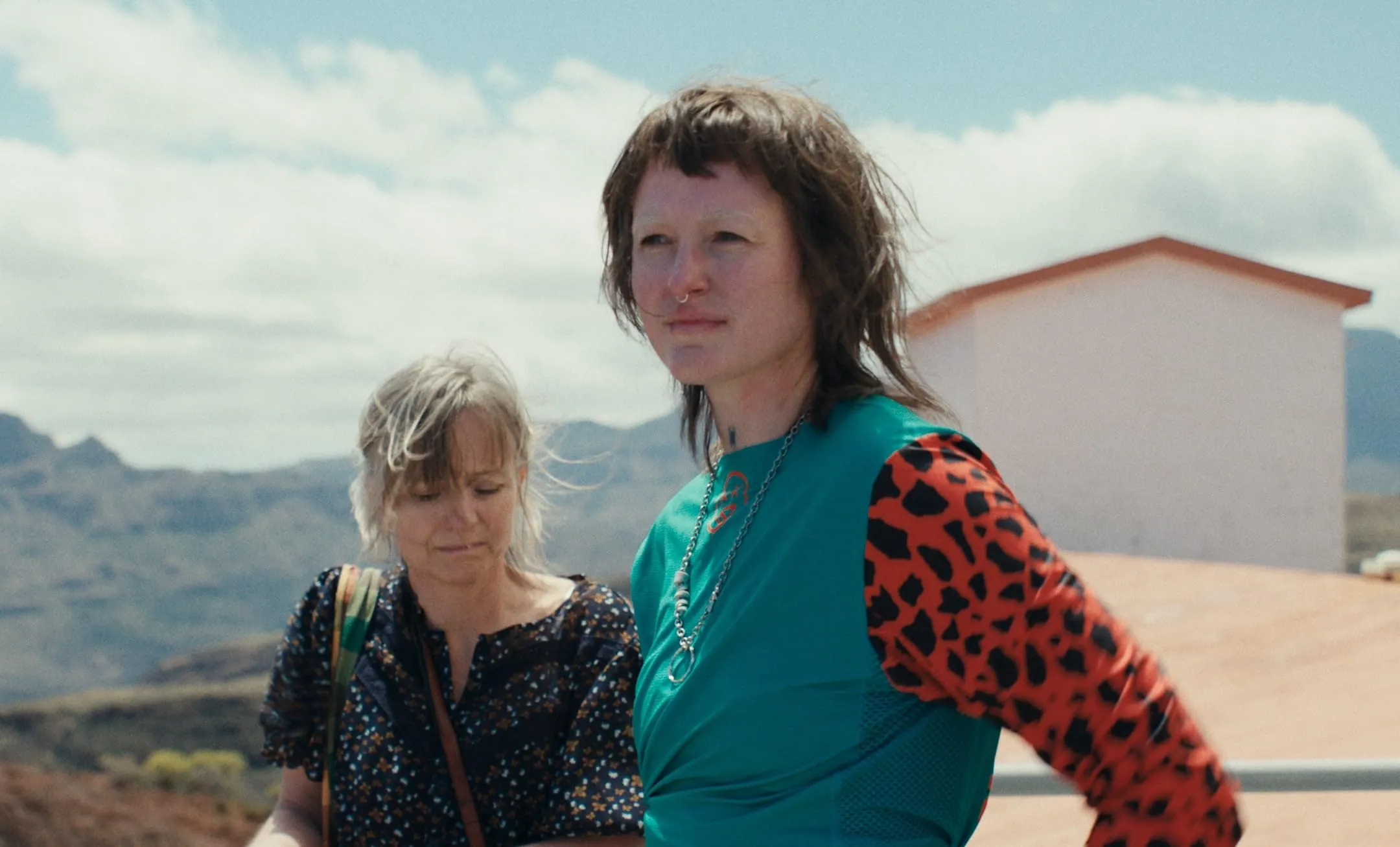
Diana, played by Bjørneby, carries a quieter, internalized weight. She works as a kindergarten teacher from Norway, and she moves with the physical burden of a leg injury that seems tied to the psyche as much as the body. The sisters share a constant low-frequency hum of tension, the kind that fills a room before anyone speaks. Lily arrives like a jagged edge. Diana arrives like a retreating shadow. Both feel like artifacts of Vera’s erratic parenting, shaped by a mother who chased spiritual whims and let stability slip away.
Vera allowed them access to adult vices early, including alcohol long before adulthood. The film frames that early exposure as damage that set in deep, then split into different expressions. Lily turns outward, meeting the world with hostility and conceptual performance. Diana contracts into a mousy guarded life, keeping her pain small enough to carry. Their shared childhood sits between them like wreckage that never fully cooled. They occupy a single cramped space as two halves of the same ruin, each recognizing a familiar fracture in the other and responding with suspicion.
Reinsve’s work turns physical transformation into a psychological fact. She becomes difficult to recognize beneath the layers of defensive design, and that disguise reads as a survival method rather than a costume. Bjørneby meets that intensity through repression, giving Diana a fragility that still resists collapse. Together, they sketch familial dysfunction as something visceral and uneasy, the kind that lives in posture, in silence, in the way a hand hesitates before touching anything that might belong to the dead.
The Aesthetic of the Void
David Raedeker’s cinematography follows this descent with handheld restlessness that feels almost invasive. The palette sits in blinding, overexposed whites and pale washed-out tones, a visual pressure that makes skin look exposed and unprotected. The sun becomes a force with moral weight, punishing bodies shaped by northern shadow. The island’s volcanic peaks carry ancient beauty, and nearby holiday hotels glow with neon vulgarity. The film holds both in the same frame, letting the clash sit there without smoothing it into a neat metaphor.
Erik Ljunggren’s score, coming from a former A-ha keyboardist, supplies anxious electronic pulses and haunted ambient layers. The soundscape agitates. Comfort never settles in. The beats keep humming beneath dialogue like a nervous system that cannot stop firing, and the film treats that hum as part of the sisters’ interior weather.
Chapter headings organize the film, including titles like “Purgatory,” pointing toward a metaphysical progression that reaches beyond simple plot mechanics. Lily’s perspective appears through grainy handheld video, and that shift in texture marks the world as unstable, experienced in shards rather than in clean lines. The film’s use of varied footage types keeps disorientation alive, mirroring the sisters’ loss of their usual bearings. Clarity matters less here than sensation, and the sensory experience becomes the vehicle for emotional stakes.
As Lily and Diana drift away from the commercial resorts and toward the “Butterfly Retreat,” the imagery sheds its artificial veneer. The frame begins to favor raw earth textures and the play of light inside deep volcanic caves. The camera lingers on rock and skin, finding a strange beauty in the observatory’s decay. This movement toward the island’s harsher spaces tracks the stripping down of the characters, as if the landscape is removing layers they relied on to stay functional. It is a film built from atmosphere, pressure, and texture, where meaning arrives through physical feeling before it becomes an idea.
Rituals of the Lingering Ghost
The narrative shifts from family drama into a meditation on ritual and its necessity. Chato, Vera’s final partner, guides that turn. Numan Acar plays him as a bridge to Vera’s last mystical obsessions, carrying her practices into the present with quiet insistence. He invites the sisters into ceremonies they once met with cynical laughter, and the invitation lands like a challenge. Grief has already hollowed them out. Ritual offers a shape to that hollow, even if they resist it.
As the sisters separate, each finds a different frequency for mourning. They meet drifters and seekers living along the island’s margins, people who place faith in the cleansing power of the senses. The film ties this search to a darker necessity: accepting a parent’s profound flaws as part of self-preservation. It frames closure as surrender, something that changes the body’s posture toward the past rather than tying up every loose end.
Lily and Diana begin to soften. Skepticism gives way to a desperate hunger for peace. The inheritance they uncover is internal: the recognition that their mother’s chaotic spirit sits close to their own identities, stubbornly present. A quiet harmony forms in the dust of these rituals, fragile and strange. Healing arrives slowly, uncertain, built from forgiving the dead for scars carved into the living.
Easy answers never appear. The closing stretch feels like a quiet exhale, an ending that accepts unfinished business as part of being alive. A perfect solution stays out of reach. The sisters find a way to exist inside the wreckage of their history.
The final moments suggest a tentative reconciliation with Vera’s ghost, a recognition that the past cannot be erased, only carried with greater honesty. They leave the island without financial gain. They leave with a heavier understanding of their own foundations, and the film lets that weight remain, unresolved enough to feel true.
Butterfly premiered at the International Film Festival Rotterdam (IFFR) on January 30, 2026, where it competed in the Big Screen Competition. The film follows two estranged sisters, Lily and Diana, who travel to Gran Canaria following the mysterious death of their mother at an abandoned observatory. As of early 2026, the film is primarily screening through the international film festival circuit, including Rotterdam and Göteborg, with wider theatrical or streaming availability expected later in the year through its international sales agent, Protagonist Pictures.
Full Credits
Title: Butterfly
Distributor: Mer Film, Protagonist Pictures
Release date: January 30, 2026
Running time: 120 minutes
Director: Itonje Søimer Guttormsen
Writers: Itonje Søimer Guttormsen
Producers and Executive Producers: Maria Ekerhovd, Andrea Cornwell, Lizette Jonjic
Cast: Renate Reinsve, Helene Bjørneby, Lillian Müller, Numan Acar, Birgitte Larsen
Director of Photography (Cinematographer): David Raedeker
Editors: Kristin Grundström, Itonje Søimer Guttormsen
Composer: Erik Ljunggren
The Review
Butterfly
Butterfly acts as a haunting excavation of the ruins left by a mother’s shadow. It captures the jagged friction between the plastic and the primeval with a clinical yet lyrical eye. While the narrative occasionally dissolves into the very spiritual fog it critiques, the visceral performances by Reinsve and Bjørneby anchor the film in a raw, existential truth. It stands as a striking, if uneven, meditation on the heavy cost of closure.
PROS
- Powerful and transformative lead performances from Renate Reinsve and Helene Bjørneby.
- Evocative cinematography that captures the stark contrast of the Gran Canaria landscape.
- A restless and unique electronic score that heightens the film's internal tension.
- A thoughtful exploration of childhood trauma and the complexities of sibling dynamics.
CONS
- The narrative pace slows significantly as it shifts toward esoteric rituals.
- The transition from family drama to spiritual exploration feels disjointed at times.
- The ending may feel overly sentimental compared to the film's initial sharp edge.