









![Kingdom Hearts Collection [I-III] Review](https://gazettely.com/wp-content/uploads/2026/10/Kingdom-Hearts-Collection-I-III-1-360x180.webp "Kingdom Hearts Collection [I-III] Review: KHII Holds Steady as Newer Entries Fluctuate 40")
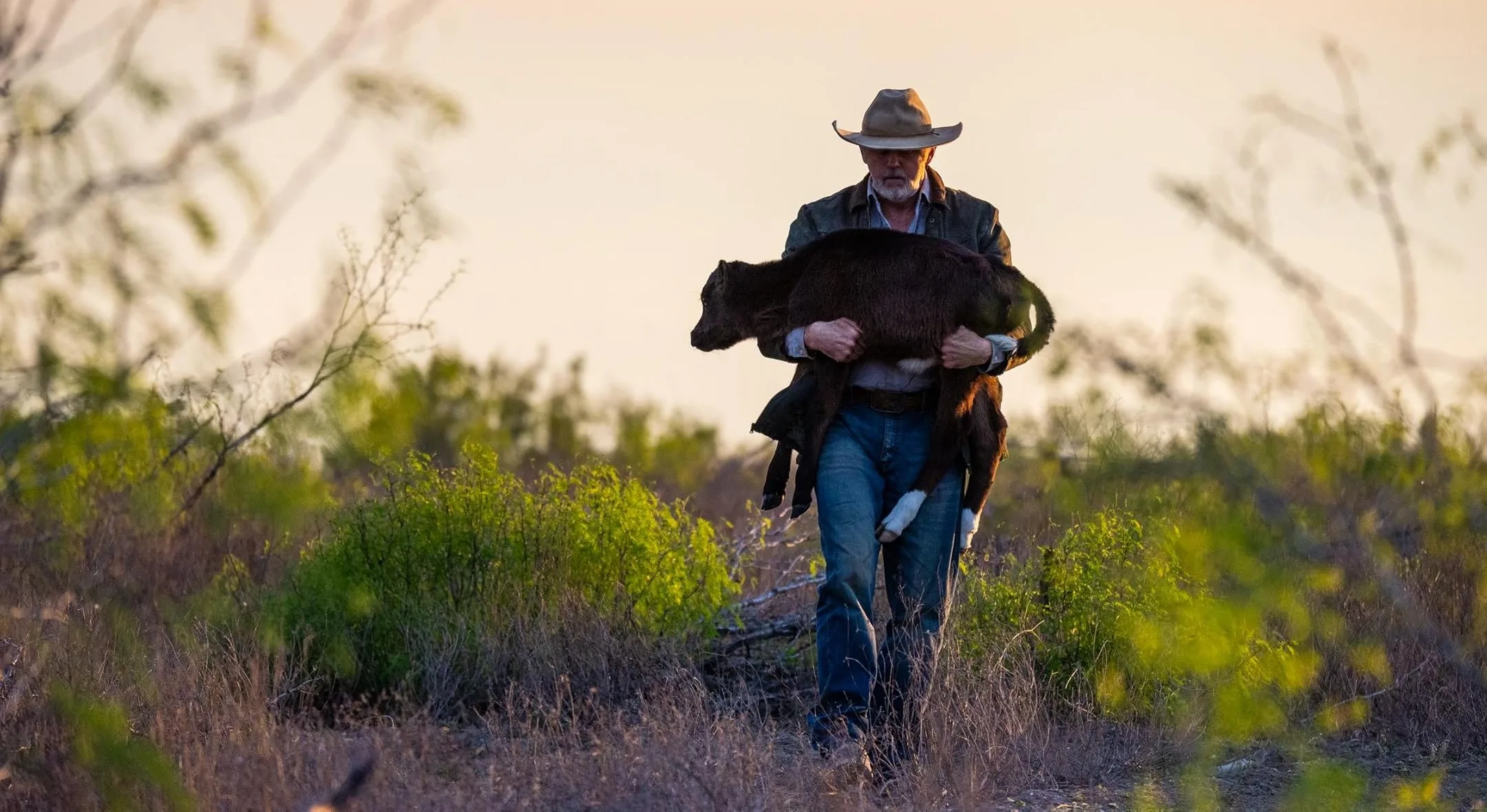

Broken Land is a restrained modern Western set along the Texas-Mexico border, where open land becomes a stage for grief, fear, and moral reckoning. J.T. Walker’s film does not chase the gunfight mythology of the genre. It studies what happens after a gun is fired, after damage is done, after a man realizes his isolation has become a moral prison.
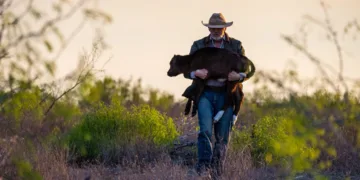
David Morse plays Carson Tidwell, a widowed Texas rancher living alone on a remote family property. His days seem less like life than maintenance: cattle, empty rooms, old habits, silence. His relationship with his son Harley, a Border Patrol agent played by Bill Heck, has withered into tense distance. Then Carson fires at migrants crossing his land and later finds Irena, a pregnant woman from El Salvador, wounded and hiding on his property.
That act turns Broken Land into a story of reluctant mercy. Carson can call the authorities, or he can help the woman he has injured. The film uses the border setting to explore immigration, family, guilt, responsibility, and belonging through character rather than speeches. Its politics live in faces, rooms, and choices.
A Familiar Story Given Human Weight
The narrative follows a recognizable arc: a hard, lonely older man is changed by an unexpected bond with someone vulnerable. That shape has appeared across Westerns, road dramas, and survival stories for decades. What keeps Broken Land from feeling mechanical is its attention to process. Carson does not transform overnight. His compassion begins almost grudgingly, born from guilt, then becomes something closer to care.
Irena’s presence gives the film both urgency and tenderness. She has fled El Salvador after violence shattered her life, and her pregnancy makes her situation painfully immediate. Her goal is simple: reach Colorado and find safety. That clarity helps the film avoid getting lost in abstract debate. She is not written as a symbol first. She is a frightened, intelligent, determined person trying to survive.
The language barrier between Carson and Irena becomes one of the film’s strongest narrative tools. Their connection develops through tea, shared meals, guarded glances, and the slow relaxation of bodies in the same room. Walker understands that trust can be cinematic without being verbal.
Harley’s role sharpens the moral conflict. As Carson’s son and a Border Patrol agent, he brings the law directly into the family home. Their scenes carry the ache of old arguments never properly spoken. The film stumbles when authority becomes too bluntly villainous, simplifying a conflict that deserves sharper complexity. Still, its sincerity gives the drama a steady pulse.
David Morse Anchors the Film
David Morse gives Broken Land its weathered soul. Carson could have been a stock figure: the bitter rancher with a gun, a dead wife, and a closed heart. Morse finds the bruised humanity inside that outline. His performance is built from posture, hesitation, and the kind of stare that suggests a man replaying a decade of regrets before answering a simple question.
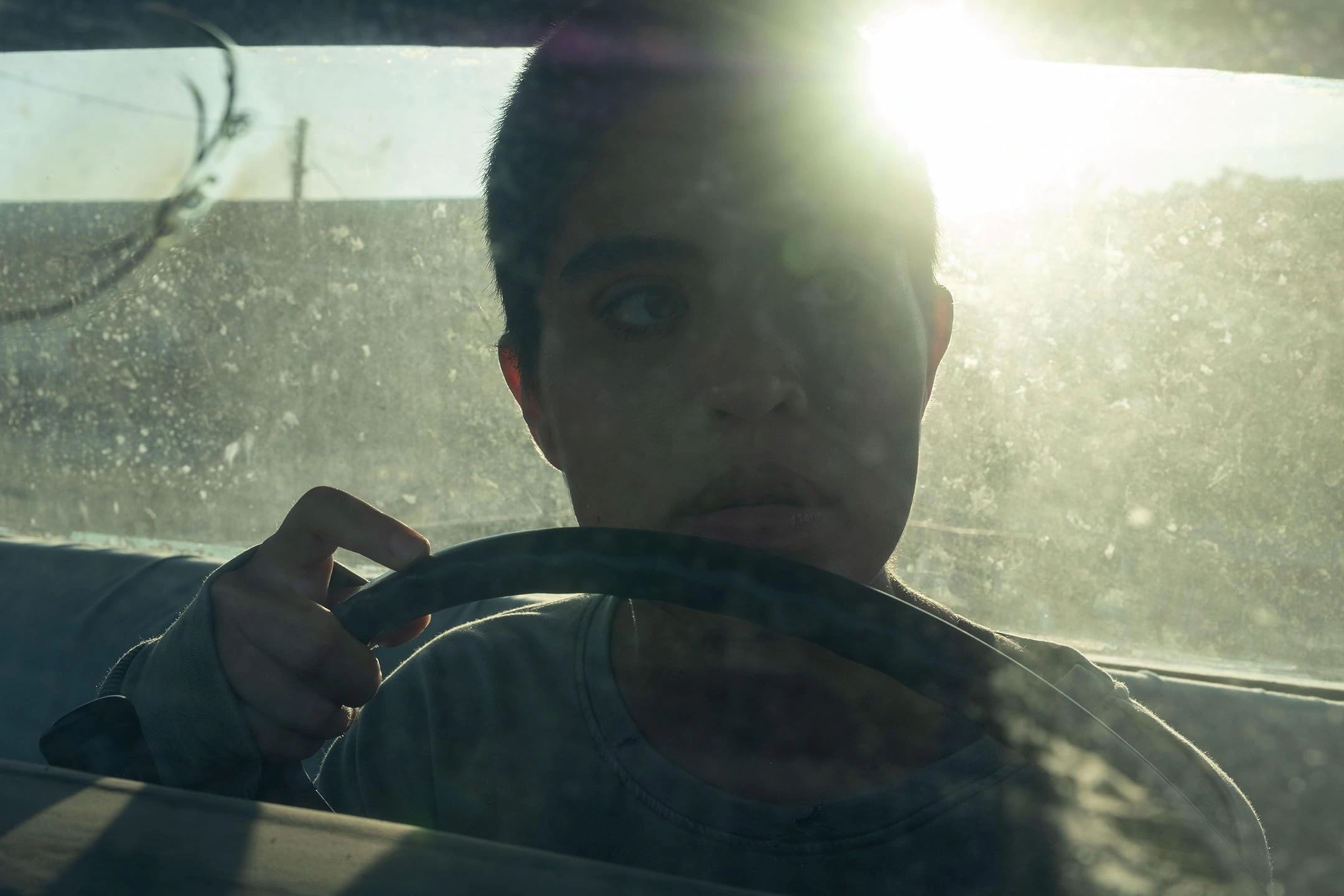
There is a musical quality to his restraint. I thought of old jazz ballads while watching him, the kind where the silence between notes carries the sorrow. Morse does that with his face. A lowered gaze, a delayed breath, a shift in how Carson stands near Irena all tell us where the character is emotionally before the script needs to say it.
Carson’s change is shown through routine, which is one of the film’s smarter choices. He begins cooking real meals. He cleans himself up. He repairs things. He slowly returns to the world of the living. These details matter because they make redemption physical. Healing here is not a grand declaration. It is a clean shirt, a repaired fence, a room opened to another person.
Jaklyn Bejarano brings quiet force to Irena. She carries fear without making the character helpless, and her vulnerability sits beside resolve. Her scenes with Morse form the emotional center of the film. Bill Heck, in a smaller role, gives Harley a hard edge that reflects both duty and inherited pain.
The Ranch as Emotional Architecture
Walker directs Broken Land with patience, sometimes too much patience. The film leans into slow-burn storytelling, watching Carson tend cattle, move through dim interiors, and occupy his ranch like a ghost with chores. This rhythm mirrors his stalled existence, though certain passages stretch beyond their dramatic need. At 98 minutes, the film can still feel heavier than its running time.
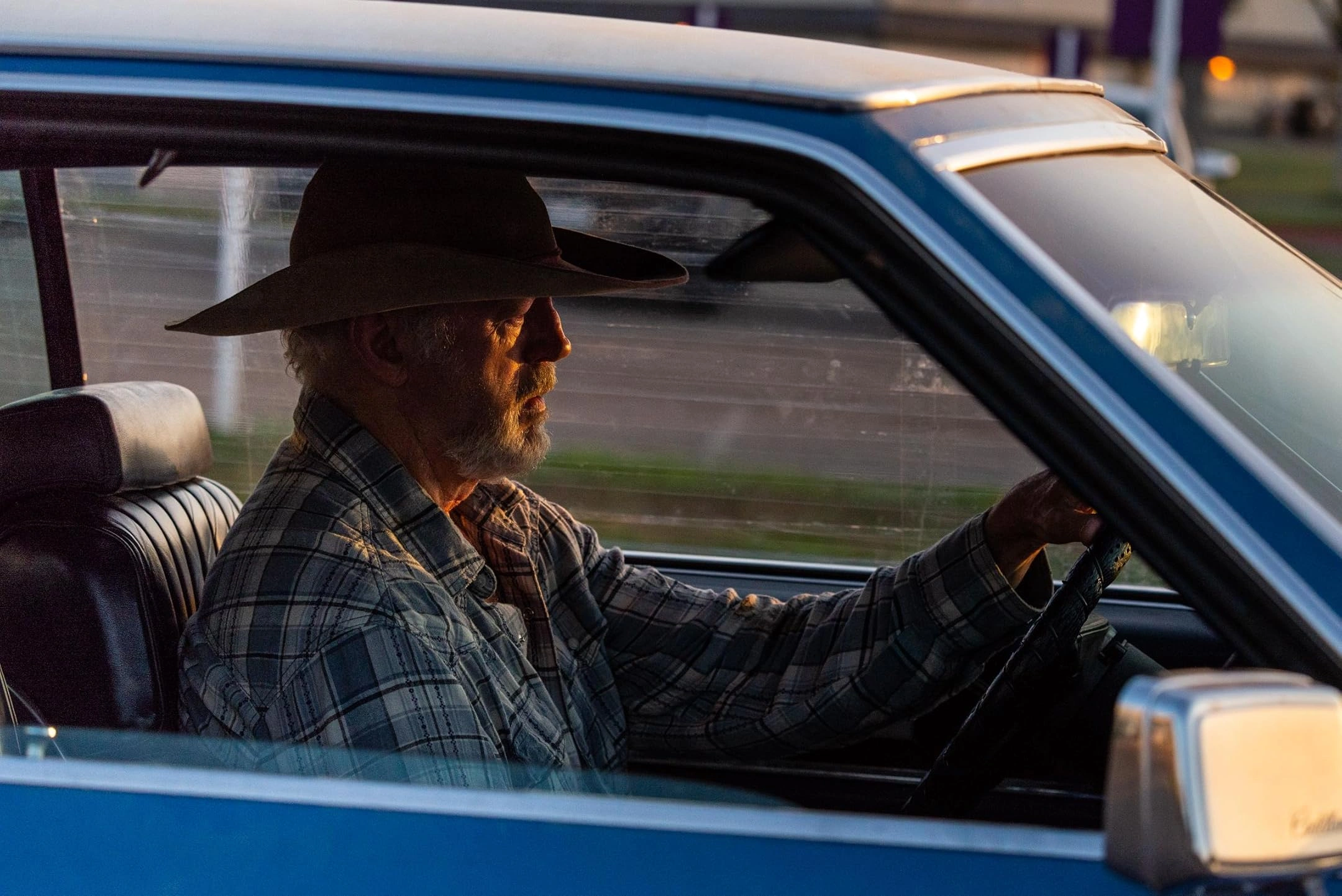
Sara Purgatorio’s cinematography gives the film much of its expressive power. The Texas landscape is photographed as beautiful and emotionally barren, with wide frames that make Carson look swallowed by the land he refuses to leave. As he and Irena grow closer, the visual language becomes warmer and tighter. The shift is subtle, yet effective. The camera moves from distance toward intimacy, echoing the film’s emotional movement.
Natural light plays a key role. Sunsets, shadowed rooms, practical lamps, and soft morning brightness create a tactile sense of place. The ranch house feels lived in, worn down, and emotionally preserved. Dark furniture and closed-off rooms suggest a life paused by grief, while the brighter room given to Irena becomes a small visual promise of renewal. The late wife’s preserved bedroom turns memory into production design, a private museum of loss.
The score by Matthew Atticus Berger and H. Scott Salinas supports the film without crowding it. Regional textures and sparse musical cues help shape the atmosphere, though silence remains the stronger instrument. Broken Land may rely on familiar dramatic architecture, and its moral shading is sometimes too clean, yet its craft is sincere, grounded, and often quietly affecting.
Broken Land is an American independent border drama film that was released digitally and on video-on-demand networks by Well Go USA Entertainment on June 12, 2026. Directed and co-written by J.T. Walker under its original festival development title La Gloria, the intimate story follows an isolated, embittered Texas rancher who accidentally shoots a pregnant migrant worker crossing his property. Desperate to protect the vulnerable woman and her unborn child from his own estranged son, who serves as a local Border Patrol agent, the rancher hides her on his land as an unexpected emotional connection forms between them. Home viewers looking to screen the independent feature can buy or rent the film across premier digital marketplaces like Apple TV and Fandango at Home.
Where to Watch (2025) Online
Full Credits
Title: Broken Land
Distributor: Well Go USA Entertainment
Release date: June 12, 2026
Rating: PG-13
Running time: 100 minutes
Director: J.T. Walker
Writers: J.T. Walker, Christopher C. Young
Producers and Executive Producers: Sharri Hefner, Houston Hill, George Sledge, J.T. Walker, Wes Black, Allen Gilmer, Matt Harvey, Greg McCabe, Ty Roberts
Cast: David Morse, Jaklyn Bejarano, Bill Heck, Nina Leon, Brian Villalobos
Director of Photography (Cinematographer): Sara Purgatorio
Editors: Brent Joseph
Composer: Matthew Atticus Berger, H. Scott Salinas
The Review
Broken Land
Broken Land is a quiet, sincere border Western carried by David Morse’s beautifully restrained performance and Sara Purgatorio’s evocative photography. Its story leans on familiar redemption beats, and some moral conflicts are drawn too plainly, yet the film’s patience, texture, and emotional honesty give it real weight. J.T. Walker finds power in silence, small gestures, and weathered spaces, shaping a humane drama about guilt, mercy, and the fragile work of returning to life.
PROS
- Excellent David Morse performance
- Strong chemistry between Morse and Jaklyn Bejarano
- Beautiful, grounded cinematography
- Effective use of silence and natural light
- Emotionally sincere character drama
CONS
- Familiar narrative arc
- Some authority figures feel too simplified
- Pacing can feel overly slow
- Political conflict lacks deeper nuance