






















![Kingdom Hearts Collection [I-III] Review](https://gazettely.com/wp-content/uploads/2026/10/Kingdom-Hearts-Collection-I-III-1-360x180.webp "Kingdom Hearts Collection [I-III] Review: KHII Holds Steady as Newer Entries Fluctuate 40")

A coal road across the Gobi can look like a national biography when Khoroldorj Choijoovanchig lifts his camera above it. The trucks in Colors of White Rock move in long, stubborn lines toward China, carrying black cargo through a desert that once belonged to herders, yurts, and livestock trails. The image is simple enough to grasp at once: a country’s older mobility has been absorbed into a newer one, and the new one runs on extraction.
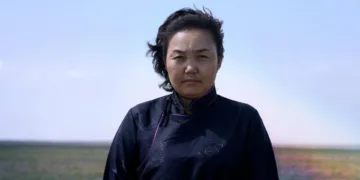
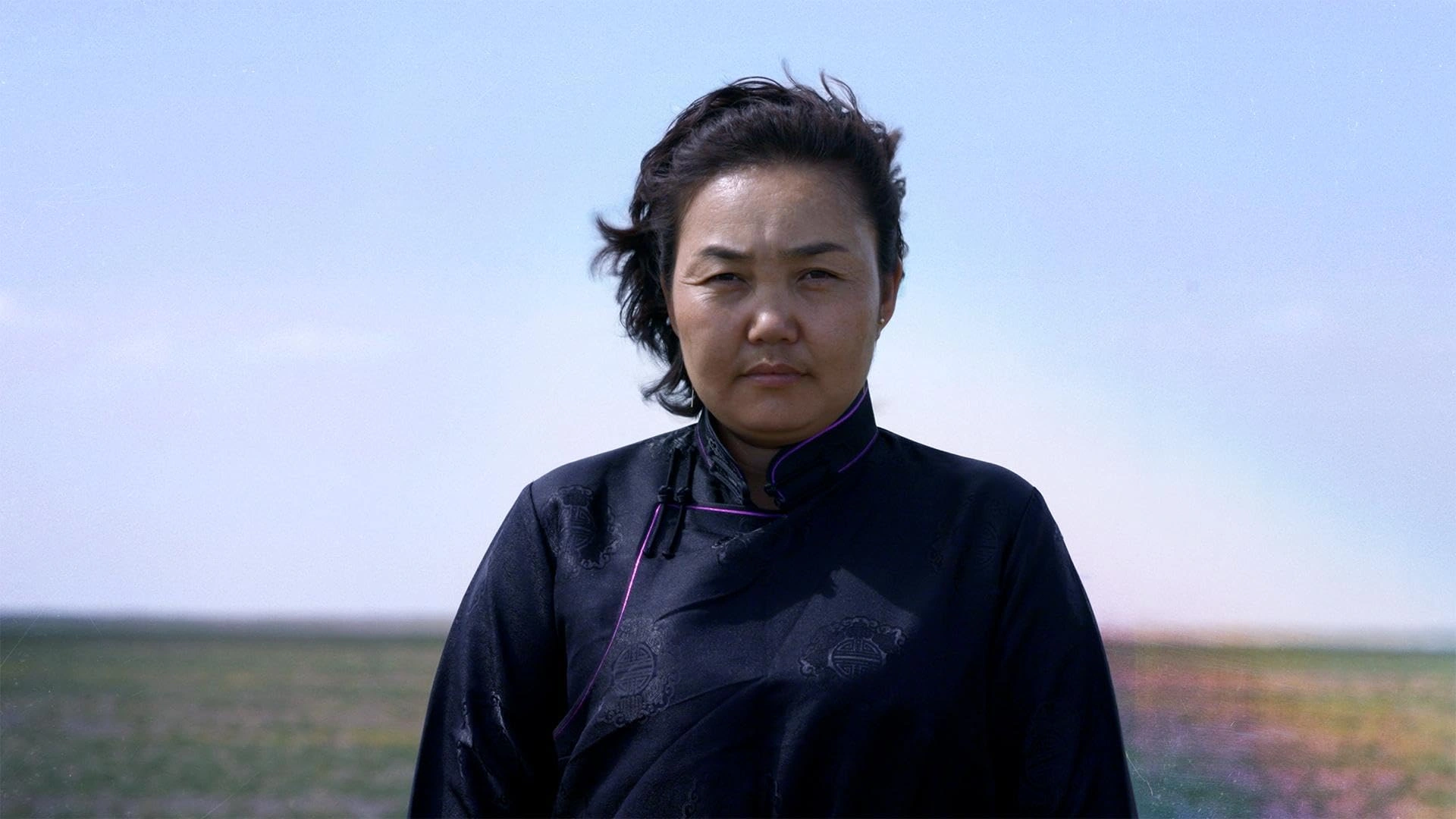
Choijoovanchig’s documentary follows Maikhuu Sengee, one of Mongolia’s rare female coal truck drivers, across several years of work, family rupture, illness, pregnancy, and debt. She hauls coal from the White Rock mining settlement toward the Chinese border because other jobs have failed her. Hairdressing in Ulaanbaatar did not pay enough. Taxi driving did not cover the bills. Trucking gives her money, then takes away time with her children, sleep, safety, and pieces of her body.
That bargain gives the film its cultural tension. For viewers outside Mongolia, the road may first appear exotic in its scale: the desert, the border, the endless queue of lorries. Choijoovanchig keeps pulling it back toward the ordinary pressure of survival. Maikhuu cooks in her cab. She calls home. She waits. She keeps driving because stopping would be a luxury.
Maikhuu’s Labor, Maikhuu’s Country
Maikhuu is a powerful subject because she refuses the neatness documentaries often impose on working-class endurance. She can be funny, stern, warm, and impatient in the same stretch of road. She talks about providing for her children with clear-eyed pragmatism, then the film cuts to the cost of that pragmatism: a daughter’s birthday marked through a phone screen from inside the cab, a meal eaten alone, a mother present only as a digital face.
The film’s best domestic material comes from this split between care and absence. Maikhuu’s sister looks after the children in Ulaanbaatar, quietly forming the family structure that allows Maikhuu’s work to continue. This is one of the film’s sharpest observations about women’s labor: one woman enters a male-dominated profession, and another woman absorbs the unpaid care that makes it possible.
Her body carries the same uneven accounting. Pain from an old accident follows her into the driver’s seat. Medical care and insurance sit outside reach. When she says the drivers are invisible, the line lands because the film has already shown the mechanisms of that disappearance. Drivers pass overturned trucks on the roadside. They sit in border queues for days. They hurry along narrow roads because payment depends on completed trips, and danger becomes part of the wage.
Choijoovanchig does not turn Maikhuu into a speech about capitalism. He shows her prying open the side doors of a truck so coal can spill out, paying for a mechanic after a shredded tire, and breaking down with the raw question, “Why is this happening to me?” The national argument lives in the task itself.
Dust, Distance, and the Camera Above
The cinematography is the film’s most immediate bridge between local specificity and global legibility. White Rock is geographically particular, tied to Mongolia’s coal economy and its border relationship with China, yet the images speak a language familiar across resource economies: roads cut through emptied land, workers moving between debt and danger, settlements growing around industries that may not sustain them.
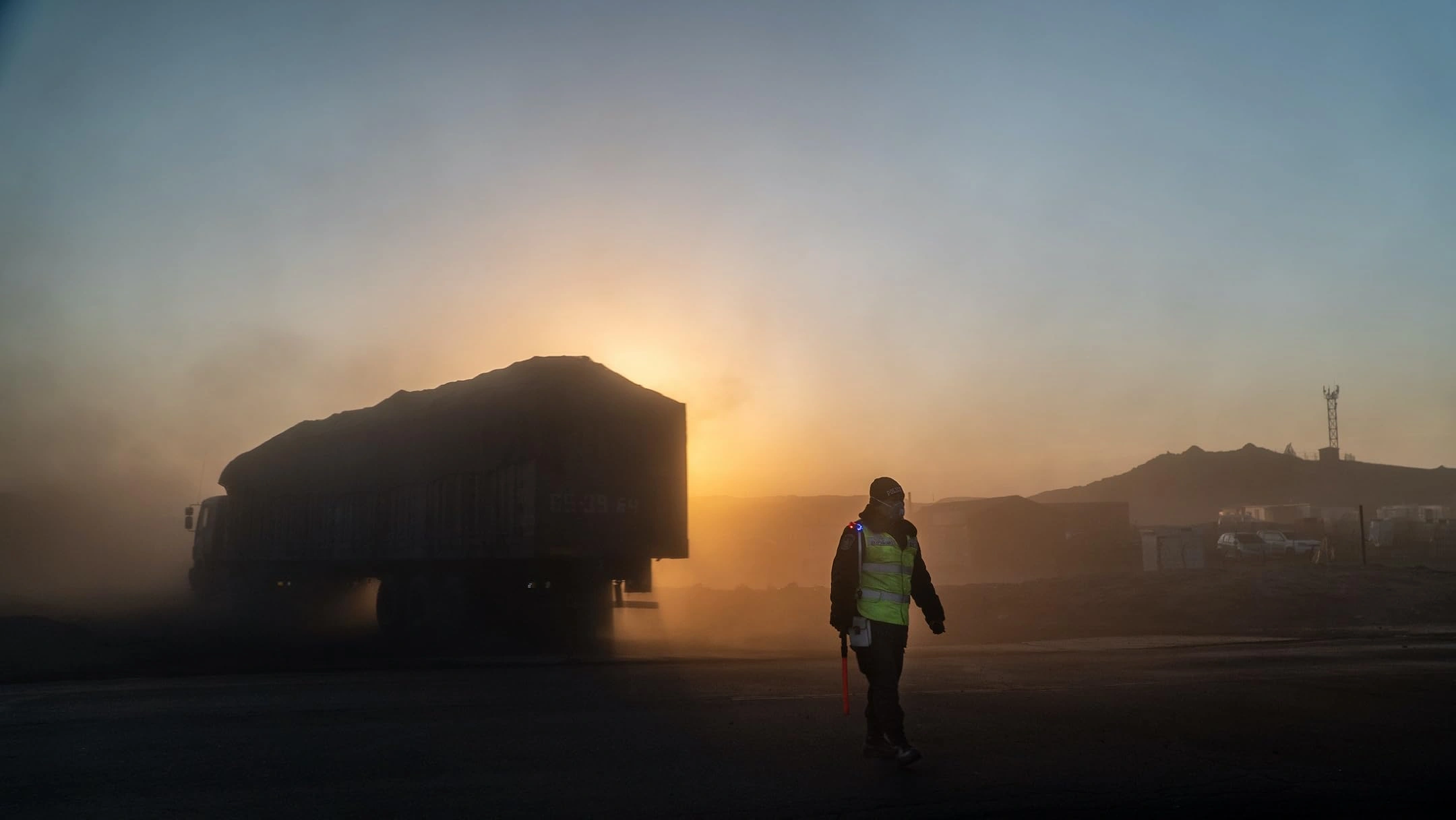
Choijoovanchig’s drone shots earn their height. From above, the trucks shrink into colored blocks, red, blue, green, and bottle-dark, crossing khaki earth like pieces pushed along a board. Convoys bend toward the horizon. A ridge scarred for coal becomes visible as a wound in the terrain. The Gobi looks planetary, then the frame reminds us that this otherworldly space is being used, bought, loaded, and exported.
Coal dust gives the film its recurring texture. It darkens faces, coats truck surfaces, stains soap, and hangs in the air around White Rock. The settlement’s name starts to sound like a bitter joke, since everything white in the film seems destined to be smudged. Ulaanbaatar receives its own grim visual treatment: yellow haze, rubbish, animals searching through waste, streets that feel economically connected to the mine road rather than separate from it.
Gael Rakotondrabe’s score pushes several road scenes toward the language of a slow thriller. The danger is never abstract. Each passing truck, each tight road, each night stop carries the possibility of disaster.
A Woman Judged for Surviving
The film’s gender politics are strongest when they stay close to social behavior. Maikhuu’s male peers can be friendly, and the film allows for those ordinary exchanges, yet the road remains shaped by male power. Sexual harassment appears in her account of trucking life, then echoes later in her taxi work. A woman alone at night, working around men, is never allowed the same basic anonymity as her colleagues.
The cruelest detail arrives through her daughter, who hears a school rumor that Maikhuu is a sex worker. That moment clarifies how social judgment travels faster than understanding. A mother leaves home to earn money, and the community fills her absence with suspicion. The insult is aimed at Maikhuu, yet it lands on the child, turning economic necessity into inherited shame.
Choijoovanchig’s patience matters here. He does not soften Maikhuu into saintliness. She is too tired for that, and the film respects the fatigue. Her pregnancy, with the father kept outside the frame, deepens the portrait without solving it. Men remain peripheral, sometimes absent, while Maikhuu and her sister carry the visible consequences.
Waiting as Form
The film’s structure follows the rhythm of queues, delays, and returns. Its timeline stretches across the pre-COVID period, the pandemic disruption that sidelines drivers, and Maikhuu’s forced movement back toward work after city jobs fail to hold her family above water. Her voiceover gives the film continuity, yet the editing sometimes leaves the years feeling hazy.
That looseness hurts the Ulaanbaatar passages. The family scenes bring tenderness and strain, especially around the children, but the film loses some formal pressure when it leaves the road. The cab, the mine, the border queue, and the desert create a stronger cinematic system than the apartment interiors and taxi sequences. Choijoovanchig’s camera understands the geography of labor with greater force than the geography of home.
Still, the pacing has a logic of its own. This is a film about people whose lives are organized by waiting: waiting for customs, waiting for payment, waiting for repair, waiting for a safer job that never comes. In a film about waiting, the wait becomes the evidence.
Full Credits
Title: Colors of White Rock
Distributor: Tribeca Festival, Petite Maison Production, h264 distribution
Release date: June 6, 2026
Running time: 94 minutes
Director: Khoroldorj Choijoovanchig
Writers: Khoroldorj Choijoovanchig, Chantal Perrin, Kate Kennelly, Tessa Louise Salomé
Producers and Executive Producers: Tessa Louise Salomé, Luc Sorrel, Chantal Perrin, Kate Kennelly
Cast: Maikhuu Sengee
Director of Photography (Cinematographer): Khoroldorj Choijoovanchig
Editors: Simon Le Berre
Composer: Gael Rakotondrabe
The Review
Colors of White Rock
Colors of White Rock turns a Mongolian coal route into a portrait of labor, gender, and national change without flattening Maikhuu Sengee into a symbol. Khoroldorj Choijoovanchig’s road imagery gives the film its grand scale, while Maikhuu’s cab meals, video calls, pregnancy, and repairs keep it painfully human. The structure sometimes drifts away from its strongest terrain, yet the film’s patience suits a life built around waiting.
PROS
- Striking Gobi cinematography
- Maikhuu’s layered presence
- Sharp labor portrait
- Strong gender critique
- Powerful coal-dust imagery
CONS
- Hazy timeline
- Softer city passages
- Some absent figures feel underexplored
- Pacing can slacken