














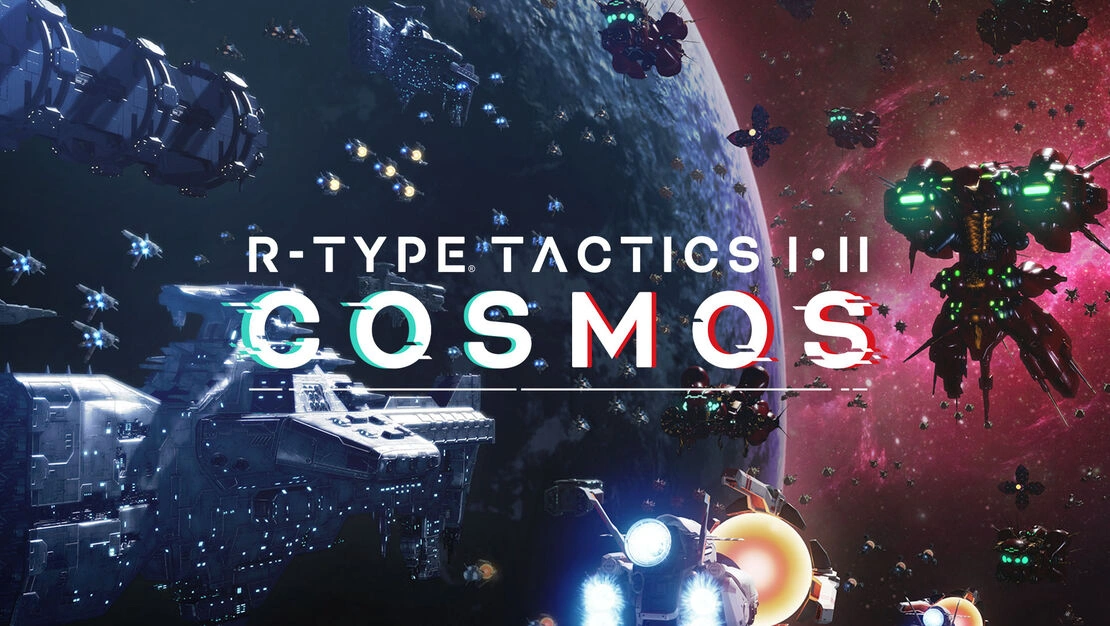

A Wave Cannon is a strange thing to turn into homework. In the arcade lineage of R-Type, it is a held breath before release, a beam fired through a corridor of enemies after seconds of pressure. In R-Type Tactics I • II Cosmos, that same idea becomes a calendar problem. Can your ship survive long enough to charge? Can your formation stay clear of the firing line? Can you stop the enemy’s own shot before it erases the careful little fleet you spent twenty minutes arranging?
That translation explains why this collection works better than its premise suggests. Granzella takes two PSP strategy spin-offs, adds the long-missing official English version of R-Type Tactics II: Operation Bitter Chocolate, includes new Cosmos material, and keeps the oddest part intact: this is still recognizably R-Type, even after its reflexes have been replaced with hexes, scouting, supply chains, and slow terror.
The Bydo War Gets Rewritten From Inside
The first campaign begins where a veteran of the series would expect it to begin. Humanity faces the Bydo Empire, a biomechanical force that turns flesh, metal, and weaponry into corrupted extensions of itself. You command the Earth Space Corps as a custom admiral, building a fleet from early fighters, recon units, support ships, and larger vessels until the war expands beyond a simple defensive push.
The smartest move comes when the game changes the side of the board. The late shift into the Bydo perspective gives the original conflict a colder shape. Former allies become targets, familiar ships become prey, and the enemy’s biological logic enters the hangar.
This is where the first game earns its place inside the franchise family tree. The shooters always implied something rotten behind the Bydo threat, usually through grotesque bosses and weapon descriptions. Here, that rot becomes a campaign structure.
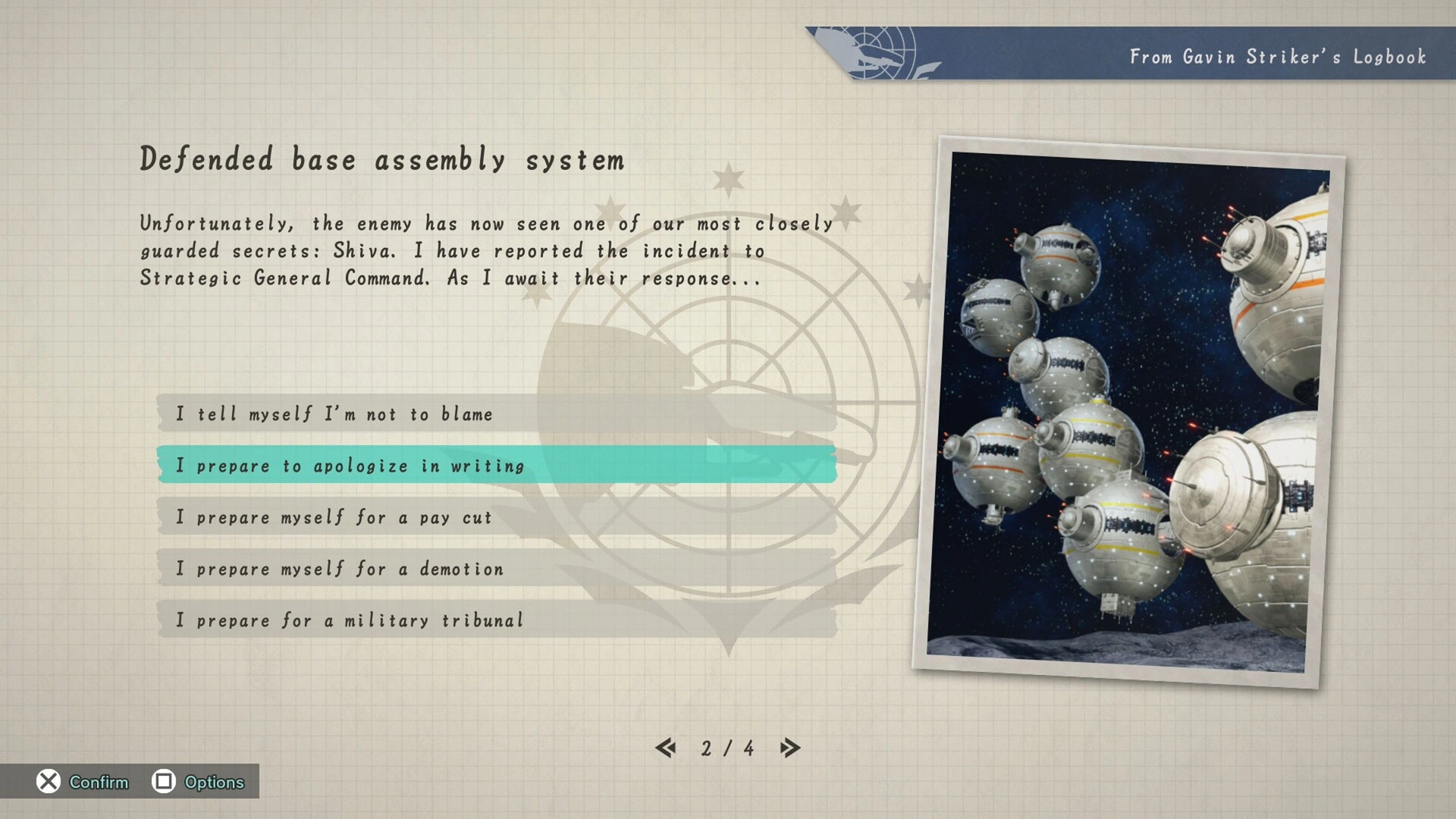
Operation Bitter Chocolate takes the better sequel route by widening the damage. Humanity survives one nightmare, then turns its borrowed nightmare into politics. The conflict between the Earth Allied Armed Forces and the Granzella Revolutionary Army gives Force technology a moral cost, especially because the player has already seen how Bydo tools change the battlefield. Branching briefings and mission choices are simple, yet they fit the material. The sequel does not need a grand character drama to make its point. A dry commander’s report after a brutal mission says plenty.
Also Read



Shooter Rules, Strategy Consequences
The battlefield looks like a side-scroller slowed to a crawl. Ships move across a two-dimensional hex grid, usually with the familiar left-to-right pressure of classic R-Type. That visual decision matters because firing direction is the foundation of combat. A bomber with a devastating shot can be useless if it is facing the wrong lane. A fighter with a charged weapon becomes a liability if your own units are stacked in front of it.
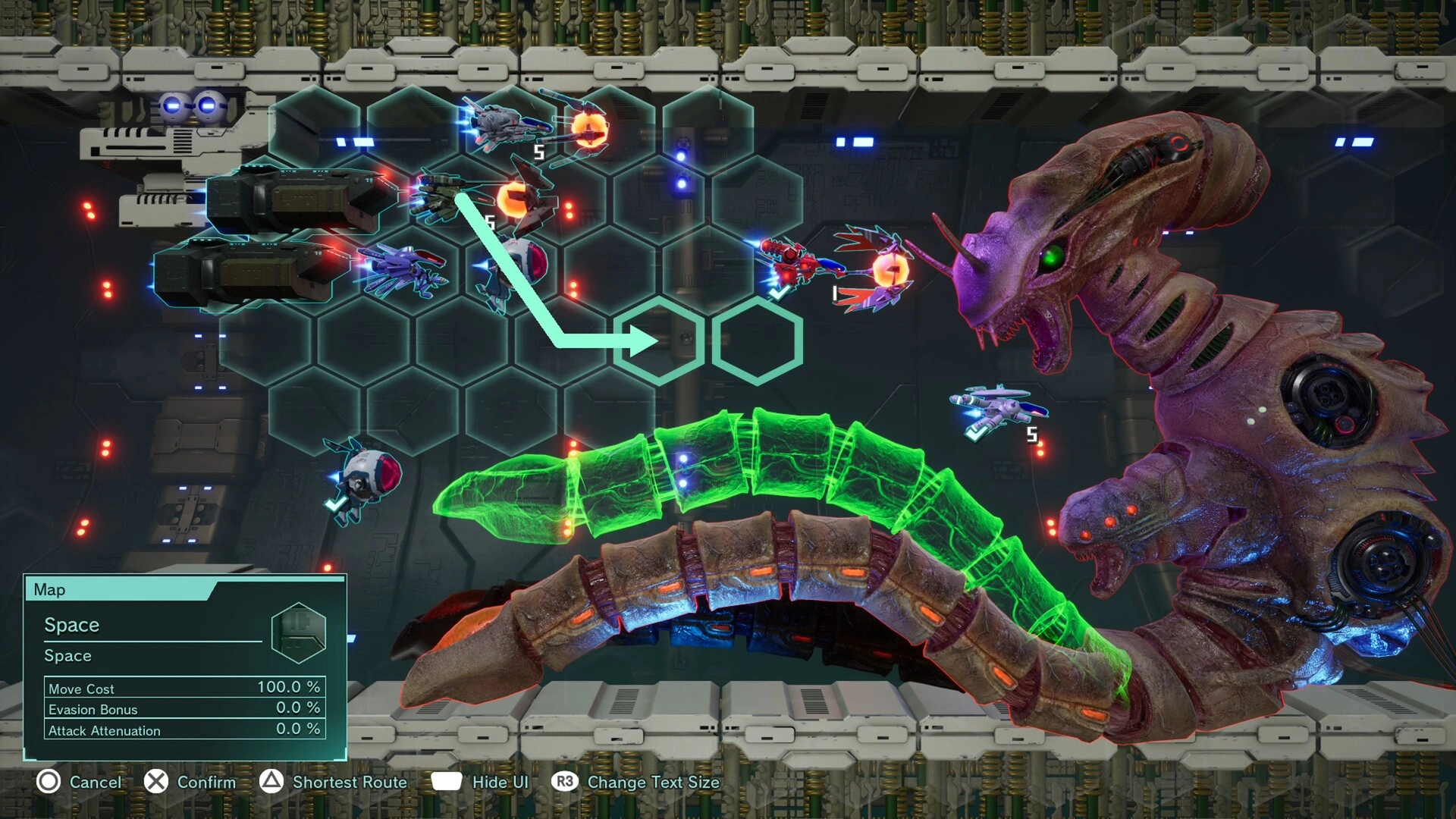
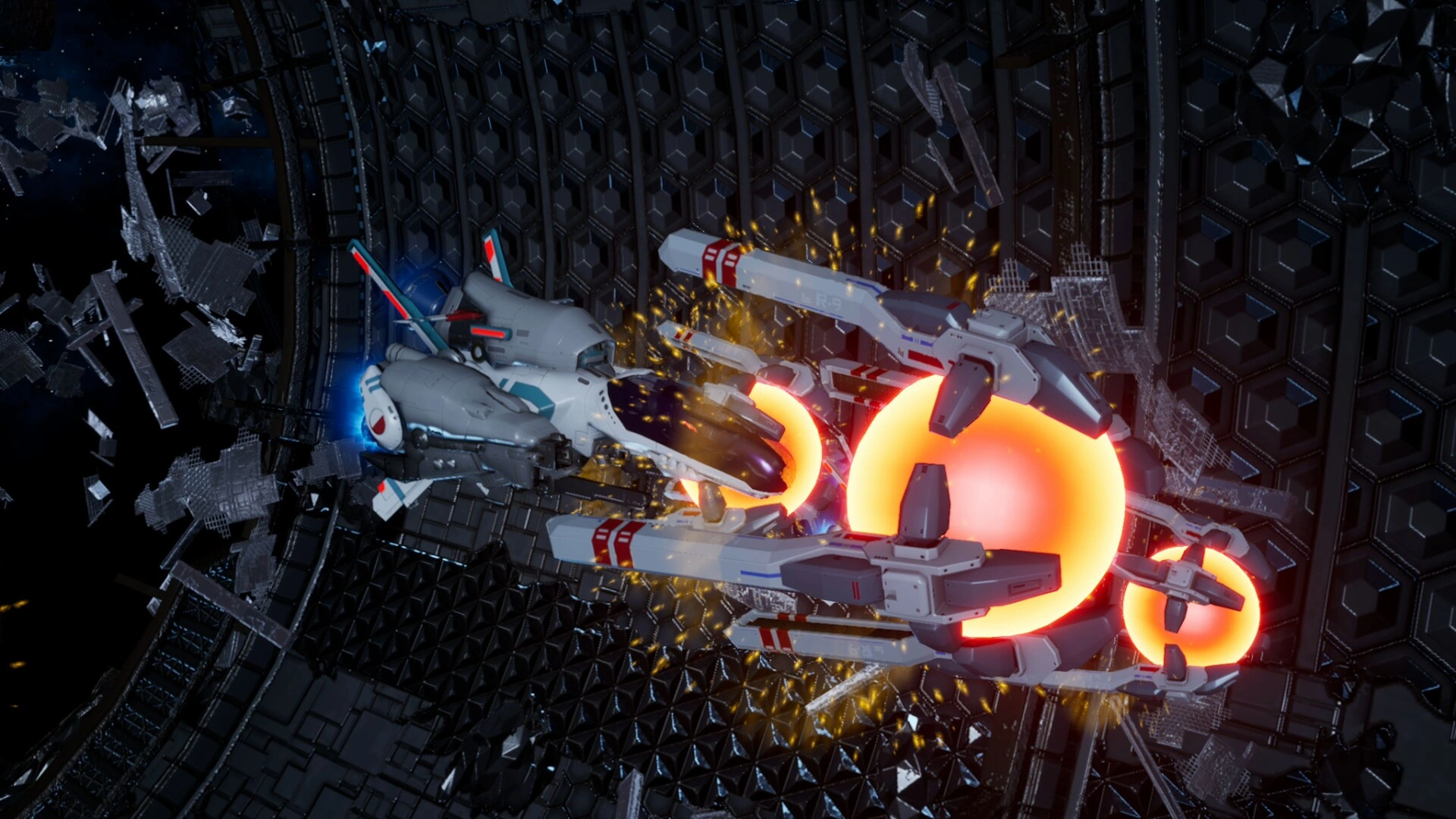
Force units are the cleanest piece of adaptation. In the arcade games, the Force is the series’ signature safety tool, a living weapon you attach to your ship for offense and protection. Here, it can act as an independent unit or dock to the front or rear of compatible fighters.
That choice changes available attacks, opens Force lasers, and creates a small tactical question every time: do you want two separate bodies on the grid, or one stronger configuration? Since Forces can take damage here, the old comfort of invincibility is gone. The franchise icon has been made vulnerable, which is exactly why it becomes interesting again.
Charge weapons give the game its sharpest rhythm. Many of the strongest attacks need several turns to prepare, and taking damage cancels the charge. That rule turns weak units into sacrificial tools. A tiny craft sent forward to scratch an enemy Wave Cannon can save a flagship. A careless advance can cost you an hour. The system captures the old R-Type feeling in a different language: survival depends on knowing the line of danger before the screen punishes you.
The unit roster keeps that language varied. Decoys pull fire away from fragile ships. Recon craft matter because fog of war hides threats until you have visual contact. Support vessels keep fuel and ammunition from turning a bold push into a stranded disaster. Later options, such as phasing units and Bydo organisms, change how corridors, bottlenecks, and terrain hazards are read. The best missions feel like fleet puzzles, where the solution is rarely one powerful ship and usually a careful relationship between scouting, range, supply, and timing.
The Old PSP Skeleton Still Shows
The collection asks for patience before it earns trust. Newcomers receive objectives and tools, then are expected to learn through manuals, archives, tooltips, and failure. That approach matches the old-school strategy mood, but it can make the first hours feel unnecessarily stiff.
The game has three resources, fuel limits, ammo counts, terrain effects, capturable facilities, unit shapes, docking rules, charge timing, and turn order to track. An interactive tutorial would have made the opening stretch less abrasive without softening the design.
Large battles expose the age of the original structure. Moving a broad fleet across the map one unit at a time can become mechanical labor, especially in missions that encourage defensive play. The charge system often rewards waiting for enemies to come forward, which can turn tense standoffs into cautious inching. A single mistake near the end of a long map has real sting, and not always the productive kind. Sometimes the lesson is tactical. Sometimes the lesson is that the menu flow came from 2007.
Presentation carries the same split personality. The rebuilt 3D battle vignettes make missiles, beams, and ship attacks easier to admire during early hours, then become prime candidates for skipping once missions stretch. The models and environments look cleaner than their PSP origins, but many grid scenes still have a board-game plainness.
Voice work helps the commander logs and intermission material land with greater weight, especially in a story told through reports and briefings. The music fits the military sci-fi frame, then repeats enough to remind you how long some operations run.
Readability can also strain. Busy backgrounds can make units harder to separate from the battlefield, and the acted-unit state is too subtle for a game built around commanding many pieces per turn. A larger text option and stronger contrast settings would help the collection feel less trapped between handheld origins and modern screens.
A Demanding Preservation Project With Real Tactical Teeth
For returning R-Type players, Cosmos answers a question the series has carried since the PSP era: can this universe survive without the shooter format? The answer is yes, because the adaptation respects the original grammar. Wave Cannons still punish bad positioning. Forces still define survival. The Bydo still corrupt the meaning of progress. The difference is that every familiar idea now asks for planning instead of reflex.
For strategy players with no attachment to the series, the appeal depends on tolerance for dry systems and slow turns. The campaigns are huge, the official localization of Operation Bitter Chocolate is valuable, and the added content gives the package serious weight.
The price of entry is a willingness to read, restart, experiment, and accept some dated design habits. That is a fair bargain for the right commander. A very specific commander, sure. The kind who sees a Wave Cannon charging across three turns and thinks: finally, a scheduling problem worth solving.
The Review
R-Type Tactics I • II Cosmos
R-Type Tactics I • II Cosmos is a dense, demanding, and deeply faithful strategy revival that understands why this franchise matters. Its best trick is making Wave Cannons, Force units, Bydo corruption, and left-to-right pressure work inside a hex-grid tactics game. The package carries old PSP friction, dry onboarding, and long missions that test patience, but the tactical imagination is strong enough to survive those scars. For series fans and strategy players who enjoy hard systems, this is a valuable restoration with real bite.
PROS
- Smart shooter-to-strategy translation
- Excellent Force unit mechanics
- Huge campaign package
- Strong Bydo perspective shift
- Official sequel localization
CONS
- Dry onboarding
- Dated menu flow
- Long, slow missions
- Battlefield readability issues
- Repetitive music in extended play