

















Ryoma Akai carries the most dangerous punch in Blazing Fists before he ever throws one. He knows Ikuto Yagura was sent to juvenile detention for a mugging he committed, and every friendly exchange between them is contaminated by that knowledge. Takashi Miike understands the usefulness of this secret immediately. Their friendship may be built in confinement, but guilt provides the bars.
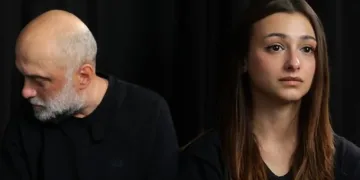
Ikuto, played by Danhi Kinoshita, arrives with violence already attached to his identity. He supposedly defeated six opponents before being locked up, and his promise to brutalize the person who framed him makes Ryoma’s silence understandable, if hardly admirable. Kaname Yoshizawa plays Ryoma with enough nervous restraint that ordinary conversations acquire a faint interrogative quality. Ikuto does not know he is questioning his own betrayer.
The film doubles that injustice through Ikuto’s father, Daisuke, who awaits trial for murder while insisting that an employee killed herself before he could stop her. Father and son are both trapped inside accusations, which gives Miike’s delinquent melodrama a darker proposition: innocence matters less once society has already assigned the role of criminal.
Learning Where to Hit
Mikuru Asakura’s appearance at the juvenile facility changes the meaning of violence without pretending violence will disappear. His speech offers Ikuto and Ryoma a credible image of life after detention because Asakura’s own history gives his success practical weight. When the boys pursue a place in the Breaking Out competition, the gym becomes an alternative institution, one built around rules rather than suspicion.
Miike keeps separating these two forms of combat visually. Street fights frequently play in wider, steadier compositions, leaving bodies to collide inside frames that refuse the heroic intimacy common to boxing cinema. These are ugly exchanges of status: someone insults, someone retaliates, someone proves that another beating has solved absolutely nothing.
Inside training and sanctioned bouts, the camera moves nearer. Shakier framing and tighter compositions convert punches into tests of endurance and control. The violence has not become noble. It has acquired structure.
Also Read




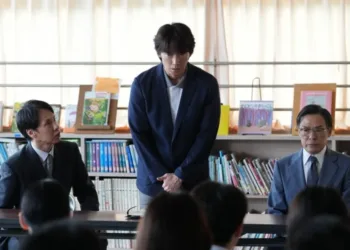

That distinction matters whenever Hakamada appears. His contempt for the detained youths turns rehabilitation into a cruel joke. He treats criminality as a permanent identity, so Asakura’s faith in change becomes radical simply because it grants the boys another possible future. Miike stages the conflict between those attitudes through people rather than speeches about policy. One adult sees garbage. Another sees unfinished lives.
The Long Walk to the Ring
Miike takes his time getting Ikuto and Ryoma anywhere near the familiar machinery of a fighting movie. Nearly forty minutes can pass through detention, family troubles, gang encounters, and uneasy friendship before the gym gains real narrative weight. Some of that patience pays off because later punches carry histories with them. Some of it looks suspiciously like a director refusing to throw away any subplot that wandered onto the set.
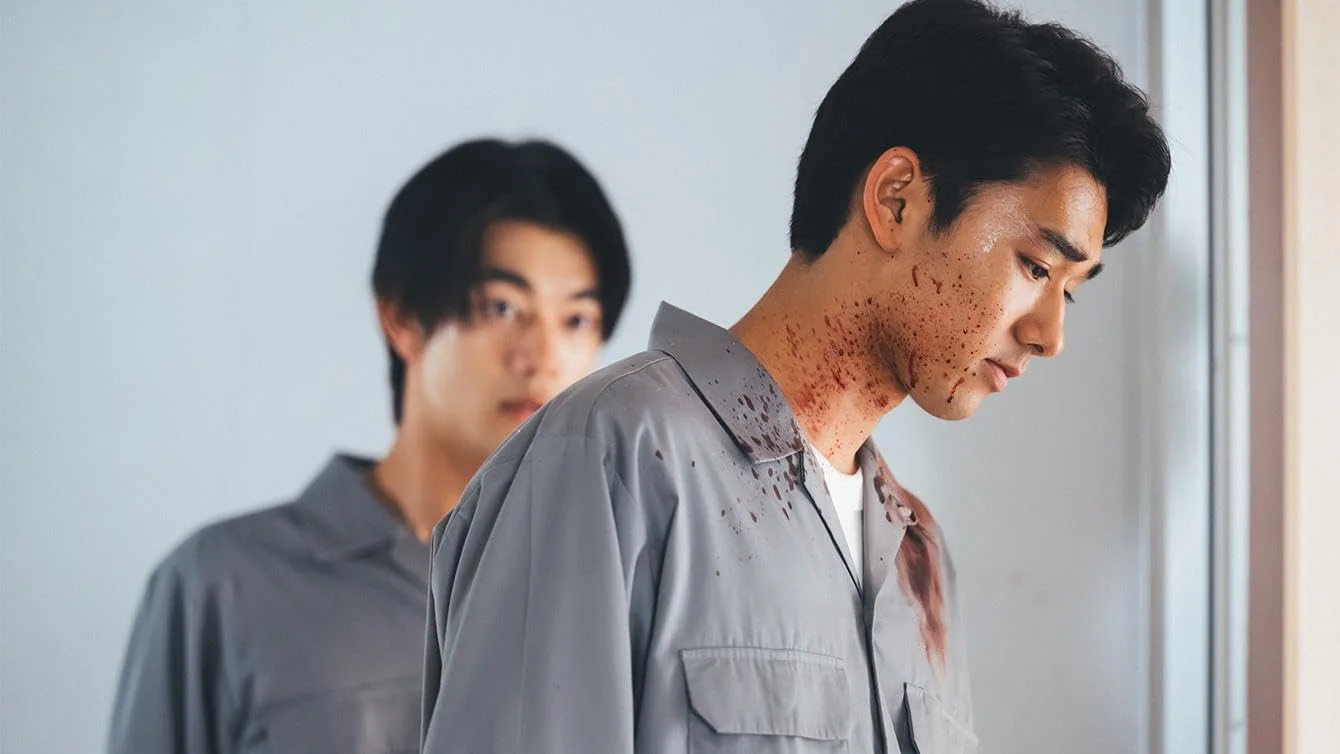
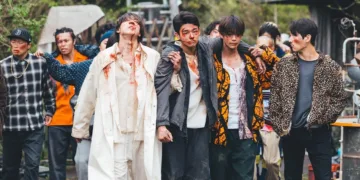
The Krishnas motorcycle gang contributes most heavily to that sprawl. Gackt’s Shizuka Mido is presented with theatrical menace, and his flamboyance pushes the film toward heightened gang mythology. Alliances shift, thugs multiply, confrontations interrupt the training plot, and the sports drama begins resembling The Warriors after somebody accidentally scheduled an MMA tournament.
The action itself is inconsistent. Several bouts lack the clean rhythm needed to make technique readable, and individual exchanges can feel flatter than the dramatic buildup deserves. Miike responds by changing the objective. Instead of pursuing pristine fight choreography, he uses blood, comic timing, punk attitude, and sudden bursts of aggression to make combat increasingly unstable.
Music helps sell that disorder. Punk and metal cues arrive when confrontations stop pretending to be realistic athletic contests, pushing scenes toward the abrasive energy Miike has long preferred to tasteful restraint. The soundtrack does not decorate the chaos. It gives the chaos permission.
The Secret Enters the Ring
Everything eventually circles back to Ryoma’s green hoodie. The gangs, Breaking Out, and Ikuto’s determination provide visible threats, yet the film’s sharpest suspense comes from waiting for friendship to collide with concealed guilt. Ryoma wants the same second chance Ikuto wants while benefiting from Ikuto’s wrongful punishment. Rehabilitation becomes morally messy the moment one person’s fresh start rests on another person’s stolen time.
Miike loads considerable pressure onto the final stretch because so many conflicts spend the preceding film waiting to erupt. Mido’s gang must be confronted. The competition must justify months of training. Ryoma’s secret must survive contact with Ikuto’s rage.
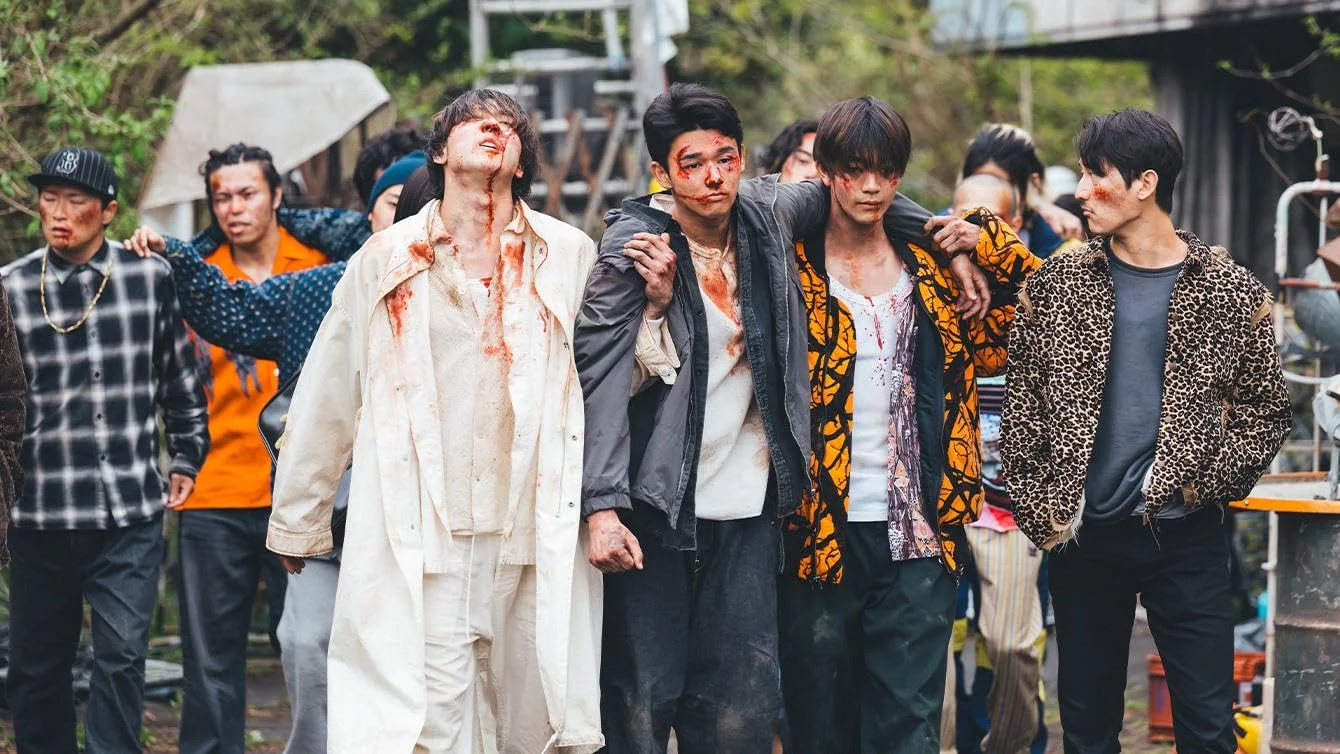
The resulting escalation abandons the clean geometry of a traditional boxing finale. Bodies pile into the frame, violence becomes increasingly vicious, and disciplined fighting gives way to something closer to a ballroom riot conducted with fists. Miike’s camera stops asking who has the prettier technique. It asks what each character chooses to do once anger gives them permission to become their old selves again.
That is where Ikuto’s reaction to betrayal matters most. His entire future has been built around learning that violence can have limits, while Ryoma represents the personal grievance most likely to erase them. The film’s moral argument lives inside that choice, amid blood, gang theatrics, and enough punk noise to make subtlety file for early retirement.
Blazing Fists premiered in Japanese cinemas on January 31, 2025, and later expanded to digital and streaming platforms internationally. Directed by Takashi Miike, the intense action-drama follows two young men who form an unbreakable bond in juvenile detention and set their sights on competing in the high-stakes, rapid-fire martial arts tournament known as Breaking Down.
Where to Watch Blazing Fists (2025) Online










Full Credits
Title: Blazing Fists
Distributor: GAGA, Yoake Film
Release date: January 31, 2025
Running time: 1 hour 59 minutes
Director: Takashi Miike
Writers: Shin Kibayashi
Producers and Executive Producers: Mikuru Asakura, Yuji Mizoguchi, Tamon Andrew Niwa, Misako Saka, Shigeji Maeda
Cast: Danhi Kinoshita, Kaname Yoshizawa, Gackt, Wataru Ichinose, Nobuaki Kaneko, Takumi Saitoh, Seishirô Katô, Yû Koyanagi
Director of Photography (Cinematographer): Nobuyasu Kita
Editors: Naoichiro Sagara
Composer: Kōji Endō
The Review
Blazing Fists
Blazing Fists works best when Takashi Miike treats violence as a moral language rather than athletic spectacle. Static street brawls keep brutality ugly and impersonal, while the camera presses closer once Ikuto and Ryoma enter controlled combat. The sprawling gang material and uneven fight choreography blunt some momentum, yet Ryoma’s concealed guilt gives the friendship a sharp ethical fracture. By the finale, Miike abandons sporting neatness for something bloodier, stranger, and unmistakably his.
PROS
- Strong Ikuto-Ryoma moral tension
- Purposeful contrast in fight staging
- Gackt’s theatrical gang villain
- Punk-inflected final escalation
CONS
- Uneven combat choreography
- Crowded secondary plotting
- Slow route toward the gym
- Some melodrama lacks tension