























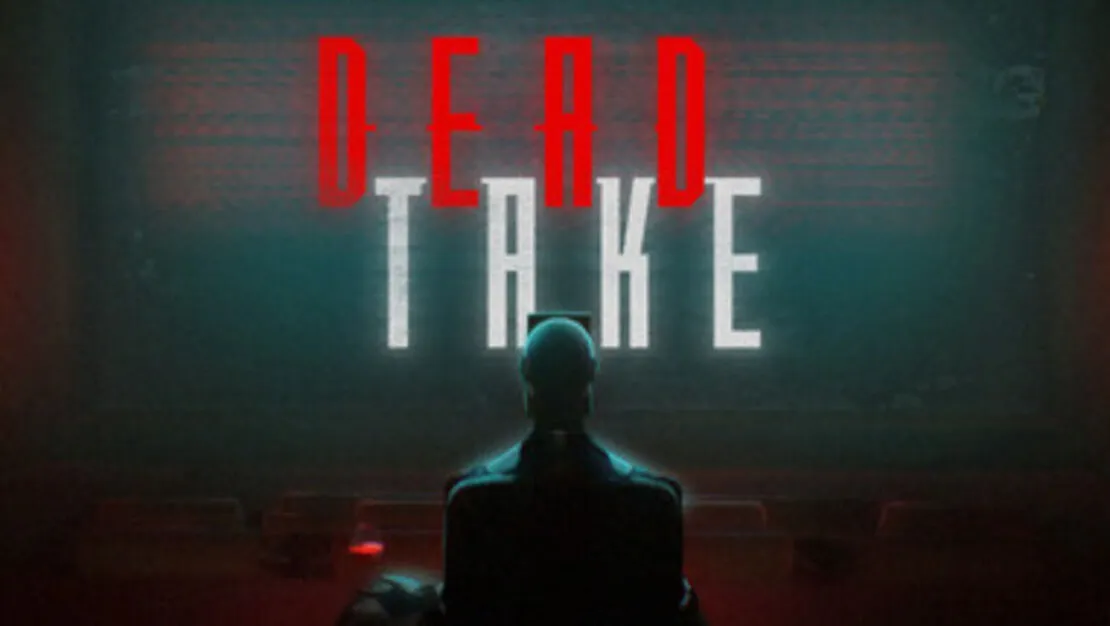

Hollywood is a global dream factory, an exporter of myths that shape aspirations from Tehran to Tokyo. Dead Take, the new psychological horror game from Surgent Studios, positions itself not as another product of that factory, but as a tour of its broken machinery.
The game presents a familiar cinematic nightmare. You are Chase Lowry, an actor portrayed by Neil Newbon, stepping into the cavernous Hollywood mansion of producer Duke Cain. Your friend and professional rival, Vinny Monroe, played by Ben Starr, has vanished after a party, and the house holds the only clues.
This first-person interactive mystery uses the tropes of the haunted house genre to dissect something far more tangible: the corrosive nature of ambition. It is a story steeped in the specific culture of the American film industry, yet its cautionary tale about power and desire feels unnervingly universal.
An Architecture of Dread
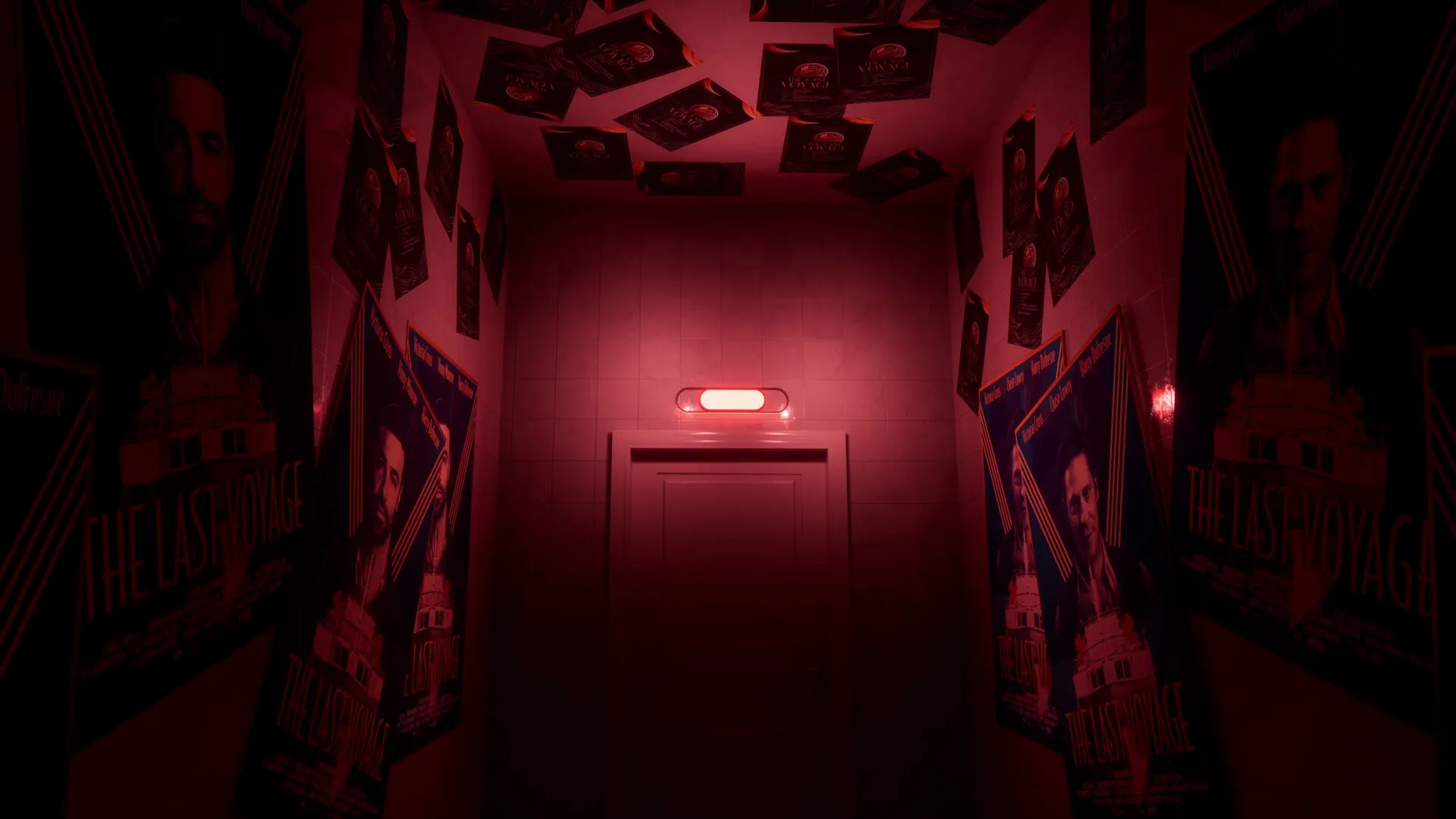
The game’s primary location, Duke Cain’s mansion, functions less as a setting and more as a physical manifestation of a diseased psyche. Its design philosophy is that of a “reverse escape room,” a structure that consciously inverts the genre’s typical goal. Standard escape narratives are about returning to safety; this design is about a deliberate descent into sickness.
Every solved puzzle pulls you further into the house’s dark heart, a mechanic that directly mirrors the psychoanalytic journey of confronting a repressed subconscious. You are not trying to get out; you are being compelled to go deeper to understand the source of the rot. This approach creates a specific type of dread, one built on player volition rather than external coercion.
The horror here largely avoids the loud, percussive shocks common in many Western horror blockbusters. It instead favors a sustained, quiet tension more aligned with the atmospheric traditions of Japanese horror.
The quiet dread and focus on a psychologically “haunted” location evoke the principles of J-horror, where the horror emanates from the psychic residue of trauma embedded in a place. The mansion itself feels like an onryō, a vengeful entity poisoned by the terrible acts committed within its walls.
This atmospheric weight is achieved through meticulous audiovisual design. The soundscape is a masterclass in minimalism, defined by an oppressive silence that makes your own footsteps echo with alarming clarity. This quiet is punctuated by distant, indecipherable noises, a technique that weaponizes the player’s imagination against them.
A persistent low-frequency hum keeps the senses perpetually on edge. The visuals, rendered with the unsettling clarity of Unreal Engine 5, use deep shadows and erratically flickering lights to make every corridor feel claustrophobic and hostile.
The architecture itself contributes to the disorientation, with strangely shaped rooms and illogical layouts reminiscent of the impossible geography in Stanley Kubrick’s The Shining, where the space itself is a tool of psychological warfare.
The environment is also unstable. The game’s use of mannequins is particularly effective, tapping into the “uncanny valley” concept explored by roboticist Masahiro Mori. These figures are unsettling because of their lifeless humanity.
When they move or disappear between glances, it signifies a profound violation of natural law, blurring the line between inanimate object and malevolent entity and confirming that the rules of reality are decaying within the mansion’s walls.
The Rituals of Progression
Interaction in Dead Take revolves around a loop of exploration and puzzle-solving that feels less like a game and more like a series of disturbing rituals. To uncover the mansion’s secrets, the player must sift through the detritus of broken lives, collecting symbolic items and deciphering cryptic clues.
These actions are the necessary rites to unlock new wings of the house and, more importantly, the USB drives that carry the game’s fragmented soul. The puzzles are designed to be thematic extensions of the narrative. A puzzle involving a grand piano adorned with demonic symbols immediately suggests a Faustian pact, the trading of integrity for fame.
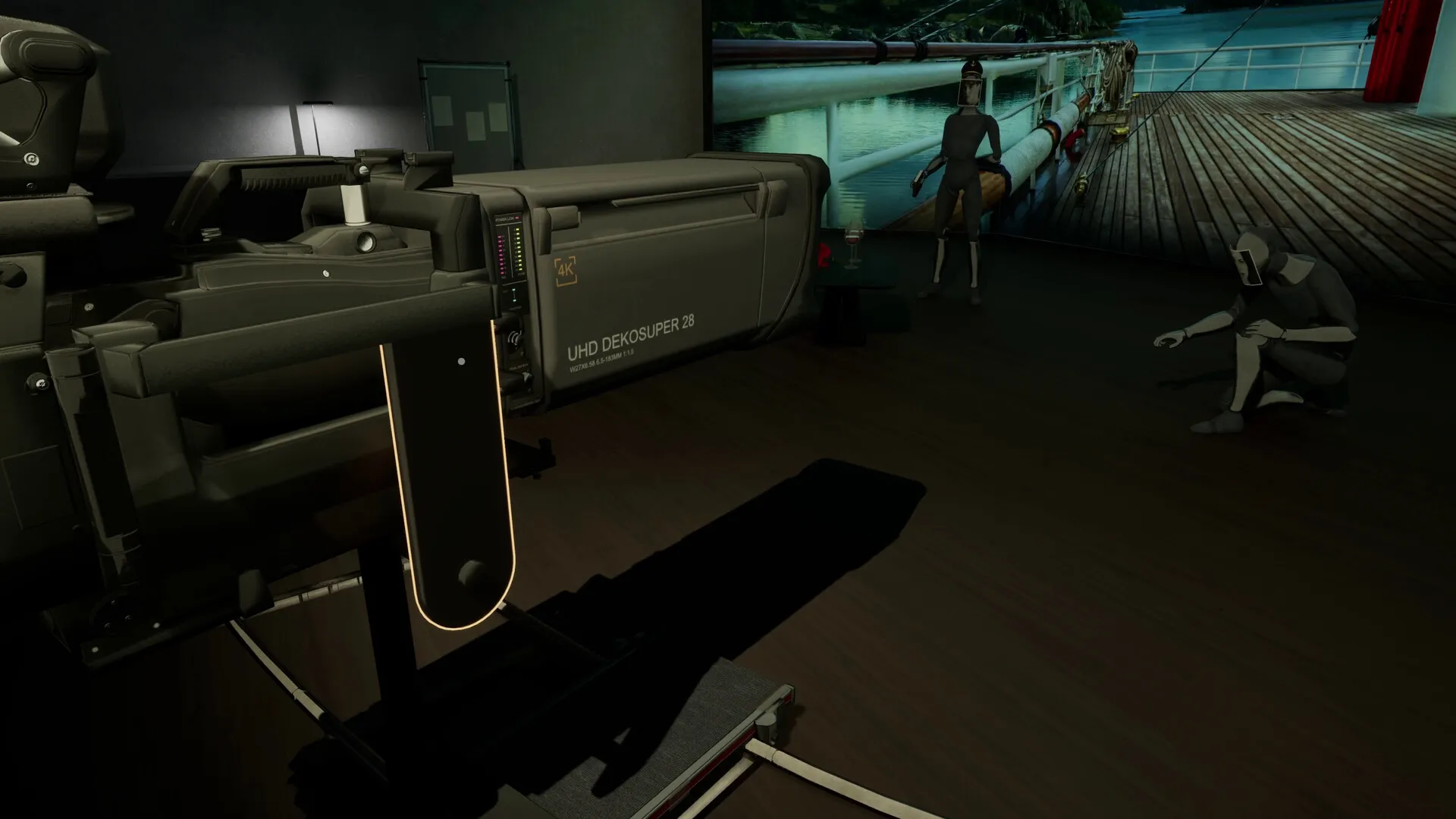
Another task requires you to correctly develop photographic film, a potent metaphor for bringing a hidden, latent truth into the light. Perhaps the most on-the-nose example is a puzzle that requires you to arrange mannequins on a film set according to a director’s demanding script notes, a direct interactive commentary on the tyrannical control and obsessive perfectionism that drives the industry. These puzzles demand careful observation and a sharp memory, rewarding the player who fully immerses themself in the environment.
This synergy between gameplay and theme, however, is not always consistent. The puzzle design suffers from a notable imbalance that can occasionally disrupt the narrative spell. Many puzzles provide a deeply satisfying intellectual challenge, reinforcing the fantasy of being a clever detective piecing together a grim conspiracy.
Yet, this feeling is frequently broken by challenges that are either transparently simple, reducing a tense moment to a trivial task, or so frustratingly obscure that they halt the game’s deliberate pacing. This inconsistency creates a point of friction where the game’s narrative ambitions and its interactive demands fail to harmonize.
One could argue this mechanical dissonance is itself a commentary, reflecting the arbitrary and often illogical nature of success in a place like Hollywood, where some doors open with ease while others remain inexplicably sealed.
But for the player, the result can be a jarring shift from deep immersion to pure frustration, a reminder that you are playing a game with rules that sometimes feel arbitrary. The reward for these efforts, a USB drive, always serves as a powerful motivator, pulling you back from the mechanics and toward the central, compelling mystery.
The Player as Editor
The game’s narrative is delivered through its most distinct and culturally resonant system: the combination of Full-Motion Video and the “Splaice” tool. Unlike traditional games that rely on text logs or audio diaries, Dead Take tells its story through corrupted video files, raw audition tapes, and private interviews. This choice grounds the game in the very medium it seeks to critique.
The player’s role is then elevated from a passive observer to an active participant through the “Splaice” mechanic. In a dusty screening room, you can feed two seemingly unrelated clips into a projector, which then combines them into a new, synthesized scene. An actor’s isolated line reading, when spliced with another’s, becomes a heated conversation.
This process reframes the player as an editor, a director, a manipulator of truth. You are engaging in an act of forensic reconstruction, but also one of voyeuristic intrusion, creating a coherent narrative from private moments the subjects never intended to reveal. This positions the player in a morally gray space, mirroring the parasitic culture of tabloids and gossip sites that feeds on the very industry it covers.
The use of FMV itself is significant. After being largely dismissed in the West as a 1990s gimmick, the form has seen a modern resurgence in games like Her Story and Telling Lies. Dead Take uses the technique not just for novelty but for its inherent authenticity.
The presence of real, breathing actors lends an emotional weight and vulnerability that CGI often struggles to replicate. The critique feels more pointed because the faces on screen are real. This powerful framing, however, clashes with the game’s most significant thematic contradiction: the magical realism of its item delivery. After a successful splice, a key item needed for progression will often just materialize outside the screening room door.
This break from the established psychological realism feels like a concession to gameplay convenience, a deus ex machina that solves a design problem at the expense of narrative consistency. One could interpret this as a commentary on lazy cinematic shortcuts, or perhaps as a manifestation of the protagonist’s fracturing psyche, where the laws of cause and effect no longer hold sway. The game never provides a clear answer, leaving this strange, supernatural element as a point of contention at the heart of its otherwise grounded world.
The Authentic Face of Ambition
Ultimately, the entire critical apparatus of Dead Take is supported by the raw, compelling power of its live-action performances. The game’s themes would feel abstract and preachy without the human faces that ground them in authentic emotion.
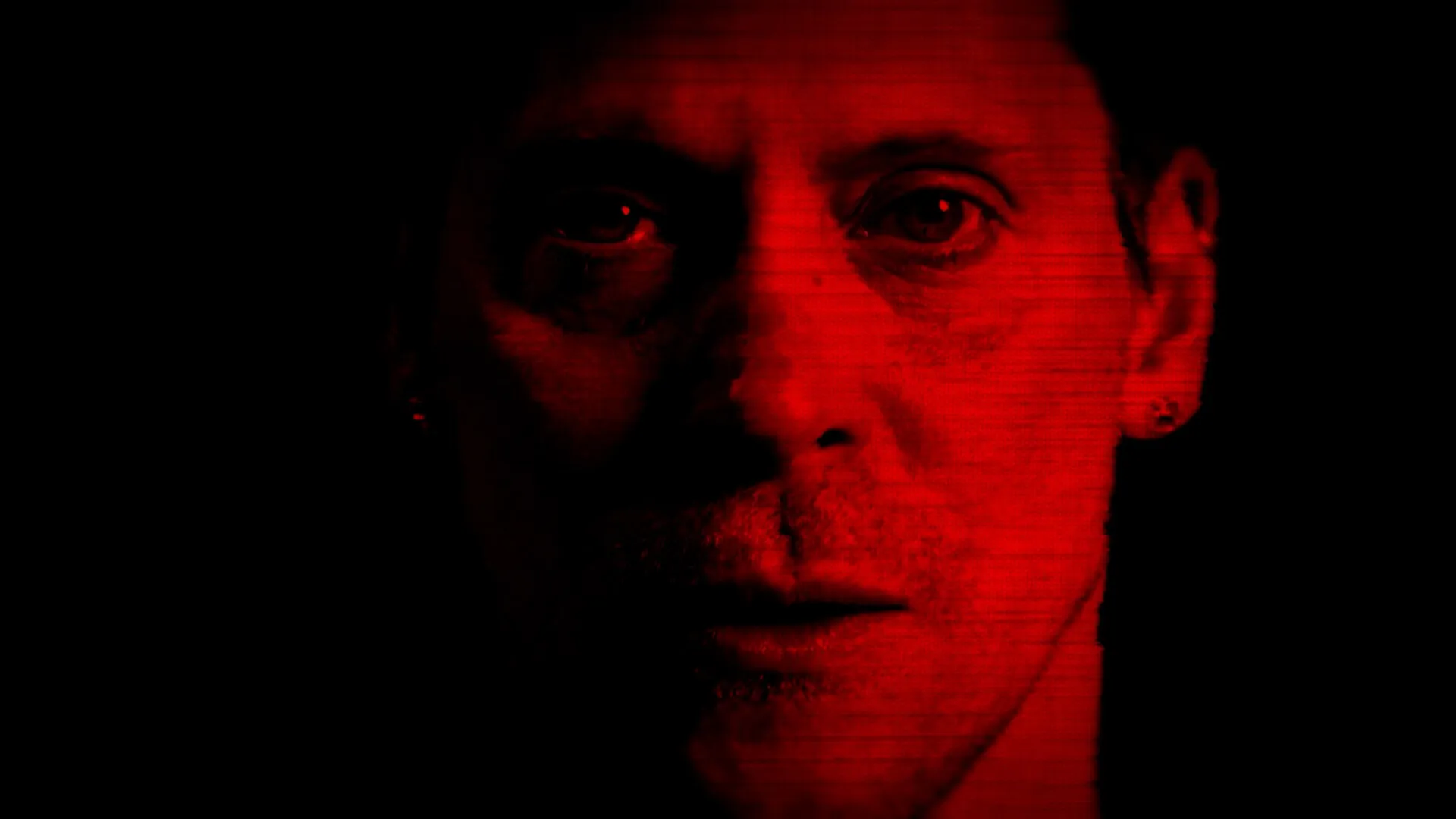
The casting itself is a meta-commentary, featuring actors like Neil Newbon and Ben Starr, who are well-known and successful within the video game industry, portraying characters who are desperate and struggling within the film industry. This creates a fascinating parallel, lending their performances an extra layer of meaning for the game-savvy audience.
We watch performers we recognize as successful embody the terror of failure, and their convincing portrayals of charisma, desperation, and betrayal make the game’s world feel frighteningly real. The high quality of the acting across the board sells the entire premise, transforming what could have been a simple horror game into a potent character drama.
The central mystery’s resolution may feel predictable to anyone familiar with stories of power and its abuse. The archetype of the powerful, manipulative producer is, tragically, not a novel invention. But to dismiss the narrative as predictable is to miss the point. The game is not structured as a classic whodunit; it is a procedural exploration of a tragedy.
Its purpose is not to surprise you with what happened, but to immerse you in the grim, soul-crushing details of how and why it did. The horror comes from witnessing the slow, inevitable creep of corruption, not from a shocking third-act twist. While the game is set within the very specific cultural context of Hollywood, its themes resonate globally.
The toxic dynamics of ambition, jealousy, and the abuse of power are not unique to the American film industry. They are present in corporate boardrooms in Seoul, political chambers in Brasília, and tech startups in Bangalore. Dead Take uses the globally recognized microcosm of Hollywood to hold up a mirror to a universal human failing, telling a story whose setting is American, but whose tragedy belongs to everyone.
The Review
Dead Take
Dead Take is a sharp, unsettling examination of ambition, powered by stellar live-action performances and an innovative narrative mechanic. It brilliantly uses psychological horror to critique the film industry's dark side. While its atmospheric tension is masterfully crafted, the experience is slightly hampered by inconsistent puzzle design and a surreal gameplay element that feels at odds with its grounded themes. Despite these mechanical flaws, it is a fascinating and intellectually stimulating horror game that leaves a lasting impression.
PROS
- Masterful atmosphere and sustained psychological tension.
- Outstanding live-action performances that elevate the entire story.
- Intelligent, thought-provoking critique of the entertainment industry.
- The "Splaice" mechanic is a unique and engaging way to deliver the narrative.
CONS
- Puzzle difficulty is inconsistent, ranging from overly simple to obscure.
- The supernatural method for item delivery clashes with the game's tone.
- The overarching story's conclusion is predictable.