

























Claudia Cardinale, the Tunisian-born Italian screen icon whose work with Luchino Visconti, Federico Fellini, and Sergio Leone helped define postwar European cinema, has died at 87 in Nemours, France, according to family and representatives. Her children were by her side.
Born in Tunis in 1938 to Sicilian parents, Cardinale entered film after winning a local beauty contest in 1957, a detour that led quickly to festival attention and a contract in Rome. Early in her career her distinctive voice was often dubbed, yet she became a marquee presence through roles that balanced magnetism with resolve.
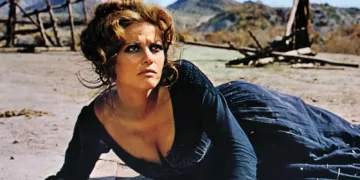
Her international breakthrough came in 1963 with the one-two of Fellini’s “8½” and Visconti’s “The Leopard,” followed by Hollywood turns including “The Pink Panther” and, in 1968, Leone’s “Once Upon a Time in the West,” where her portrayal of Jill McBain anchored the film’s operatic vision of the frontier. She would appear in more than 100 features over six decades.
Cardinale received major career honors, among them the Golden Lion for Lifetime Achievement at Venice, and later continued to work across Europe while advocating for women’s rights as a UNESCO goodwill ambassador. Tributes on Tuesday and Wednesday described her as a symbol of artistic independence and modern femininity; messages arrived from political leaders in France and Italy alongside colleagues and cultural institutions.
Her life included personal hardships often kept private at the time, including a concealed teenage pregnancy before her first major roles, and a complicated professional partnership and marriage with producer Franco Cristaldi. She later collaborated extensively with director Pasquale Squitieri, with whom she had a daughter, and remained a fixture at festivals well into her 70s and 80s.
Cardinale’s legacy rests on a run of performances that fused star presence with character complexity, from the ballroom poise of Angelica in “The Leopard” to the flinty resilience of Jill in Leone’s western, a range that secured her place in the canon of European film.