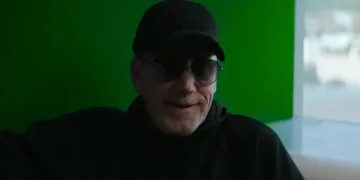














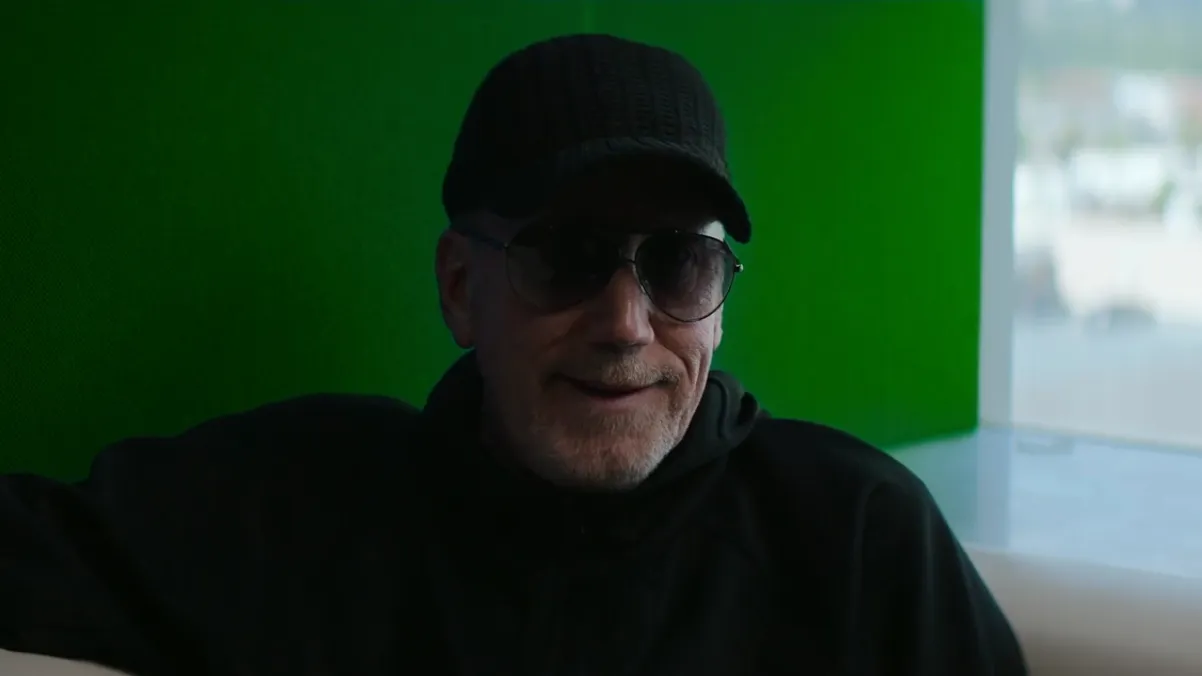

A high-stakes gambler featured in Prime Video’s Cocaine Quarterback says the series misled him and distorted his role in the investigation that brought down former USC football player–turned–drug trafficker Owen Hanson. In comments published this week, R.J. Cipriani—who helped tip off federal authorities—alleges producers “dealt [him] an unfair hand,” claiming he was manipulated during production and that the edit undercuts the extent of his cooperation with law enforcement. The three-part docuseries, which premiered September 25 and is produced by Mark Wahlberg’s Unrealistic Ideas, recounts Hanson’s rise from college athlete to international drug runner and bookmaking operator.
Cipriani’s objections arrive as the show draws strong attention for its blend of flamboyant storytelling and grim detail. The series includes Hanson’s own first-person account alongside law-enforcement voices and acquaintances, charting how an FBI sting ended a globe-spanning operation and led to a 2017 racketeering sentence. Coverage of the program has highlighted lurid intimidation tactics—including grave desecration imagery used to terrorize a perceived enemy—and questioned the ethics of framing such episodes with punchy, entertainment-first pacing.
Background on the case underscores why Cipriani is central to the narrative. Reports recount that the gambler interacted with Hanson during a period when the trafficker was laundering proceeds and expanding into high-margin markets; subsequent cooperation with authorities helped unravel the network. Hanson ultimately received more than two decades in prison before an early supervised release, and has since presented himself as reformed. The docuseries positions Cipriani as both catalyst and foil—roles he now says are misrepresented.
Prime Video has promoted the series as a “stranger-than-fiction” caper anchored by documented crimes, while critics debate whether its tone risks glamorizing a violent enterprise. Trailer materials feature Cipriani’s on-camera vows of vengeance, a choice that plays into the show’s swagger but, he argues, strips context from his actions. As of publication, public materials do not include a detailed response from the producing team to Cipriani’s complaints; the platform’s press notes emphasize the breadth of sources interviewed and the case record that underpins the episodes.