






















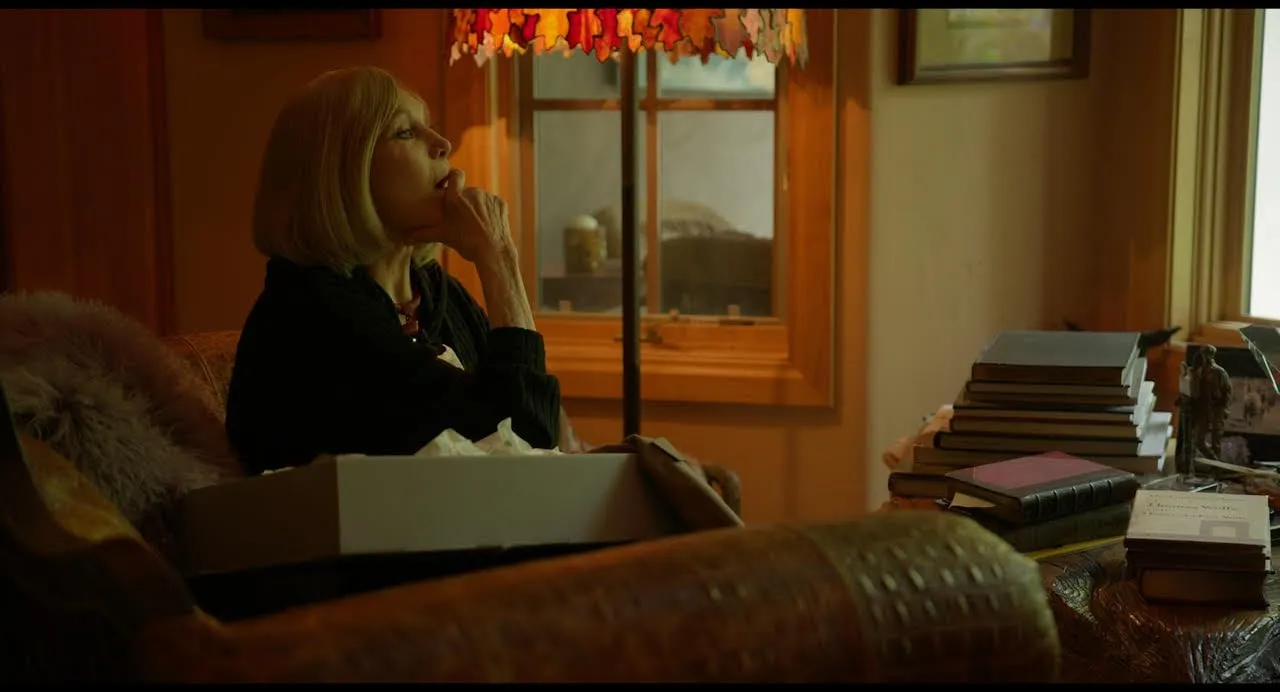

Kim Novak exists today as a living connection to a Hollywood that has otherwise receded into myth. Director Alexandre O. Philippe’s documentary, Kim Novak’s Vertigo, understands this, presenting not a conventional biography but an intimate audience with the star at her Oregon home.
The film’s tone is immediately reflective, a conversation that drifts through memory, art, and the enduring influence of her most iconic role. At 92, Novak is a sharp and thoughtful presence, looking back on a life defined by a fame she seemed to hold at arm’s length.
Philippe wisely frames the film as a personal meditation on the construction of identity within the rigid culture of the studio system, using Novak’s own perspective to explore how a manufactured image and a personal self can coexist.
The Art of Re-Acting
The film reveals an artist whose persona is entirely her own, separate from the carefully curated images of her past. Novak today is articulate and engagingly eccentric, offering a sharp critique of the performative nature of stardom. She defines her own craft not as acting but as “re-acting,” a philosophy centered on finding an authentic emotional response in a scene.
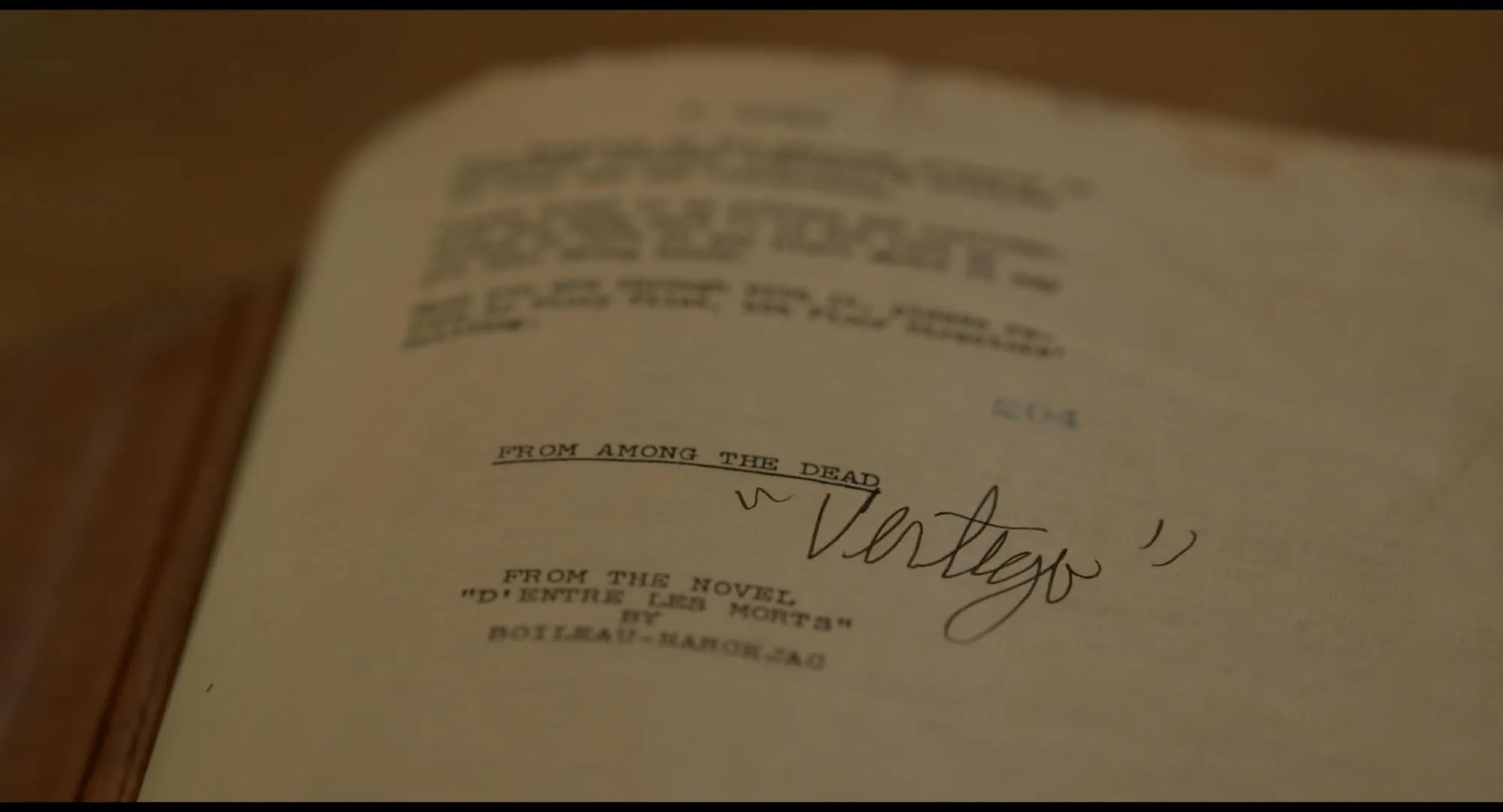
This pursuit of naturalism was a form of quiet rebellion against the mannered, presentational style that dominated the American studio pictures of the 1950s. Her method required a deep connection with her scene partners, an approach that explains the potent chemistry she shared with actors like James Stewart.
When the conversation turns to her life after she stepped away from Hollywood, the documentary finds its visual language in her painting. Her canvases, filled with swirling spirals and recurring bird motifs, are presented as a key to her inner world. The spirals are a direct visual echo of Vertigo’s iconography, suggesting a lifelong engagement with the film’s themes of obsession and identity.
The birds, in contrast, seem to represent the very freedom she sought outside the gilded cage of celebrity. Her artwork is not a hobby but a “survival mode,” a private space where she could process a public life and reclaim her own narrative. Through her art and her deliberate choice of solitude, she established a life that stood in opposition to the pressures of her former career.
The Imposed Image
The documentary’s core analysis examines the profound link between Novak’s life and the thematic architecture of Alfred Hitchcock’s Vertigo. Her entry into the film industry was a harrowing lesson in the culture of control that defined the studio system. Under the tyrannical rule of Columbia Pictures head Harry Cohn, the young Marilyn Novak was renamed Kim and belittled for her Czech heritage.
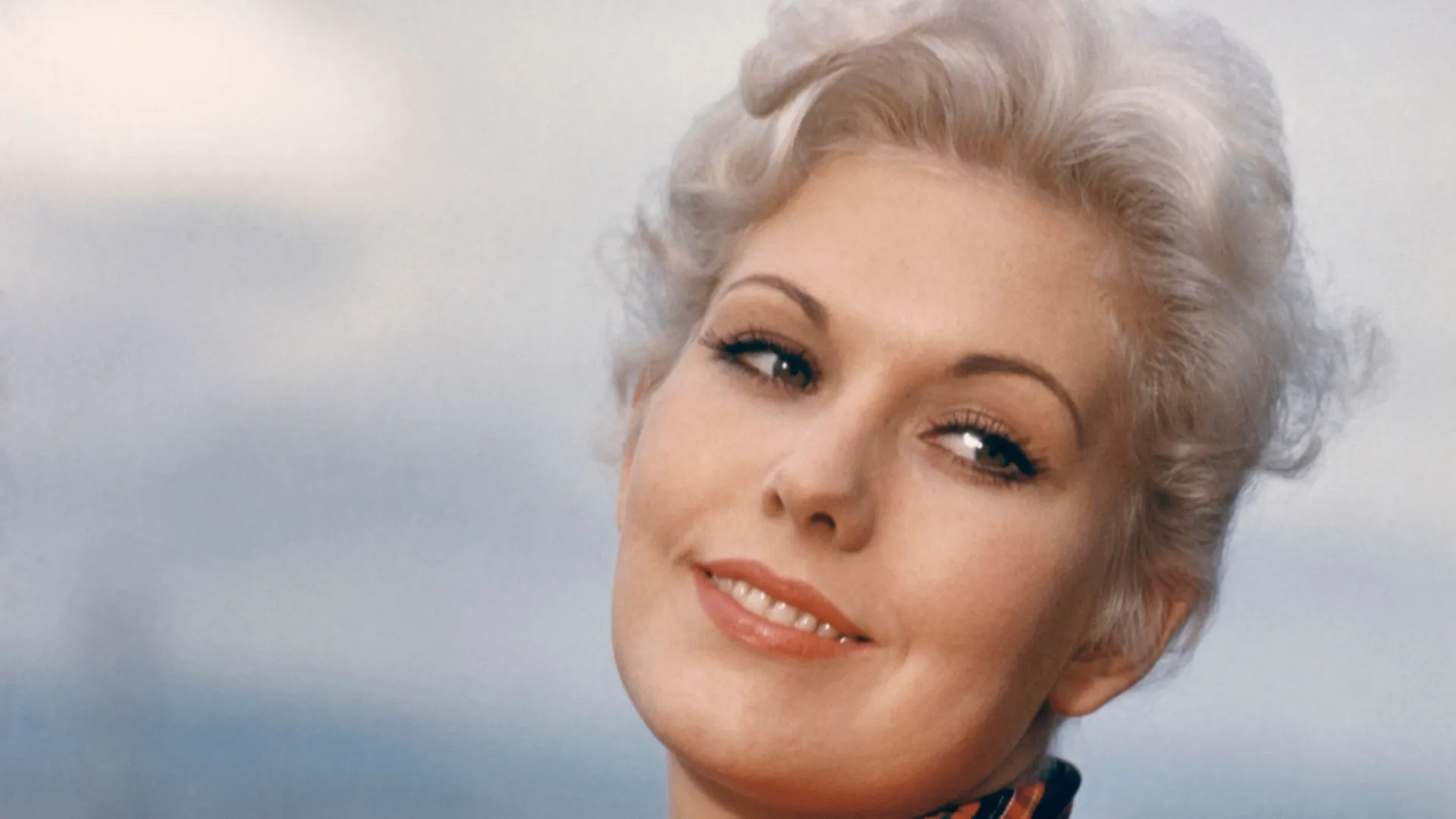
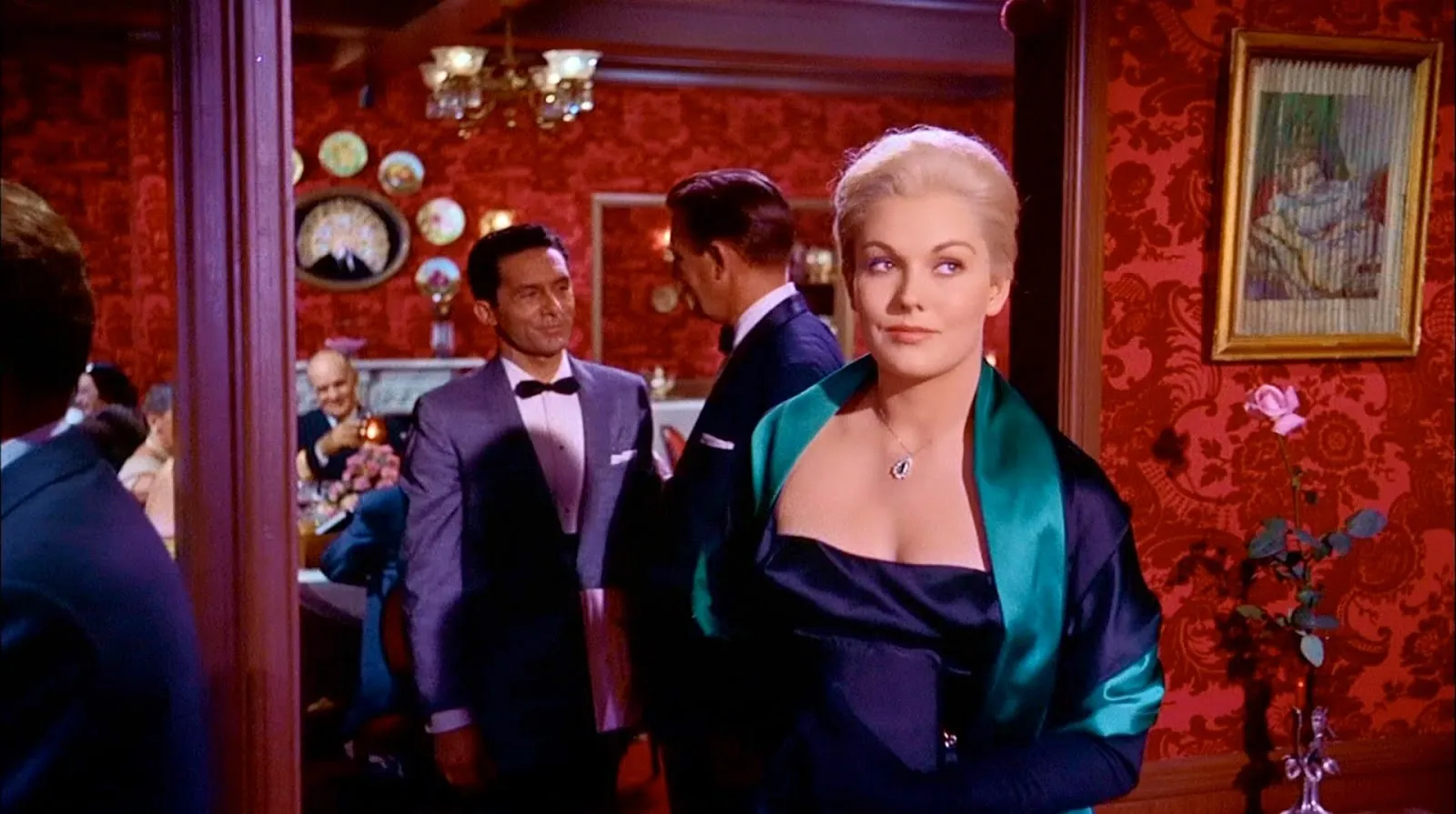
This early experience of having her identity dictated and reshaped by a powerful man became the central conflict of her professional life. The documentary masterfully connects this history to her dual roles in Vertigo. The characters of Madeleine, the elegant and manufactured ideal, and Judy, the grounded woman underneath, serve as a potent metaphor for Novak’s own existence.
The film shows how she was a real person caught inside a manufactured image, forced to perform a version of herself created by others. The analysis extends to the visual storytelling of the transformation: the severe tailoring of the costumes, the tightly controlled hairstyles, and the rigid posture demanded of Madeleine.
The film makes it clear Novak was acutely aware of this process and its psychological weight. Judy’s longing to be loved for herself directly mirrors Novak’s own desire to be respected as an artist beyond her physical appearance. Her memories of Alfred Hitchcock are affectionate, suggesting a professional relationship where the director recognized in her the very duality his film sought to explore.
History Made Tangible
Philippe structures his film less like a traditional documentary and more like an intimate scrapbook or a cinematic fan letter. It forgoes a complete chronology of Novak’s life, choosing instead to focus on specific feelings, memories, and potent symbols that carry deep personal weight. The style is one of emotional immersion, prioritizing Novak’s perspective over formal analysis.
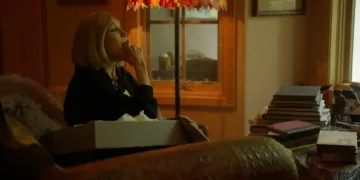
This selective approach creates a portrait that feels deeply personal, as if the audience is eavesdropping on a private reflection. The film’s emotional high point arrives in a quiet yet powerful scene where Novak opens a box containing the iconic grey suit her character wore in Vertigo. The lead-up is filled with gentle anticipation before she reveals the costume.
Her reaction is immediate and profound; she holds the fabric, smells it to see if it still “smells of me,” and is visibly moved by the reunion. In this moment, a legendary piece of cinematic history becomes a tangible, personal artifact.
The suit is not merely a prop but a cultural object imbued with layers of meaning: the director’s vision, the designer’s craft, and Novak’s own lived experience. Her sensory connection to the garment collapses the distance between the screen goddess and the woman reflecting on her past, making history feel immediate.
Kim Novak’s Vertigo, a 76-minute documentary, premiered at the 82nd Venice International Film Festival on September 1, 2025. Produced by Gull House Films, Medianoche Productions, and The Ebersole Hughes Company, the film was screened as part of the festival’s Out of Competition section to coincide with Kim Novak being honored with a Golden Lion for Lifetime Achievement. As of its festival premiere, worldwide sales rights are being handled by Dogwoof, and the film is still awaiting a wider release date for theatrical distribution or streaming.
Full Credits
Director: Alexandre O. Philippe
Writers: Alexandre O. Philippe
Producers and Executive Producers: Terri Piñon, Alexandre O. Philippe, Sue Cameron, P. David Ebersole, Oli Harbottle, Todd Hughes
Cast: Kim Novak, Alexandre O. Philippe
Director of Photography (Cinematographer): Robert Muratore, Jeff Pointer
Editors: David Lawrence
Composer: Jon Hegel
The Review
Kim Novak’s Vertigo
Kim Novak’s Vertigo is less a formal documentary and more a precious, intimate conversation. While its selective focus may lack critical distance, the film offers an invaluable look at a Hollywood legend reclaiming her own narrative. The profound connection between her life and her most famous role, culminating in a deeply moving encounter with a piece of her past, makes this a captivating portrait of identity and memory.
PROS
- Provides rare and intimate access to a legendary Hollywood star.
- Offers a thoughtful analysis connecting Novak's life to the themes of Vertigo.
- Features a deeply emotional and historically significant final act.
- Allows Kim Novak’s articulate and engaging personality to shine.
CONS
- The unstructured, fan-like approach can feel meandering.
- Skips over significant parts of Novak's biography for a narrow focus.
- Lacks a critical perspective on its subject.