

























A place is never just a place; it’s a repository of memory, a map of what we’ve gained and what we’ve lost. Director Joachim Lafosse understands this geography of the heart, and in Six Days In Spring, he explores a space freighted with the ghosts of a former life.
The film finds its footing with Sama, a single mother whose world has shrunk to the demanding rhythm of multiple jobs and caring for her two young sons. When a much-needed vacation with her new partner, Jules, falls apart at the last minute, the weight of her children’s disappointment becomes unbearable.
This leads to an impulsive, desperate act of love: she decides to take them to her ex-husband’s family villa on the French Riviera. It’s a place they know, a paradise from their past. The only problem is that since her divorce, she is an intruder there. Their holiday is recast as a secret, a high-stakes performance of belonging in a place that no longer claims them.
Sunlight and Shadow
The narrative tension of the film is built directly from its environment. Lafosse establishes a powerful visual and emotional contrast between the idyllic setting and the family’s precarious situation. The Côte d’Azur is a world of impossible blue skies and sun-bleached stone, a symbol of leisure and privilege that stands in sharp opposition to Sama’s constrained city life.
Inside this borrowed paradise, Lafosse cultivates a delicate, dual atmosphere. We see genuine moments of family connection, light and breezy scenes where the boys’ laughter fills the air and Sama and Jules find a fragile intimacy. These moments feel authentic and deeply needed. Yet, a constant, humming paranoia underscores every second of their stay.
Sama’s self-imposed rules—living by candlelight, hushing the children, staying away from windows—become the core mechanic of their existence, structuring their days around the fear of discovery. Cinematographer Jean-François Hensgens’ camera work is essential here.
It captures the radiant beauty of the exteriors while using deep shadows and tight interior framing to create a sense of claustrophobia. The camera stays close, often tracking Sama’s worried glances, making the audience a co-conspirator in her secret and a participant in her anxiety.
Whispers at the Door
A secret held in such a fragile container cannot last. The film’s pacing is a masterclass in slowly escalating tension, where the threat of discovery arrives not with a bang, but as a series of quiet, unnerving ripples. The external world begins to press in, first through a hot-headed neighbor, played by the reliably intense Damien Bonnard, who becomes suspicious after the boys wander onto his property.

His presence introduces a sharp, unpredictable energy that disrupts the family’s careful performance. Later, a brief, seemingly innocent encounter with an old acquaintance, portrayed by Emmanuelle Devos, lands with the weight of a potential catastrophe, illustrating how easily their entire charade could crumble. These external pressures are mirrored by a growing internal fissure.
The boys begin to piece together the true nature of their mother’s relationship with Jules, who they had only known as a coach. Lafosse handles this revelation with immense subtlety; there is no single dramatic confrontation, but rather a slow dawning of understanding that shifts the family’s dynamic. He uses long takes and focuses on small, telling gestures, allowing the unspoken anxieties to fill the space. The villa, once a sanctuary, starts to feel its walls shrink as the possibility of being caught becomes more real.
The Trespassing Heart
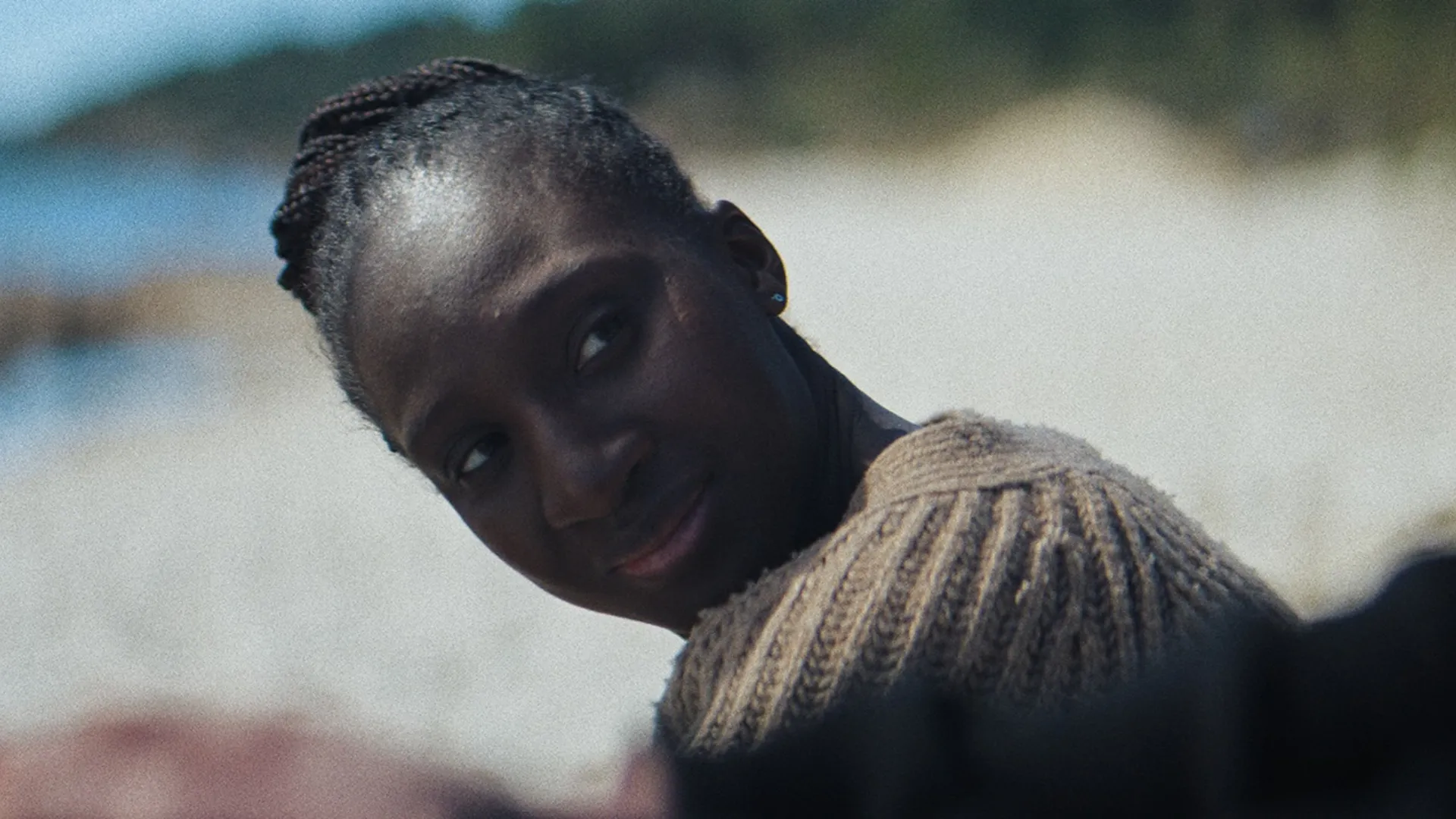
The entire film is anchored by Eye Haïdara’s stunningly layered performance as Sama. She carries the story’s emotional weight in her posture, in the flicker of exhaustion that crosses her face when her children aren’t looking, and in the fierce determination with which she tries to carve out this small piece of happiness for them.

She perfectly embodies a woman navigating the complex intersection of maternal duty, personal desire, and the profound sense of social illegitimacy that haunts her every move in the villa. The supporting cast buoys her performance with a wonderful naturalism.
The Pinero Müller brothers are convincing as spirited, observant twins, and Jules Waringo portrays Jules not as a simple replacement father but as a gentle, sensitive partner trying to find his own place in this evolving family. Their chemistry makes the film’s thematic explorations resonate. This is a story about trespassing—not just onto physical property, but across the invisible lines of social class and past relationships.
The villa is a potent symbol of a life Sama once touched but can no longer claim. Compared to Lafosse’s more emotionally brutal works like Our Children, this film is a far quieter and more observational piece, but it shares his deep interest in the fault lines within family structures. It leaves the viewer not with a neat resolution, but with a poignant, lingering portrait of a family finding its new shape in a borrowed moment of peace.
“Six Days in Spring” is a sensitive drama directed by Joachim Lafosse that premiered at the San Sebastian Film Festival in 2025. It tells the story of Sana, a recently divorced mother, who takes her two twin sons on a last-minute spring vacation to a luxury villa owned by her former in-laws. The film highlights the reality of social mobility when a marriage ends. It is a lighter work from Lafosse that has a succinct, understated intimacy.
Full Credits
Director: Joachim Lafosse
Writers: Joachim Lafosse, Chloé Duponchelle, Paul Ismaël
Producers and Executive Producers: Stenola Productions, Les Films du Losange, Samsa Film, Menuetto, Antoine Iffland-Stettner, Eva Kuperman, Régine Vial, Alexis Dantec, Jani Thiltges, Hans Everaert
Cast: Eye Haïdara, Jules Waringo, Leonis Pinero Müller, Teoudor Pinero Müller, Emmanuelle Devos, Damien Bonnard
Director of Photography (Cinematographer): Jean-François Hensgens
Editor: Marie-Hélène Dozo
Composer: Reyn
The Review
Six Days In Spring
Joachim Lafosse crafts a quiet, tense character study anchored by a phenomenal performance from Eye Haïdara. The film excels in its subtle build-up of suspense and its sensitive exploration of complex family dynamics. While its deliberately slow pacing may not suit all viewers, its atmospheric direction and emotional honesty make it a thoughtful and affecting portrait of resilience. It’s a film that lingers, asking quiet questions about what it means to belong.
PROS
- A powerful and nuanced lead performance from Eye Haïdara.
- Masterful direction that builds a palpable sense of tension and paranoia.
- Beautiful cinematography that contrasts the idyllic setting with the characters' confinement.
- A sensitive and authentic depiction of a family redefining itself.
CONS
- The deliberately slow pacing might feel uneventful for some viewers.
- The narrative is light on major plot points, focusing more on mood and character.
- Some supporting characters feel underdeveloped.