
























![Kingdom Hearts Collection [I-III] Review](https://gazettely.com/wp-content/uploads/2026/10/Kingdom-Hearts-Collection-I-III-1-360x180.webp "Kingdom Hearts Collection [I-III] Review: KHII Holds Steady as Newer Entries Fluctuate 37")



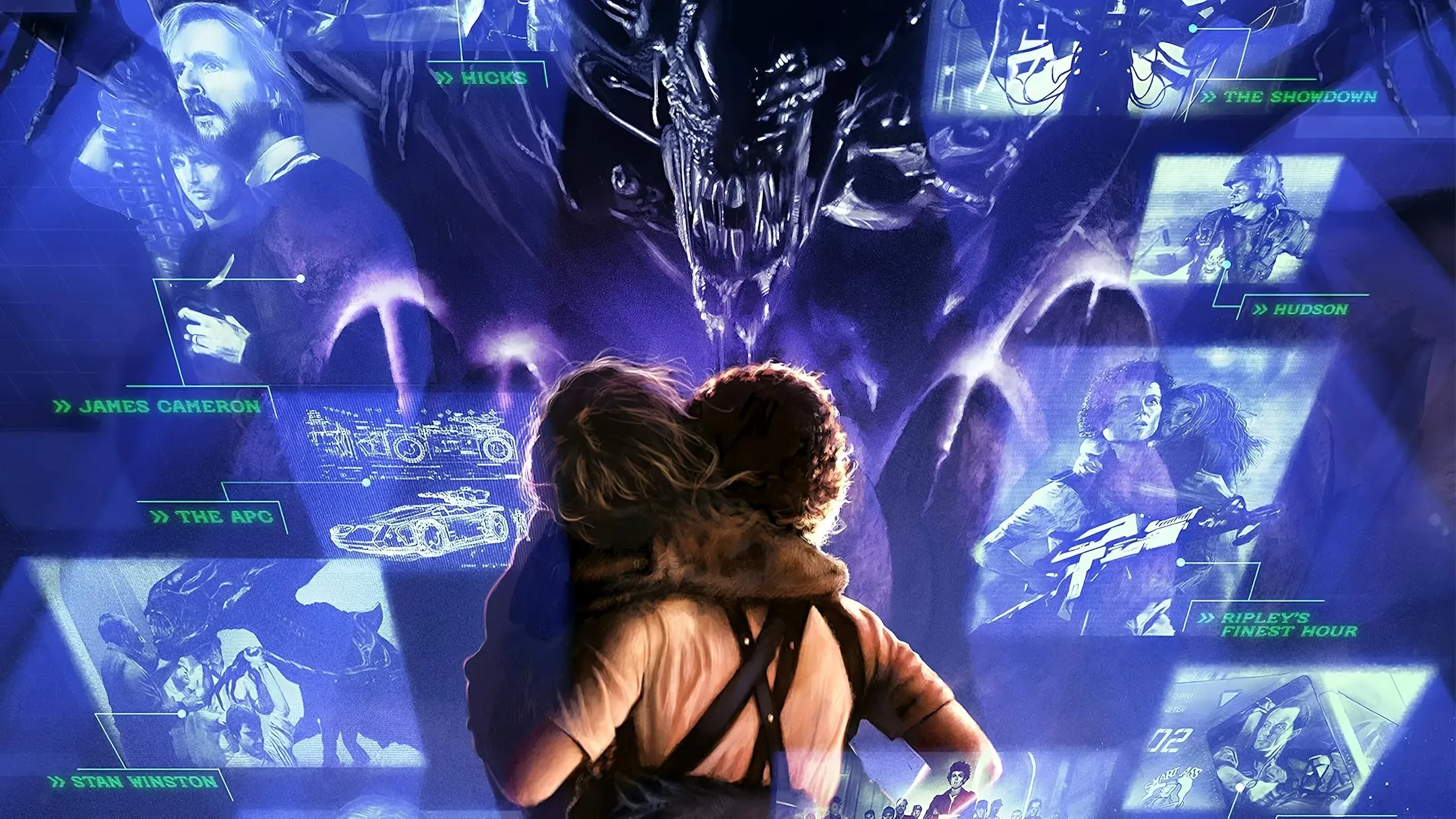

Ian Nathan’s Aliens Expanded treats James Cameron’s 1986 sci-fi action landmark, Aliens, as a living case study in how a story is built, tested, and sustained across decades. The film runs nearly five hours, a length that turns the project into a comprehensive history class that outlasts the feature it examines. It arrives by way of crowdfunding, a signal that both makers and audience share a long-standing attachment to the material.
The canvas is wide: conception, on-set problem solving, technical craft, cultural afterlife, and the fan energy that kept the conversation alive. The lineup is the draw. James Cameron, Gale Anne Hurd, and Sigourney Weaver anchor a gathering that includes the principal surviving cast and an array of department leads. For viewers who treat Aliens as a standard for genre craft, this functions as a reference text built for repeat consultation.
Dissecting the Narrative Machine
Access drives the project, and access dictates its method. The documentary avoids boilerplate set-tour anecdotes and favors granular accounts tied to specific choices on the page and on the floor. Cameron, Weaver, Hurd, Michael Biehn, Lance Henriksen, and the full Colonial Marines ensemble provide the spine, and then the film widens its lens.
Visual effects artists and creature specialists explain design decisions. A psychologist, an astrophysicist, and novelization author Alan Dean Foster add outside framing that keeps the analysis scene specific. The result is a guided pass through the movie that pauses for mechanics: the logic of the power loader, the function of small worldbuilding touches such as the Marine helmet inscriptions, and the way beats are timed for tension.
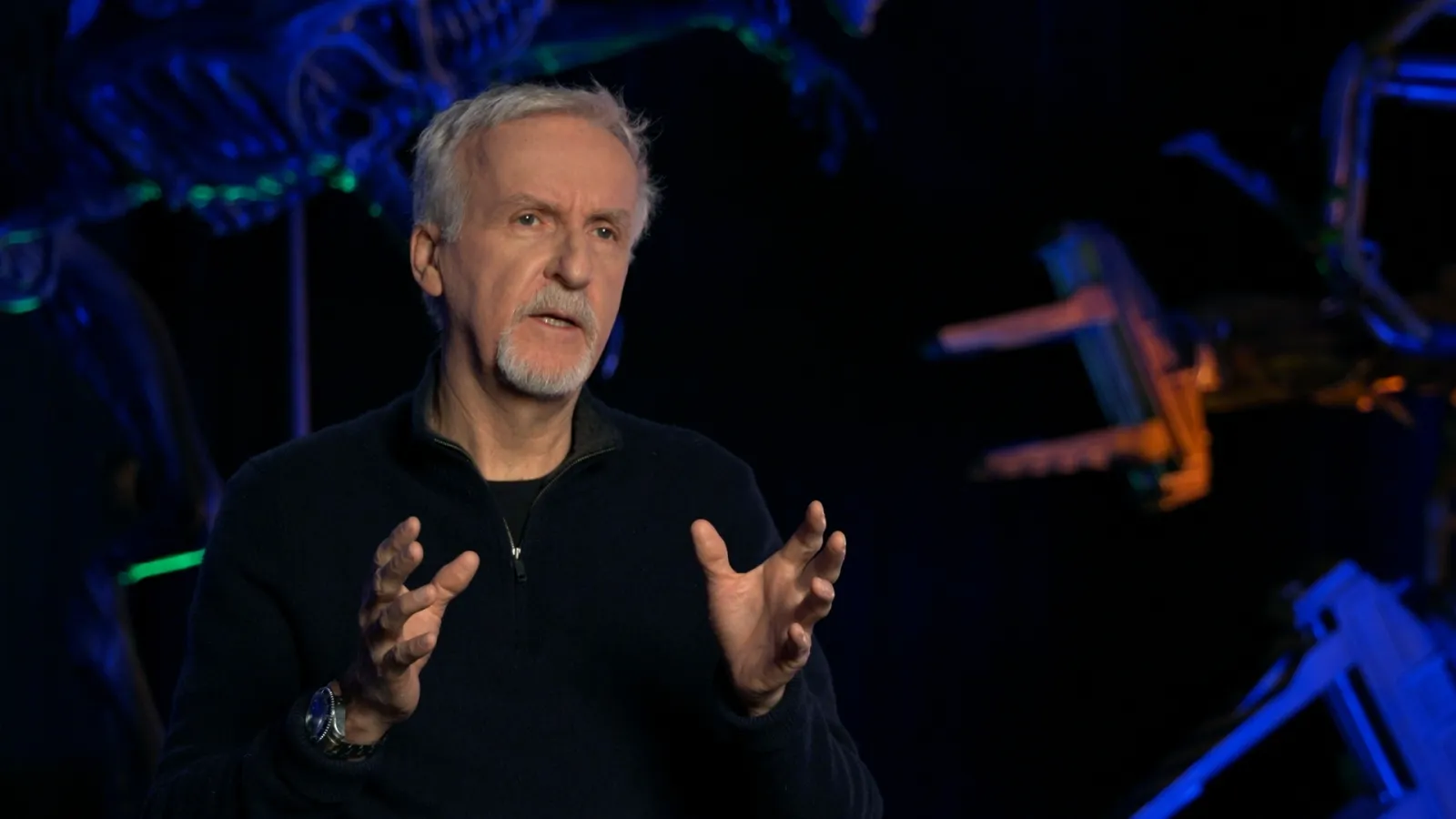
Cameron supplies unsanded commentary. He revisits the famous “Tea Lady” episode, and he speaks plainly about the force of personality that shaped the production. The emphasis stays on how those decisions affect rhythm, escalation, and character beats on screen.
Creative Intent and Lasting Impact
The film positions Aliens as a pivot in Cameron’s storytelling, defined by intent that reshapes form. Accounts describe influences that range from dreams to Vietnam War narratives, and those inputs steer a move from a horror template to an action and military-science-fiction structure.
Production history supports the thesis. Practical effects created technical friction that required engineering and scheduling solutions, and a late casting shift, with Michael Biehn stepping in for James Remar, altered the ensemble chemistry at a sensitive moment. The documentary gives room to Sigourney Weaver’s articulation of the film’s feminist ideas, and to her frustration over the initial theatrical removal of emotionally key scenes involving Ripley’s daughter.
Memory and legacy appear with clarity in a passage honoring Bill Paxton, a sober pause that underlines the human history behind the mythology. The presentation pays tribute to the audience that sustained the film’s reputation. Interface graphics designed to echo a Weyland-Yutani database frame chapters and cues, a stylistic nod to the community that helped fund this very project.
Structure, Pacing, and Experience
The near-five-hour runtime demands an organizing principle, and the documentary supplies one through titled chapters such as “Salvage” and “Bad Dreams,” arranged on a mostly chronological track. The segmentation creates natural stopping points and keeps the material readable over multiple sittings. The visual approach stays restrained.
Talking-head interviews and archival materials carry the load, while futuristic computer graphics mark transitions and topic shifts. Dedicated fans will recognize portions of the story, yet the quantity of testimony and the precision of the examples produce steady new angles and details. The aim is depth and preservation. Casual viewers may find little to hold them. Devoted admirers gain a definitive resource tailored to close reading and long memory.
Aliens Expanded is a comprehensive documentary that explores the production, legacy, and fandom of James Cameron’s 1986 sci-fi classic, Aliens. Released in 2024, this passion project was crowdfunded and is distributed by CreatorVC, a company known for other expansive film history documentaries. With a remarkable runtime of 4 hours and 42 minutes (282 minutes), it offers an unprecedented deep dive, featuring nearly every surviving cast and crew member of the original film. It is often accessible through streaming platforms like Shudder and is also available directly for purchase on physical and digital media from CreatorVC.
Credits
Title: Aliens Expanded
Distributor: CreatorVC, Shudder
Release date: 2024
Running time: 4 hours 42 minutes (282 minutes)
Director: Ian Nathan
Writers: Ian Nathan
Producers and Executive Producers: David N. Chang, James Evans, Derek Frey, Chris Gale, Adam F. Goldberg, Jeremy Graves, Robin Block
Cast: James Cameron, Sigourney Weaver, Gale Anne Hurd, Michael Biehn, Lance Henriksen, William Hope, Paul Reiser, Jenette Goldstein
Director of Photography (Cinematographer): Christopher Stratton
Editors: Samuel Way
Composer: Txema Cabria
The Review
Aliens Expanded
Aliens Expanded is a definitive piece of cinematic archaeology, successfully mapping the creative DNA and cultural resonance of its subject film. Director Ian Nathan commits fully to exhaustiveness, providing an intelligent breakdown of storytelling evolution, technical ingenuity, and the power of dedicated fandom. The extreme length necessitates patience, but the wealth of insights from every corner of the production makes this an essential document for serious film enthusiasts.
PROS
- Interviews with virtually all key cast and crew, including candid commentary from James Cameron and Sigourney Weaver.
- Offers a comprehensive, scene-by-scene analysis, covering both creative intent and technical execution (e.g., prop design, dialogue breakdown).
- The chaptered format and use of clear on-screen graphics make the lengthy film manageable and easy to revisit.
- Successfully frames the film within the history of genre filmmaking and explores the growth of its dedicated, enduring fandom.
CONS
- The near-five-hour length is a commitment that casual viewers may find overwhelming or difficult to consume in one sitting.
- Die-hard fans may find some of the material repetitive, though the sheer volume ensures new facts are still present.







