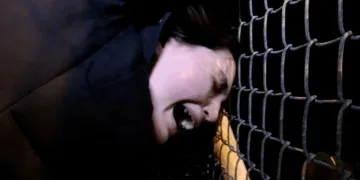


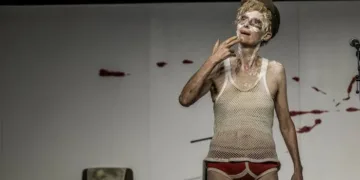




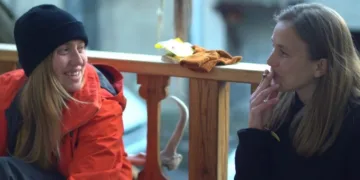

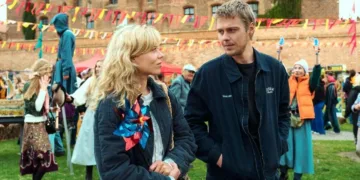



It Doesn’t Get Any Better Than This is a zero-budget found-footage feature from co-directors Rachel Kempf and Nick Toti. They appear as fictionalized versions of themselves, a couple steeped in indie horror. The story begins when Rachel and Nick buy a dilapidated duplex in Kirksville, Missouri, looking for the ideal low-fi location.
Occult markings in the house and the sight of entranced onlookers staring at the property shift their project from curiosity to pursuit, and their friend Christian gets pulled into the spiral. Most of the material comes through Nick’s camera, paired with his mournful voiceover that points to a grim outcome. Kempf and Toti intercut archival home video from their real lives with staged scares, blurring the line between documentary and fiction.
Aesthetics of Authenticity
The film nails its look with DIY tools, leaning on cheap digital cameras and phones. The low fidelity serves the conceit of found footage and anchors the illusion of immediacy. Kempf and Toti build their narrative on a mix of “pilfered” personal moments and a mounting horror thread, which turns the viewer’s job of sorting reality from invention into a steady source of unease.
The trio’s rapport, grounded in long friendship, reads as intimate and unforced; the talk often feels half-improvised, which feeds the documentary texture. Their shared, outsized enthusiasm for horror shapes every choice.
They chase danger with giddy energy, a stance that stretches everyday plausibility yet fits these genre-saturated personalities. Technical roughness becomes part of the design. Shaky framing and thin audio register as signatures of a raw micro-budget chronicle rather than defects to hide.
The Architecture of Dread
It Doesn’t Get Any Better Than This builds fear through restraint. Conventional jump scares and flashy supernatural effects give way to an understated, accumulating dread. The unease grows from ordinary strangeness: a rundown duplex, unexplained markings on the walls, hooded figures standing motionless outside. The pace favors a slow burn.
Patience is required, since extended passages of conversation set the table and can drift into monotony. The payoffs hit cleanly when they arrive. A silent seance tightens the room by anticipation alone. The moment the filmmakers tail one of the entranced watchers marks a disturbing breach and shifts the question of where the real threat resides. Images linger, especially a “hellmouth” painting that fixes the film’s mood in memory.
Obsession and Cinematic Intent
This is a study of fixation, risk, and the darker edges of fandom. The central drive comes from the trio’s gleeful pursuit of fear; they test the limits of personal safety and of their bond for the thrill of a lived scare. The film tracks the point where play crosses into harm. Form follows this idea.

Immersion takes priority over a tidy, conclusive plot, and unanswered questions remain by design, letting ambiguity carry the final chill. The movie sits comfortably within a recent streak of experimental found footage that favors rawness and realism.
Kempf and Toti show a clear grasp of how the format can feel immediate and unsettling. Their “theater only” release choice extends the concept into exhibition, aiming for scarcity that feeds cult appeal and an analog flavor that complements the film’s claim to authenticity.
It Doesn’t Get Any Better Than This is a found-footage horror film that premiered in 2023, appearing at various film festivals internationally, including the Toronto International Film Festival in 2024. The film has gained notoriety for its unique and highly limited distribution model: the filmmakers have stated that it will never be released online for streaming or on physical media. Therefore, the only way to watch the movie is to attend a live theatrical screening. These screenings are organized through various cinemas and film clubs, often in partnership with independent distributors like Tull Stories in the UK, with dates frequently being added in different cities around the world. The film follows a horror-obsessed couple who buy a dilapidated house, only to find themselves embroiled in a real-life nightmare involving occult elements and entranced strangers.
Credits
Director: Rachel Kempf, Nick Toti
Writers: Rachel Kempf, Nick Toti, Christian
Producers and Executive Producers: Rachel Kempf, Nick Toti
Cast: Rachel Kempf, Nick Toti, Christian
Director of Photography (Cinematographer): Nick Toti
Editors: Rachel Kempf, Nick Toti, Ryan McDuffie
Composer: Nicholas Naoti
The Review
It Doesn’t Get Any Better Than This
The movie is an ambitious, micro-budget experiment that skillfully merges real-life archives with fictional horror. While the slow-burn approach tests viewer patience, the film's commitment to subtle dread and its unnerving exploration of fanatical obsession create a genuinely unsettling experience. It succeeds most when it uses its limitations to enhance authenticity, providing a rewarding viewing for dedicated found-footage enthusiasts who prioritize atmosphere over conventional scares.
PROS
- Masterful blurring of reality and fiction using archival footage.
- Generates unease through mundane oddities rather than relying on jump scares.
- Authentic, intimate dialogue reflecting the trio’s real-life friendship.
- Clear artistic vision in using the low-fidelity aesthetic to its advantage.
- Unique, cinema-only release strategy enhances the film's perceived exclusivity.
CONS
- Slow build sometimes results in monotonous sequences.
- Demands a high degree of patience from the viewer to reach chilling moments.
- Certain long, dialogue-free scenes feel extended and test focus.
- Leaves many narrative threads and questions intentionally unresolved.