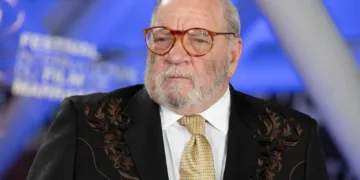




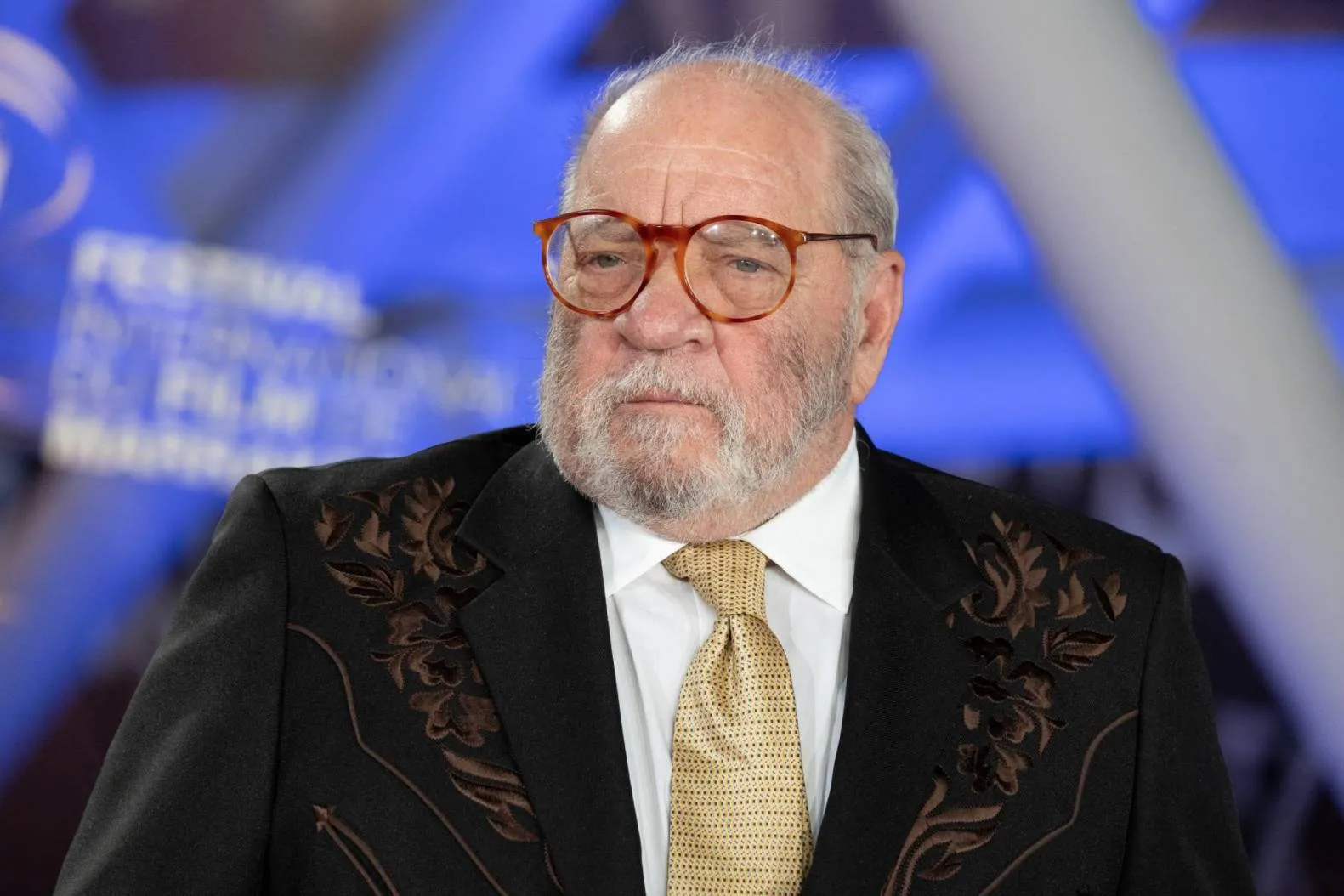

Paul Schrader says he has “a perfect script” that could be made entirely with artificial intelligence and argues AI is “just a tool,” amplifying a position he has voiced throughout the year while predicting the first fully AI-created feature is roughly two years away. In remarks published this week, the writer-director described a recent phone call about repurposing one of his own screenplays for an all-AI production, adding that he remains curious to test the boundaries of the technology after experimenting with prompts and idea-generation earlier in 2025.
Schrader’s stance follows earlier comments that AI can convincingly mimic top filmmakers and deliver “original” and “fleshed out” concepts within seconds, a claim he made after trying large language models to pitch film ideas in different auteurs’ voices. He has also framed AI as something writers will use rather than fear, a view that surfaced during and after the 2023 labor negotiations that set ground rules for machine-generated material. The new comments extend that thread from theoretical to practical, positioning his untitled script as a potential test case while stopping short of announcing any active production.
The remarks arrive as the industry argues over what constitutes acceptable use. Recent awards-season flashpoints around voice-cloning and dialogue polishing heightened concerns about consent and disclosure, and prominent filmmakers have urged caution about handing creative choices to algorithms. Against that backdrop, Schrader’s suggestion that an all-AI feature is imminent draws a sharper line between process tools and authorship, and raises open questions about guild compliance, credit, and distribution for a project with minimal human craft inputs beyond prompting and curation.
For a filmmaker whose career spans studio scripts and intimate character studies, the provocation doubles as a market test: if a veteran screenwriter publicly green-lights an experiment, do financiers, performers, and audiences follow? He contends curiosity will outweigh resistance if the results are compelling and legally clean, while skeptics point to the ethical thicket and the risk that AI systems trained on copyrighted work could undercut the very artists a project like this would need to attract.