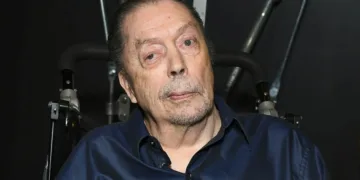



















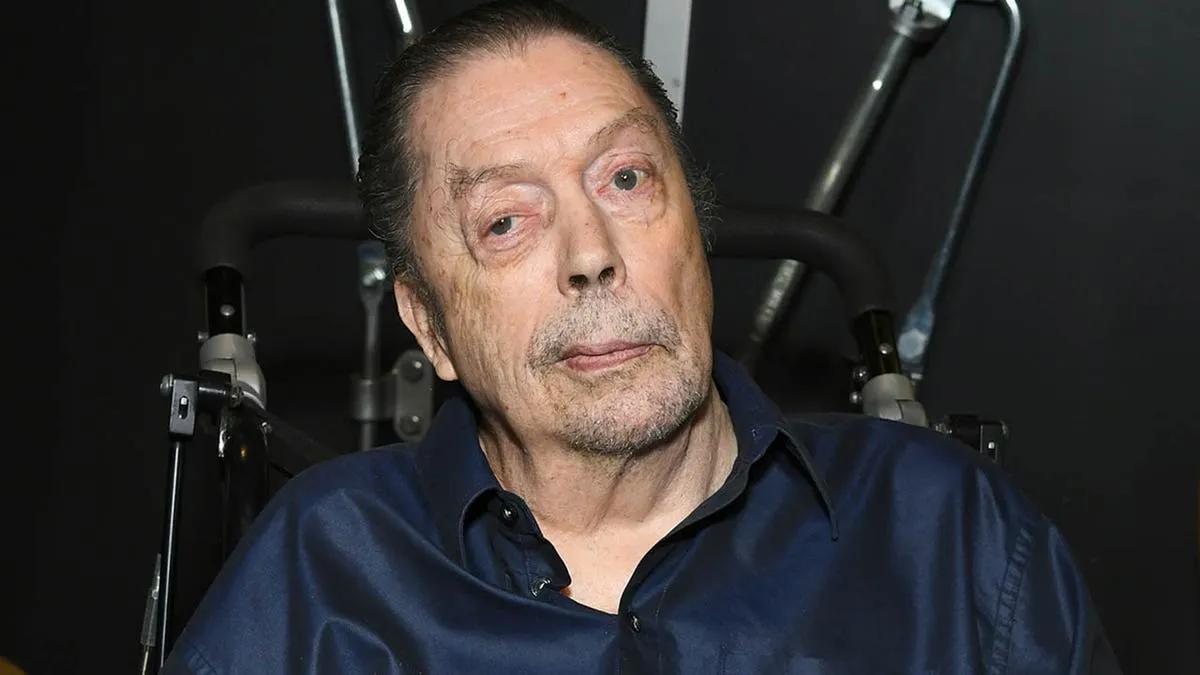

Tim Curry has described in new detail the 2012 stroke that reshaped his life and career, tying those reflections to a half-century of “The Rocky Horror Picture Show” and a new memoir. The 79-year-old actor recounts that a masseur recognized something was wrong during a session and called 911 over Curry’s objections; surgeons later performed a craniectomy to remove blood clots. He writes that he initially felt no symptoms, credits the quick call with saving his life, and explains the lasting effects that have limited his mobility.
Recent interviews around the book trace a line from the medical crisis to a second act built around voice roles and selective public appearances. Curry has said he still cannot walk unaided more than a decade later, an update he shared during events marking “Rocky Horror’s” 50th anniversary, where he appeared in a wheelchair alongside longtime collaborators.
He also uses the memoir tour to revisit the film that made him a cult figure. In broadcast remarks, Curry reflected on the message fans have embraced—“Don’t dream it, be it”—and the unconventional path by which the movie became an institution through midnight screenings and audience participation, after an initially muted reception. He discussed learning to speak again after the stroke and keeping his sense of mischief on screen and stage.
Profiles accompanying the book’s release sketch a career that spans stage breakthroughs, comic menace in “Clue,” and television and animation work, while noting the practical adjustments required since 2012. Curry frames the period after his stroke as disciplined rather than retreating, emphasizing craft, community, and the fans who continue to show up for anniversary screenings. He presents the memoir—titled “Vagabond”—as a record of that durability and of the people who helped him through the emergency and recovery.
A separate sit-down highlights the tension between public curiosity and his preference for privacy; he jokes about remaining an “enigma,” while addressing how age and health have changed his day-to-day work. The conversation centers on perspective rather than nostalgia, connecting his present-tense routine to the legacy of a performance that still fills theaters half a century on.