




























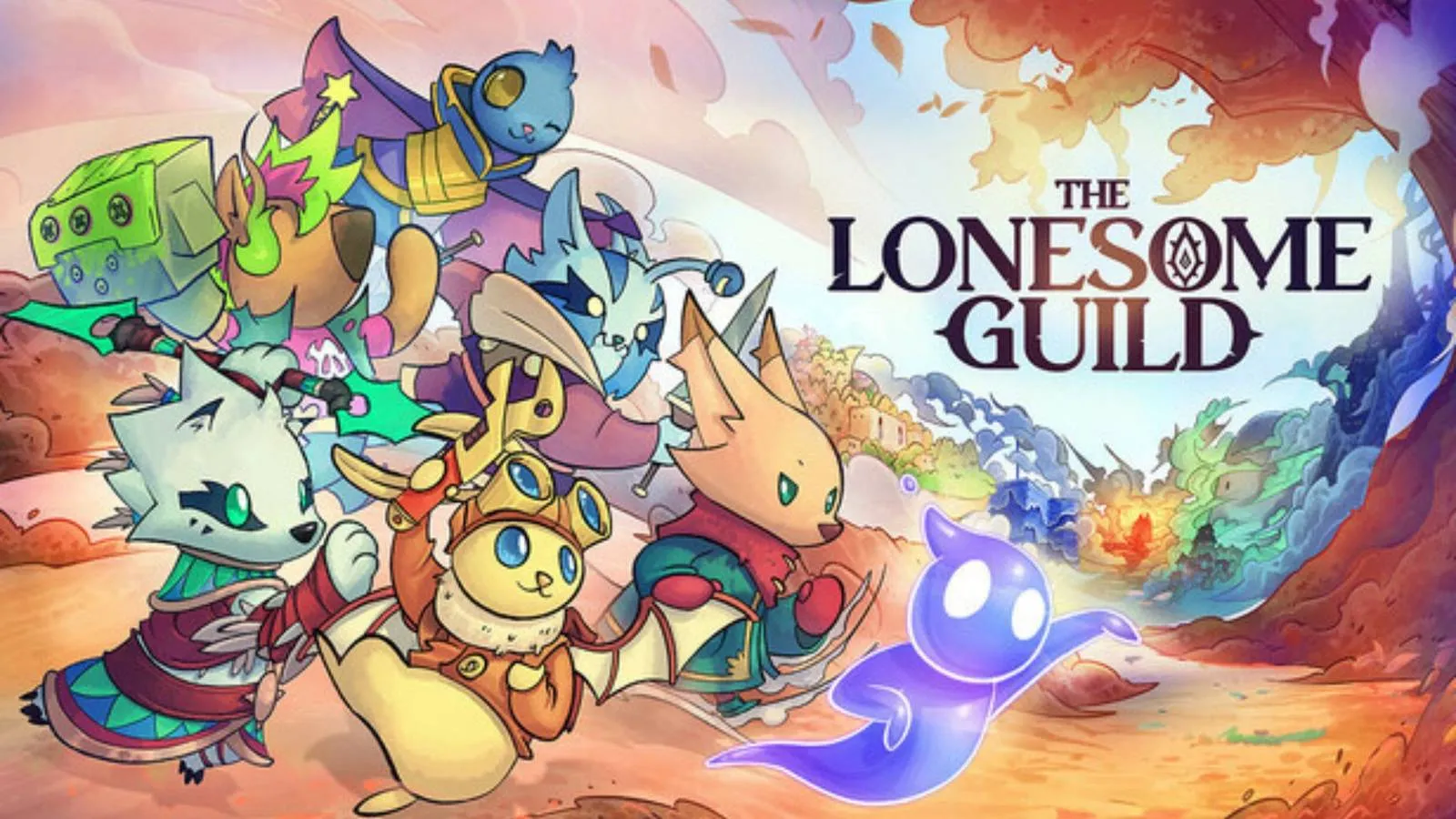

Tiny Bull Studios, known for the indie title Omen Exitio: Plague, pivots to a top-down action RPG with The Lonesome Guild. The game follows a group of friends trying to save their world from an insidious threat. Loneliness functions as the antagonist, an evil force that spreads like a red fog, slowly corrupting people and stripping away their sense of self.
The mission is thematic at its base: prevent this existential malaise from swallowing society. You play as Ghost, an amnesiac spirit who recruits a varied crew to build the guild. Early companions include the rabbit inventor Davinci and the warrior Mr. Fox, and the roster grows with figures like the punk-rock capybara Ran Tran Trum. The presentation adopts a colorful, storybook art style that signals a cozy, low-stakes tone at first glance.
Narrative Intent and Storytelling Flaws
The story targets loneliness, connection, and the sustaining force of friendship. It seeks an emotional register that addresses trauma, desperation, and hope through the support offered by companions. The focus on existential themes points toward the kind of depth seen in stronger entries of the Pokémon Mystery Dungeon series, where a cute exterior houses a weightier plot.
Turning an emotion into a literal villain sets up a strong premise. The delivery often dilutes that promise. The narrative leans on familiar beats and heightened sentiment, most clearly in dialogue that repeats a single thesis about togetherness. Repetition wears down the momentum. Pacing and conversational quality create the central problem.
The script talks at length over a slim narrative, which encourages players to check out. Conversations need sharper turns and richer subtext. The lack of voice acting flattens the varied personalities on screen. Much of the plot and character history arrives at campfire scenes, both required and optional. Alongside the world-saving arc, Ghost works to recover lost memories and rebuild identity.
Deconstructing Combat and the Progression Loop
Combat plays out in real time from a top-down view. You field a three-member party, with Ghost “possessing” one ally at a time to issue direct inputs. The toolset consists of basic strikes, two character-specific abilities per member, and a shared Ultimate meter that fuels a powerful team attack. The structure is straightforward and easy to pick up, which aligns with a cozy-game vibe.

The system lacks layers. Outside of select boss encounters, fights can settle into routine and feel like filler. Normal difficulty comes in very soft. A complete run can finish without a death, and a Hard setting exists for more resistance. Party building offers limited depth. Each character unlocks skills through trees that include healing, area control, and summons.
The problem lies in how these skills connect. Synergy across the team is thin, and combo potential rarely materializes. The Ultimate remains a one-size-fits-all payoff regardless of lineup. Clear roles and counters do not stand out, which reduces the pull to experiment with compositions and undermines replay value.
Progression ties tightly to the Relationship System, which mirrors the game’s central themes. Speaking with party members at the campfire raises relationship ranks and opens new branches on skill trees. Mechanically this is simple. You pick the Relationship option, see a short affirmative exchange, and bank progress. Relationship Points fuel rank-ups and flow in from quests, bosses, and regular play.
Because points arrive from several sources, the dialogue choices that grant them carry little tension or strategic tradeoff. The feature acts like a gate for skills instead of a tool for meaningful choice and consequence. Outside of relationships, growth comes from Flowers that grant permanent stat boosts and from gear that supplies passive bonuses.
Environmental Puzzles and Visual Identity
Environmental puzzles serve as the primary respite from combat and occupy a large slice of the loop. The core format asks you to coordinate party members to push switches and pull levers. Ghost contributes by steering a glowing spirit light that reveals hidden objects and paths.
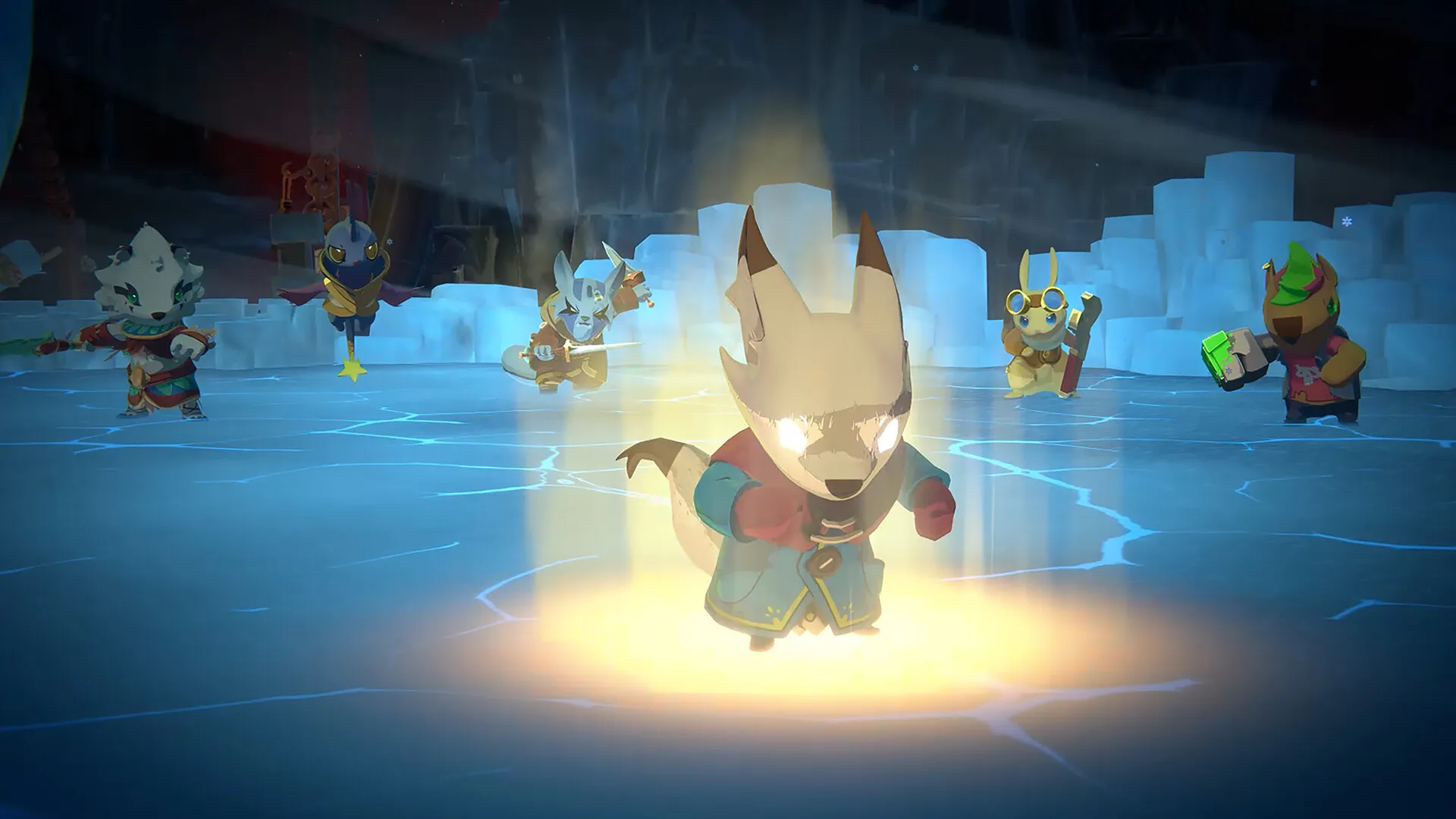
When puzzles move beyond simple pressure plates and fold in riddles or creative spirit-light usage, they click. These moments feel readable and satisfying. A recurring friction point remains the frequency of elaborate mechanisms that gate progress. The constant hunt for a new contraption stretches story logic and can pull attention away from character stakes.
The visual direction shines. The storybook approach yields rich, diverse spaces that range from autumn forests to frosty city streets. Each region looks distinct and shows clear care in layout and detail. The 2D art lands as a highlight, with expressive portraits, charming interface work, and storybook-style cutscenes that carry emotion and personality. The audio leans on music, which supports scenes effectively, and the absence of voice acting leaves the lengthier dialogue without a vocal lift.
Technical polish leaves gaps. Movement animations in combat, especially the dodge-roll, feel a touch sticky, which frustrates attempts to avoid area attacks. Quality-of-life features trail behind expectations. A fixed camera and the lack of a persistent map create wandering that adds little to play. Rest points sit far apart, and there is no save-anywhere option. The result can be long loads and repeated stretches after tough fights, which saps pace and energy.
The Review
The Lonesome Guild
The Lonesome Guild features gorgeous art and a thought-provoking theme about battling emotional isolation. Its presentation is visually excellent. However, the core gameplay loop falters badly. Combat is too simple, lacking strategic depth or compelling party synergy. The relationship and progression systems feel superficial, offering little meaningful player choice. Technical issues like the fixed camera and infrequent save points detract from the experience. This RPG has heart, but its mechanics do not sustain the emotional weight of its strong premise.
PROS
- Gorgeous storybook visuals and 2D art
- Clever thematic premise (Loneliness)
- Accessible environmental puzzles
- Effective musical score
CONS
- Simplistic combat system
- Lack of party synergy and strategic depth
- Shallow relationship mechanics
- Cliché and repetitive dialogue
- No save-anywhere function or persistent map







