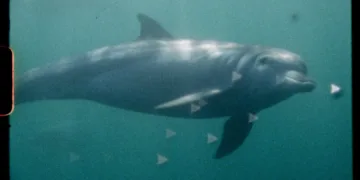




















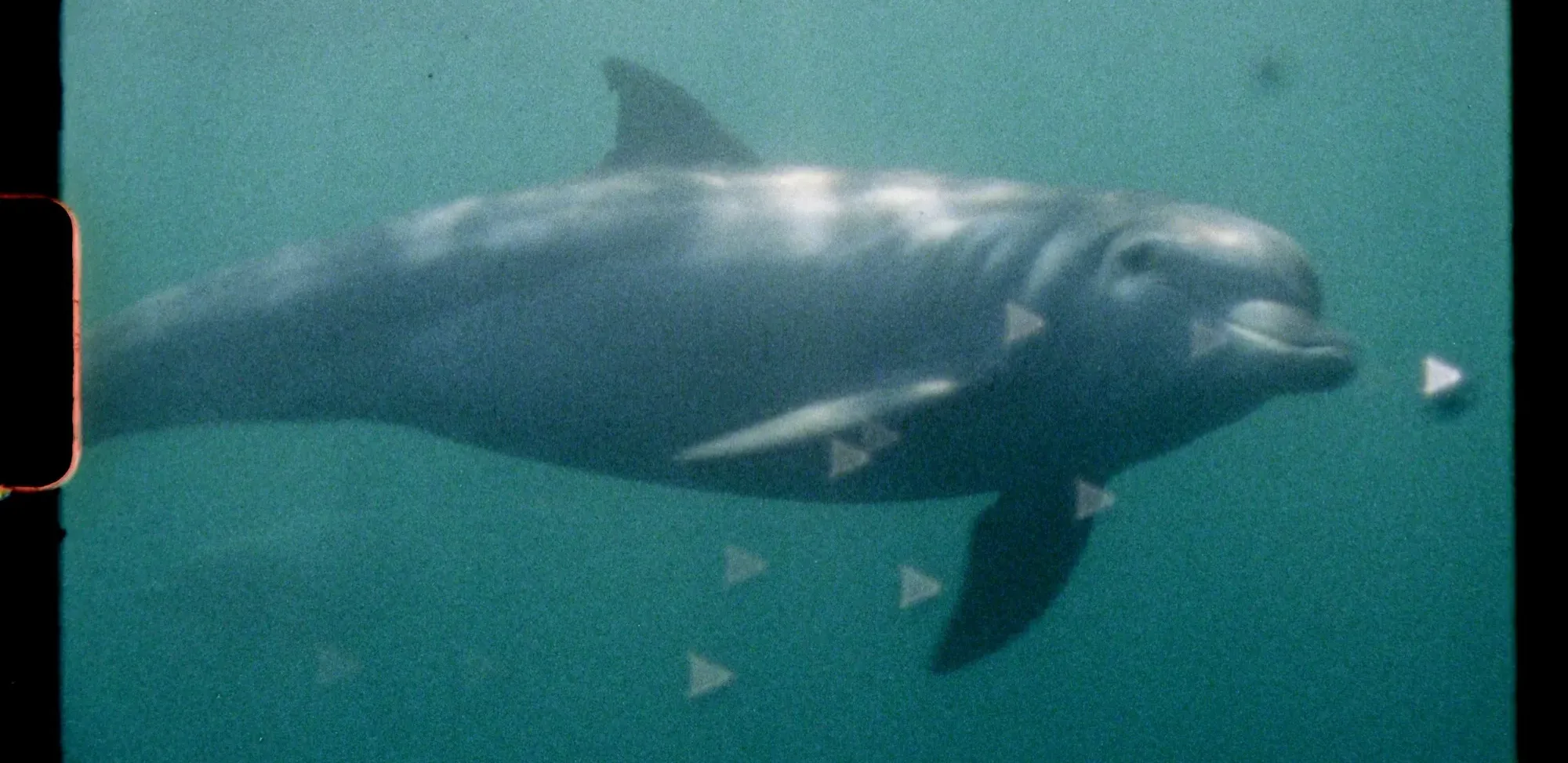

A sudden flare of light catches a desert quail mid-flight, grain shivers across an underexposed frame, and a seal rises through silver-gray water off the Norfolk coast. From these small, flickering impressions, Ed Sayers’ debut feature Super Nature declares its purpose. Texture becomes subject. The film invites the viewer to feel the image as much as see it. Sayers, known for creating the Straight 8 filmmaking competition, builds a clear break from familiar nature documentaries. His conceptually ambitious feature surveys the natural world through footage captured entirely on vintage Super 8 cameras.
The project stands as a large-scale experiment in decentralized image making, involving over 40 contributors in 25 countries, a genuinely global undertaking. Each participant, among them activists, conservationists, and local enthusiasts, received two cartridges of Super 8 film and turned their immediate surroundings into a series of brief, intimate vignettes. The deliberate embrace of this lo-fi analog format, combined with the directness of the chosen subjects, shapes an unexpectedly immersive global perspective that questions the authority and supposed neutrality of high-budget digital cinematography.
The Subversion of High-Definition
The choice of Super 8 operates as the film’s central critical argument. Its footage arrives with a distinct visual signature: textured grain, flares that bloom at the edge of the frame, a gentle shakiness, soft shifts in hue and tone. This material quality, inherent to the stock, gives the images a palpable immediacy and a pronounced sense of nostalgia. Contemporary nature series usually pursue pristine, hyper-detailed and heavily polished images; Super Nature offers a visual field that feels closer to lived, unfiltered perception.
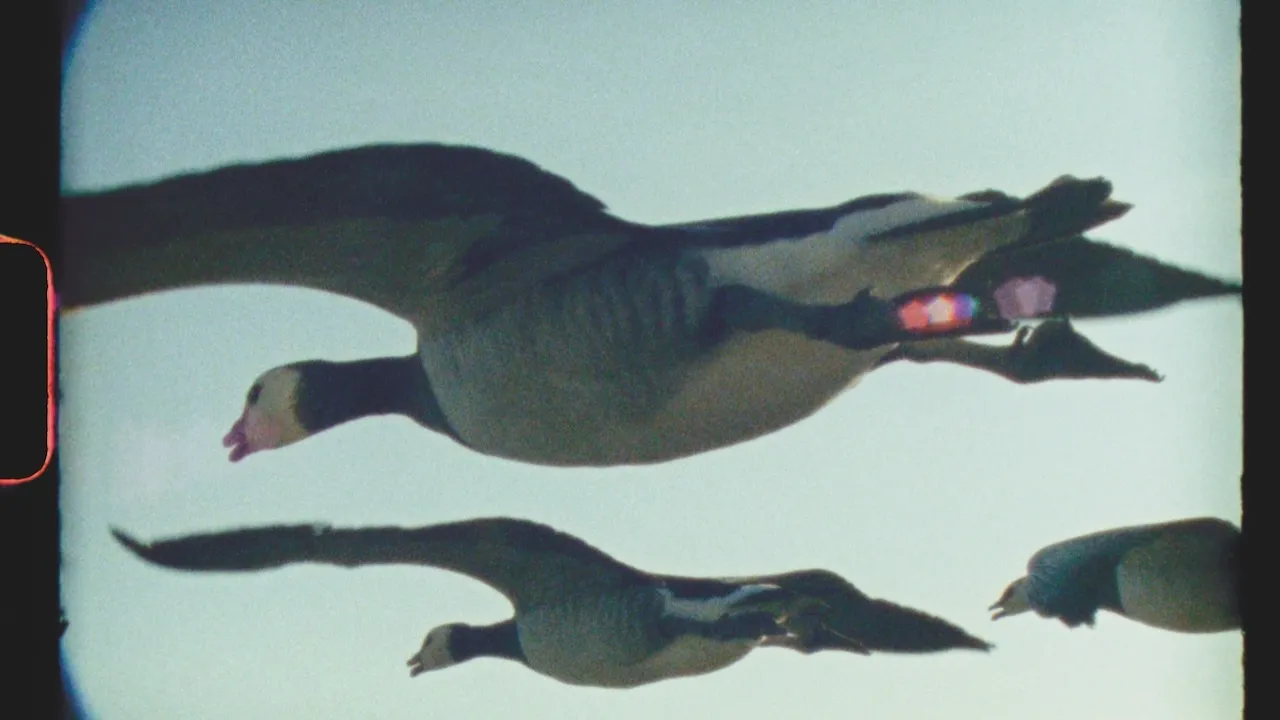
The handheld, low-fidelity aesthetic stands apart from the high-definition, tightly controlled style that dominates the genre. The film suggests that a relentless pursuit of technical perfection can smooth away the wildness of the world, presenting environments that few viewers could ever encounter in their own lives.
The strict limitations of the Super 8 cartridge, which allows only around two-and-a-half minutes of continuous filming, demand unusual patience and precision from the contributors. This constraint slows the process and aligns it with the measured tempo of the wildlife on screen. Filmmakers must contemplate a scene before exposing the stock rather than rely on continuous rolling to capture every possible moment. The images that result carry a strong sense of intention.
The fragility and mechanical unpredictability of the cameras echo the vulnerability of the animals and ecosystems being recorded. The connection between subject and form becomes a clear statement: the cost, imperfection, and risk of the medium deepen the sense of closeness between filmmaker, viewer, and creature in the frame. Highly polished surfaces can create distance; the rawness of this material reduces that gap and creates a striking immediacy.
Scope, Structure, and Sound Design
The geographic and biological sweep of Super Nature is striking. The film moves across continents and habitats, presenting a broad range of life. The contributors’ footage shifts from desert quail in the USA to whales off Argentina, follows puffins in Wales and monkeys in India, and explores underwater reefs in Tasmania. The film also captures animal life within dense urban spaces, from Delhi to Bangkok, and refuses to confine nature to remote wilderness alone.
Sayers’ work as editor shapes this scattered archive into a coherent film. He assembles the self-contained vignettes without relying on a conventional narrative arc. A shared analog texture and common thematic concerns knit together the many locations and species. Because the Super 8 format records only silent images, the sonic dimension must be created from the ground up.
David McAulay’s sound design rebuilds the acoustic world, from leaf movement to the thud of an animal’s stride. The original score by Alexandra Hamilton-Ayres joins this work, adding an uplifting musical line that threads through the images. Image, sound design, and music merge into a carefully layered soundscape that supports the silent footage and shapes the emotional rhythm of the film.
The narrative architecture grows from the story of the project’s creation. Sayers frames the film through a dual voiceover. His own commentary introduces footage and responds to emerging themes. Interwoven with his narration are fragments of voiceover from the 40 local contributors. These voices attach specific meanings to the images, supplying local detail and describing the personal ties each filmmaker feels to the land and creatures on screen. The film shifts from a single-perspective nature record to a collaborative and reflexive piece of global storytelling, in which the making of the project functions as part of the narrative.
The Ethical Core of Environmentalism
Beneath its technical and formal precision, Super Nature carries a clear ethical and environmental charge. The concerns voiced by the contributors collect into a firm statement about shared responsibility for the planet. Their comments convey deep care for the nonhuman world and open unease about current environmental damage.
One image shows a boat hauling heavy nets full of plastic from the Pacific Ocean, a direct illustration of human-made contamination on a massive scale. Another thread traces the difficult work of protecting critically endangered species through the account of a Kenyan park ranger who guards the last two remaining northern white rhinos.
Anxiety about harm sits beside a vivid sense of hope grounded in action. The film pays close attention to individuals who commit their daily lives to protection and repair, such as Fanta, who works at a turtle sanctuary, and Dani, who safeguards snakes in the Mojave Desert. Their efforts give the film a concrete vision of local dedication that feeds into a larger idea of environmental change.
Super Nature positions the bond between people and their surroundings as its central theme. The film consistently presents the camera operators as participants within the natural world rather than distant, all-seeing commentators. The ethical argument grows directly from this creative choice. The work invites viewers to reconsider both the creative possibilities of analog film and their own relationship to the living environments that surround them. Its zero air miles production approach strengthens the film’s commitment to sustainability and ties its method of making to the ecological values expressed on screen.
Super Nature is Ed Sayers’ feature directorial debut, which premiered at the BFI London Film Festival in October 2025. This documentary takes an unconventional approach to wildlife filmmaking, having been shot entirely on the vintage Super 8 format by a global network of over 40 contributors. Following its successful festival run, the film was acquired by BFI Distribution for a planned theatrical release in the UK and Ireland sometime in 2026. While a specific streaming platform is yet to be announced, the documentary’s compelling environmental themes and unique aesthetic suggest it will soon find a wide audience via a major broadcaster or streamer.
Full Credits
Title: Super Nature
Distributor: BFI Distribution (UK & Ireland), Autlook Filmsales (International Sales)
Release date: Premiered at the BFI London Film Festival in October 2025; acquired for UK and Ireland cinema release in 2026.
Running time: 82 minutes
Director: Ed Sayers
Writers: Ed Sayers (Story and Narration)
Producers and Executive Producers: Rebecca Wolff, Ed Sayers, Beth Allan, Asif Kapadia, Shanida Scotland, Mark Thomas, Rachel Price, Alexander Behse, Adrian Bull, Nikki Parrott
Cast: The film features voiceovers from over 40 contributors including Zacharia, Fanta, Dani, Roger Batteault, Valentina, and Ed Sayers
Director of Photography (Cinematographer): 40 Collaborators (Varies per segment)
Editors: Ed Sayers, David Arthur
Composer: Alexandra Hamilton-Ayres
The Review
Super Nature
Super Nature is a profound, meditative experiment. By championing the fragile Super 8 format, Ed Sayers and his global network of contributors create a powerful counter-documentary to polished HD filmmaking. The film is structurally inventive, weaving disparate global images into a cohesive, deeply personal statement on environment and humanity. It successfully transforms technical limitations into emotional intimacy, delivering a message of both profound environmental concern and inspiring local hope. It is a vital and beautifully textured invitation to look closer.
PROS
- Masterful and effective use of the vintage Super 8 medium, achieving high intimacy and a unique tactile visual quality.
- Impressive logistical feat involving 40 contributors from 25 countries, unified seamlessly by clever editing.
- Delivers a powerful environmental message that successfully balances profound concern with inspiring local hope and activism.
- Innovative narrative framing built around the story of the project's making and the dual voiceover.
- Layered sound design and a sensitive original score provide crucial texture and emotion over the silent footage.
- Offers a refreshingly lo-fi contrast to typical nature documentaries, making the natural world feel immediate and accessible.
CONS
- The inherent lo-fi quality of Super 8 occasionally causes some ambitious shots of small or fast-moving creatures to be hard to make out.
- A few specific sequences, particularly those requiring complex coordination, risk feeling overly constructed or staged compared to the rest of the natural, spontaneous footage.