























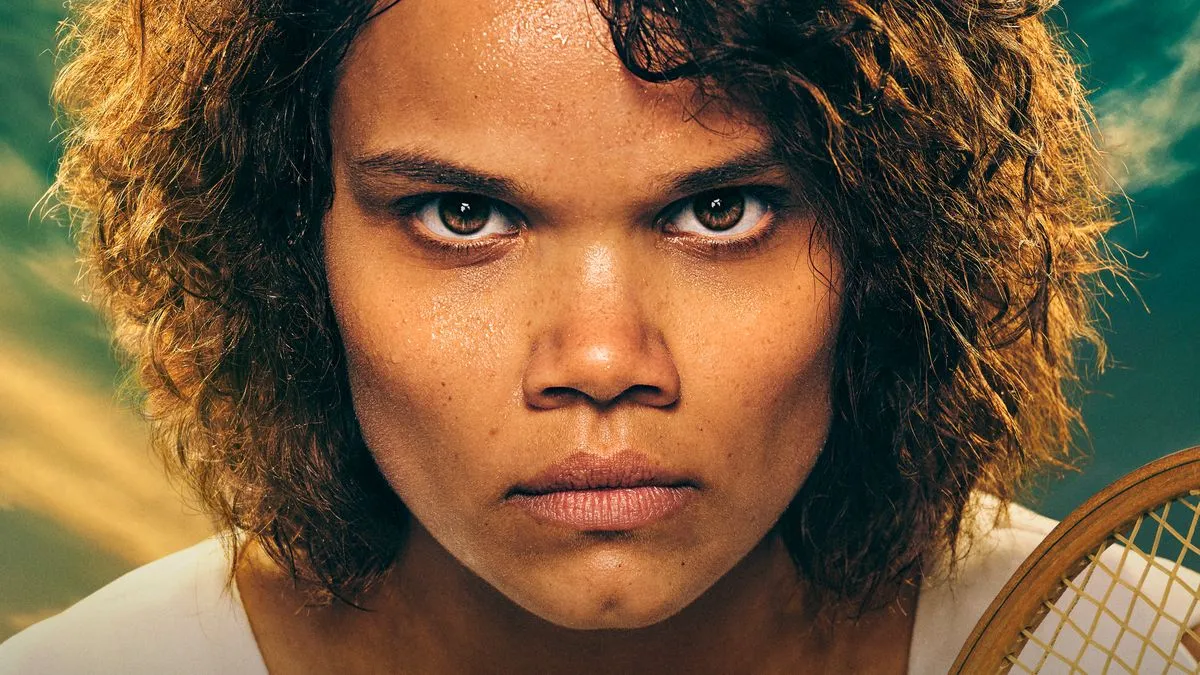

The ABC miniseries Goolagong lands as a three-part biographical drama charting the meteoric rise of Australian tennis royalty Evonne Goolagong Cawley. Director Wayne Blair teams with writers Steven McGregor and Megan Simpson Huberman to trace a story that begins in the dusty Riverina town of Barellan and stretches to the pristine lawns of Wimbledon’s Centre Court.
The script runs on a fluid flashback design, shifting between her rural New South Wales childhood and her professional dominance throughout the 1970s. With Evonne and Roger Cawley credited as associate and executive producers, the series carries the quiet confidence of people who know exactly what they are putting on screen.
The show frames her ascent inside a rigid sporting culture shaped by white elitism. As a Wiradjuri woman, her very presence pressed on the status quo during a period of immense social upheaval in Australia. Goolagong keeps the usual sports-drama chest-thumping out of frame and focuses on something sturdier: a girl turning a wooden fruit box paddle into a ticket to global stardom.
The Court of Influence
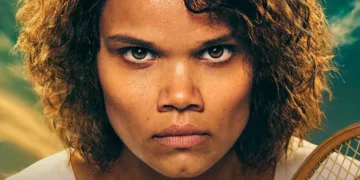
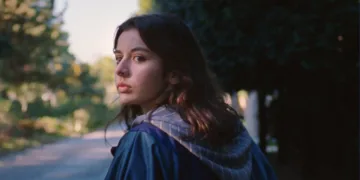
Lila McGuire brings remarkable poise to Evonne, catching the “walkabout” rhythm of her game while holding onto a quiet, steely dignity that reads as authentic. She plays the champion as someone who finds her voice through action, with each beat of performance building that idea in clean, disciplined strokes.
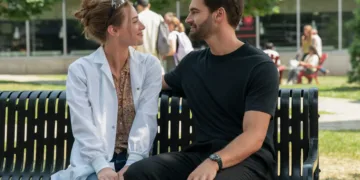
The men around her sketch a complicated outline of who gets to shape a prodigy. Marton Csokas plays coach Vic Edwards with a chilling slide into control, shifting from mentor into a toxic presence that tightens around her finances and personal choices. The resulting imbalance sits in the room like a bad smell that will not leave. Felix Mallard’s Roger Cawley offers a different kind of partnership, one that helps her find footing away from Edwards and hints at the stability required to survive that level of scrutiny.
Luke Carroll adds warmth as her father, Kenny, and his unwavering belief in her talent continues to matter long after his death. The early years stay grounded through young actors like Eloise Hart, selling the simple joy of a child hitting balls against brick pillars. Taken together, the performances build a portrait of genius under pressure, and a woman pulling her agency back from people eager to claim ownership.
A Dreamy Game Point
Visually, Goolagong takes a different route from the gritty or hyper-saturated looks that dominate many modern sports dramas. The cinematography leans on soft-focus lenses and light-drenched frames, creating a contemplative atmosphere that plays like memory.
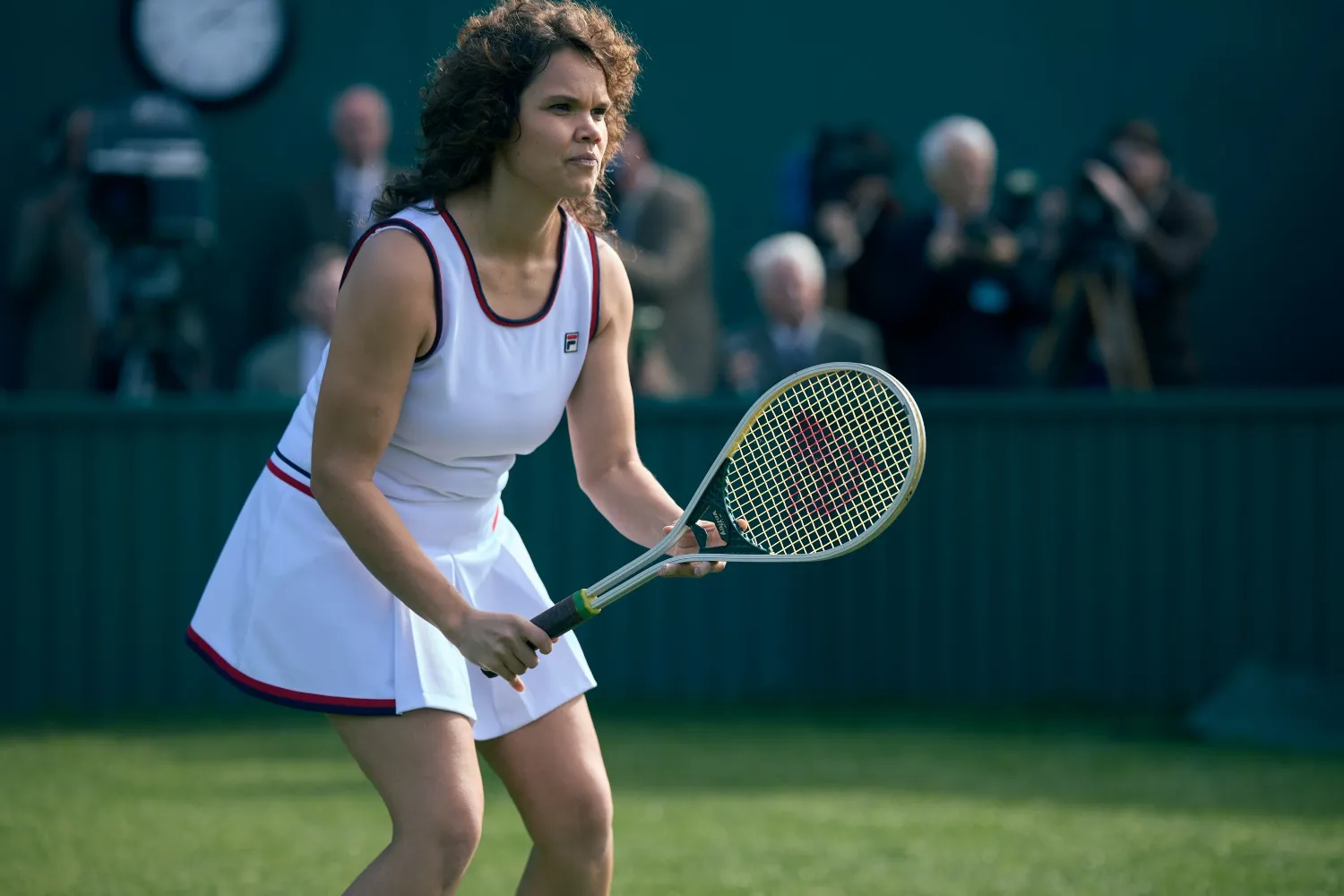
Blair shows real restraint with coverage, steering clear of the standard wide-angle stadium images that can tip into artificiality or expose budget edges. He keeps attention on dressing rooms and the quiet tension of the tunnel, letting the roar of the crowd exist at a distance.
The tennis sequences land because the series treats the matches as psychology first. Close framing and rhythmic editing stay with McGuire’s fluid follow-through, keeping the point-by-point mythology secondary to what the moment does to her.
The craft team locks in period authenticity, with sets and costumes moving smoothly from 1950s regional New South Wales to the high-fashion pavilions of 1970s London. That shift makes the professional circuit feel like a foreign planet to the girl from Barellan, and the genre benefits from the choice: the inner life stays in view, and the score can wait.
Silence and Success
The series approaches the political realities of the mid-twentieth century with a subtle touch. It captures the pervasive fear of the Stolen Generations through a scene of children hiding from “shiny” government cars, a moment that plants historical weight without turning the episode into a lecture. The era’s ugliness comes through with blunt clarity when Evonne is declared an “honorary white” during a tournament in apartheid-era South Africa.
Evonne keeps choosing restraint. She lets her racquet speak, pushing back against pressure to become a loud political spokesperson. A sharp exchange with Billie Jean King tracks tennis shifting into a commercial enterprise. King fights for equal pay. Evonne admits she would play for free, a line that underlines the pure love of the sport that shaped her career.
Her legacy stands unmatched as the first Indigenous Wimbledon champion and the first mother to win the title since 1916, achieved while moving through a world eager to define her by race or gender. If quiet excellence is her chosen language, how much defiance can it carry in a culture that rewards volume?
The three-part miniseries Goolagong premiered on ABC TV and ABC iview on January 4, 2026. This biographical drama chronicles the life of Wiradjuri tennis champion Evonne Goolagong Cawley, following her journey from the small town of Barellan to the heights of international sporting success. Viewers can stream all episodes of the series on the ABC iview platform, which offers the complete story of her resilience and historic victories.
Full Credits
Title: Goolagong
Distributor: ABC TV, ABC iview
Release date: January 4, 2026
Rating: TV-PG
Running time: 55 minutes per episode
Director: Wayne Blair
Writers: Steven McGregor, Megan Simpson Huberman
Producers and Executive Producers: Danielle MacLean, Joanna Werner, Stuart Menzies
Cast: Lila McGuire, Marton Csokas, Felix Mallard, Luke Carroll, Chenoa Deemal, Eloise Hart
Director of Photography (Cinematographer): Katie Milwright
Editors: Angie Higgins
Composer: Cornel Wilczek
The Review
Goolagong
Goolagong is a masterclass in biographical storytelling, favoring internal grace over external bombast. It elegantly deconstructs the myth of the athlete to reveal a woman defined by her own quiet resolve. By sidestepping typical sporting clichés, the production creates a space where history feels personal and immediate. The result is a series that captures the essence of a national icon while respecting her silence. It effectively reminds us that the most significant battles are often fought with a steady hand and a calm heart.
PROS
- A breakout turn that captures both the physical "walkabout" style and the internal steely dignity.
- The soft-focus, light-filled cinematography creates a dreamy, period-accurate atmosphere.
- Marton Csokas provides a nuanced, chilling portrayal of the power dynamics between a coach and a protégé.
CONS
- Some may find the re-enacted tennis sequences lack the explosive intensity of modern professional matches.
- The series occasionally glosses over the harsher details of Evonne’s life, likely due to her role as producer.
- The contemplative tone and flashback structure might feel slow to viewers seeking a high-octane sports thriller.