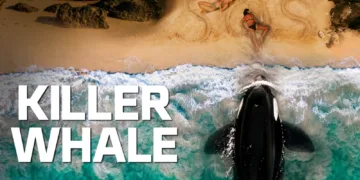



















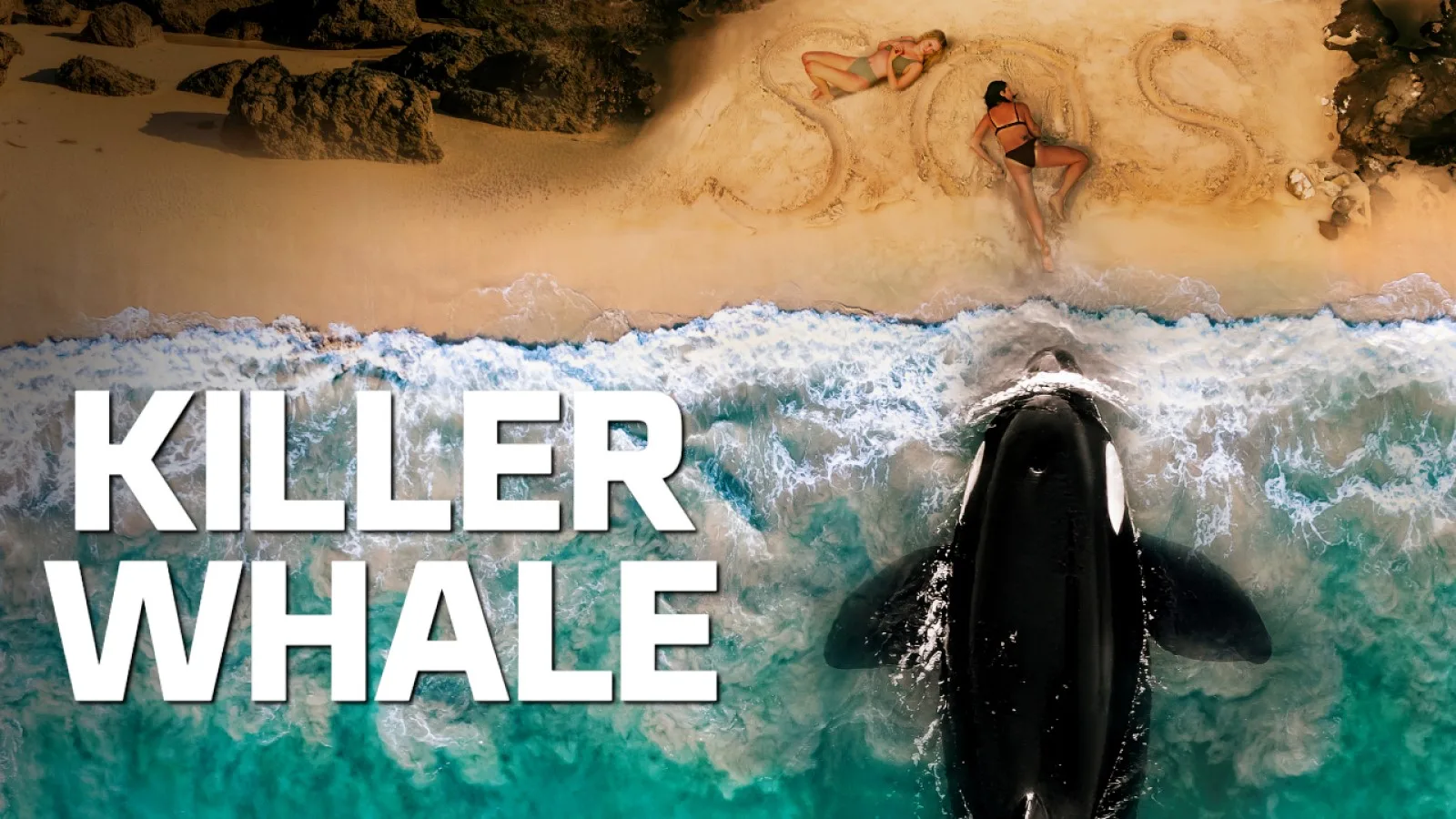

Killer Whale follows Maddie, a gifted cellist whose life breaks apart during a violent restaurant robbery. That attack kills her boyfriend, Chad, and leaves her with permanent hearing loss. A year later Maddie remains locked in grief and limited by her injury. Her friend Trish organizes a trip to Thailand to help her heal.
They meet a local man named Josh and take an afternoon excursion to a remote lagoon. The trip becomes dangerous when they encounter Ceto, an orca that escaped from a nearby marine park. Ceto endured years of mistreatment and now treats humans as enemies. The group becomes stranded on a small rock as the tide rises while the orca circles them.
Director Jo-Anne Brechin stages the survival plot to examine both the effects of captivity on animals and the aftermath of personal trauma. The film moves from neon-lit streets to the exposed danger of open water, and the characters must find a way to outmaneuver a powerful animal that is at once harmed by people and lethal.
Echoes of a Shattered Song
Maddie’s inner life carries the film’s emotional weight. The opening robbery destroys the musical identity that defined her. Her hearing loss creates a profound solitude that echoes the orca’s condition. As someone who spent years practicing scales on a violin, I felt a close connection to Maddie’s frustration when sound no longer functions as it once did.
Losing a creative outlet registers here as a deep injury. Virginia Gardner turns in a strong performance as a character who appears fragile yet must survive. Her portrayal of a grieving artist remains grounded and believable. Maddie’s relationship with Trish shapes much of the plot. Trish intends to help and makes impulsive choices that lead to danger.
She proposes entering the marine park and later suggests the lagoon trip. Those decisions generate tension between the friends. Virginia Gardner and Mel Jarnson create convincing chemistry and act as the film’s emotional anchor. Josh serves as the local guide who enables the outing. Chad appears in persistent flashbacks while Maddie holds on to his memory. A late revelation reframes the friendship and alters the group’s survival dynamic.
The story follows Maddie’s slow process of recovery, showing how trauma can trap a person much like confinement traps an animal. Gardner communicates that interior struggle with small, precise expressions. The audience watches her attempt to reconnect with music. Her hearing loss functions as a barrier to her previous life and forces adaptation. The survival situation pushes her to face fear and to take action for her future.
The Shadow of the Tank
Ceto’s history explains her hostility. The World of Orca facility kept her in poor conditions for years. A specific scene in which she kills her handlers establishes her as a dangerous, vengeful presence. Her attacks stem from a persistent sense of confinement. That idea adds a moral layer to the horror.
Maddie experiences a parallel sense of entrapment due to trauma while Ceto remains confined by human systems. The isolated lagoon functions as a natural cage for both the humans and the whale, which creates a potent irony. The film opposes the exploitation of marine animals for entertainment and asks the viewer to regard the predator as a harmed being. The orca operates with notable awareness. Ceto watches the stranded humans from the water and demonstrates an intelligence that the film treats seriously.
The script grants her a history and motive so her actions follow a tragic logic. The film avoids reducing her to a mere killing machine and instead presents the ethical cost of profit-driven marine attractions. Those ethical questions give the survival scenes an added emotional weight. The audience experiences both the immediate danger and the sorrow behind the whale’s behavior.
Constructing the Impossible Horizon
Ceto’s design includes a scarred eye and unusually bright blue eyes, details that set her apart visually. The CGI works well in moments when the whale remains partly submerged, and the ripples and sunlight on the waves often feel convincing. At times the digital effects during attack sequences show limitations.
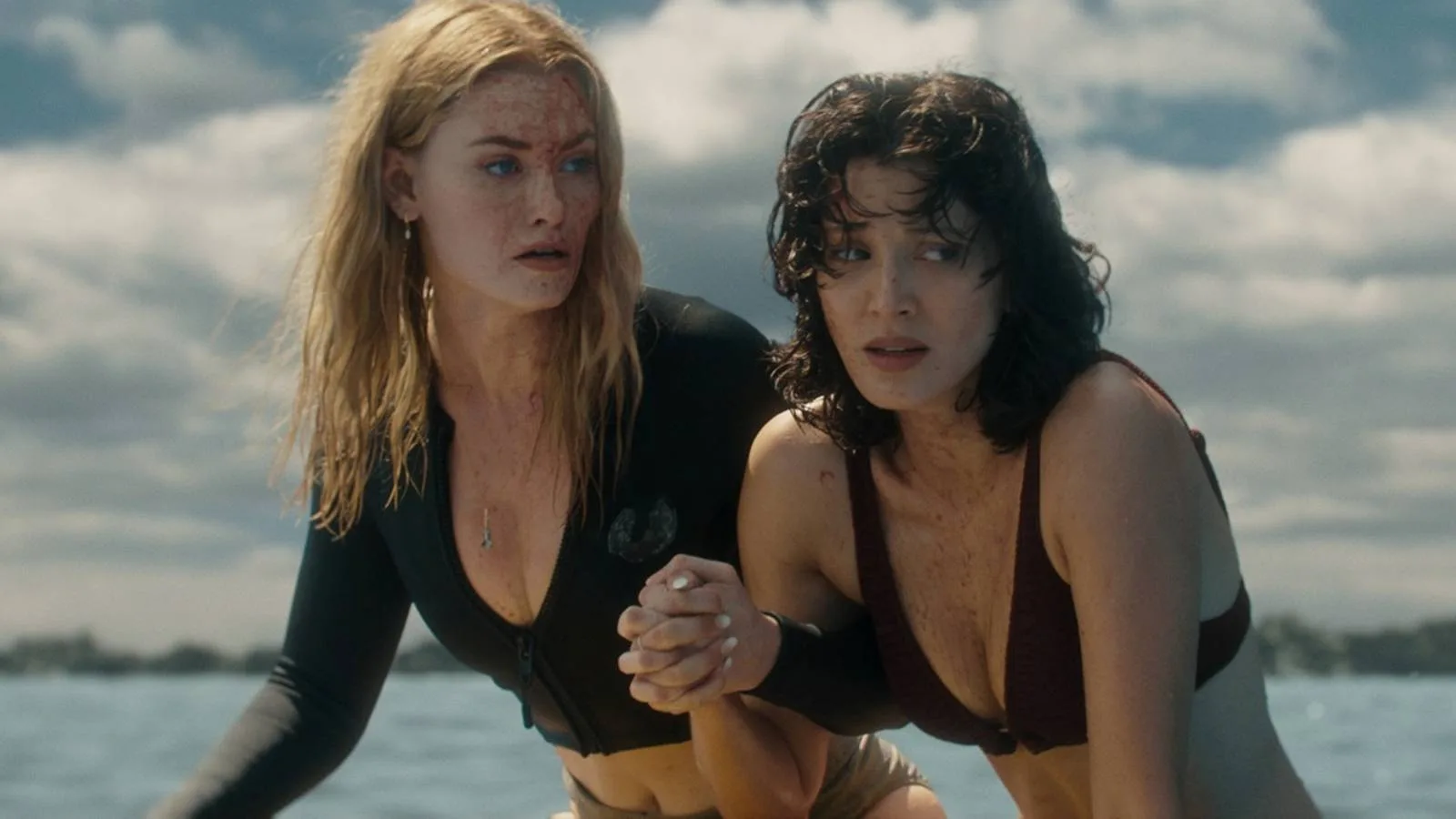
The whale can look less realistic and certain movements register as unnatural. Filming on a small rock created clear technical challenges and the production relied on green screens to produce the ocean backdrop. Some shots show inconsistencies in water depth and the placement of rocks shifts between scenes, but the camera often builds a sense of claustrophobia within a wide open setting.
That visual tension benefits the film because the characters appear to have nowhere to go. The environmental design contrasts crowded Thai markets with an empty blue lagoon. The nighttime break-in uses lighting effectively and neon colors come through sharply. The editing centers attention on the actors, while the sound design emphasizes the underwater world.
Maddie’s hearing loss receives attention through muffled audio that places the viewer inside her perception. That choice enhances the production’s technical quality. The scale of the orca reads as imposing and the digital artwork registers most successfully when the whale is partly in the water.
The Rhythm of Survival
The film builds slowly in its first half with an emphasis on character drama and grief. Survival elements arrive later and the opening marine park scene establishes a bleak baseline. The restaurant robbery provides a different kind of shock. Time spent on Maddie’s mourning reduces narrative momentum but allows the audience to invest in her. The film foregrounds empathy while keeping gore to a minimum.
The story shifts from reflective drama into high-stakes horror as the group’s choices lead them into danger. The characters take risks that strain credibility, such as walking barefoot on concrete and entering unknown waters without a plan, yet those choices follow the internal logic of the thriller. The resolution links Maddie’s personal arc with Ceto’s escalation. Maddie discovers a path toward healing while the whale’s aggression reaches a climax.
Some narrative threads remain unresolved, including questions about the marine park’s accountability, which leaves ethical issues active in the viewer’s mind. The ending provides a earned sense of closure for the central character and keeps the film focused on human responses to harm. The result operates as a reflection on how people treat animals and how they cope with their own losses while maintaining attention on the human element.
Killer Whale is a survival thriller that follows best friends Maddie and Trish on a vacation to Thailand, intended to help Maddie recover from a past trauma that left her with permanent hearing loss. Their getaway turns into a fight for survival when they become trapped in a remote lagoon with a vengeful orca named Ceto, who has escaped from a local marine park. The film premiered in theaters on January 16, 2026, and is currently available to watch in select cinemas and on major Digital/VOD platforms through Lionsgate.
Full Credits
Title: Killer Whale
Distributor: Lionsgate, Rialto Distribution
Release date: January 16, 2026
Rating: R
Running time: 89 minutes
Director: Jo-Anne Brechin
Writers: Jo-Anne Brechin, Katharine McPhee
Producers and Executive Producers: Steve Jaggi, Kylie Pascoe, Lionel Hicks, Michael Gray, Phil Hunt, Compton Ross, Jip Panosot, Jérome Reygner-Kalfon, Sebastien Semon, Barry Brooker, Stan Wertlieb
Cast: Virginia Gardner, Mel Jarnson, Mitchell Hope, Isaac Crawley, Ron Smyck, Scott James George, Aliandra Calabrese
Director of Photography (Cinematographer): Shing-Fung Cheung
Editors: Ahmad Halimi
Composer: Angela Little
The Review
Killer Whale
Killer Whale offers a grounded look at survival. It connects human pain with the plight of a captive animal. Virginia Gardner provides a solid performance. The visual effects often fail to match the emotional weight. The script chooses empathy over simple violence. This makes the experience feel grounded. It remains a capable thriller for those who appreciate character development. I appreciate the focus on the internal life of the protagonist. The film stays true to its somber tone. It delivers a meaningful story about recovery.
PROS
- Authentic portrayal of acoustic trauma.
- Strong chemistry between lead actresses.
- Thoughtful perspective on animal rights.
- Atmospheric use of Thai locations.
CONS
- Distracting digital effects on the creature.
- Slow start before the action begins.
- Small errors in geographical logic.
- Predictable plot beats.