






























The fourth season of Will Trent loads in five months after the blowup at the GBI headquarters, and the campaign starts with damage already on the character sheets. Special Agent Will Trent is trying to steady himself through regular therapy sessions, treating recovery like a recurring checkpoint he cannot skip.
Atlanta stays the active map for his precise investigative work, yet the city reads differently because the people inside it have changed. Amanda Wagner is back at her desk, pushing through the physical hit and the career fallout of her injury. Michael Ormewood is still on the team, locked down by a serious health crisis that keeps him planted. Will is caught between his instinct for isolation and the sudden, constant pull of a biological family.
This season keeps its focus on consequences that linger. It tracks what violence leaves behind and builds its momentum from choices that keep echoing. Will wants a quiet future, and his childhood keeps flashing warnings across the screen. The series trims the familiar procedural loop and spends its time on what follows after the sirens stop.
Pickleball and the Carrot Cake Paradox
Will’s mental state becomes the main system through his scenes with Dr. Roach. Margaret Cho plays her with a steady, practical energy, and she uses physical routines like pickleball as a method to pry loose feelings Will has buried for years. Their sessions keep returning to the “carrot cake” analogy for his new life: Will finally has the family he wanted, and the reality lands heavy, messy, and hard to process. The comfort he chased comes with noise, need, and a closeness he cannot control.
Anger turns into a tracked stat that Will keeps checking and failing to contain. He admits he fears what a man’s temper can do, and that fear rides shotgun as his personal life starts to crack. The pressure shows up in the way he works cases, where focus costs more and the strain sits on every decision.
His strict attachment to the law starts to shift, and powerlessness pushes out the old certainty that used to guide him. Even the voices he leans on while solving crimes grow louder and harder to carry. The show leans into character study here, watching how a brilliant mind performs while the spirit drags. Mental health reads as equipment, and therapy plays like disciplined training that Will needs to survive his job and his life.
Parallel Paths and Salted Relationships
The ensemble splits into separate routes, and the pain comes from how clearly those routes stop lining up. Angie Polaski is dealing with pregnancy and a steadier life with Seth McDale. Erika Christensen plays Angie with restraint, letting the conflict show through small choices and quiet hesitations. Angie is moving toward a future that leaves her oldest companion outside the door, and the widening distance between her and Will carries a permanence that many procedurals avoid. The result is an ache that sits in the background of every scene they share.

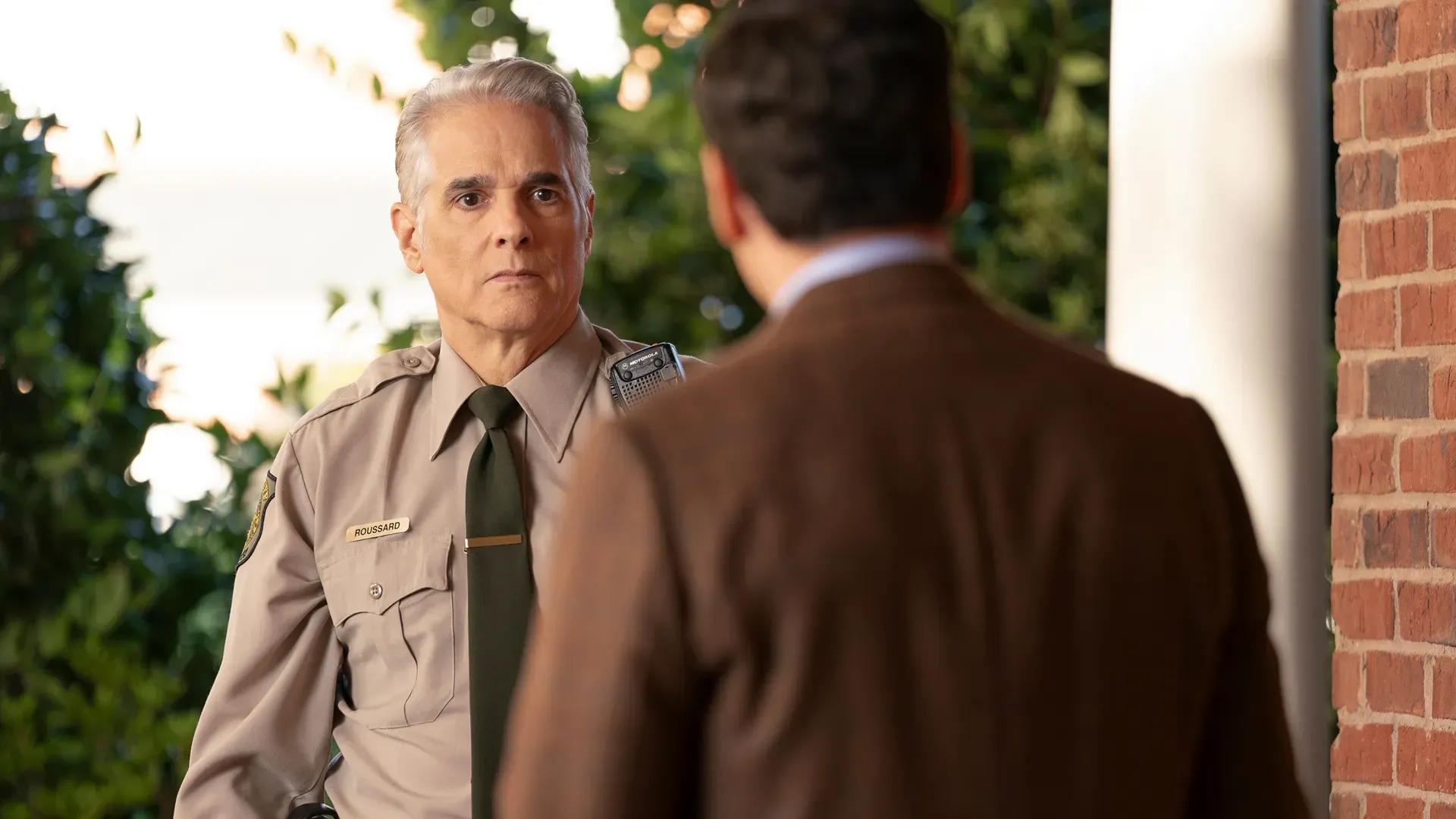
Will is also trying to fit into the Broussard family, and Sheriff Caleb Roussard comes across as warmth made human. For Will, the reality of blood relatives hits like sensory overload. He is built for silence and solitude, then he walks into a family that is loud and heavy-handed with salt. Conflict sparks when Caleb steps into GBI business, and Will feels the overlap between personal history and professional duty tighten around him.
Faith Mitchell stays his anchor through the transition, and the team keeps acting like a protective party unit, spotting Will’s instability before he names it himself. The series does some of its best work in these low-key beats of loyalty, where connection comes from shared history and hard-earned trust.
The Shadow of James Ulster
James Ulster’s return flips the tone with the kind of sharp turn that signals a high-threat encounter. His prison escape with a young apprentice brings back a raw danger, and the steakhouse crime scene underlines what he can do when he has room to move.
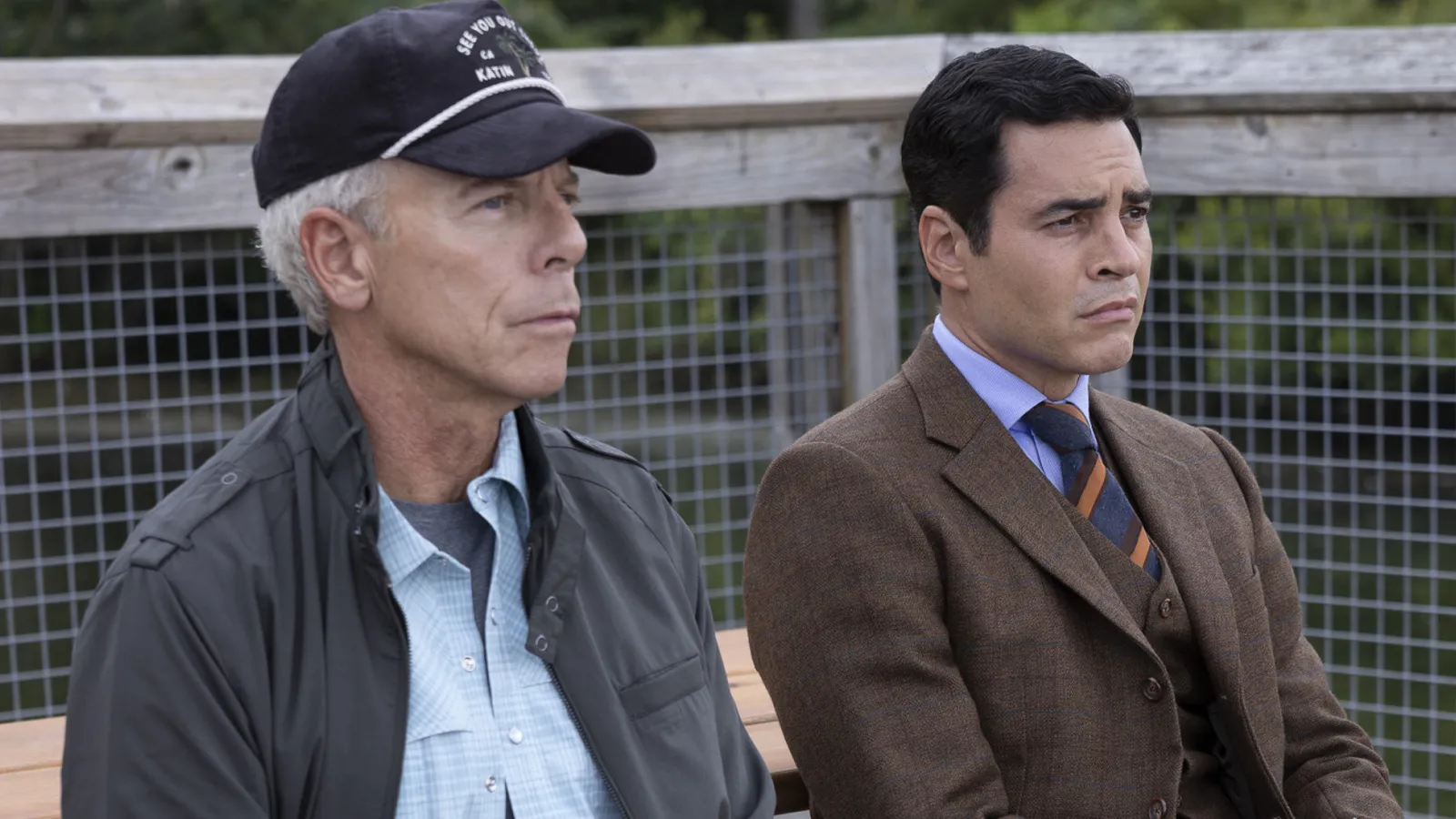
Greg Germann plays Ulster as a charming sociopath, and that charm becomes another weapon. He keeps a suffocating psychological grip on Will, powered by what he knows about Will’s mother and how easily that knowledge can destabilize him.
Ramón Rodríguez directs the premiere, and his approach emphasizes the speed and risk in Ulster’s movements. The camera matches the urgency of the hunt while holding on Will’s disorientation as it builds. This storyline runs on identity, forcing Will to face the trauma tied to his birth. Ulster stands as the architect of Will’s earliest pain, so the pursuit functions as legal work and a fight for Will’s sanity at the same time. The pacing stays relentless, keeping the case-driven momentum while putting generational trauma on the board as the real endgame.
Levity Amidst the GBI Gurning
The series keeps its tonal control by leaning on the ensemble’s rhythm. Michael Ormewood’s cancer diagnosis is handled with a blunt realism that does not chase easy sentiment. Jake McLaughlin sells the physical drain of chemotherapy and the frustration of being stuck on desk duty, with “emotional days” treated as part of the routine instead of a special episode detour.
Amanda Wagner’s authority takes its own hits while she heals from a gunshot wound and worries that a temporary replacement is angling for her job. That anxiety sharpens the office dynamics and makes the workplace feel tense in a grounded way. Kevin Daniels’ promotion to series regular adds welcome lift, and the Franklin-Ormewood banter gives the season breathing room without dodging its heavier subjects.
The humor comes from the plain, everyday friction of police work, and it helps the show live alongside serial killers and illness without flattening either. This season plays like a careful continuation of long-running character wear and tear, with every person carrying scars you can see and scars you can infer. Can Will find a way to quiet the ghosts before they tear down the life he is trying to build?
Will Trent returned for its highly anticipated fourth season on January 6, 2026, on ABC. The season picks up five months after the intense Season 3 finale, finding Special Agent Will Trent navigating the complexities of his newly discovered biological family while continuing to solve high-stakes crimes for the Georgia Bureau of Investigation. For those who prefer streaming, episodes are available on Hulu the day after their network broadcast. The premiere episode, “Speaking of Sharks,” was notably directed by the series star, Ramón Rodríguez, further deepening the show’s intimate and character-driven approach to the police procedural genre.
Full Credits
Title: Will Trent (Season 4)
Distributor: ABC, Hulu
Release date: January 6, 2026
Rating: TV-14
Running time: 43–44 minutes
Director: Ramón Rodríguez, Howard Deutch, Eric Dean Seaton, Holly Dale, Lea Thompson, Patricia Cardoso, Sheree Folkson, Bille Woodruff, Erika Christensen, Gail Mancuso, Geary McLeod, Jason Ensler, Mark Tonderai, Paul McGuigan
Writers: Liz Heldens, Daniel T. Thomsen, Inda Craig-Galván, Henry ‘Hank’ Jones, Karine Rosenthal, Adam Toltzis, Antoine Perry, Britta Lundin, Karin Slaughter
Producers and Executive Producers: Liz Heldens, Daniel T. Thomsen, Karine Rosenthal, Karin Slaughter, Oly Obst, Jason Ensler, Ellen Marie Blum, Ramón Rodríguez, Kath Lingenfelter
Cast: Ramón Rodríguez, Erika Christensen, Iantha Richardson, Jake McLaughlin, Sonja Sohn, Kevin Daniels, Gina Rodriguez, Scott Foley, Greg Germann, Yul Vazquez, Margaret Cho
Director of Photography (Cinematographer): Daniel Delgado Jr., Adam Silver
Editors: Nathan Draper, Tirsa Hackshaw, Mark S. Manos
Composer: Joe Wong
The Review
Will Trent Season 4
This season transforms a standard procedural into a sharp study of grief and endurance. Ramón Rodríguez leads with a performance that balances dry wit with genuine psychological fracture. The narrative avoids easy resolutions. It chooses to let the consequences of past trauma breathe. By centering the story on internal recovery, the show reaches a new level of maturity. It remains a rare broadcast gem that respects its characters enough to keep them broken.
PROS
- A rigorous focus on mental health and long-term recovery.
- Greg Germann provides a chilling and intellectually threatening presence.
- The expanded ensemble allows for a natural balance of comedy and tragedy.
- Authentic depiction of chronic illness through Ormewood’s storyline.
CONS
- The deliberate pacing in interrogation scenes sometimes stalls the momentum.
- The permanent emotional distance between Will and Angie may alienate fans of their pairing.