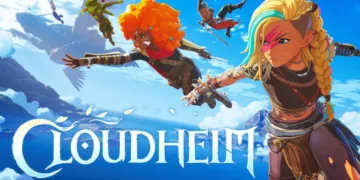























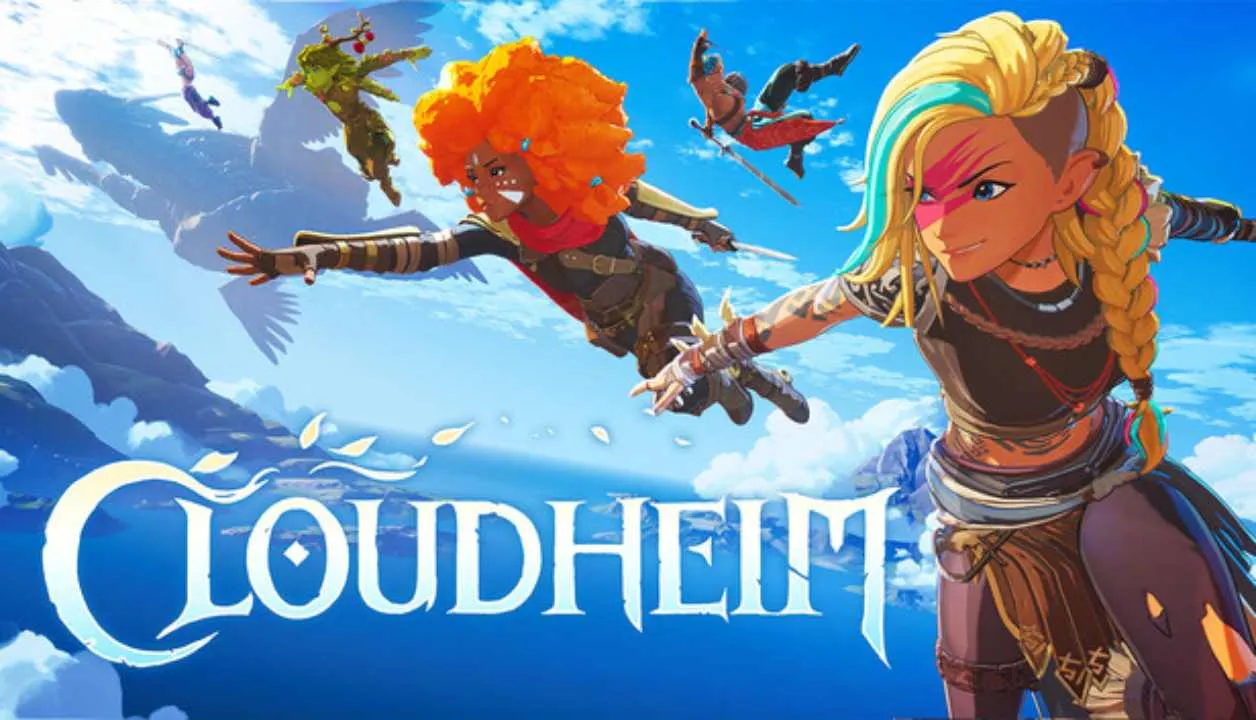

A failed apocalypse rarely looks this cheerful. Ragnarok arrived, yet instead of a final silence, it left behind a scattered graveyard of floating rocks and forgotten deities. You wake up in this wreckage, tasked with stitching the pieces of a broken mythology back together. Your home is the back of a massive turtle named the Odin Shell. This creature carries your life across the sky, acting as a living vessel for your ambitions.
The atmosphere stays light, characterized by soft lighting and pastel skies that frame every expedition. You spend your hours hopping between fragments of the world, gathering resources and meeting survivors who have nowhere else to go. This setting avoids the heavy drama of typical end-times stories. It finds its identity in the energetic chaos of a world attempting to rebuild itself from the remains of a divine disaster.
Sovereignty on the Odin Shell
The game world functions through a constant loop between the wild islands and the safety of your turtle base. The Odin Shell is a literal mobile platform for player agency. You build your home here, placing crafting stations and furniture to suit your needs. This creates a personal connection to the hub, as the turtle evolves based on your efforts.
Moving through the world involves traveling to various biomes like frozen tundras and arid deserts. Each location holds its own secrets, using procedural generation to keep the layouts fresh during every visit. You will find hidden puzzles and scattered survivors waiting for a leader to reconnect their homes.
The shop management system ties the exploration to the narrative. You do not just collect loot for your own power. You run a market on the back of the turtle. NPCs from different islands visit your stalls to buy the goods you have crafted from salvaged materials.
Selling items increases your reputation among the sky-dwellers. High reputation attracts more visitors, which brings in better resources and new quests. This system turns the act of gathering into a social and economic project. Reclaiming the world becomes a tangible goal as you watch your market grow and your turtle become a bustling center of civilization. The story unfolds through these small interactions and the physical state of your base.
The Kinetic Logic of Physics and Flight
Movement provides a sense of freedom that defines the experience. You have access to double, triple, and quadruple jumps, allowing you to cross massive voids with ease. Gliding and using a lasso to swing from structures adds a layer of verticality to every encounter.
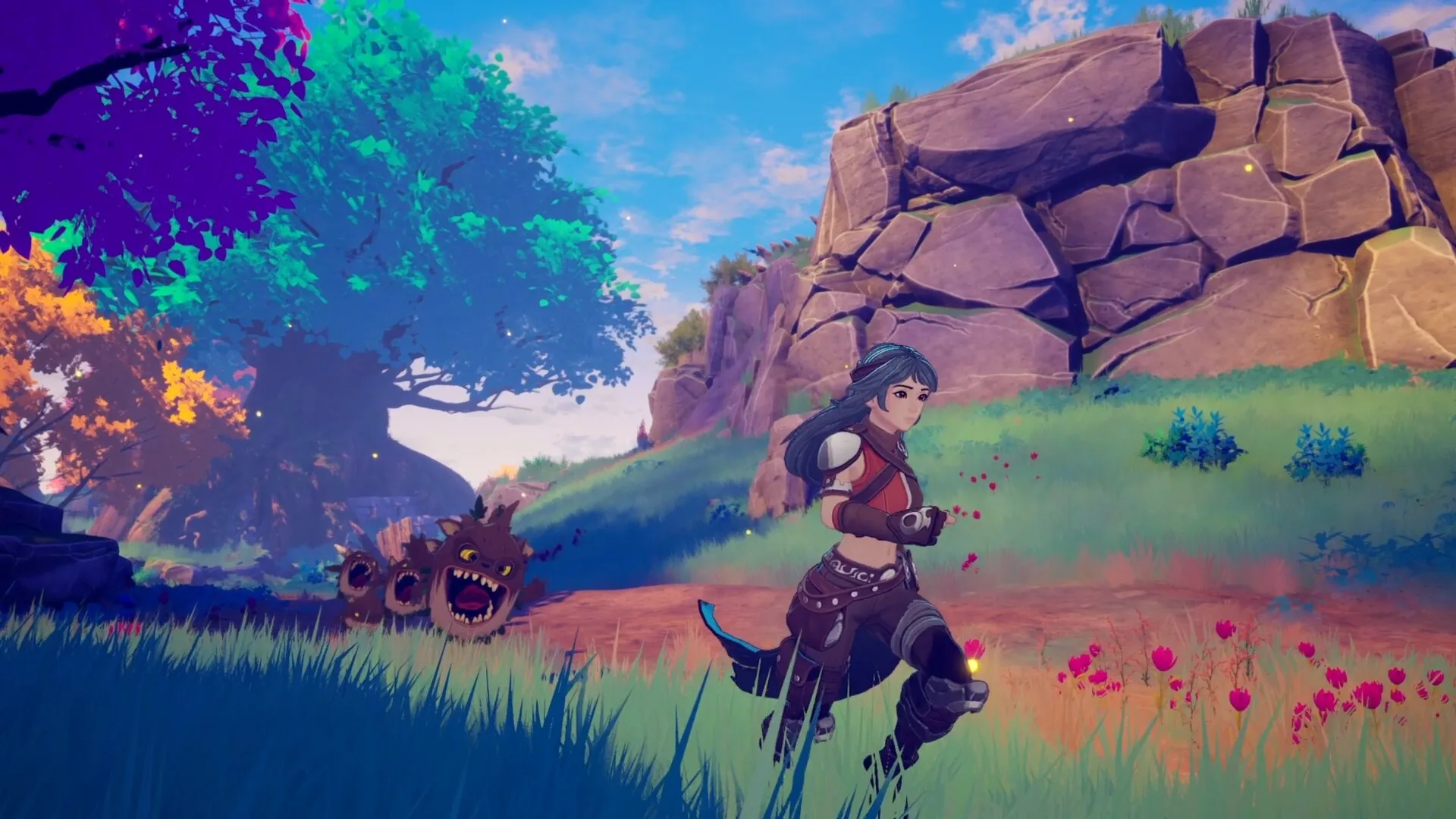
These tools respond to your inputs with a high degree of polish, making the act of travel feel like a core mechanic rather than a chore. This fluid mobility informs how you approach the physics-heavy combat. Every island is a playground where you can use the environment to your advantage.
Combat feels organic because it relies on physical interaction. You can pick up rocks to throw at distant enemies or kick explosive barrels into groups of monsters. Launching a foe off a cliff is a valid strategy that feels satisfying every time. Hits land with a sharp, heavy impact that sends enemies flying in strange, often funny ways.
While the physics can lead to moments of inconsistency where an enemy might stay put when they should fly, the unpredictability keeps the fights from feeling repetitive. Simple puzzles use this same logic. You might need to move heavy objects or flip switches to reach hidden chests. This integration of movement and physics makes the world feel like a physical space where your actions have immediate, visible results.
Martial Fluidity and the Mana Burn
The progression system offers four distinct roles that you can switch between at any time. The Ruin Blade focuses on magical combos, while the Breaker serves as a powerhouse for those who prefer brute force. The Sentinel provides defensive options with shields, and the Ranger allows for quick, mobile strikes. You change your class by simply swapping your weapon.
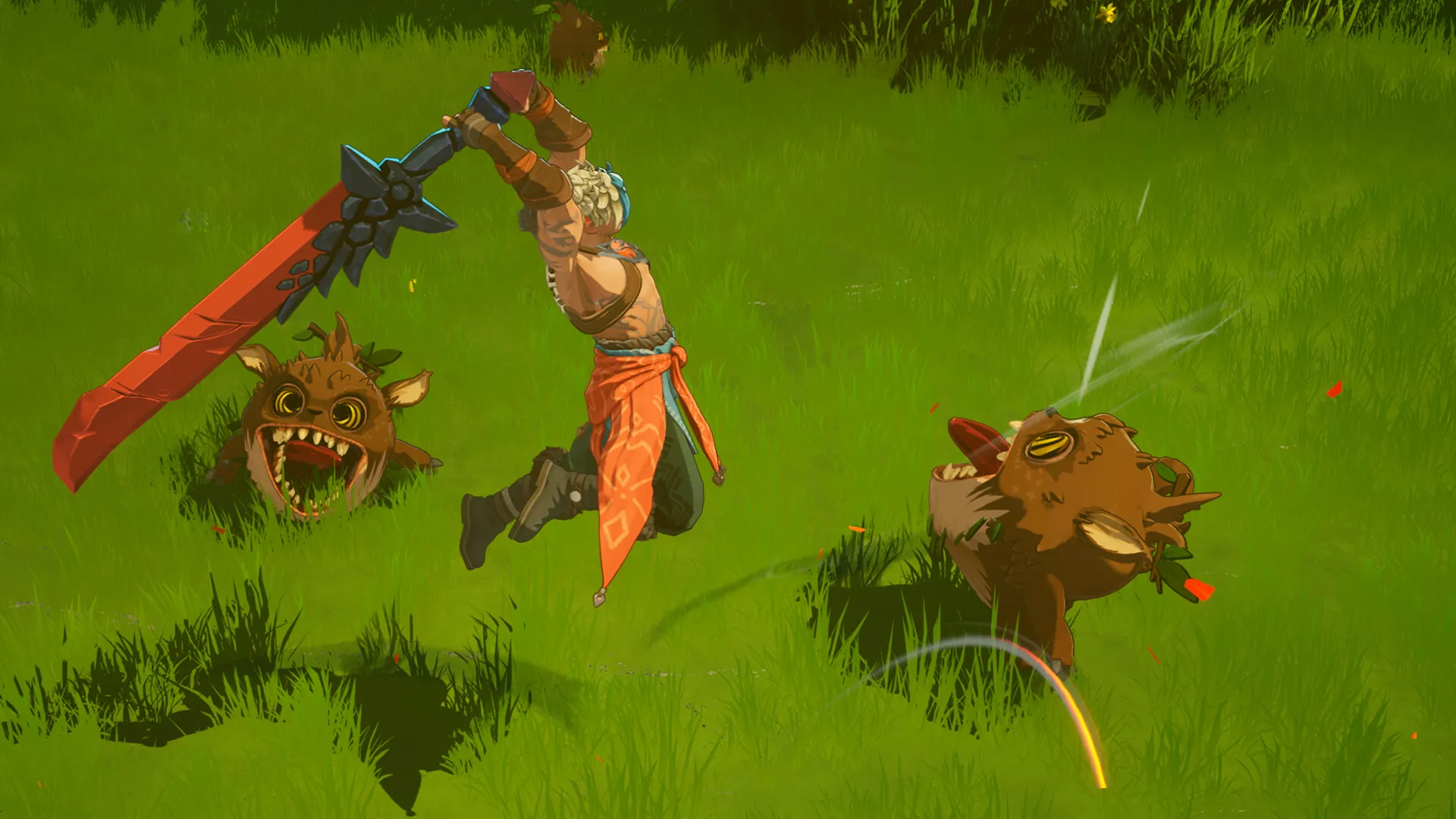
This removes the need to restart your progress to try a different playstyle. Using a weapon type earns experience, which unlocks new skills and permanent stat increases. This flexibility encourages you to experiment with different approaches to every boss fight.
The Mana Burn system adds a layer of risk management to these abilities. Every special move builds a meter. If you use your skills too quickly and the meter fills, your character suffers from a temporary slow effect and becomes highly vulnerable to attacks. This forces you to balance your aggression with caution. You cannot simply spam your most powerful moves without thinking.
Success requires you to time your bursts of power and manage your energy levels carefully. This mechanic turns every encounter into a tactical puzzle. You must decide when to push for a finish and when to wait for your meter to cool down. This focus on resource management keeps the weapon-based combat from becoming a simple exercise in button mashing.
Pastel Ruin and Technical Hurdles
The visual style uses thick outlines and a bright, cartoon-like aesthetic to define the world. Soft pastel colors and detailed environments make the floating islands look like a living painting. This choice helps players identify interactive objects in the environment, like breakable crates or bounce pads.
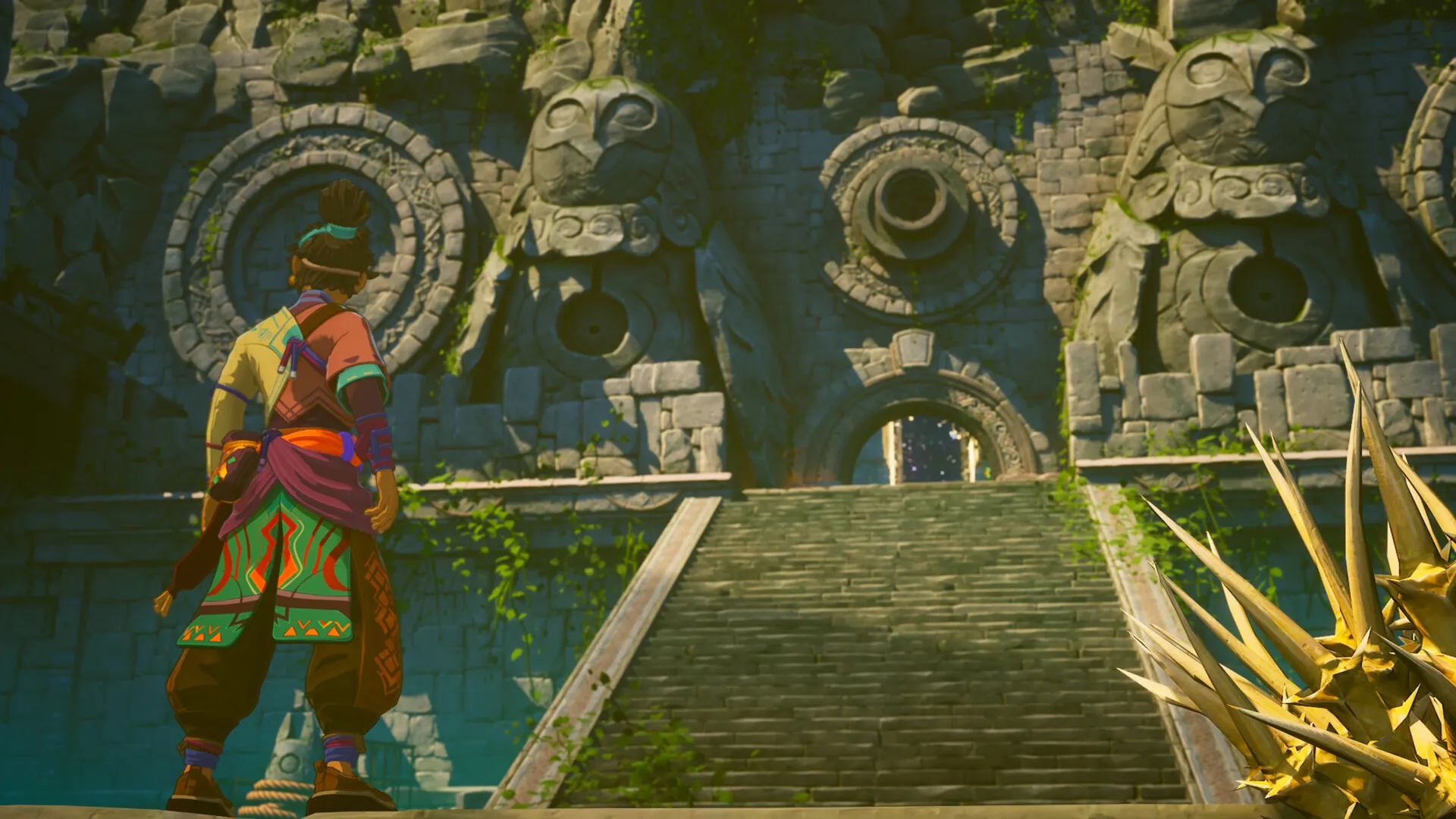
The audio design matches this energy with sharp sounds for sword swings and melodic tones for magic. The soundtrack features happy, anime-style songs that change their tempo when you enter a fight or return to the Odin Shell.
The game is currently in an early state of development. You will see technical hiccups like enemies getting stuck in walls or stiff animations on some basic foes. Performance can struggle when too many things happen at once. During co-op play with four people, the screen fills with colorful explosions and particle effects that can hide enemy telegraphs.
This visual clutter makes it hard to see what is happening during the busiest moments. Despite these issues, the developers are quick to release updates and fixes. The multiplayer synergy remains a high point. Seeing a full team combine their elemental powers creates a spectacle of light and color that captures the energetic spirit of the game.
The Review
Cloudheim
Cloudheim delivers a refreshing take on the afterlife, prioritizing creative freedom and physical comedy over traditional grit. The mobile base on the Odin Shell provides a meaningful sense of ownership, while the physics-based combat rewards player ingenuity. Although visual clutter and early development bugs occasionally disrupt the rhythm, the fluid movement and flexible class system create a joyful loop. It captures the wonder of discovery through its vibrant biomes and social shop mechanics. This is an ambitious project that succeeds by making every leap and every trade feel like progress in a beautifully broken world.
PROS
- Fluid and responsive triple-jump movement.
- Creative physics-based combat and puzzles.
- Highly flexible weapon-swapping class system.
- Charming mobile base and shop management.
CONS
- Visual clutter during intense co-op battles.
- Occasional technical glitches and stiff animations.
- Inconsistent enemy reactions to physics.