














The opening of Hold on to Her roots itself in a specific horror from May 2018, an episode that still reads like a permanent mark on European border policy. On a Belgian highway, a high speed chase ended with a police officer firing a single shot into a van carrying thirty people.
The bullet hit Mawda Shawri, a two year old Iraqi Kurd, while she was in her mother’s arms, and it killed her. The first official story moved quickly toward self protection through invention. Authorities claimed the passengers used the child as a human shield, or that she was thrown from the vehicle.
Forensic evidence later tore those claims apart, and the public record had already been bent in the process. Mawda’s parents, Phrast and Shamden, entered a second ordeal after the death itself. They were kept from their daughter’s body, detained, and later deported. Vanbesien’s film states these facts plainly at the start, returning the family’s names to an account that so often gets flattened into policy language and procedure.
A New Forum for Seeking Justice
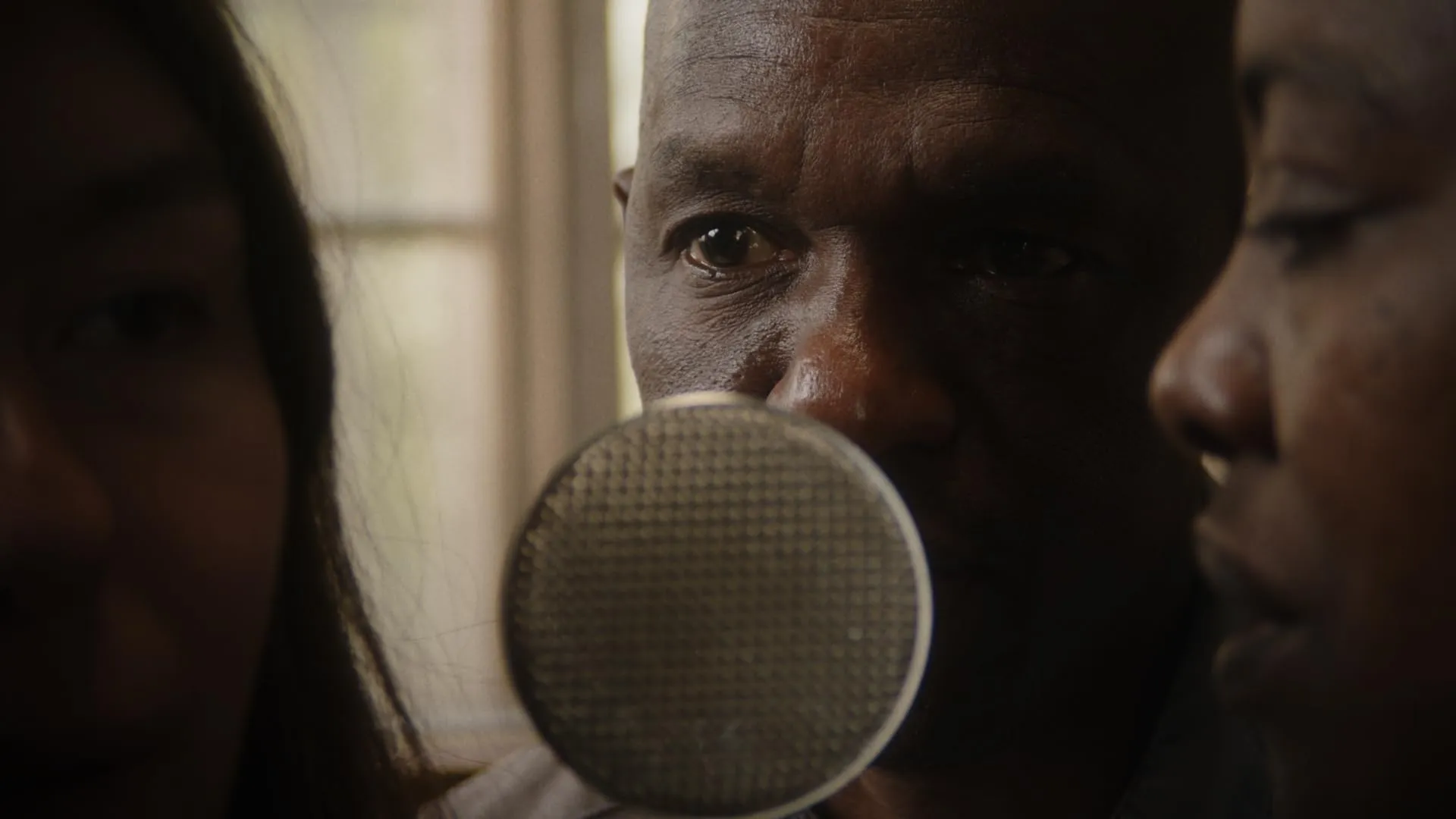
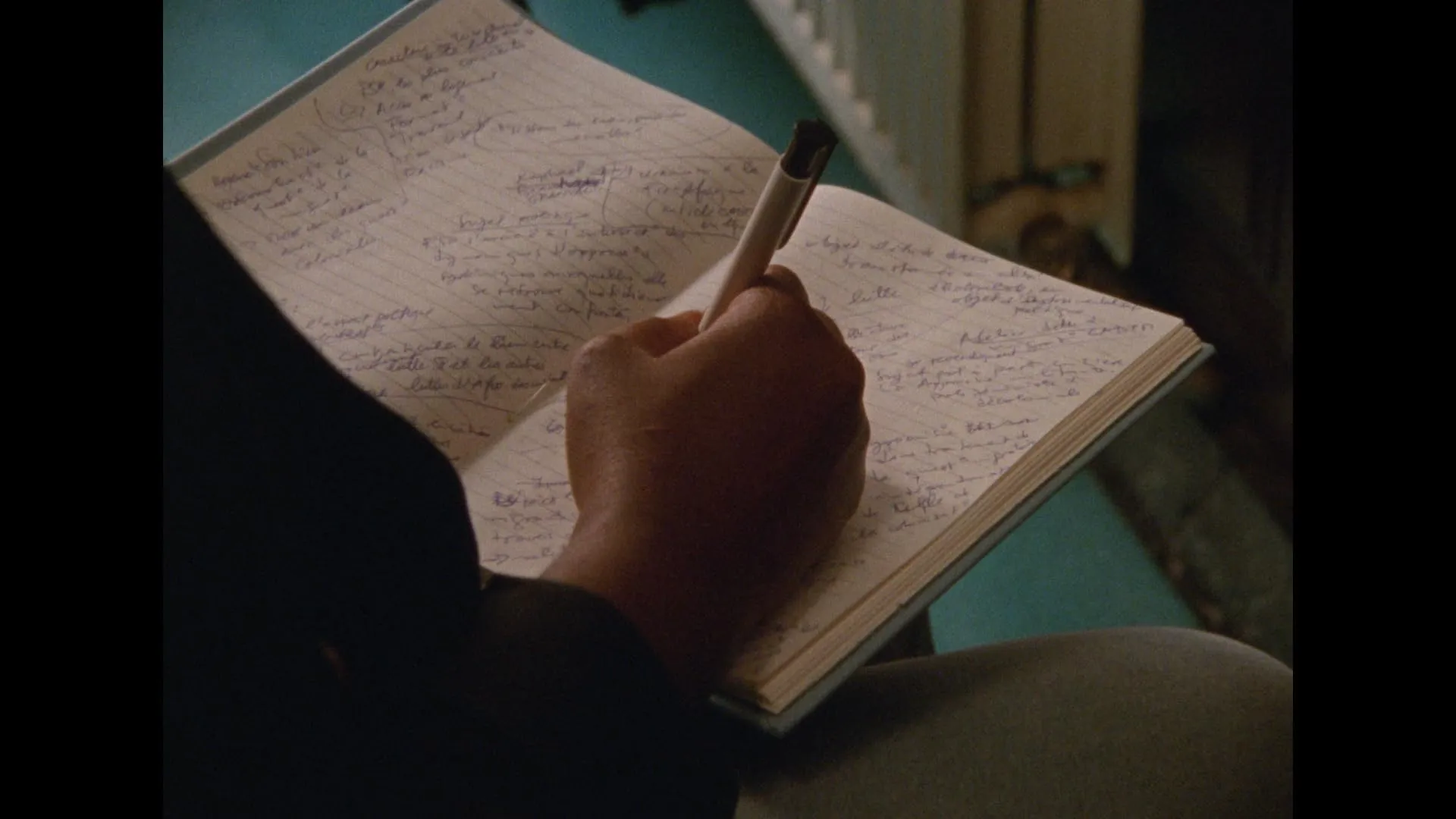
Robin Vanbesien steers away from familiar documentary habits by building the film around a collective hearing. He gathers forty activists, including people with legal residency and people without it, and places the case documents in front of them. The room becomes an informal people’s tribunal. Participants read aloud from police reports, court transcripts, and news articles, and the film treats the act of reading as a public event with consequences.
What matters most is how the film reorients attention from speaking toward listening. Vanbesien keeps the camera on faces as they absorb the cold, administrative phrasing used to account for a child’s death. The bureaucratic tone is the point. It shows how official language can keep grief at arm’s length, even while it claims to describe reality with precision. Framed as a performance, the hearing presses against the narrow forensic logic that shapes standard legal proceedings.
The setting makes room for testimony that carries emotional truth and personal reflection, material a courtroom typically rejects as irrelevant. The community setting suggests justice needs collective recognition, because the state can sidestep what it wants hidden. The structure also forces patience. The film lingers as the group moves through documents line by line, and that slowness makes the audience sit with the reality through the eyes of people gathered to bear witness.
Also Read






The Texture of Memory and the Road
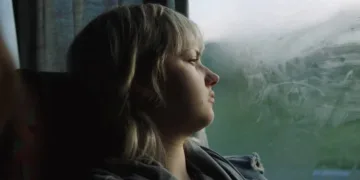
The film’s aesthetic choices matter because they keep dragging the discussion back to the physical world where the event happened. Vanbesien shoots the Belgian landscape on 8mm and 16mm film, giving the images a grainy, tactile surface that plays like memory wearing thin.
The camera returns again and again to the everyday architecture of the highway system: lamp posts, overpasses, stretches of roadside greenery. Repetition becomes a visual method, a way of circling the site of the shooting without turning it into spectacle. Those concrete details anchor the legal talk in place and terrain, so the case never floats off into abstraction.
Pacing follows the same principle. The film moves with a meditative steadiness that leaves room to process the weight of what we are hearing. Sound design does a huge share of the work. Voices overlap in a multilingual field, with Flemish, French, English, and Kurdish all present, creating a layered sense of community and distance at the same time.
The voiceovers stay subdued and calm, holding back from the sensational rhythms that often drive true crime documentaries. Music arrives in abstract cues that can feel like the rhythmic drone of cars on asphalt, or the suggestion of distant wailing carried across space. Together, the grain of the image and the layering of the audio produce an immersive atmosphere that feels haunted, and it keeps a respectful distance from the kind of shock tactics the subject could easily invite.
Renaming Our Shared Reality
The film’s argument about language lands with force because it connects policy vocabulary to emotional numbness. Hold on to Her treats the terminology of migration policy as a barrier to empathy, and it critiques how words like “migrant” and “refugee” can operate as labels that push individuals into categories first and human lives second. Vanbesien points toward the need for a new lexicon, one that restores humanity to people caught in the machinery of border control.
That linguistic critique shapes the film’s emotional function. The project plays as a collective mourning process, offering the family and the surrounding community a space for grief that official systems denied them. The filmmaking becomes an act of solidarity, turning a private tragedy into shared cultural memory. By stripping away alienating phrasing, the film urges the viewer to hold Mawda Shawri in mind as a person with a name and a life, never a statistic or a legal problem to be processed.
The shift carries a political charge, especially in a society that can close ranks to protect its institutions. Even the title works like an instruction spoken softly and insistently: hold on to the memory of the child, and hold on to the human connections that state violence tries to cut apart.
Hold on to Her is a poignant Belgian documentary that explores the tragic death of Mawda Shawri and the subsequent quest for justice. The film made its international debut at the 74th Berlin International Film Festival in February 2024 and was later released in Belgian theaters on 30 April 2025. This experimental documentary blends archival testimony with meditative imagery to honor the memory of the young victim while critiquing state migration policies. Currently, the film is primarily available through specialized screenings and independent distributors like Art Faces Art.
Full Credits
Title: Hold on to Her
Distributor: Art Faces Art, Visualantics, Timely
Release date: 17 February 2024 (Berlin International Film Festival), 30 April 2025 (Belgium)
Running time: 80 minutes
Director: Robin Vanbesien
Writers: Robin Vanbesien
Producers and Executive Producers: Steven Dhoedt, Cassandre Warnauts, Jean-Christophe Namur
Cast: Phrast Shawri, Shamden Shawri, Hama Shawri
Director of Photography (Cinematographer): Robin Vanbesien
Editors: Robin Vanbesien
Composer: Robin Vanbesien
The Review
Hold on to Her
Hold on to Her is a haunting, experimental piece that replaces traditional documentary thrills with a quiet, collective mourning. By centering on the act of listening and the weight of our words, Robin Vanbesien creates a necessary space for a tragedy the state tried to erase. While its abstract pacing might feel distant to some, its commitment to humanizing the dehumanized is profound. It is less a film and more a vital archive of solidarity.
PROS
- A respectful and deeply humanizing approach to a sensitive tragedy.
- Beautiful, meditative cinematography using 8mm and 16mm film.
- A unique, non-sensationalist structure that prioritizes collective witnessing.
- Thought-provoking critique of how official language strips away empathy.
CONS
- The abstract visual sequences may feel repetitive for some viewers.
- The loose connection between soundbites can occasionally create emotional distance.
- Its experimental nature might be challenging for those seeking a standard true-crime narrative.