
























![Kingdom Hearts Collection [I-III] Review](https://gazettely.com/wp-content/uploads/2026/10/Kingdom-Hearts-Collection-I-III-1-360x180.webp "Kingdom Hearts Collection [I-III] Review: KHII Holds Steady as Newer Entries Fluctuate 37")



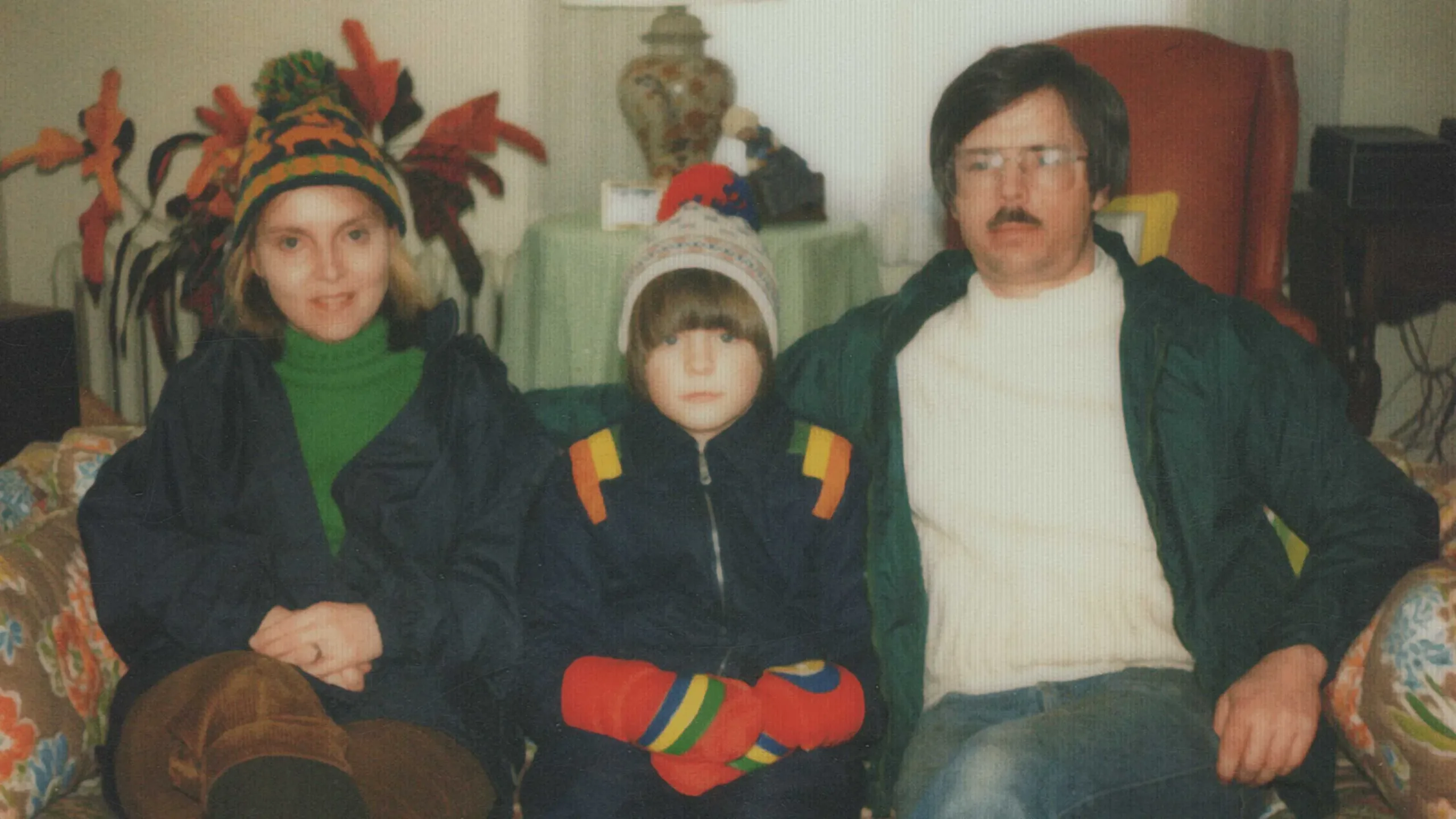

Maria Bamford has held a singular place in stand-up for decades. Directors Judd Apatow and Neil Berkeley aim to capture that presence in Paralyzed By Hope: The Maria Bamford Story. The documentary opens casually, with the filmmakers arriving at her door carrying a bag of money and fruit. That low-key entrance sets the tone for a portrait shaped by access and proximity. Bamford welcomes the camera into her life in Altadena and Duluth, then threads her personal history through decades of performance clips and archival footage.
The film frames her as a peer favorite while tracking a career spent near the edge of mainstream stardom. It follows her offstage routines, her marriage to Scott Marvel Cassidy, and her recent experiences during the Eaton Fires. Across each setting, the film presents a performer who addresses mental illness with the same directness she brings to a joke. It argues for failure as a source of strength, and it treats honesty as her primary need.
The Perpetual Evolution of an Artist
Maria Bamford’s professional arc begins in Minneapolis in 1994. In those early years, she used a violin as part of an experimental performance art approach. That beginning establishes an avant-garde sensibility that the documentary presents as central to her identity. After thirty years in the industry, the film returns to a recurring idea: Bamford still carries the “next big thing” label. The documentary keeps that framing in view while also recognizing her status as a modern comedy staple.

Her collaborations with Netflix and Ted Sarandos serve as a key institutional platform in the film’s telling. Lady Dynamite arrives as a high point, presented as a series that channels her life into a surreal television form. The documentary leans on peer testimony to underline her influence. Zach Galifianakis and Stephen Colbert speak about her with clear admiration. Patton Oswalt recalls touring with her and says he did not understand her work at the time, then describes how his view shifted until he saw her as a master.
The film also treats style as substance. Bamford’s eccentric fashion and her high-pitched, lilted vocal delivery become part of the language of her act, presented as deliberate choices that shape how audiences receive the material. That visual and sonic identity sits beside subject matter the documentary describes as heavy, creating a tension the film keeps returning to. In the end, her career reads as a commitment to specific, niche artistry, with little interest in chasing stadium-scale appeal.
The Raw Reality of Mental Wellness
Apatow and Berkeley place Bamford’s mental health at the forefront. They film her struggles with a straightforwardness that mirrors the delivery of her stand-up. Conan O’Brien supplies one of the documentary’s sharpest images, comparing her to a lobster with its shell removed. The analogy speaks to the exposure she allows onstage and in private moments, and the film uses it to frame vulnerability as part of her craft.
The documentary names diagnoses including OCD, suicidal ideation, depression, and eating disorders, presenting them as issues that took root early. A scene in Duluth has Bamford describing herself writing her own obituary as a young girl, a detail that pushes the film toward the long timeline of her internal life. Medication becomes part of that timeline. She speaks openly about mood stabilizers such as Prozac, and the camera lingers on physical side effects, including muscle tremors in her hands.
Bamford’s working philosophy appears in a blunt phrase the film repeats: “weakness is the brand.” The documentary treats that line as both comedic strategy and survival tactic. It shows how she turns perceived flaws into professional assets, and it positions failure as a form of power she can use. Stand-up clips function as connective tissue, showing the mechanics of transformation as a real-life crisis becomes a bit. The film presents this as a process with few filters, where private pain becomes public connection. Honesty operates here as a coping tool and as a narrative method that shapes the stories she tells.
Grounded Connections and Local Resilience
The documentary finds a steady emotional pulse in Bamford’s relationships. Her parents, Joel and Marilyn, appear frequently, and so does her sister, Sarah. The film ties these family presences to her work, presenting them as sources for many of her well-known characters. It also highlights the mixed messages Bamford received from her mother about mental wellness and physical appearance. Her father speaks with candor about his early confusion over her performance art style, and those exchanges help map the origins of her comedic voice.
In the later sections, her husband, Scott Marvel Cassidy, comes forward as a stabilizing presence in her daily life. His role is framed as grounding, a counterweight to the pressures of a long career and the volatility the film associates with her health battles. The timeline reaches the January 2024 Eaton Fires in Altadena, and the documentary marks the destruction of the PDA theater, described as a micro-clown space where Bamford performed morning sets. The loss lands as both personal and local, tied to the routines and venues that anchor her.
The closing passages show Bamford continuing to work in small, intimate rooms, staying close to her community while absorbing recent hardships. The film’s last stretch emphasizes persistence through action: she keeps performing, keeps writing, and keeps showing up. Her life in Altadena is presented as a quiet, hard-won peace, shaped by the same directness that defines her comedy.
Paralyzed by Hope: The Maria Bamford Story premiered at the 2026 Sundance Film Festival on January 22. This documentary provides an intimate look at the life and career of comedian Maria Bamford. It explores her upbringing in Duluth and her decades of work in the Los Angeles comedy scene. The film highlights her radical honesty regarding mental health and her unique performance style. Viewers can currently see it through festival screenings, with wider streaming availability expected to follow its successful festival run.
Full Credits
Title: Paralyzed by Hope: The Maria Bamford Story
Distributor: Sundance Film Festival, Apatow Productions
Release date: January 22, 2026
Running time: 116 minutes
Director: Judd Apatow, Neil Berkeley
Writers: Maria Bamford
Producers and Executive Producers: Judd Apatow, Neil Berkeley, David Heiman, Amanda Rohlke, Josh Church, Wayne Federman, Olivia Rosenbloom
Cast: Maria Bamford, Joel Bamford, Marilyn Bamford, Scott Marvel Cassidy, Stephen Colbert, Ron Funches, Zach Galifianakis, Gary Gulman, Martin Hsia, Mitchell Hurwitz, Jackie Kashian, Natasha Leggero, Conan O’Brien, Patton Oswalt, Tig Notaro, Sarah Silverman, Ted Sarandos
Director of Photography (Cinematographer): Neil Berkeley
Editors: James Leche
The Review
Paralyzed By Hope: The Maria Bamford Story
This documentary serves as a masterclass in radical honesty. By stripping away the artifice of celebrity, Apatow and Berkeley provide a portrait that feels as fragile and resilient as Bamford herself. It avoids the polished tropes of the genre to offer something more visceral. While the pacing occasionally feels overstuffed with praise from peers, the central focus on Bamford’s unwavering transparency remains a triumph. It is an essential viewing for those who find strength in vulnerability.
PROS
- Unprecedented access and candor from the subject.
- Masterful use of archival performance footage.
- Deeply moving exploration of family dynamics.
CONS
- Some segments feel crowded with talking heads.
- Familiar documentary structure lacks Bamford’s surrealism.
- May feel repetitive for long-time followers of her work.