



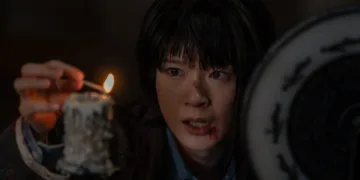


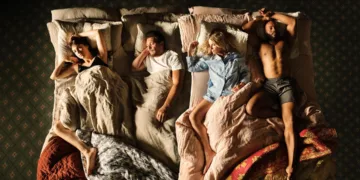
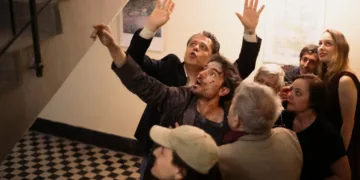


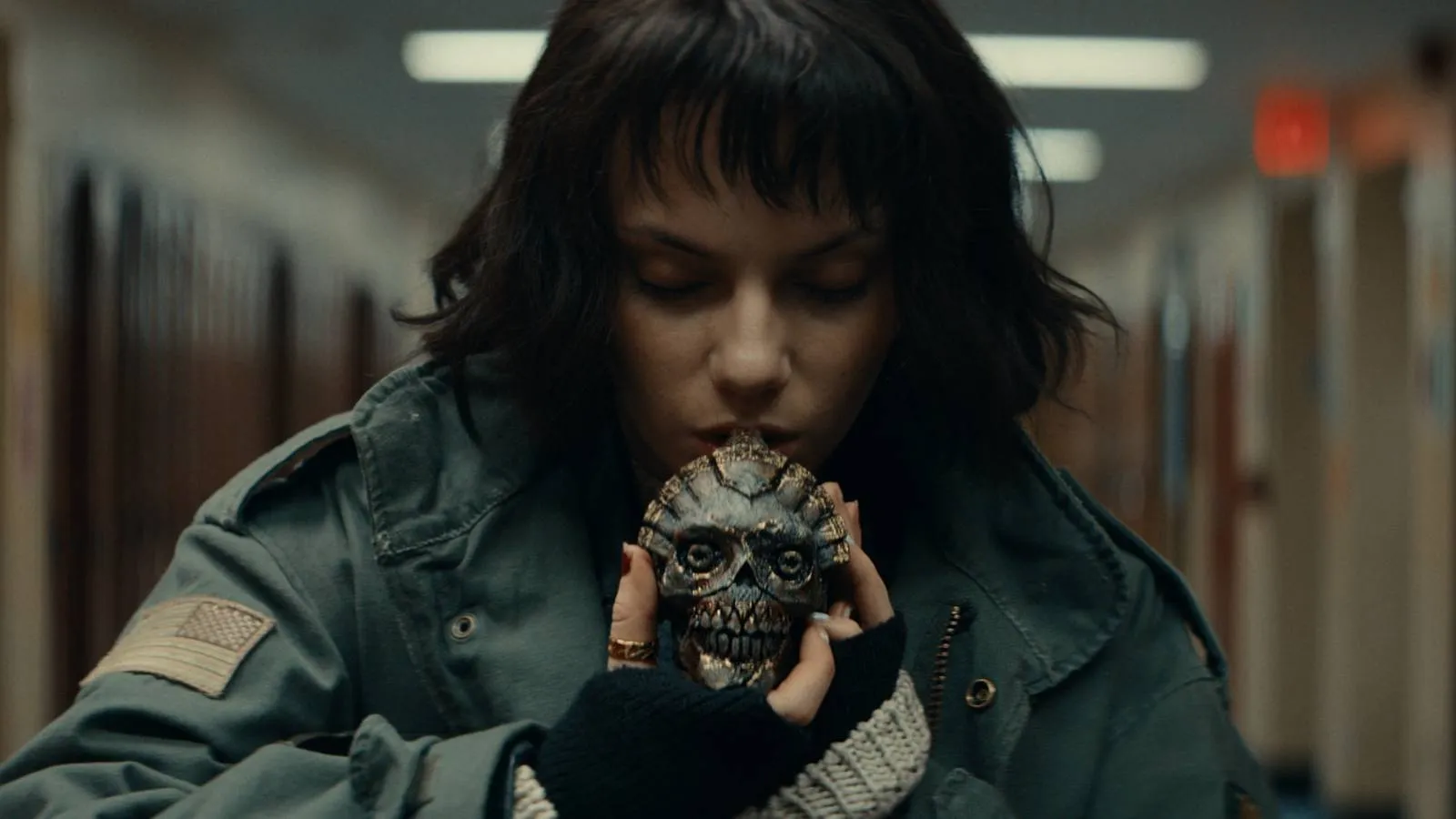

Pellington High feels like a place built to trap echoes. After a family tragedy, Chrysanthemum “Chrys” Willet transfers in and ends up with a locker that once belonged to a star athlete who died in horrific circumstances. Inside, tucked on a shelf, sits a skull-shaped relic called an Aztec Death Whistle. The object has a specific and terrifying effect: anyone who hears its shrill cry gets marked by their own future.
The whistle summons the exact cause of a person’s eventual death and drags that fate into the present, decades early. Once Chrys and her classmates understand what they set in motion, the grey, post-industrial town turns into a hunting ground. The film frames it as a race against time, with the students trying to uncover the artifact’s history before their predetermined ends arrive in the present day.
The Architecture of an Early Arrival
The whistle operates like a signal flare for inevitability, drawing out deaths rooted in biology and accident. A visit to Mrs. Raymore, an elder living in a house that feels frozen in another era, gives the teens the clearest explanation of what the object does and where it came from. The horror hinges on a simple rule: the threat takes shape as the physical form of a person’s future demise.
That rule drives the film’s most unnerving twist. A death meant for middle age can erupt in a teenager’s bedroom. The internal logic stays steady, which matters in a story like this. The entities that stalk the teens appear as doppelgängers or avatars tied to their future selves, and that design choice adds psychological pressure to every encounter. These characters are forced to stare down the forces that will kill them, with no comforting distance in time.
The locker detail becomes the spark for the modern outbreak, and it carries an almost bitterly mundane edge. The whistle sat in a dead student’s locker for months because the school administration never cleaned it out. That lapse reads as more than a plot convenience. It plays like a snapshot of community indifference, a town where people learn to look past rot because it has been there for so long.
The group later turns to an online relic database to trace the object’s origins, and the film brings in Mr. Craven, the history teacher, to supply academic framing. He gets pulled into the curse through a small, ugly act of curiosity and self-interest: he blows the whistle to test it for a potential resale on an auction site. The story ties the supernatural escalation to a recognizably human flaw. The film keeps pointing back to choice and consequence, suggesting that small decisions can speed the arrival of an ending that already waits out there.
Bonds Formed in the Shadow of Fate
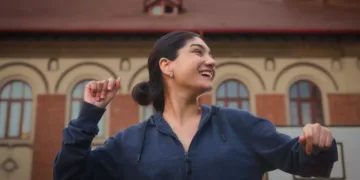
Dafne Keen and Sophie Nélisse hold the film together with chemistry that plays as lived-in. Chrys comes in guarded and raw, a newcomer trying to stay upright, and she finds steadiness in Ellie, an aspiring medical professional. Their connection grows with quiet care, even while the town and the curse keep tightening around them. Keen gives Chrys a grounded core. Her performance carries grief without turning it into a single note, and that restraint helps the film sell its higher-concept horror.
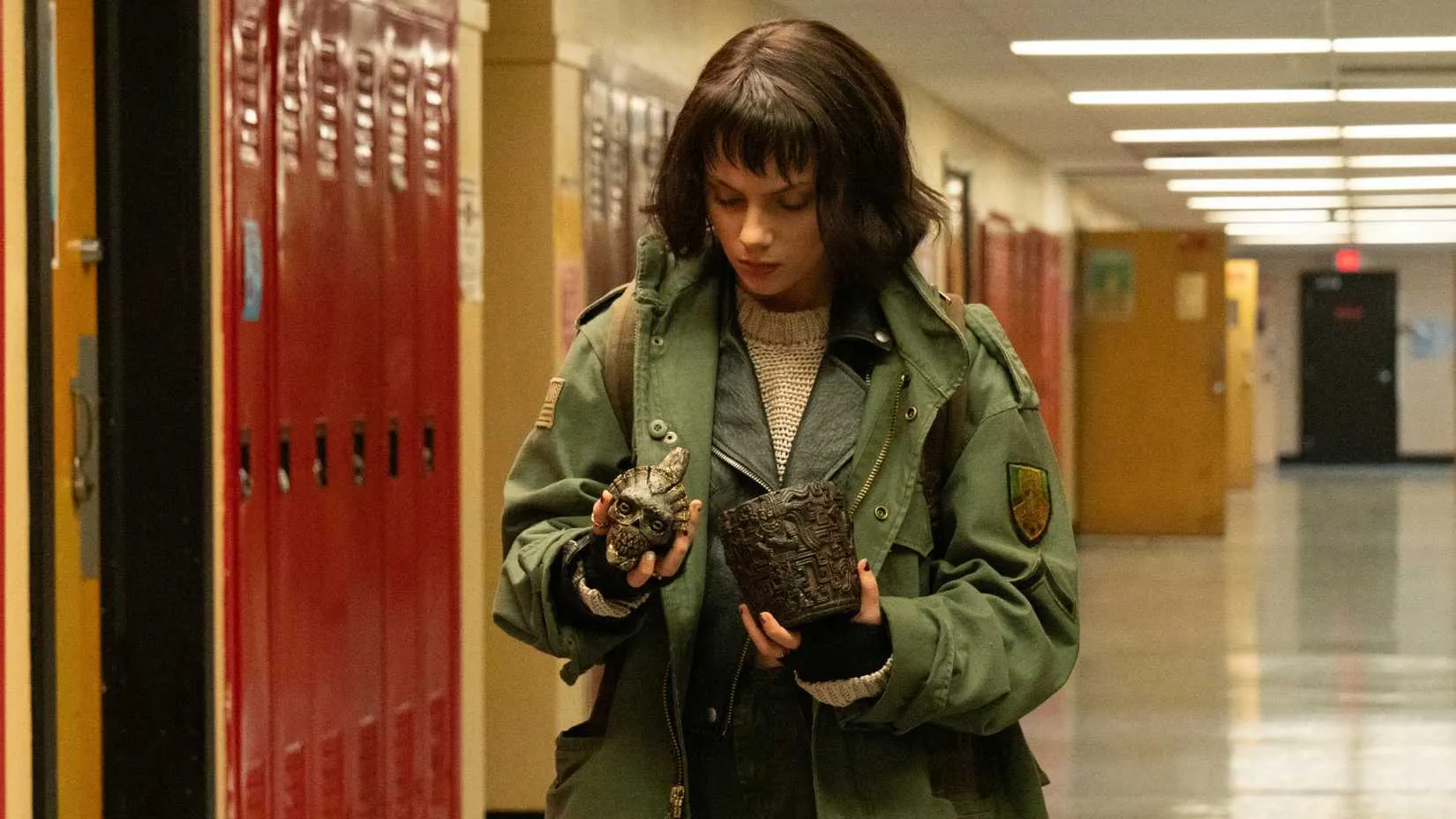
The supporting players land in familiar high school shapes, then get used in ways that keep the ensemble functional. Rel, the comic-book-obsessed cousin, brings levity and a sense of family loyalty. Grace, the popular girl, reads as socially powerful while still showing real concern for her peers. Dean fills the jock role with antagonism that adds friction inside the group. Together, they sketch a social map of school life that feels recognizable, which helps the supernatural elements hit harder.
Adult authority offers little shelter here. Nick Frost plays Mr. Craven as a cynical, foul-mouthed teacher, and his energy embodies the town’s resigned adulthood. Noah, the youth pastor and local drug dealer, adds a human threat that keeps survival complicated even before the curse closes in. His presence makes a point: this town carried danger long before the whistle ever surfaced.
The teens move through all of that with an earnestness the adults rarely match, and that gap creates social texture without requiring speeches. It also taps something familiar. It brings back the isolation of being young and looking for guidance, only to find people in charge who feel unreliable or checked out. The cast keeps a sincere baseline that makes the stakes feel personal instead of mechanical.
Shadows and Spectacles in a Fading Town
The film leans on a desaturated, moody palette that matches the town’s decline. Björn Charpentier’s cinematography favors shadows and cold tones, creating dread that hangs in the frame even before anything appears. The grey streets and industrial backdrops carry weight, and that heaviness mirrors what the protagonists drag around emotionally.
Then the film breaks its visual routine with the Harvest Fest sequence. The Halloween carnival introduces deep reds and oranges, and the shift makes the danger feel close enough to touch. A hay bale maze becomes a high-tension chase space, using familiar horror geography to funnel characters into tight paths and bad choices. Back at the school, corridors get framed with classic slasher sensibilities that underline isolation through perspective and distance.
Corin Hardy builds tension with patience before the whistle’s avatars show up. He prioritizes atmosphere and scene texture, letting unease collect rather than relying on constant startle timing. The film also throws in visual nods to early 2000s supernatural thrillers, visible in camera movement and lighting setups during hauntings. Those touches feel purposeful, like a handshake between eras. The craft looks controlled and deliberate, and it supports the film’s idea that setting can be hostile in the same way the curse is hostile.
The Physicality of the Inevitable
The kill sequences show real invention, and they emphasize the curse’s visceral shape. The bedroom car crash stands out as body horror with a nasty conceptual twist: someone takes the force of a high-speed collision while no vehicle is present. The opening sequence with Mason in the showers uses practical smoke and the image of a charred entity, establishing a grim tone early. Later, another character destined for old age withers away in seconds, a rapid collapse that makes time itself feel predatory.
Practical gore effects give these moments a tactile punch. The camera can linger because the mess feels present in the space. Digital enhancements show weaker results at points. A few CGI beats move with ragdoll physics that can pull tension loose for a moment. The sound design helps steady things when that happens. The guttural and shrill textures linked to the whistle and the deaths land with real force and can trigger an almost involuntary reaction.
The skull-shaped whistle itself becomes a key piece of physical production design. Its stiff face sits in the frame like an accusation, a constant reminder of the film’s premise. Seeing the object again and again keeps the threat tangible, anchored in something you can hold. I’ve always had a soft spot for practical work in horror because it asks for visible craft, and this film uses those physical elements to keep its supernatural idea feeling weighty rather than abstract. The deaths register as events with consequence, not quick flashes meant to reset the scene.
Balancing Camp and Mortality
The film toggles between earnest character drama and big, outrageous scenarios. Dialogue leans hard into direct exposition at times, and that bluntness can feel noticeable. Mr. Craven’s colorful insults add intentional humor that plays well against the darker material. That push-and-pull keeps the experience lively while the leads still carry emotional stakes that matter.
Once the whistle enters the story, the movie moves fast. It jumps from classroom rhythms to carnival set pieces with minimal downtime, keeping momentum tight. The final act shifts into a familiar horror shape, building toward a climax that feels recognizable and leaves room for future entries.
Underneath the set pieces, the film keeps returning to a simple theme: death waits, and these characters have to face it as something intimate and inevitable. The enemy arrives as their own biological clocks made physical, their endings with a body and a footprint. The closing note points toward acceptance of mortality, which sits beside the frantic survival energy that drives most of the runtime.
The story plays on the anxiety of knowing an end is coming and the fear of losing control, then uses a knowingly silly premise to ask serious questions about what people do with whatever time they have left. It stays playful enough to avoid turning into a lecture, keeping its grip on genre fun even while it stares at something grim.
Whistle officially premiered in North American theaters on February 6, 2026, following its initial debut at Fantastic Fest in late 2025. This supernatural horror film, which follows a group of high school students hunted by their own future deaths, is currently available to watch in selected theaters and is slated for a streaming release on the Shudder platform shortly after its theatrical window.
Full Credits
Title: Whistle
Distributor: Shudder, Independent Film Company (IFC Films), Elevation Pictures, Black Bear
Release date: February 6, 2026
Rating: R
Running time: 97 minutes
Director: Corin Hardy
Writers: Owen Egerton
Producers and Executive Producers: David Gross, Jesse Shapira, Macdara Kelleher, John Keville, Whitney Brown, Jeff Arkuss, Josh Phillips, Chantelle Tabrizi, Daniel Shapira, Darren Throop, Corin Hardy, Andrew Robinson, Joe Iacono, Jamie Afifi, John Friedberg, Llewellyn Radley, Laura Little, Adrian Love, Omar Chalabi, Jeremy Smith, Sarah Timlick
Cast: Dafne Keen, Sophie Nélisse, Sky Yang, Nick Frost, Percy Hynes White, Ali Skovbye, Jhaleil Swaby, Michelle Fairley, Mika Amonsen
Director of Photography (Cinematographer): Björn Charpentier
Editors: Nicholas Emerson
Composer: Doomphonic
The Review
Whistle
Whistle is a spirited, if slightly uneven, throwback to the high-concept supernatural slashers of the early 2000s. While it occasionally stumbles over its own digital effects and clunky exposition, the central performances and inventive "future fate" kills provide a refreshing energy. It succeeds by treating its grim premise with a mix of earnest heart and campy defiance. It may not reinvent the genre, but it offers a visceral, thoughtful meditation on the one thing none of us can outrun.
PROS
- Strong, natural chemistry between Dafne Keen and Sophie Nélisse.
- Creative and disturbing kill concepts, especially the "carless" crash.
- Atmospheric cinematography that captures a sense of industrial decay.
- Memorable supporting turn by Nick Frost.
CONS
- Distracting and weightless CGI in several key death scenes.
- Overly "on the nose" dialogue and heavy-handed exposition.
- A predictable final act that leans too heavily on horror tropes.
- Occasional logic gaps regarding the school's handling of the relic.