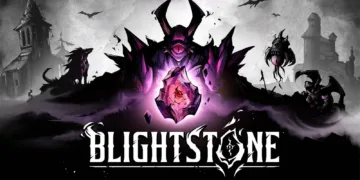






















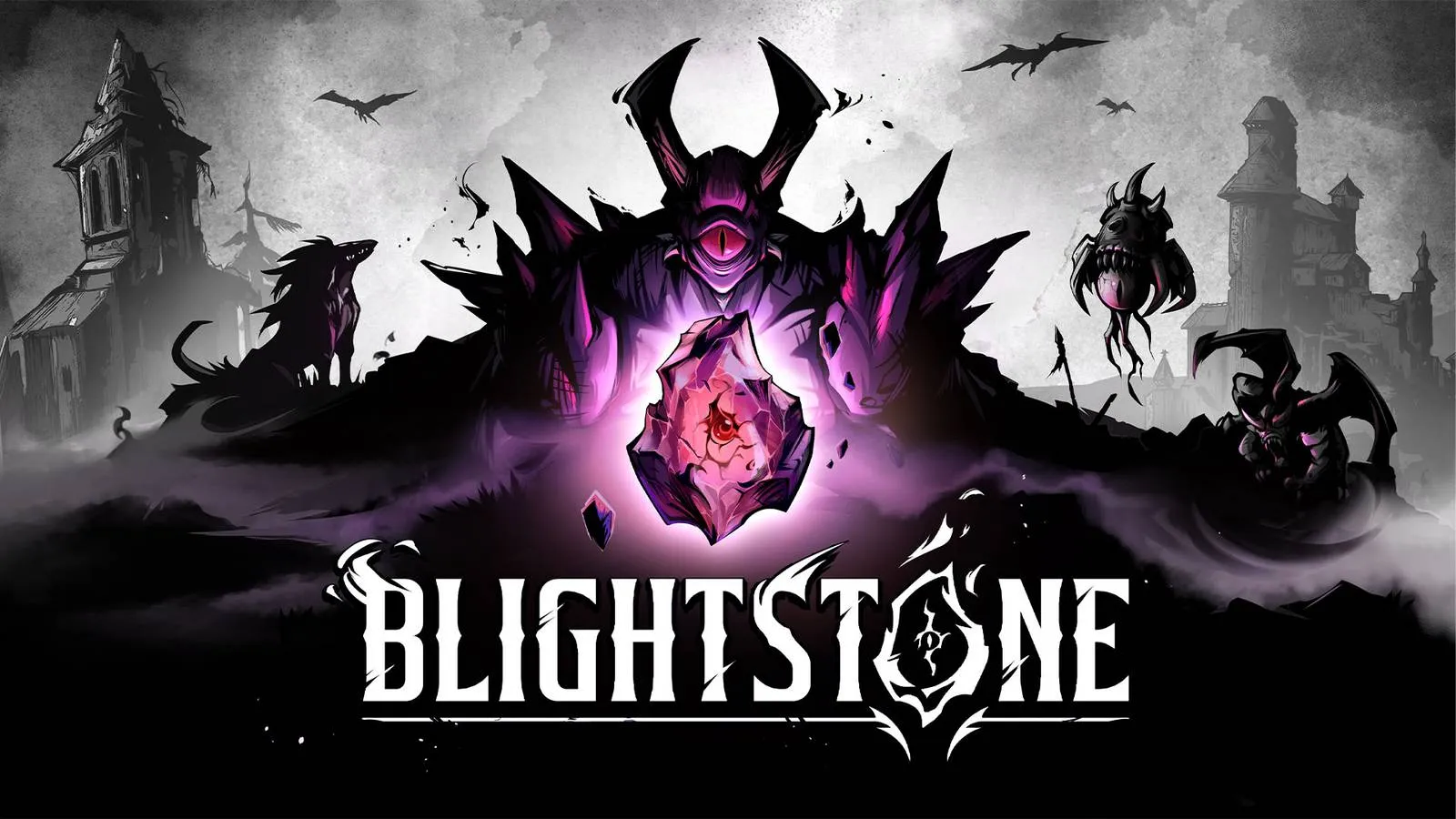

Blightstone drops you into a world taking its last breaths. The land is being eaten alive by the Blight, a corrupting rot driven by the demon overlord Korghul. Your goal is narrow and brutal. You escort the Earthglass Crystal across a dying landscape to the Infernal Rift, the one location where the artifact and the evil it stands against can be unmade. The crystal sets the tone for every decision you make. It is brittle, exposed, and always at risk. If the glass breaks, the run ends on the spot.
You start this bleak trek by building a three-hero party from an early roster that includes the Brute, the Archer, and the Mage. Each class brings tools that matter in a run defined by scarcity and constant pressure. The mood carries the weight of a failure that feels prewritten. Each push toward the Rift plays like a wager you place with bad odds. Living long enough to reach your destination comes down to protecting a fragile piece of hope while moving through a world that wants it snuffed out.
The Freedom of the Open Field
Blightstone leaves behind the rigid square tiles common to strategy games and commits to a gridless battlefield. That single choice reshapes tactics at a fundamental level. Movement has a smooth, physical feel, and line of sight becomes a rule you read constantly, not a checkbox you glance at. Jagged rocks and crumbling walls matter because they can stop a projectile or block an incoming hit. Fights land with a reactive, hands-on energy. The game asks you to think in inches, where a small adjustment in position can decide if a parry connects or a blow turns fatal.
The map itself gives you options that go past trading swings. You can light dry grass to create burning zones. You can send electricity through water puddles to stun clustered enemies. You can shove a target off a cliff or into a spiked trap and end a problem faster than a clean sword strike. Turns run on a two-point action system, and any party member can act at any time, which opens the door to sequencing that feels deliberate.
The Brute can set a target up with repositioning, then the Mage can capitalize with a blast. That freedom carries risk. Friendly fire stays active at all times, so a rushed arrow or an oversized explosion can damage allies with the same force it hits enemies. The Earthglass Crystal also joins the fight directly. It casts spells and hands out key buffs, so it plays like a functional member of the squad, with the same fragility that defines the escort mission.
The Weary Road to the Rift
Moving through the Blight becomes an exercise in endurance. The overworld map spreads out into branching routes marked by icons for shops, random events, and skirmishes. You choose your line based on supplies and the condition of your team, because the game leans into long-run thinking. The day-to-day goal is keeping your heroes stable in body and mind. Damage carries between fights, and healing shows up as a scarce privilege rather than a routine reset.
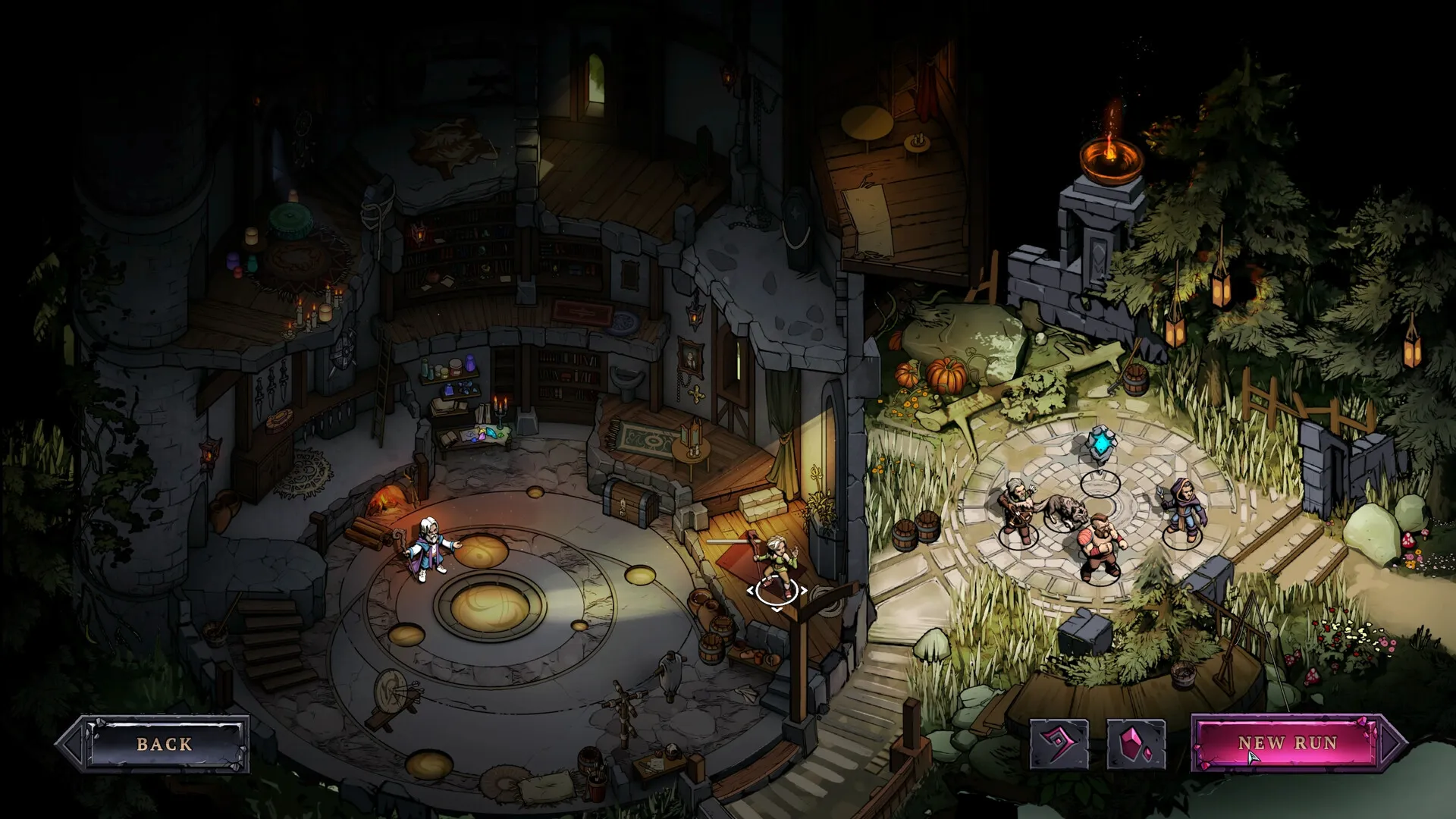
Campsites give you a chance to recover, and they also put a management layer in your hands. You ration wood, food, and medicinal herbs, deciding when to patch wounds and when to spend materials on temporary buffs. The Blight infection system adds another steady pressure. Corruption seeps into heroes over time, and neglect can lead to mental breakdowns or physical debuffs that drag the whole party down.
A total wipe resets you to the beginning. Gems collected along the way still matter, since they fuel permanent meta-progression. You spend them to open new hero classes or to give lasting powers to the Earthglass Crystal itself. The difficulty stays high, and randomness plays a heavy role through enemy placement and event outcomes. One stretch of bad luck can break a strong attempt, leaving you to push through a loop built on growth, loss, and the next run.
Miniature Wonders and Haunting Echoes
Blightstone’s art direction looks like hand-drawn miniatures brought to life. That choice gives the game a recognizable charm that takes some sting out of the grim setting without softening it. One of the most satisfying touches is how clearly the game tracks your party’s visual changes. Equip a skull mask on the Druid or heavy gauntlets on the Brute and the sprite updates right away.
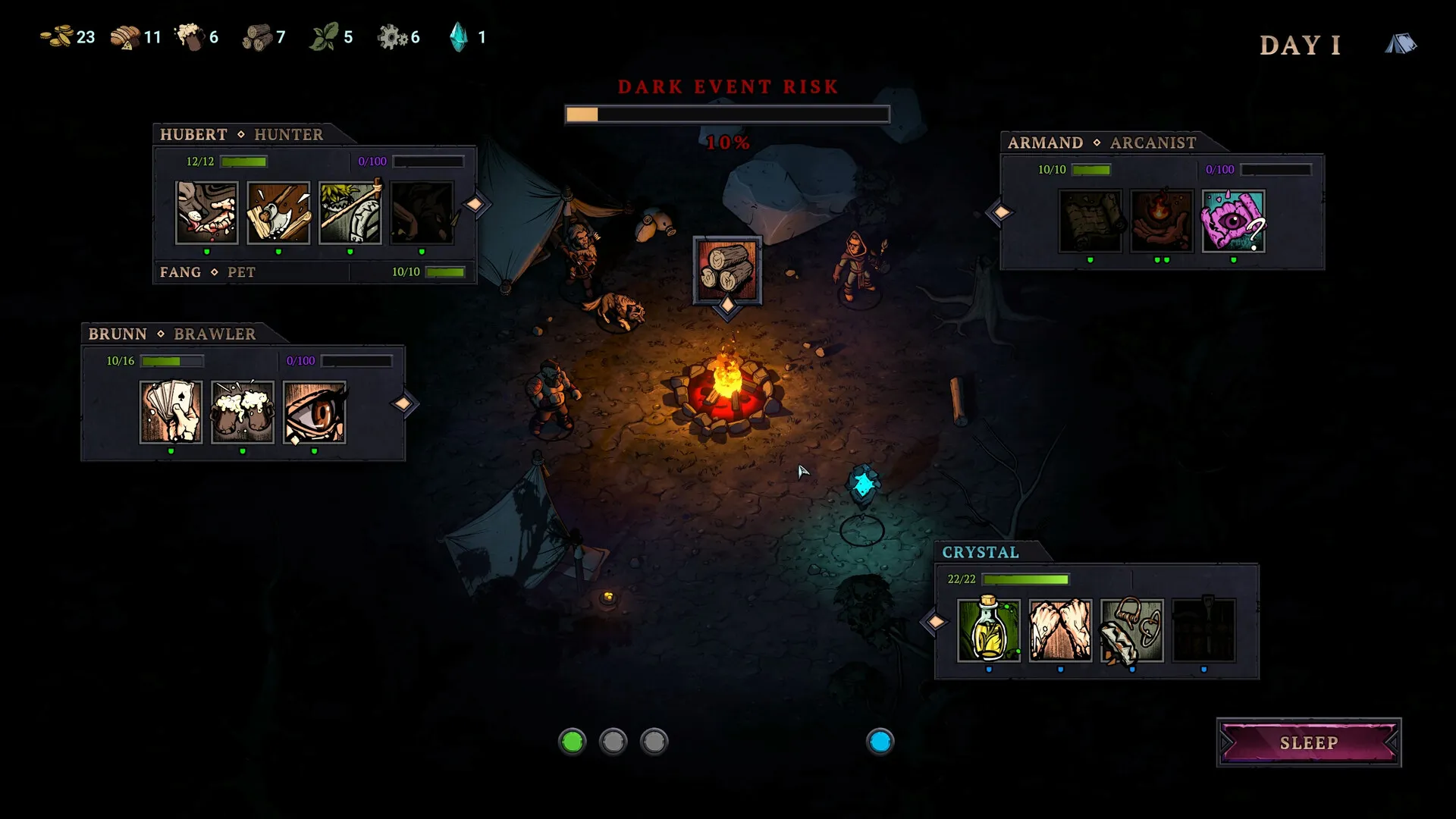
Gear becomes part of your story, and your heroes start to read as personal builds instead of anonymous units. The environments lean into sharp visual opposition. A campfire’s warm flicker offers a short-lived pocket of safety, then the game sends you back into shadow-soaked battlefields that look ready to swallow the light.
Sound carries the same tension. The soundtrack shifts between quiet, haunting piano during exploration and higher-energy tracks that take over during boss fights. That pacing supports the feeling of isolation, then spikes the urgency when the game demands full attention. Sound effects and lighting cues do real work, too, feeding you information you can act on. A change in ambient glow or a discordant note can signal rising local corruption or hint at a hidden threat. Put together, these choices keep the world feeling alive, hostile, and watchful, even in its quiet stretches.
The Review
Blightstone
Blightstone succeeds as a demanding tactical experiment. Its gridless combat and environmental depth provide a fresh, reactive take on the strategy genre. While the steep difficulty and punishing randomness can make the journey feel like a relentless grind, the sense of growth through the Earthglass Crystal remains a strong motivator. It is a game of careful positioning and long-term planning. Those who enjoy overcoming heavy attrition and learning through failure will find a rewarding, albeit brutal, experience here.
PROS
- Tactically deep gridless combat.
- Engaging visual progression on character sprites.
- Creative environmental interactions.
- Strong atmospheric worldbuilding.
CONS
- Harsh difficulty spikes.
- Heavy reliance on luck-based encounters.
- Slow progression can feel like a slog.