
























The film takes us to the Philippines in 2004, before social media ruled daily life. Staying connected took real effort. Teenagers met in internet cafés. They carried Discmans for music. They talked through grainy webcams. Like an indie game with a sharply drawn setting, the movie builds a place that feels fully inhabited. Jordan arrives from the United States carrying a deep loneliness.
He misses his father. He meets Rose, a determined girl focused on having a perfect 18th birthday party. They make a pact. Jordan gives her the money she needs for the celebration, and Rose helps him settle into local culture. The story opens with an easy, playful rhythm that recalls a teen comedy, then gradually turns toward a serious coming of age drama.
Measured Performances and Shifting Bonds
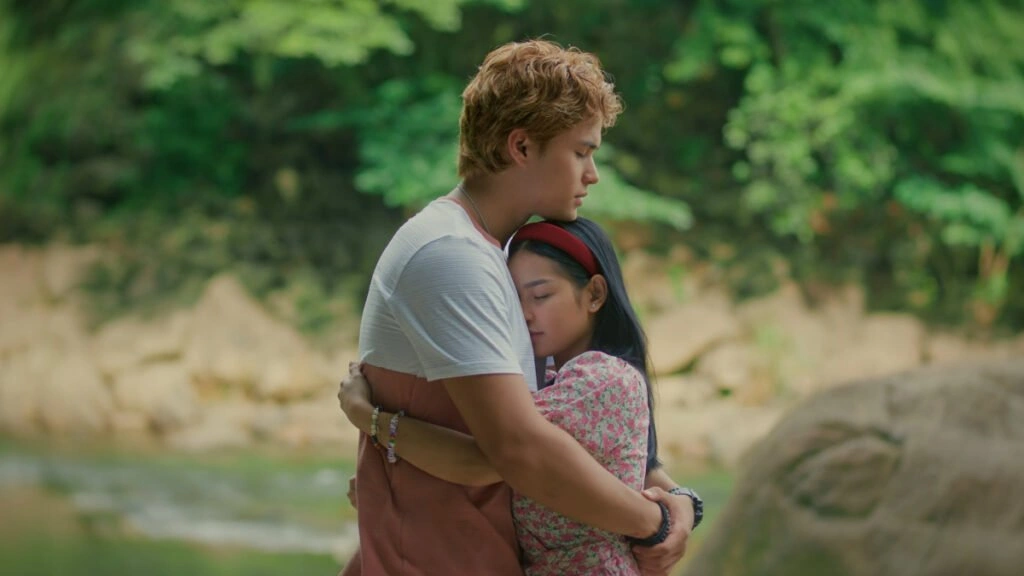
Xyriel Manabat plays Rose with a cutting sharpness that gives the character immediate presence. Rose wants her milestone to go exactly right. Her first impression is self-absorbed, yet the quieter scenes reveal how much fear sits underneath that drive. Kyle Echarri plays Jordan as a boy who speaks little and carries a steady emotional burden.
His performance gains force as the film moves forward. Their connection starts as a practical arrangement and slowly becomes a real friendship. The progression lands because the film gives it time and lets each exchange add weight. It feels closer to the companion arcs in story-focused games, where shared objectives gradually open the door to trust.
Rose moves through the world with noise and momentum. Jordan holds himself in stillness. That contrast gives their scenes a strong rhythm. As they deal with the pressure surrounding the debut, each one drops part of the mask they have been wearing. Their insecurities come into view, and the film lets those reveals shape the bond between them.
The Weight of the Eighteenth Year
The Filipino debut carries enormous pressure, and the film treats that pressure seriously. The 18 Roses dance stands as a major part of the tradition, marking a girl’s passage into womanhood. Families place intense expectations on the event.
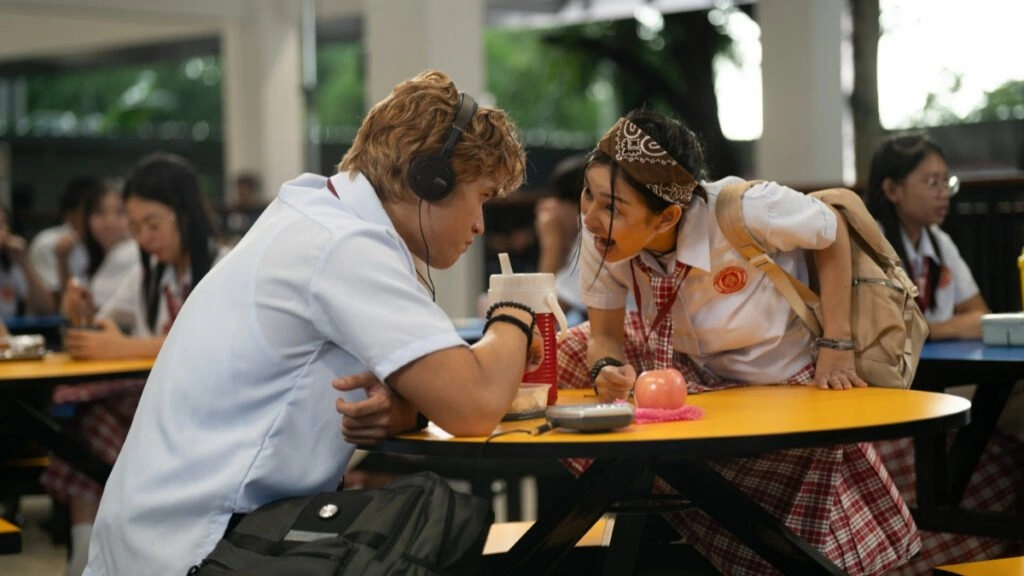
Rose ties her sense of worth to the success of the party and believes one perfect night will define her. The feeling is similar to a high-stakes mission in a narrative-driven game, where a single decision seems capable of shaping everything that follows. That structure gives the story a steady pattern of tension and release.
Jordan is searching for his identity at the same time. He feels like a foreigner in his own home and keeps trying to find a place where he belongs. The 2004 setting sharpens that struggle. Communication moves slowly. Replies take time. That delay creates a very specific tension and asks people to sit with uncertainty. Many modern games skip that kind of slow burn. Here, the slower pace gives extra weight to each conversation and each emotional beat.
Technical Craft and Unflinching Realism
Dolly Dulu frames the province with great care. The opening scenes are beautiful, and the film keeps a steady pace without losing interest. The script feels honest. A few moments reach hard for profundity, yet the strongest scenes are the plain, human ones.
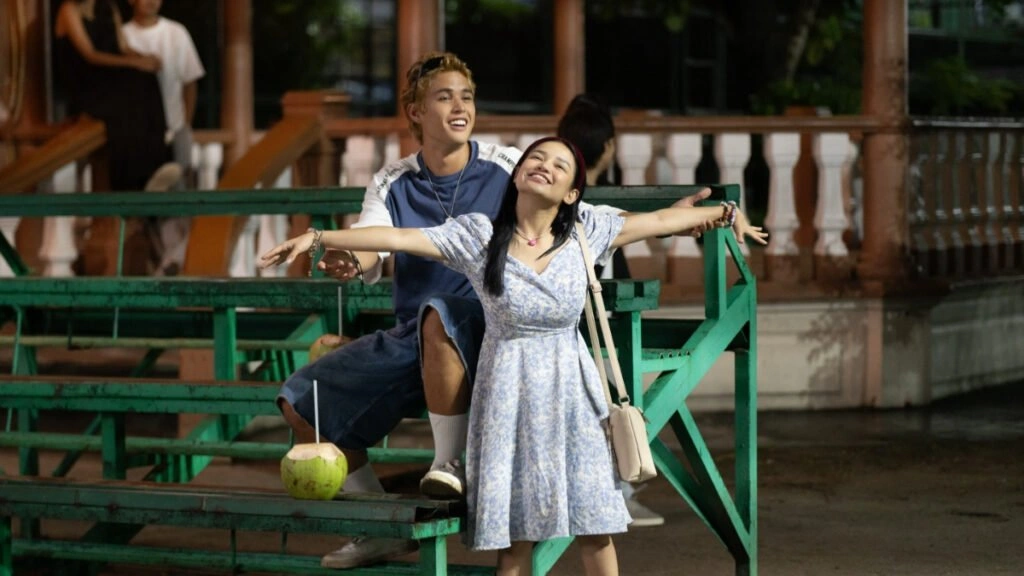
The absence of modern phones works as an important story tool. The characters have to speak directly to one another. They cannot retreat into screens. That choice recalls a well-designed game that limits player options and, through those limits, creates better and more thoughtful interactions.
The ending stays grounded in consequence. Rose gets her party, yet the experience leaves her with something very different from what she imagined. She learns about herself. Jordan does not receive a clean answer for his family pain. A trace of sadness remains with him. By the time the film closes, both characters have changed. They understand life with greater honesty, and the movie earns that hard-won clarity.
18th Rose premiered on Netflix on April 9, 2026, quickly becoming a standout in the streaming giant’s Southeast Asian slate for the year. Set against the nostalgic backdrop of Romblon in 2004, the film follows the intertwined lives of Rose, a determined teenager obsessed with her upcoming debut, and Jordan, a Filipino American newcomer struggling to find his place. This coming-of-age romantic drama has garnered attention for its authentic portrayal of Filipino traditions and the emotional complexities of youth. You can currently stream the movie exclusively on Netflix.
Where to Watch 18th Rose (2026) Online


Full Credits
Title: 18th Rose
Distributor: Netflix
Release date: April 9, 2026
Rating: TV-MA
Running time: 131 minutes
Director: Dolly Dulu
Writers: Dolly Dulu, John Carlo Pacala
Producers and Executive Producers: Omar Sortijas
Cast: Xyriel Manabat, Kyle Echarri, Nikki Valdez, Cris Villanueva, Yayo Aguila, Cai Cortez, Donna Cariaga, Kira Balinger, VJ Mendoza, Timothy Castillo, Kenken Nuyad, Felicity Kyle Napuli, Steven Cadd, Chantei Cortez, Johnrick Noynay, Lyle Viray, Tuesday Vargas, RS Francisco, Benedix Ramos
Director of Photography (Cinematographer): Che Espiritu
Editors: Noah Tonga
Composer: Paulo Protacio
The Review
18th Rose
18th Rose succeeds as a sincere reflection on the weight of childhood milestones. The 2004 setting provides a rich, tactile atmosphere that enhances the emotional stakes. While the narrative occasionally leans into predictable territory, the authentic performances from the leads bridge the gap between nostalgia and reality. It captures the specific ache of realizing that some dreams change once they are achieved. This film offers a grounded perspective on the transition into adulthood.
PROS
- Xyriel Manabat carries the film with a grounded and vulnerable portrayal of Rose.
- The 2004 setting effectively uses analog technology to build tension and intimacy.
- The exploration of the Filipino debut tradition feels specific and meaningful.
- The bond between Jordan and Rose develops through shared goals rather than forced romance.
CONS
- The middle of the film slows down significantly before the final act.
- Certain dramatic twists feel familiar to the coming-of-age genre.
- Some lines aim for profound meaning but land with a sense of artificiality.