






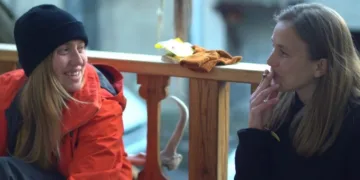














Leyla Taylan’s return in the third season of Thank You, Next (Kimler Geldi, Kimler Geçti) arrives as a homecoming stripped of triumph. The opening moments aboard a flight from New York to Istanbul establish a woman caught in the static between who she was and who she is becoming. The dream sequence involving Cem Murathan functions as a visceral reminder that some ghosts require no invitation to travel.
The season settles into the quiet, uncomfortable aftermath of betrayal, abandoning the sparkling, frantic dating energy of previous chapters. Leyla moves through the professional debris and emotional wreckage of her past with a weary precision. The aesthetic of luxury remains intact: the villas are still sun-drenched and the fashion remains impeccable. The emotional temperature, however, has cooled significantly.
The narrative functions as a study of the exhaustion that defines modern connection, questioning if self-discovery is possible when the past remains an open wound. The story broadens its scope by introducing a legal investigation into the Murathan family secrets and presenting Ali as a potential figure of calm amid the chaos. These elements form a complex framework for Leyla to evaluate her patterns of desire within the shifting landscapes of Turkey.
The Aesthetics of Emotional Fatigue
The transition from previous seasons to this one feels like moving from the height of a party to the cold reality of the morning after. The opening plane sequence establishes this mood immediately. Leyla’s nightmare of Cem sitting beside her reflects a deep-seated anxiety that physical distance cannot solve. Romance has become a source of profound fatigue, shedding its former quality as hobby or recreational pursuit.
The writers use the high-end resort settings to highlight the hollowness of Leyla’s internal world. There is a specific cruelty in being surrounded by beauty while feeling fundamentally broken. This juxtaposition heightens the sense of isolation. The sun shines on the water. The light still manages to feel cold.
The search for identity outside of a partnership becomes the central tension of the season. Leyla’s decision to pursue a lawsuit against Cem for invasion of privacy serves as a declaration of independence. She is attempting to reclaim her narrative by turning her pain into a legal strategy. This choice explores the difference between unfinished business and actual love. The show employs a recurring metaphor involving waves and flames to describe Leyla’s internal struggle.
Ali represents the waves, offering a steady, predictable rhythm that promises peace. Cem remains the flames, offering a destructive heat that is impossible to ignore. This philosophical divide creates a constant friction in her decision-making process. The pacing of the episodes mirrors this internal state. The camera lingers on quiet moments of reflection, allowing the silence to speak for the characters. The slower tempo reads as intentional, reflecting the way time stretches when one is waiting for a wound to heal.
The narrative flow moves between the high-stakes legal battle and the mundane realities of daily life. The show understands that life does not stop for a broken heart. Leyla must still function as a lawyer. She must still interact with her circle of friends. The exhaustion of modern dating is portrayed with a sharp, cynical edge. The series suggests that the constant search for “the one” is a structural flaw in the way we live now. By the middle of the season, the viewer feels the weight of Leyla’s history. Every choice she makes carries the burden of every mistake she has already made. This sense of accumulation gives the season a gravity that the earlier episodes lacked.
The Dynamics of Stability and Calculated Chaos
Ali enters the story as a figure of profound stability. Fatih Artman delivers a performance that relies on a grounded, unpretentious presence. As a documentary filmmaker, Ali sees the world through a lens of objective truth. This trait makes him a fascinating counterpoint to the performative world Cem inhabits. Ali fits into Leyla’s life with an ease that almost feels suspicious. Her friends approve of him. Even her dog, Buddy, seems to find peace in his presence.

Their relationship develops through simple, honest interactions, free of psychological games. The airport goodbye in the finale is handled with a refreshing level of maturity. It avoids the typical screaming matches or desperate pleas, acknowledging that two people can love each other and still be wrong for each other because of timing. This scene highlights the tragic nature of adulthood, where dreams often require the sacrifice of companionship.
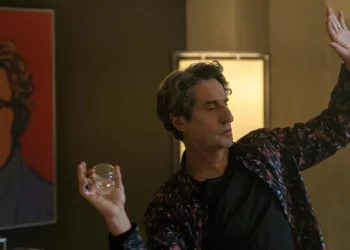
Cem Murathan remains the gravity that threatens to pull Leyla back into the abyss. Hakan Kurtas portrays Cem with a new level of desperation. His strategic facade is failing. A man losing his ability to control the people around him has emerged from behind the polished exterior. The mystery of what happened on the plane ride from New York creates a tension that is palpable in every scene they share.
There is a physical chemistry between them that defies logic. This attraction acts as a separate character in the room. During the confrontation at the lake house, Cem appears genuinely terrified. This vulnerability complicates the viewer’s desire to see him punished. He is a man who has built his life on secrets, and those secrets are finally demanding a reckoning.
The supporting characters provide the necessary texture to the world. Defne’s descent into alcoholism is a harrowing subplot. She serves as a warning of what happens when one becomes a permanent fixture in the Murathan orbit. Her role as a keeper of secrets makes her both a victim and a threat. She understands Cem better than anyone else. Her defense of him in the finale suggests a shared trauma that the audience is only beginning to understand.
The presence of Buddy the dog connects Leyla to her previous partners in a way that feels incredibly realistic. The shared responsibilities of life outlast the relationship itself. The introduction of John in the final moments of the season acts as a disruption to the narrative. He represents a version of Leyla that existed before the heartbreak began. This arrival suggests that the search for healing often leads back to the beginning. It forces the audience to consider if nostalgia is a form of progress or a different kind of trap.
The Formalist Language of Luxury and Light
The technical execution of the season reinforces the theme of isolation within beautiful spaces. The cinematography relies heavily on the golden hour of the Turkish coast. This lighting creates a romantic atmosphere that stands in sharp tension with the grim reality of the legal case. The framing often places Leyla in the center of vast, expensive rooms, where she looks small and disconnected from her surroundings.
The visual style remains polished and expensive, serving a specific purpose: it suggests that wealth and status provide a protective shell that is transparent at its surface. The characters look perfect and feel nothing. The use of dramatic eye contact replaces dialogue in many key scenes. This technique relies on the actors’ ability to convey complex emotions through stillness, making the moments of actual conversation feel more significant.
Costume design acts as a form of armor in this season. Leyla’s wardrobe is impeccably tailored. Her suits are sharp and professional, signaling her readiness for battle in the courtroom. When she is at the beach or the lake house, her clothing becomes softer, reflecting her vulnerability. These sartorial choices function as persona, the shells the characters project to survive.
The luxury villas and resort towns function as closed systems, isolating the characters from the rest of the world. This isolation forces them to confront each other without the distractions of their usual lives. The settings become participants in the drama. The lake house, in particular, feels like a place where secrets go to be buried or unearthed.
The sound design emphasizes the distinction between public and private lives. The scenes involving the legal investigation are often accompanied by a sense of auditory pressure, with the sounds of a busy city or a crowded office creating a feeling of urgency. The scenes between Leyla and Ali are defined by a comfortable silence.
The absence of a heavy musical score allows the natural sounds of the environment to take over. The wind in the trees and the sound of the water create a sense of peace that Leyla desperately craves. This shift in the soundscape helps the viewer distinguish between the chaos of Cem’s world and the stability that Ali offers. The auditory experience of the season is as carefully curated as the visual one.
The Exposure of Criminality and Familial Decay
The legal subplot shifts the season into the territory of a psychological thriller. The discovery of the cancelled wine conference serves as the first thread in a larger web of deception. Cem’s international business dealings operated outside the bounds of legitimacy. The suspicion that he manipulated Leyla into unknowingly transporting sensitive materials adds a dark quality to their past romance, fundamentally changing the nature of their relationship.
That relationship now carries the marks of both emotional manipulation and potential criminal enterprise. This discovery forces Leyla to reexamine every memory she has of their time together. The glamour of their previous travels begins to look like a series of carefully planned operations.
The investigation into the Murathan family history uncovers a legacy of tragedy and violence. The death of Cem’s brother, Selim, is a central mystery. Public records claimed Cem was in the car during the accident. Phone data proves he was actually following the vehicle. This inconsistency suggests a level of premeditation or a cover-up that has lasted for years.
The rumors surrounding his father’s death add to the sense of decay. A death previously ruled a suicide now looks like something more sinister. Defne’s instinctive defense of Cem during the finale is the most revealing moment of the legal arc. She hints that Cem’s actions were driven by a desire to protect his mother from an abusive father. This possibility supplies context for his obsession with control, leaving his behavior unexcused.
The lack of legal resolution in the finale is a bold narrative choice. It mirrors the reality of the legal system, where the truth is often buried under layers of bureaucracy and influence. This unresolved tension ensures that the trauma remains a living part of the story. The discovery of the pregnancy test in the makeup bag functions as a final, jarring note. It is a physical manifestation of a connection that cannot be litigated away.
This detail suggests that the future will be just as complicated as the past. Leyla is left at the airport, caught between the departure of a man who offered her peace and the arrival of a man who offers her the past. The season ends on a series of increasingly difficult questions about what it means to truly move on.
The third season arrived on Netflix on May 8, 2026. Audiences can stream the latest episodes on the platform today. The narrative focuses on Leyla Taylan while she faces her past relationship. She chooses to live life by her own rules. The season consists of eight episodes that continue the story from the previous years.
Where to Watch Thank You, Next Season 3 Online


Full Credits
- Title: Thank You, Next (Kimler Geldi, Kimler Geçti)
- Distributor: Netflix
- Release date: May 8, 2026
- Rating: TV-14
- Running time: 35 to 52 minutes per episode
- Director: Bertan Başaran
- Writers: Ece Yörenç
- Producers and Executive Producers: Kerem Çatay
- Cast: Serenay Sarıkaya, Fatih Artman, Hakan Kurtaş, Metin Akdülger, Boran Kuzum, Ahmet Rıfat Şungar, Meriç Aral, Efe Tunçer, Esra Ruşan, Gülcan Arslan, Kamil Güler, Zeynep Tuğçe Bayat, Cem Güler, Züleyha Yıldız, Joy, Perihan Savaş, Selçuk Borak, Serap Önder, Seray Sever
- Director of Photography (Cinematographer): Yon Thomas
- Editors: Aylin Zoi Tinel
- Composer: Batur Yurtsever, Dağhan Kök, Ulaş Özbiçer
The Review
Thank You, Next Season 3
The third season of Thank You, Next successfully transitions from a breezy romantic drama into a heavy study of emotional resilience. While the legal subplots occasionally feel disjointed and the pacing fluctuates, the central performance by Serenay Sarikaya grounds the narrative. The series excels at capturing the specific exhaustion of modern connection while maintaining its signature aesthetic polish. It remains a sharp, melancholic exploration of whether one can truly escape the gravity of a toxic past. It represents a mature evolution for the production.
PROS
- Serenay Sarikaya provides a nuanced, grounded performance.
- Visual direction captures the Turkish coastline with high aesthetic precision.
- The transition toward a mature, melancholic tone feels earned.
- The introduction of Ali offers a refreshing contrast to toxic dynamics.
CONS
- The pacing in middle episodes occasionally feels erratic.
- Legal investigations into the Murathan family lack a satisfying resolution.
- The arrival of new characters in the finale feels jarring.