
























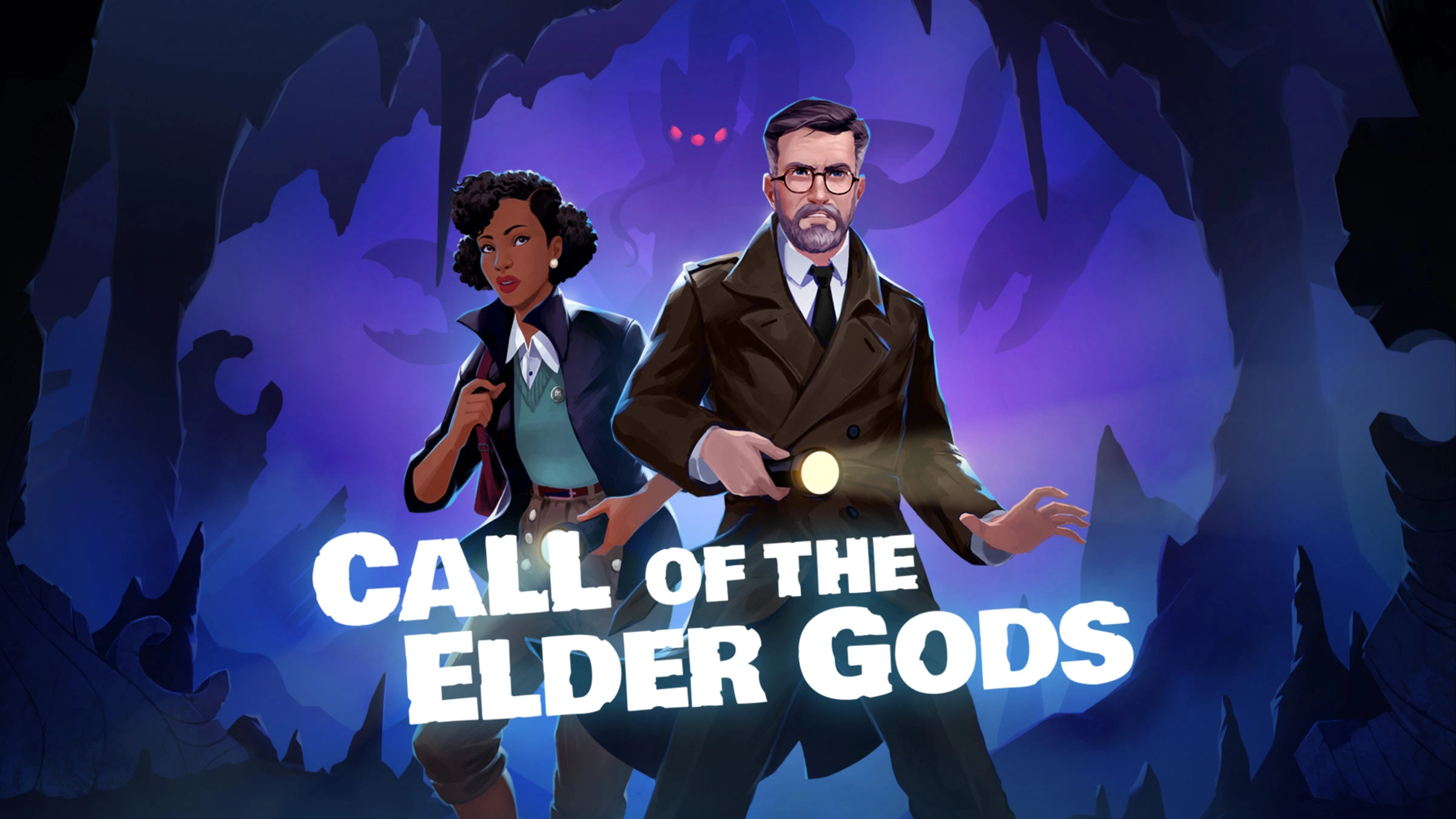

Call of the Elder Gods defines itself as a first-person narrative puzzle adventure built on the grounded tension of 1950s America. The sequel moves away from tropical scenery and places the action inside tighter spaces. Players investigate humid caves, rigid academic buildings, and ancient stone cities cut into natural cliff faces.
The story follows Evangeline Drayton and Professor Harry Everhart, whose strange dreams pull them into a shared hunt for occult secrets. Its atmosphere combines period detail with the cold dread of Cthulhu mythology. The spaces feel believable, then tilt into unease through impossible structures left by a lost civilization.
That architectural friction gives the game much of its pressure. The stronger emphasis on interiors sharpens the environmental storytelling. Each room holds evidence of forces hidden beneath the postwar world. Cramped offices, underground chambers, and scholarly rooms keep the player under steady pressure.
Academic Obsession and Social Tension
The script grounds the experience through two clearly drawn protagonists. Harry Everhart is a prickly scholar still marked by the loss of his wife, Norah. She remains present as a disembodied narrator, guiding the player through the world with a voice that reaches from the past.
Evangeline Drayton is a Black female student, and her role gives the 1950s setting real dramatic weight. Her perspective lets the player read the era’s social tension through the story itself. Together, Harry and Evangeline uncover ancient technologies and face a secret group of Nazis working in the shadows.
The plot uses cosmic horror to examine the darker side of progress and the endurance of fascism. The writing keeps its emotional footing. The voice acting gives Harry’s academic fixation a sharp edge and lets his grief sit beneath the surface. The pacing stays steady, with the shape of a grand adventure guided by mystery and danger. Horror runs through the material, yet the tone favors a thrilling mystery filled with relics, strange designs, and traces of a buried history.
Harry and Evangeline’s relationship develops through shared danger and investigation. Their exchanges feel earned because the game ties character movement to discovery. Norah’s narration gives Harry’s grief a constant presence and sets a lyrical counterpoint against his grouchy temperament. Her voice becomes a guide through the madness, which helps the narrative keep its emotional thread even as the mythology grows stranger.
The 1950s setting shapes the logic of the world. Nazi antagonists create a human evil that can stand beside the eldritch threat, giving the stakes a personal and global charge. The script handles those themes with care and avoids flattened portrayals. Relics function as tactile pieces of history, letting players assemble the story at their own pace. This careful delivery gives the emotional beats room to land with precision.
Logical Deduction and Environmental Barriers
The core loop is built around exploration and puzzle solving. The environmental challenges depend on pattern recognition, logic, and close reading of the space. The game includes specific puzzles such as an Enigma decoding machine and a variation of the Tower of Hanoi. Players cross-reference notes found in the environment to reach solutions, and an in-game journal records clues automatically so the investigation stays organized.
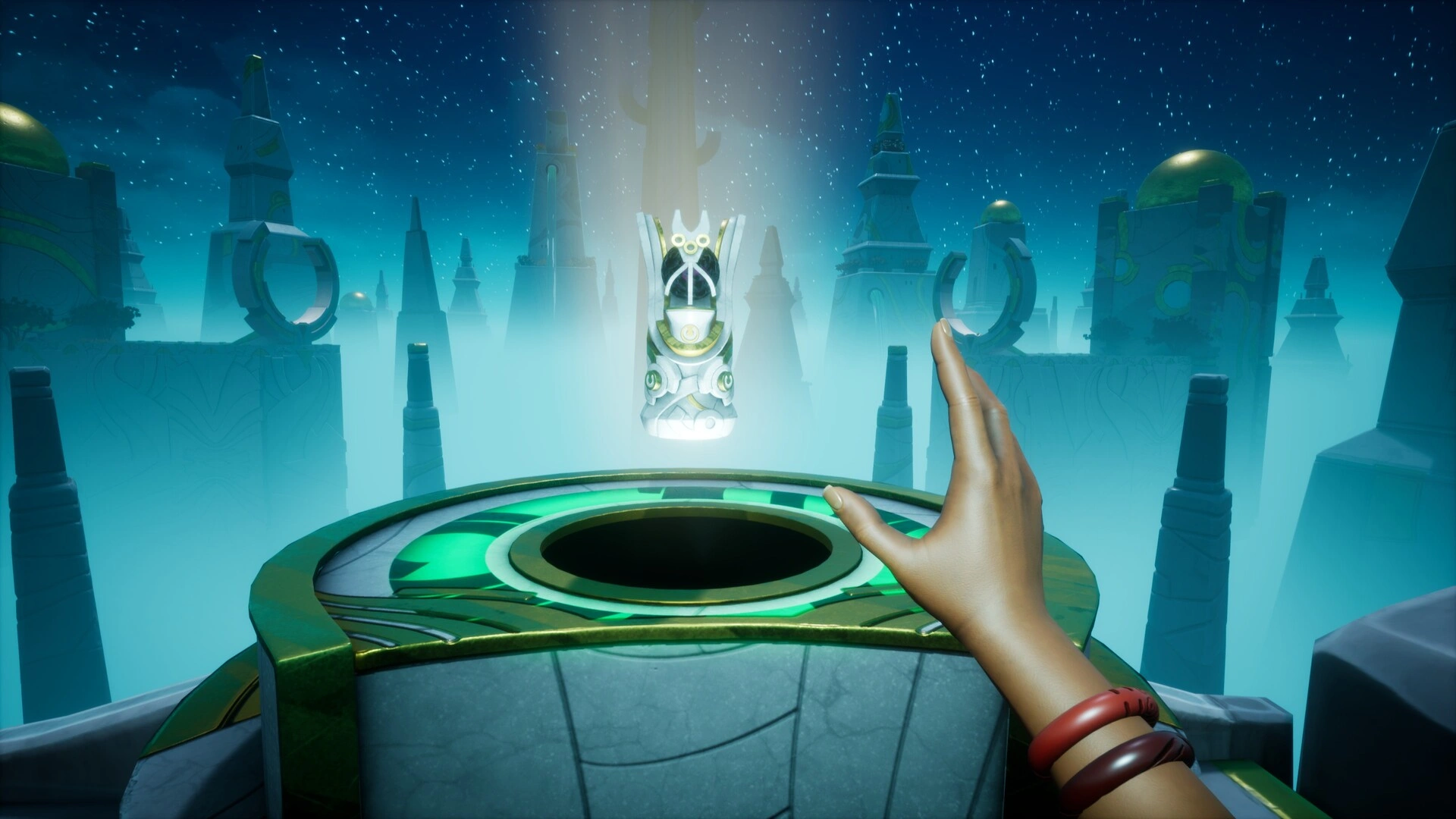
Hard Mode changes the relationship between player and information. This setting removes the automated journal and asks players to use a physical notebook. That single rule shift gives the game a stronger detective rhythm because the player must decide what matters, what to write down, and how each clue connects to the machinery of the world. A hint system in the menu supports players who get stuck. It offers step-by-step help, keeps frustration low, and preserves the satisfaction of solving the problem.
Most answers are tied to visual or auditory cues. This design gives the puzzles a clean internal logic and avoids the absurd reasoning associated with older adventure games. Later challenges reach a high level of complexity and demand careful observation. The puzzles feel built into the setting. They act like barriers created by the ancient civilization or by clandestine groups chasing its power. The difficulty curve rises at a measured pace, giving players time to learn how the machines think before the game introduces extra variables.
Observation is the main skill. Players need to search corners for symbols, dates, and environmental clues. The Enigma machine has a tactile quality because it asks for a specific grasp of encoded information. The Tower of Hanoi variation pushes the player to reconsider spatial organization.
The tasks stay fresh because each one introduces a distinct logic problem. The journal links mechanical solutions to lore, turning puzzle progress into narrative progress. In Hard Mode, the same structure becomes a proper detective simulation. The player controls the depth of engagement, and each failure feels instructive and fair.
Technical Precision and Artistic Direction
The visual design combines realistic lighting with slightly cartoony character models. Post-processing effects create a dreamlike quality, softening the horror’s edges and giving the game a stylized identity. Major story beats use 2D cutscenes that feel separate from the 3D environments. The orchestral score builds wonder during discovery and dread in dangerous spaces.
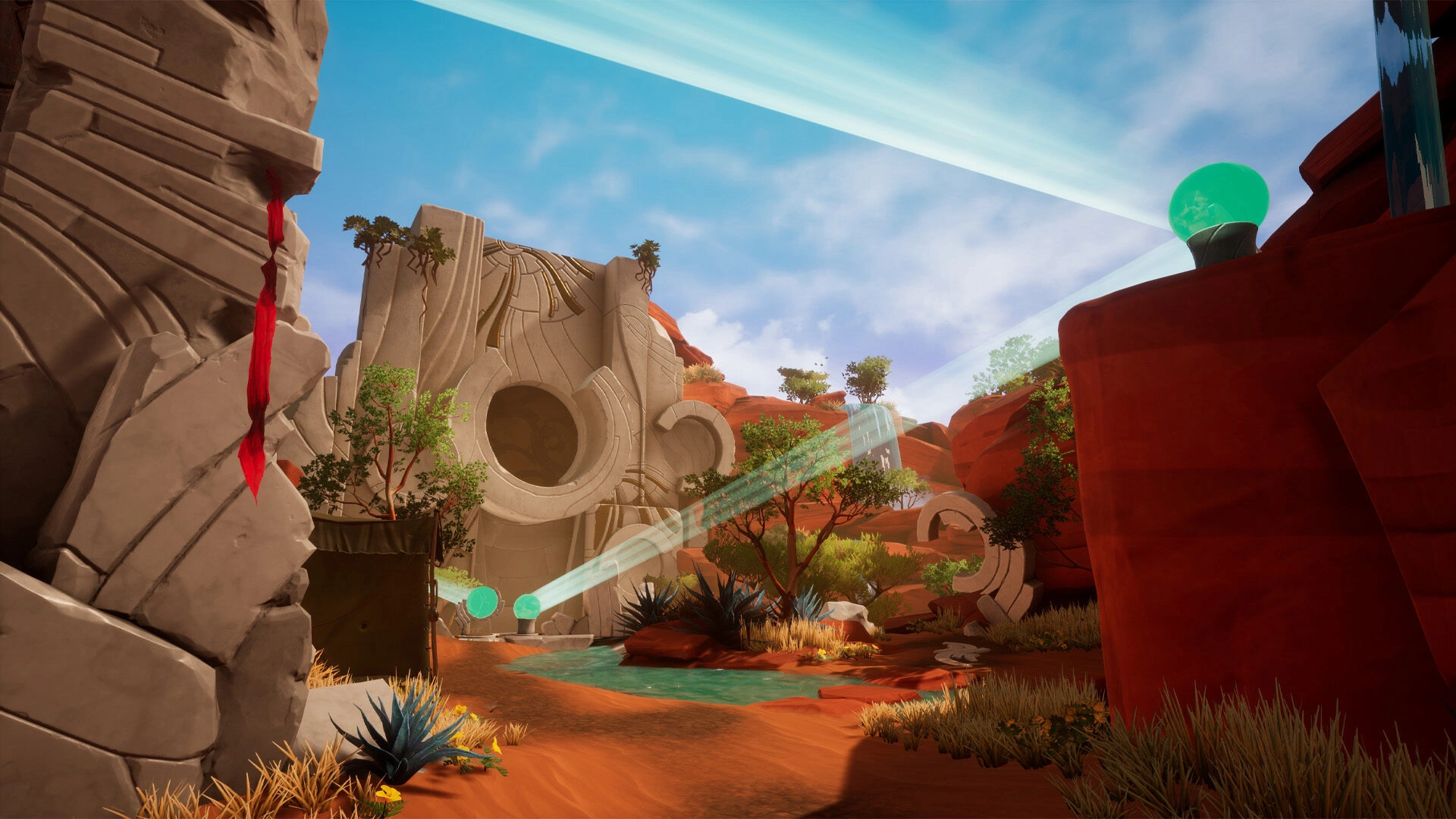
The PC version is well optimized across hardware setups. It supports an uncapped frame rate and runs smoothly on most systems. Accessibility features matter here because the game demands sustained attention. Players can toggle head bobbing to help prevent motion sickness, and smooth turning gives the camera a cleaner cinematic feel. These settings support play without pulling attention away from the atmosphere. The menu allows meaningful personalization, which helps a wider range of players settle into the adventure.
The technical polish shows a clear understanding of hardware limits. The game remains stable during complex puzzle sequences, which matters in a design built around careful reading, symbol tracking, and mechanical feedback. The 2D cutscenes use a static screen style that communicates through high-quality art. For some players, that presentation may reduce immersion compared with real-time rendering. The art in those scenes still carries expressive force.
Sound design is one of the game’s strongest systems. Footsteps, mechanical clicks, and environmental sounds are distinct enough to support puzzle reading. That auditory feedback gives the player information and mood at the same time. The orchestral score reacts to the surroundings, swelling during moments of discovery and fading into a low hum during intense concentration. Smooth turning and head bobbing options show care for player comfort. The performance remains consistent in larger areas, letting the visual direction, puzzle logic, and atmosphere work together without interruption.
The Review
Call of the Elder Gods
Call of the Elder Gods succeeds as a thoughtful narrative puzzle adventure. It grounds cosmic horror in a detailed 1950s setting with strong character dynamics. The logic based puzzles avoid frustration through a helpful journal system. While the 2D cutscenes feel static, the technical polish and atmospheric depth make it a standout title for fans of the genre.
PROS
- Rich historical atmosphere.
- Logical and fair puzzle design.
- High quality voice performances.
- Strong technical performance.
CONS
- Static 2D cinematic style.
- High late game complexity.