

















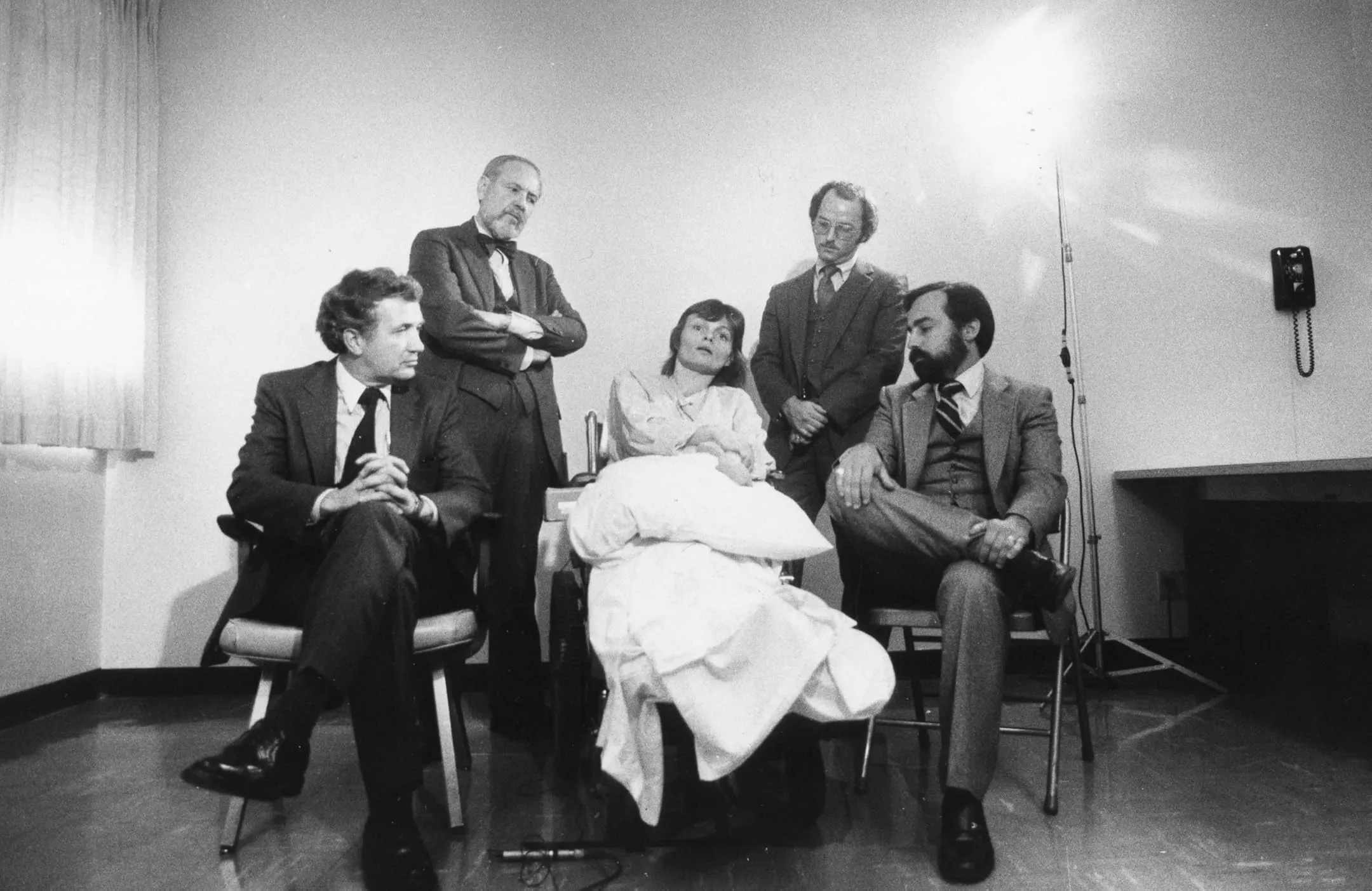

Every good noir begins with a missing person, a ghost haunting the periphery of an unsolved case. For Reid Davenport’s Life After, that ghost is Elizabeth Bouvia. Archival footage, grainy and saturated with the haze of 1980s broadcast news, shows us a fiercely articulate young woman demanding her own death in a California courtroom. Then, she vanishes.
Into this vacuum steps Davenport, a filmmaker whose shared diagnosis of cerebral palsy makes him less a director and more a hardboiled detective with skin in the game. His camera, unsteady and intimate, begins a search not just for Bouvia’s whereabouts but for an answer to a profoundly unsettling question.
In a world of institutional shadows and bureaucratic indifference, who gets to define a life’s quality? The film sets its hook deep, pulling us into a moral labyrinth where the path to an answer is anything but clear.
The Canadian Detour
The search for one woman inevitably uncovers a wider conspiracy. Davenport’s investigation pivots from the sun-bleached courts of California to the cool, clinical landscape of Canada and its Medical Assistance in Dying (MAID) program.
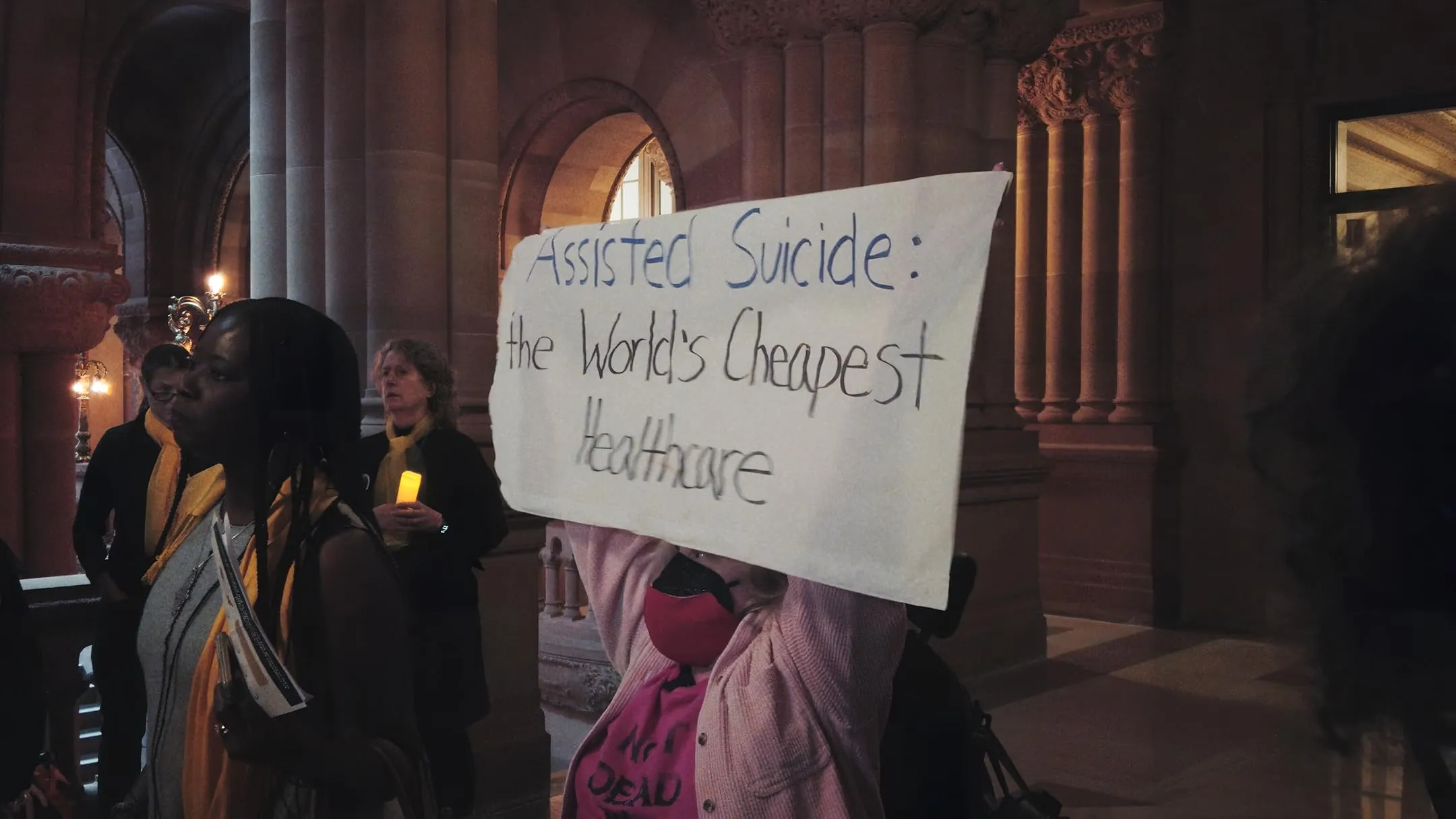
The narrative structure here shifts into a slow-burn thriller, exposing a system whose pristine, humanitarian surface masks a chilling logic. MAID is presented as a cautionary tale, a state-sanctioned exit ramp offered too freely. The camera captures the story of Michal Kaliszan, a man cornered not by terminal illness but by a failing social safety net.
Also Read





His contemplation of MAID is framed as a choice made under duress, a coerced decision where the alternative is neglect. The film’s thesis is rendered with stark clarity. It posits that any debate on a “right to die” is philosophically bankrupt when a “life with dignity” is not a guaranteed option. A choice made in a collapsing room is not a choice at all.
The Unreliable Narrator Who Tells the Truth
Davenport discards any pretense of documentary objectivity, and the film is stronger for it. He is our deeply subjective guide, and his camera, often mounted to his wheelchair, forces an expressionistic perspective.
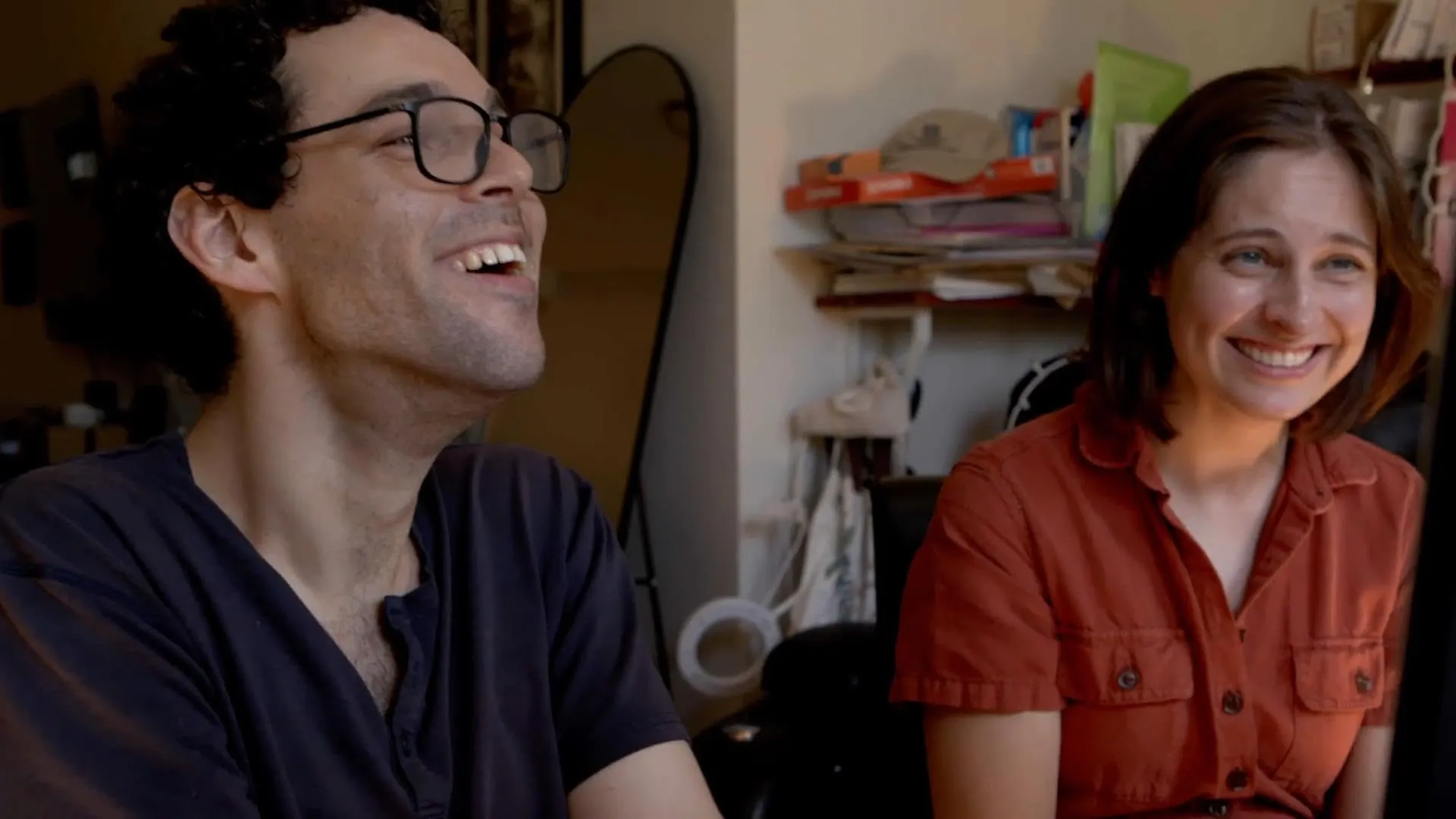
The low angles and jarring movements are not stylistic tics; they are the film’s grammar, an embodied cinematography that communicates a physical and psychological reality. We see the world as he does. This is a classic noir technique, aligning the audience with a protagonist whose view is partial, personal, and unapologetically biased.
Moments of casual ableism—a police officer’s condescending inquiry, the press of bodies in an elevator—are shot with a fly-on-the-wall intimacy. The diegetic sound of these encounters is amplified, creating a palpable tension. These scenes argue the film’s point more effectively than any talking head: the true horror is not the body, but the world that refuses to make room for it.
Life, After All
The investigation returns, as it must, to Elizabeth Bouvia. What the film uncovers about her later years complicates the entire narrative. The woman who became a symbol for the right to die actually lived, pursuing education and finding stability, however fraught.
Her story becomes the film’s final, devastating rebuttal to its own initial premise. This revelation synthesizes the film’s core argument: a society cannot ethically sanction death while systemically denying the support needed for life.
Life After offers no easy catharsis. It is a work of profound moral disturbance, forcing a re-examination of autonomy itself. The film is a raw, essential document that understands that the most frightening questions are the ones that have no simple answers. It leaves you in the dark, thinking.
Full Credits
Director: Reid Davenport
Writer: Cheryl Green, Nefertiti Matos, Thomas Reid
Producers: Colleen Cassingham
Director of Photography (Cinematographer): Amber Fares
Composer: Robert Aiki Aubrey Lowe
The Review
Life After
Life After operates less as a documentary and more as a piece of philosophical noir. It is a raw, subjective, and masterfully constructed argument that pulls the viewer into a moral abyss with no easy exit. Reid Davenport’s unapologetic direction forgoes journalistic balance for a more potent truth, using the camera as a scalpel to dissect the flawed logic of a society that talks of a “right to die” before ensuring a right to a dignified life. It is a profoundly unsettling, essential, and unforgettable film.
PROS
- A powerful and unapologetically subjective directorial vision.
- Compelling investigative structure that engages the viewer.
- Visceral cinematography that places you directly within the filmmaker's perspective.
- Raises profound and necessary questions about autonomy and societal responsibility.
CONS
- Its deliberate one-sidedness may frustrate viewers seeking a balanced debate.
- The narrative occasionally drifts from its central search for Elizabeth Bouvia.