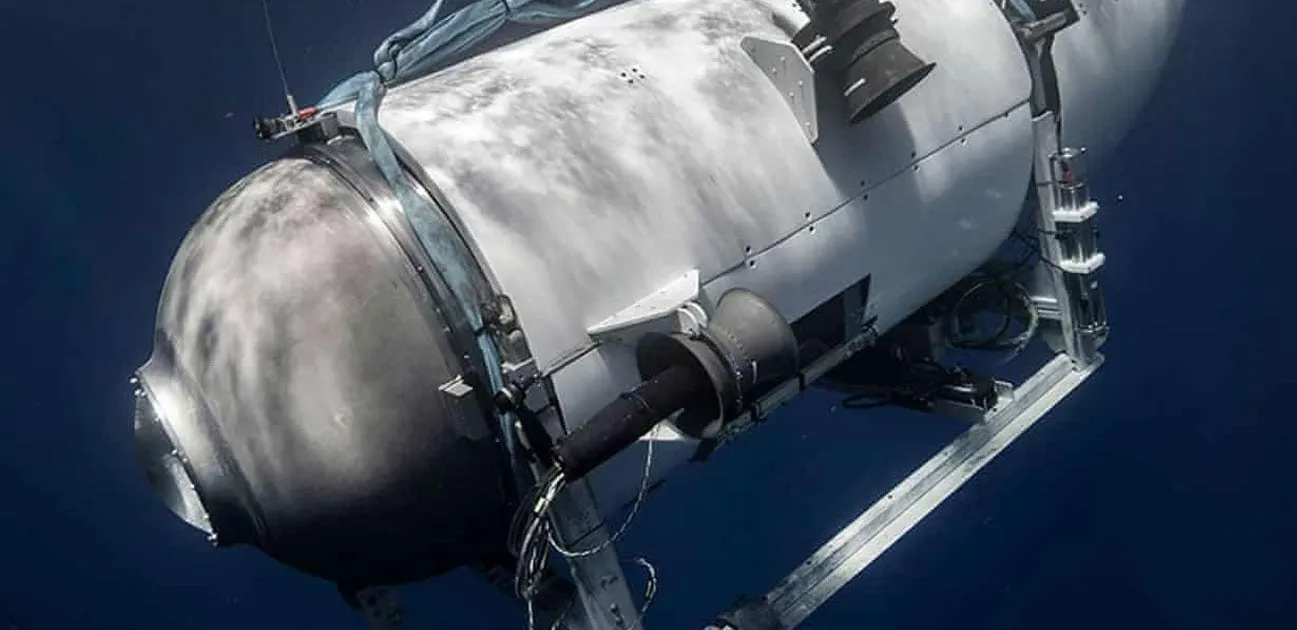
Federal investigators say the catastrophic implosion of OceanGate’s Titan submersible during a June 2023 dive to the Titanic “would not have occurred had basic engineering and oversight standards been followed,” according to a 330-page Marine Board of Investigation report released in Washington on Tuesday.
The document faults the vessel’s carbon-fiber hull design, the absence of third-party certification and a workplace culture that punished staff who raised safety concerns. Investigators noted that real-time strain data collected during a 2022 expedition showed progressive hull damage, yet no repairs were undertaken before the final voyage.
Jason Neubauer, who chaired the two-year inquiry, called the loss of five lives “preventable” and urged regulators to close loopholes that allow experimental craft to operate beyond the reach of conventional maritime rules. Among 17 recommendations is a requirement that all U.S.-flagged tourist submersibles file dive and emergency-response plans with the Coast Guard and obtain independent structural certification before carrying passengers. The board also pressed the International Maritime Organization to draft global safety standards for deep-sea tourism, an issue expected to surface at the UN Ocean Conference in June 2025.
Relatives of French explorer Paul-Henri Nargeolet, one of the victims, said the findings validate their $50 million wrongful-death suit, which alleges OceanGate ignored repeated warnings from engineers about carbon-fiber fatigue. Attorneys handling the case added that the report may strengthen claims for punitive damages by showing “deliberate disregard” for passenger safety.
OceanGate, which suspended operations days after the accident, reiterated its condolences and said it had “directed all resources” toward cooperating with the probe. The company’s late chief executive Stockton Rush is singled out for creating what investigators termed an “authoritarian and toxic” environment that fostered shortcuts and misrepresentations about the sub’s test history.
Industry analysts predict the findings will accelerate efforts already under way at the Marine Technology Society to develop a voluntary code of practice for crewed dives below 4,000 metres, to be tabled at an international submersible symposium this October. Families of the dead said they hope the new rules arrive before any other operator attempts similarly ambitious tourist descents.