



















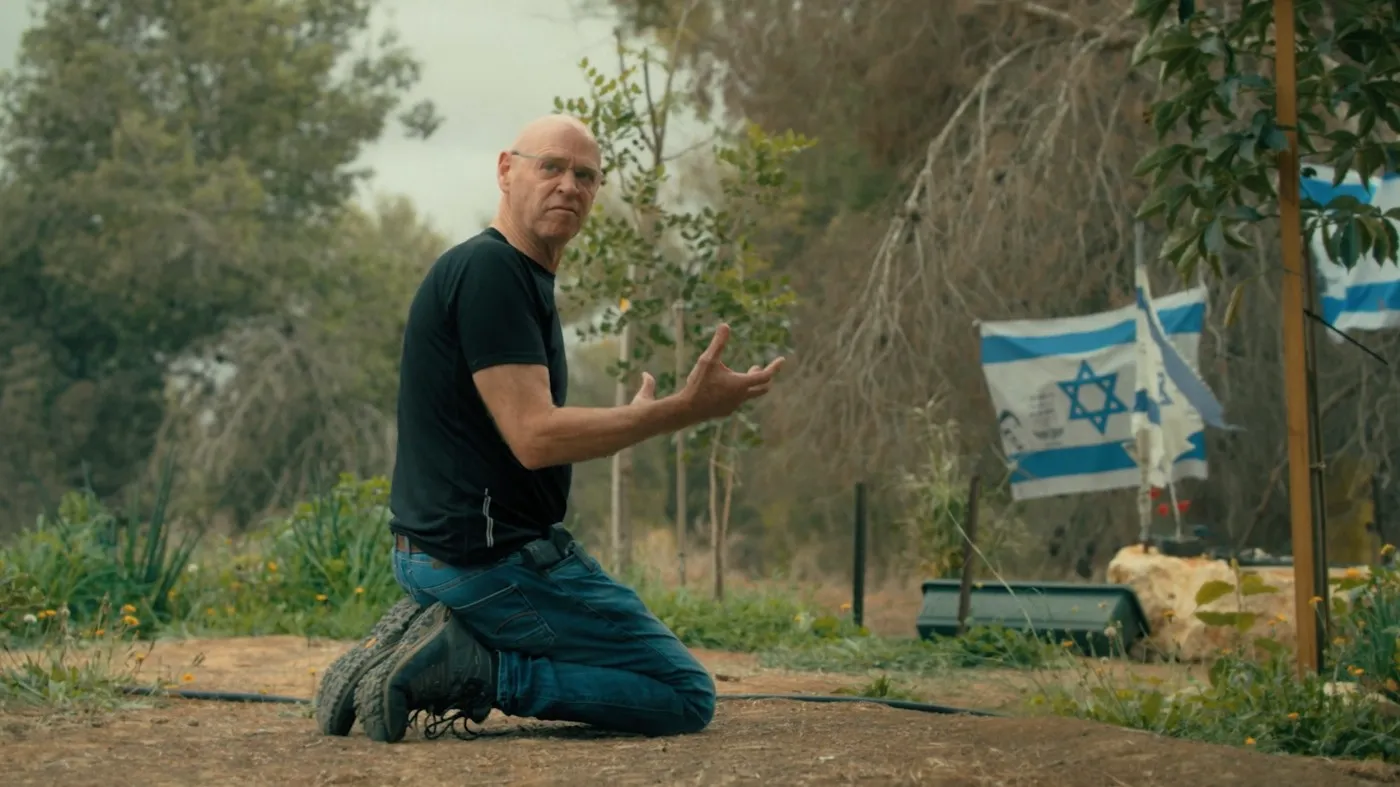

Every system has its breaking point. The illusion of security, maintained by concrete walls and digital surveillance, can evaporate in an instant, replaced by a primitive reality. The Road Between Us documents such a moment of rupture. It finds its narrative spark not in grand strategy rooms but in the digital plea of a son trapped in a sealed room.
The film opens on this claustrophobic truth: journalist Amir Tibon and his family are cornered in their home while the state meant to protect them is nowhere to be found. The story’s true inciting incident is a text message to his father, retired General Noam Tibon. This is the catalyst for a desperate, unsanctioned mission.
Noam and his wife Gali’s decision to drive into the fire is presented as an almost biological imperative, a personal response to an impersonal catastrophe. The film immediately sheds any pretense of geopolitical analysis for something far more visceral.
A Cinema of Raw Data
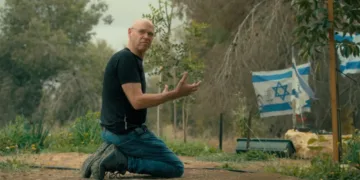
Director Barry Avrich fashions the film not as a traditional documentary but as an exercise in sensory overload, built with the cold rhythm of a thriller. The visual palette is a deliberate clash of textures, a disorienting assembly of raw data. The formal, well-lit interviews with the Tibon family provide a deceptively stable anchor.
From there, the film plunges the viewer into a chaotic archive of the event itself. Editor Dave Kennedy performs a kind of brutalist surgery, suturing together the cold, high-angle gaze of CCTV cameras with the frantic, low-fidelity jerk of a car’s dashcam. The most disturbing material, the GoPro footage from the attackers, provides a horrifying first-person perspective. Its shaky, overexposed images possess a terrifying immediacy, a form of expressionistic horror delivered without artifice.
This juxtaposition of the clinical and the chaotic is the film’s core aesthetic. It creates a profound psychological friction, forcing the audience to be both a detached forensic analyst and a panicked participant. The ticking on-screen clock is less a narrative device and more a form of auditory water torture, relentlessly marking the time that help is not coming.
The General’s Private War
In the vacuum left by the state, Noam Tibon becomes a figure of stark, unsettling purpose. The film portrays his mission as a philosophical inquiry into the nature of action. Faced with total systemic failure, his heroism is a complex phenomenon.
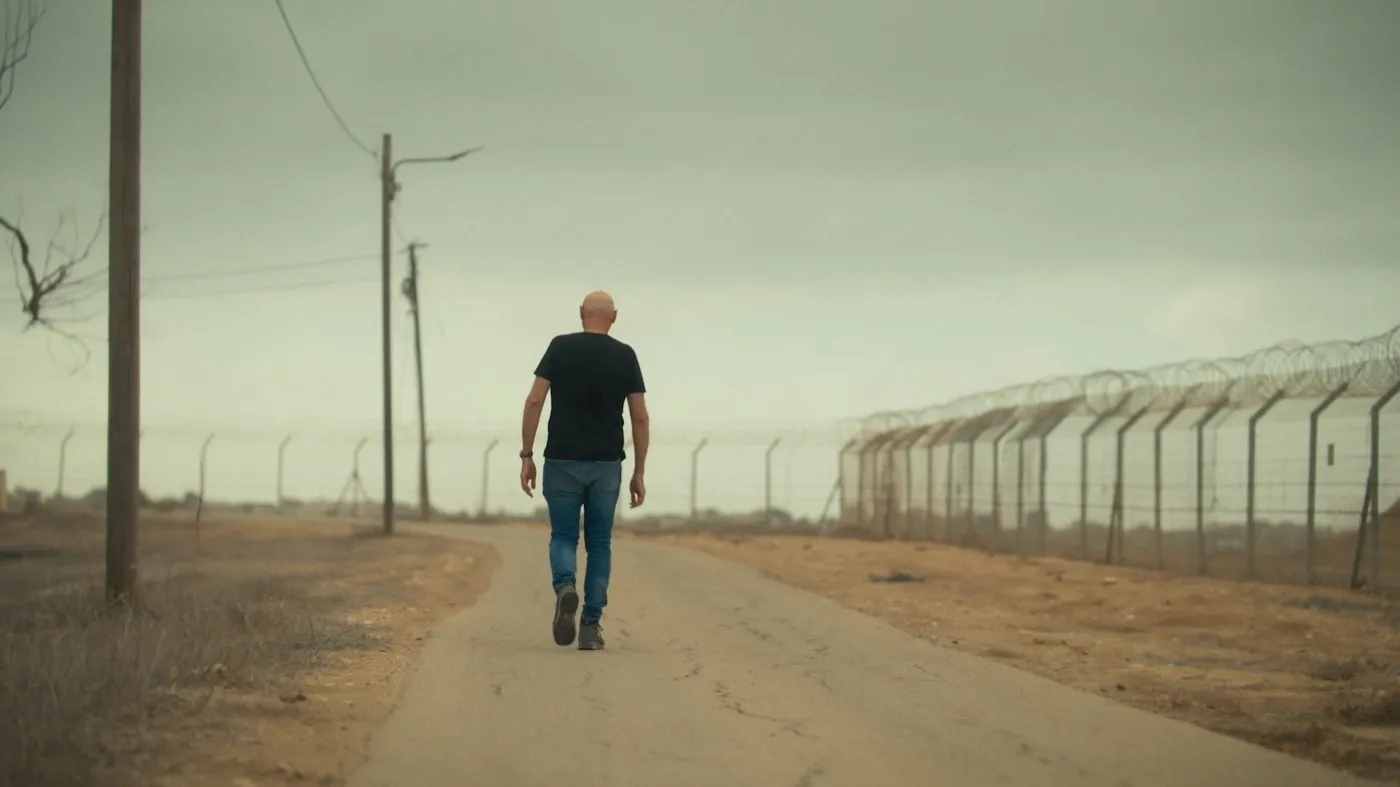
It is driven by paternal love, yet it is executed with the muscle memory of a professional soldier. This raises an unnerving question: is his journey a triumph of human will, or is he simply a well-trained instrument operating as designed, set loose in a world stripped of its rules? His trek with Gali carves a path through a landscape that feels post-apocalyptic, littered with the wreckage of both lives and illusions.
He moves like a classic noir protagonist, a solitary man operating by a personal code because the official one has dissolved. His pragmatism is a quiet indictment of the bureaucracy that failed to act. The film finds its most pointed critique in these visuals: a single car navigating a burning world, its occupants relying on instinct and experience because faith in the system has become a fatal liability.
The Anxious Frame
The documentary’s most significant choice is its severely restricted aperture. Avrich locks his focus onto the Tibon family’s ordeal, and in doing so, he weaponizes perspective. This narrow frame is the source of the film’s undeniable emotional power, transforming an incomprehensible tragedy into a human-scale survival story. Yet this intimacy comes at a cost.
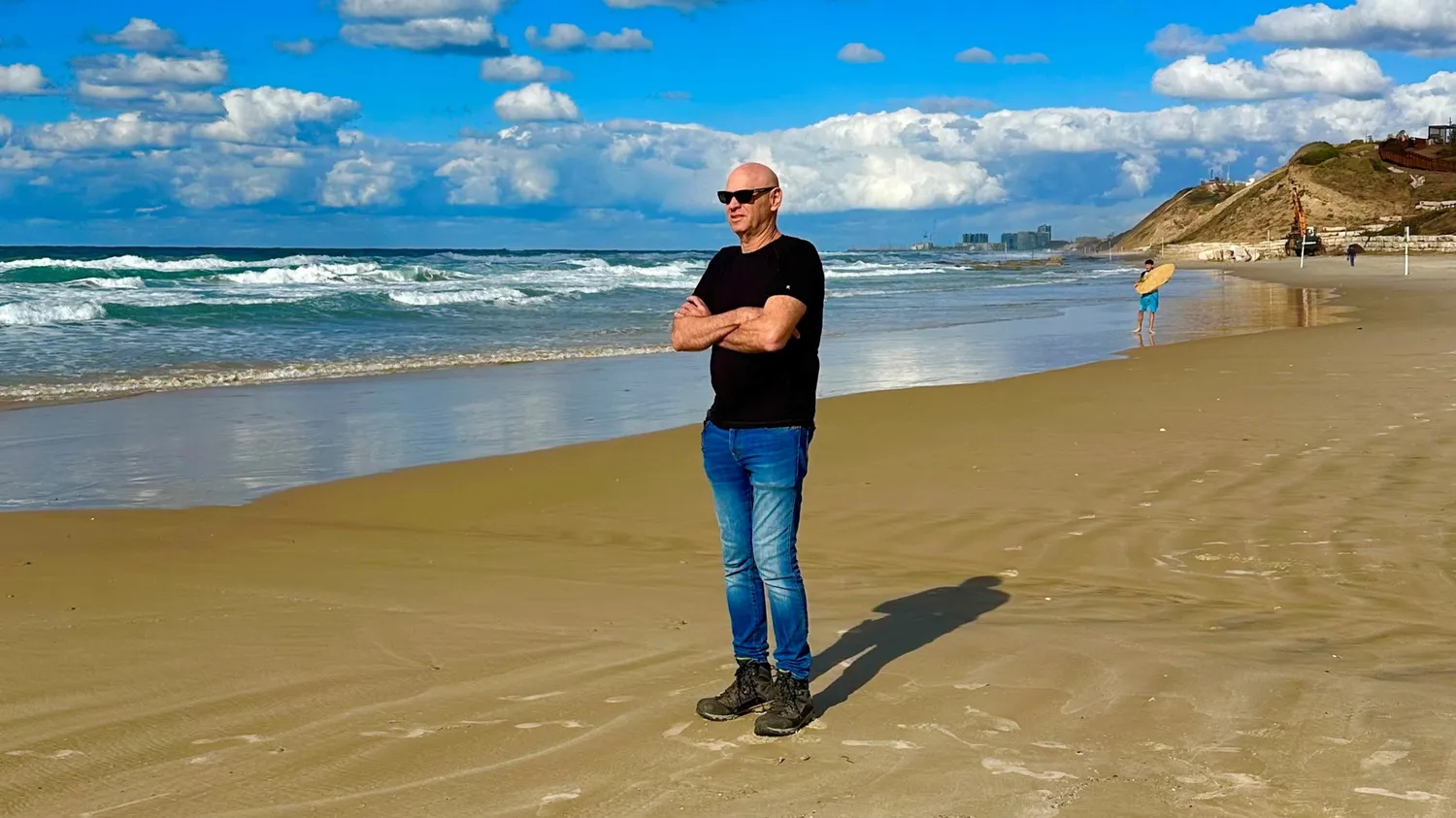
The film’s steadfast refusal to engage with the broader political or historical context is an act of narrative omission so deliberate it becomes a statement in itself. The technique is akin to filming an event through a keyhole. The viewer is granted a privileged, intense view of the room’s occupants, but the sounds from the rest of the house remain muffled and undefined.
This strategy avoids simple answers, instead creating a sustained feeling of unease. The film does not offer clarity; it offers proximity. By trapping the audience within this sliver of experience, it forces a confrontation with the limits of a single story, demonstrating that the most harrowing view can also be the most incomplete.
The documentary, The Road Between Us: The Ultimate Rescue, is a powerful account of a family’s ordeal. It chronicles the real-life story of Noam Tibon, a retired Israeli general, who embarks on a perilous 10-hour journey to rescue his son, Amir Tibon, his daughter-in-law, Miri, and their children from Kibbutz Nahal Oz after the community was attacked by Hamas on October 7, 2023. The film blends new interviews with archival material and surveillance footage to reconstruct the harrowing events of the day, emphasizing the universal theme of parental courage and selflessness. The film premiered at the Toronto International Film Festival (TIFF) on September 10, 2025, and is scheduled for theatrical release in the United States and Canada on October 3, 2025, distributed by Cineplex Pictures in Canada.
Full Credits
The Review
The Road Between Us: The Ultimate Rescue
As a piece of high-tension filmmaking, the documentary is brutally effective. Its relentless focus on a single family’s survival crafts a harrowing, visceral experience that functions with the cold precision of a thriller. This singular perspective, while the source of its emotional force, is also a deliberate act of narrative containment. The film offers a powerful, raw slice of a tragedy but consciously avoids a wider view, presenting a potent yet profoundly incomplete document of a catastrophic day. It is a study in immediacy that sidesteps understanding.
PROS
- Creates relentless tension and pacing, functioning as a highly effective thriller.
- Masterful editing that weaves together disparate sources of footage into a coherent, minute-by-minute account.
- Provides a powerful, visceral, and deeply human story of a family’s will to survive.
- Acts as a compelling portrait of individual agency in the face of complete systemic failure.
CONS
- The intentionally narrow focus actively omits crucial historical and political context.
- Its constrained perspective can feel intellectually frustrating and incomplete.
- Risks oversimplifying a complex geopolitical event by isolating a single, personal narrative.