






















Abby enters the quiet of a life that never had room for her. The upstate property stands on land that seems deliberately abandoned, with peeling paint and thick shadows left behind by biological parents who remain little beyond names attached to ownership papers.
For a woman shaped by the instability of state care, the inheritance carries practical value. Selling the place could give her the money she needs. Her arrival still feels like an intrusion. The surrounding community makes that clear. The townspeople carry inherited anger, treating her family name like a stain pressed into the region. They speak of her mother, Cameron, as a woman who used black magic to take thirteen lives in the basement.
That hostility turns the house into a sealed-off space long before Abby steps fully inside it. Then she finds a working camcorder and crates of videotapes, and the film shifts from muted character drama into a mystery built on trauma. The house never feels vacant. It feels crowded by silence, memory, and things nobody wanted spoken aloud. The dread arrives before the first tape plays. It begins with the sense that the past has mass, texture, and a grip.
The Logic of the Viewfinder
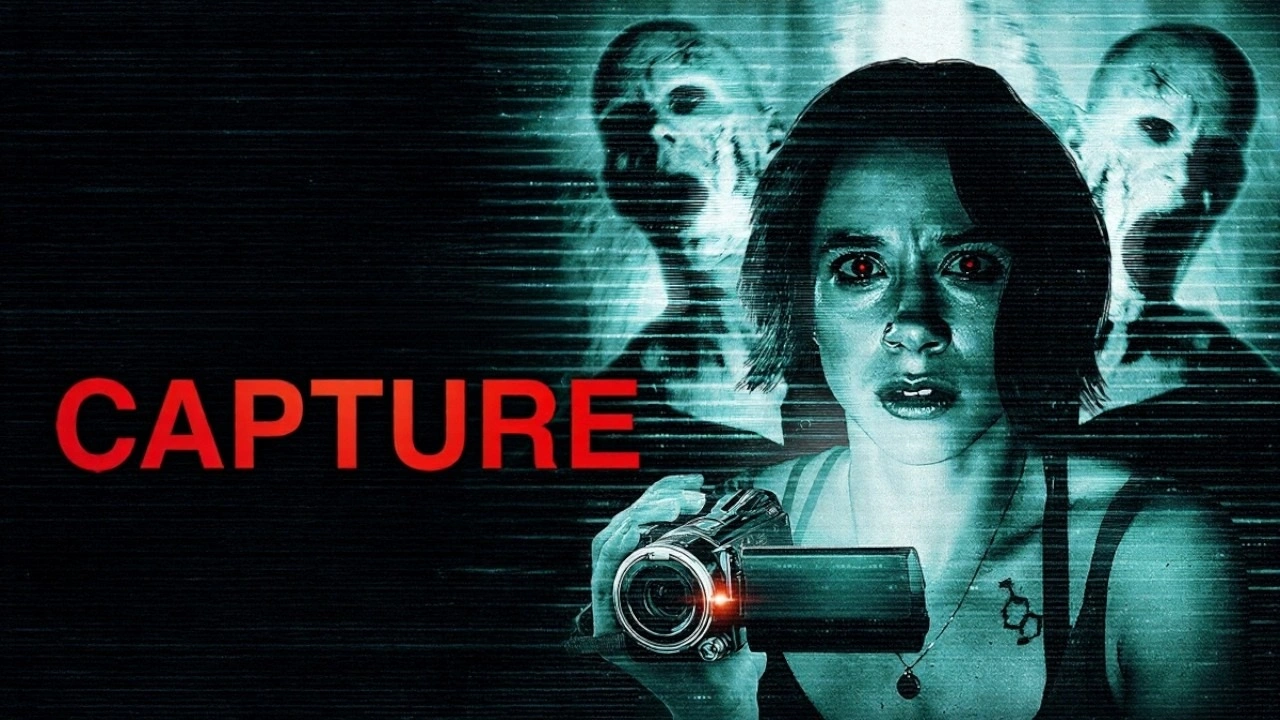
The film’s horror works through the fixed rules of a thirty-year-old camcorder, giving its supernatural threat the clarity of a game mechanic. The device becomes Abby’s interface with forces she cannot access through ordinary sight. Through the viewfinder, she sees spirits from the past occupying the same physical space she now inhabits.
That setup creates constant pressure between direct perception and recorded vision. The rule set is clean and brutal. Anyone captured by the camcorder suffers a sudden, violent death. Filming gains the charge of pulling a trigger, which makes every glance through the lens feel dangerous.
The tapes hold recordings of Abby’s mother from her work as a psychologist. These sessions reveal patients trapped in suffering, repetition, and ritualistic behavior. The film uses those recordings to make figures seem capable of meeting Abby’s gaze across decades. The effect plays like interaction, with the old footage answering the present moment.
Also Read





The image style moves between modern sharpness and the grainy, drained texture of 1990s media. That shift gives the past a rough, touchable menace that the present cannot match. The viewfinder’s small screen narrows Abby’s vision and forces attention onto specific terrors. That restriction gives the camera its narrative force, turning it into a bridge between investigation, memory, and lethal history.
Shadows and Sonic Anxiety
The film builds unease through darkness that feels designed to make the viewer search every corner of the frame. Bruce Wemple directs the interior scenes with low light that hides the full shape and depth of the rooms. The house becomes a space the audience has to read carefully, almost like a level filled with visual traps. Sound carries much of the fear. Ordinary noises gain weight and intent.

A floorboard creak or heavy rain begins to feel like proof that someone is watching. A phone vibration or a door clicking shut lands with threat. These cues make the house seem alive, breathing around Abby as she moves through it. Practical effects keep the supernatural imagery tied to physical impact. Jessie Hajduk’s makeup work gives the grisly moments a raw, bodily force. The gore appears in short bursts, yet the images linger.
The 85-minute runtime is tight and purposeful. The film opens as a careful investigation into family history, then speeds into survival during its final act. That pacing mirrors Abby’s experience as buried history stops sitting quietly in the background and starts closing in. The technical approach makes the environment feel openly hostile. Each shadow and distant sound contributes to the sense that Abby is being stalked by her own lineage.
The Weight of Legacy and Performance
Kaitlyn Lunardi grounds the film with a performance that avoids familiar horror-victim shorthand. She plays Abby as someone marked by vulnerability and long-term personal strain. Her history with alcoholism and her search for identity make her fixation on the tapes feel emotionally credible. She remains in the house because the recordings offer a link to parents she never knew.
Her stubbornness fits a life spent without roots. Lunardi moves through quiet sadness, guarded fear, and sharp anger, using that anger as protection when fear threatens to take over. Cedric Gegel’s Steve, Abby’s brother from her state-care past, represents the steadier bond of chosen family.
His presence sharpens the difference between support built through care and blood ties poisoned by violence. The film pairs its scares with a serious look at inherited trauma and codependency. Its horror grows from the knowledge that some connections carry damage by design.
Abby’s struggle for survival becomes a struggle to define herself beyond a brutal family history. The story asks if a person can separate their identity from ancestral violence. It gives that question a harsh emotional charge, especially as Abby learns the cost of opening secrets that were meant to stay buried.
Capture arrived on digital storefronts on March 17, 2026. It is currently available for viewing on Prime Video, Apple TV, and Fandango at Home. The story follows a woman who finds a cursed camcorder inside her biological parents’ home.
Where to Watch Capture (2026) Online





Full Credits
Title: Capture
Distributor: Uncork’d Entertainment
Release date: March 17, 2026
Running time: 85 minutes
Director: Bruce Wemple
Writers: Bruce Wemple
Producers and Executive Producers: Ryan J. Sloan, Bruce Wemple
Cast: Kaitlyn Lunardi, Cedric Gegel, Chris Cimperman, Grant Schumacher, Leah Eckardt, Will Mazel, Lejon Woods, Alex Nevin
Director of Photography (Cinematographer): Bruce Wemple
Editors: Bruce Wemple
Composer: Nate Vandeusen
The Review
Capture
Bruce Wemple provides a chilling exploration of inherited trauma through a dedicated lead performance and thick atmosphere. The film respects its own rules. It treats the cursed camcorder with a grounded logic that heightens the tension. While the initial pacing is slow, the technical execution and gritty practical effects provide a solid outcome. This production serves as a reminder that independent horror can achieve significant results with focused storytelling. It is a worthwhile experience for fans of moody, methodical thrillers.
PROS
- Strong lead performance by Kaitlyn Lunardi.
- Anxiety-inducing sound design.
- Memorable practical effects.
- Effective use of limited lighting.
CONS
- Deliberate pacing requires patience.
- Certain dialogue feels overly explanatory.
- The final act feels slightly less polished than the buildup.