













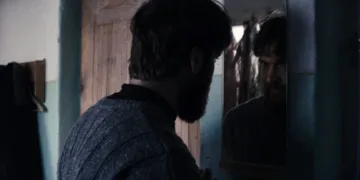
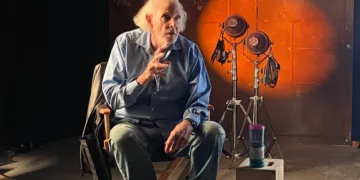









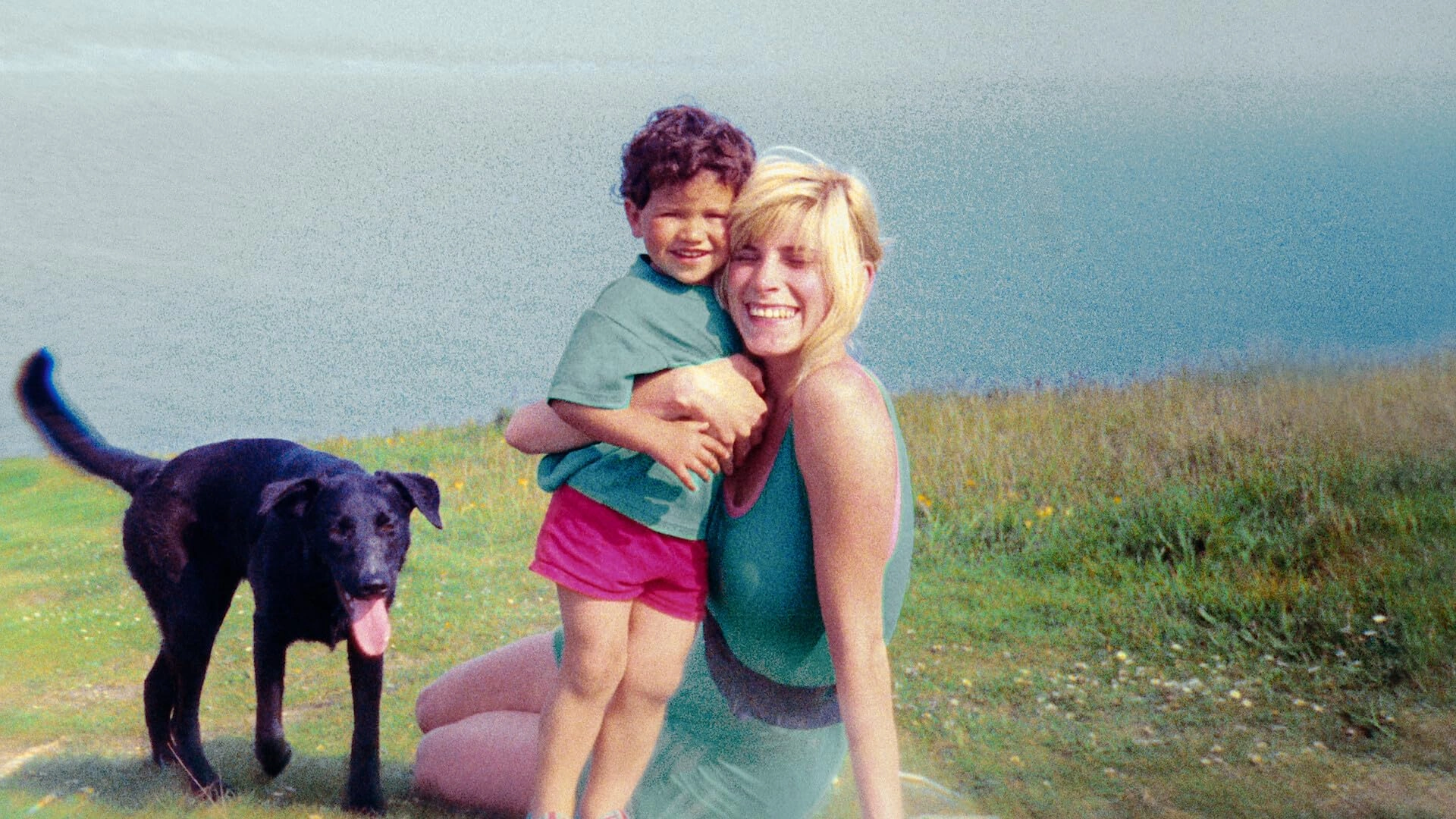

The Murder of Rachel Nickell is a Netflix true-crime documentary directed by Lucy Bowden, and its subject carries the terrible weight of a national scar. In July 1992, Rachel Nickell was killed on Wimbledon Common while walking with her two-year-old son, Alex, who became the sole witness to an act he could barely comprehend. The film understands that the horror of the case lies in the murder itself, in the aftermath, and in the way institutions tried to extract certainty from chaos.
Bowden’s documentary refuses the carnival lighting that often surrounds true crime. There is no ghoulish wink, no grimy thrill machine, no sense that suffering has been polished into binge-friendly bait. Through archive footage, police material, interviews, home videos, and family testimony, the film revisits a case shaped by brutality, investigative failure, and delayed accountability. Rachel is kept present as a person: a young mother, a partner, a daughter, a life interrupted. That sounds obvious. In this genre, sadly, it counts as a moral position.
The Family After the Flashpoint
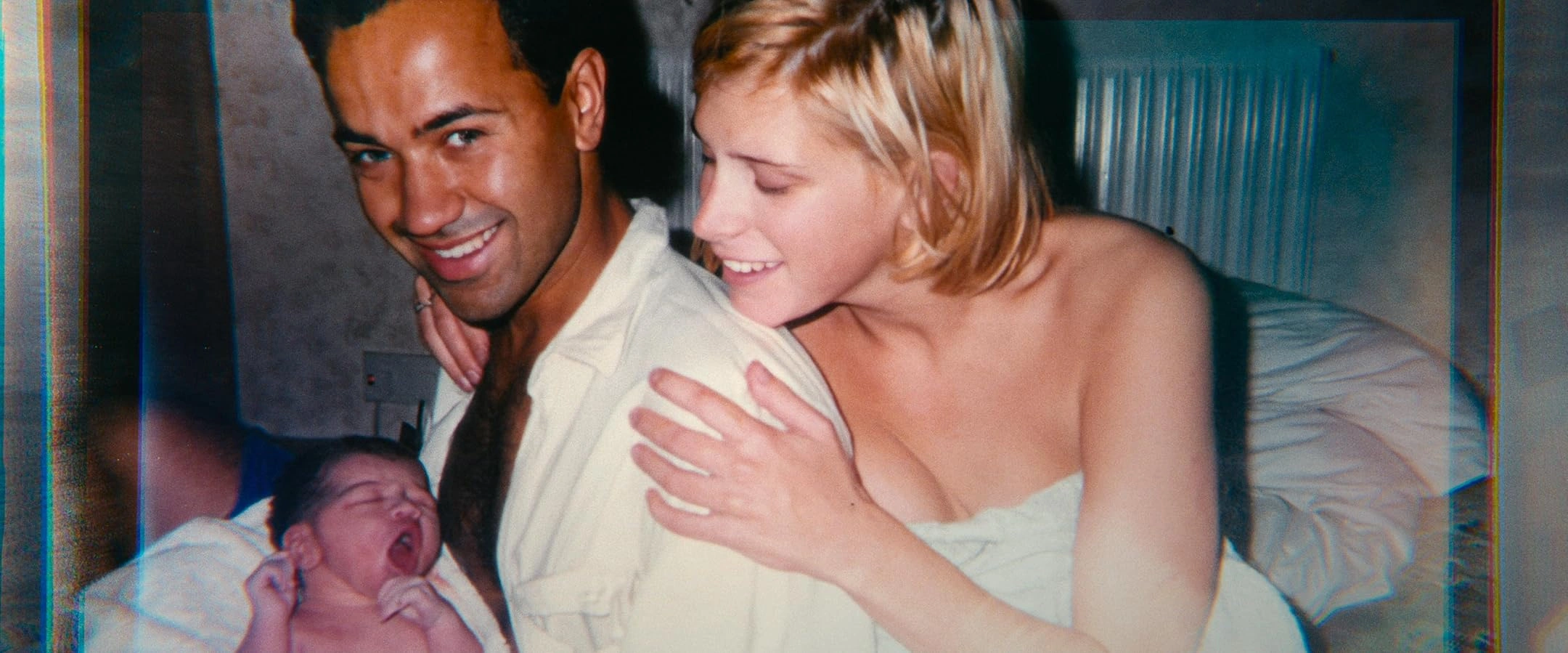
The film’s deepest ache comes through André Hanscombe, Rachel’s partner and Alex’s father. His interviews have the stillness of a man who has told himself the story too many times and still finds fresh pain inside it. He recalls the moment his life split open, then the surreal labor of protecting a child who had seen what no child should see. The documentary’s close framing gives his testimony an almost judicial intimacy, yet it never feels like a cross-examination. It feels like earned listening.
Alex’s place in the film is handled with care. As a toddler, he was questioned repeatedly about the attack, a process that sits at the film’s moral center without needing grand speeches. Police and psychiatrists needed information. A child needed safety.
Those needs collided, and the impact was brutal. The documentary captures a species of procedural cruelty that can occur without malice, which may be the most frightening kind. Bureaucracy, after all, can look very polite while grinding people down.
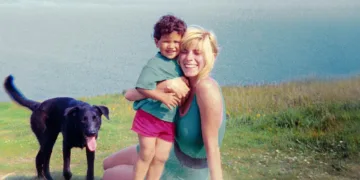
André’s decision to leave England for the French countryside registers as escape, shelter, and accusation all at once. The media glare had made private mourning nearly impossible, and the killer remained free. Home videos and family images pull Rachel back from the abstraction of case history. They return texture to her life, which is the film’s quietest act of resistance.
The Machinery of Certainty
The investigative section of The Murder of Rachel Nickell is where the documentary turns colder, angrier, and sharper. Detectives were under immense pressure, with limited forensic evidence, uncertain eyewitness accounts, and a public demanding answers. In that vacuum, psychological profiling moved from useful tool to near-oracle. One can almost hear the gears of institutional desire clicking into place: find a shape, give it a name, call it progress.
That shape became Colin Stagg. He lived near Wimbledon Common, appeared to fit certain suspicions, and was drawn into an operation involving letters and psychological manipulation. Bowden presents this chapter as a study in suspectcraft, the process by which authority begins with a theory and then searches for a person who can be made to inhabit it. It is grimly fascinating, in the way a slow-motion car crash is fascinating if the car is labeled “public trust.”
The film treats Stagg’s wrongful prosecution as another form of damage left by the case. Rachel’s family suffered from the original crime. Stagg suffered from the system’s need to appear decisive. The public suffered from the illusion that justice had a shortcut.
The later identification of Robert Napper, already detained in a secure psychiatric hospital for other killings, gives the documentary its bleak historical irony. Forensic science eventually did what speculation could not. The truth arrived late, carrying the shame of all the years it had missed.
Restraint, Structure, and the Case Against Spectacle
Bowden builds the documentary in a clean linear movement: the murder, the early inquiry, the pursuit of Stagg, then the forensic breakthrough that finally names Napper. The shape is conventional, yet the control is effective. A flashier film might have mistaken the case’s ugliness for narrative energy. This one trusts the facts, the faces, and the pauses between words.
The visual language is polished without becoming decorative. Archival news clips, police interviews, home footage, and present-day testimony are cut together with a deliberate rhythm. At 96 minutes, the film has enough room to breathe without sinking into procedural sludge. That matters. True crime often confuses duration with depth, as if pain becomes richer after episode four. Bowden avoids that trap.
There are gaps. The documentary could have pushed further into the media climate of the early 1990s, the public mythology of stranger danger, and the gendered fear surrounding violence against women in public spaces. Wimbledon Common becomes a symbolic site, a green civic dream ruptured by male violence, yet the film only partly explores what that meant culturally. Some late interview placements feel engineered for dramatic voltage, a tiny concession to genre habit.
Still, The Murder of Rachel Nickell is strongest as an ethical document. It studies grief without feeding on it, examines failure without theatrical outrage, and understands justice as a fragile social ritual easily corrupted by haste, pride, and the hunger to close a file.
The Murder of Rachel Nickell is a true-crime documentary film that premiered globally on Netflix on June 4, 2026. Directed by BAFTA-nominated filmmaker Lucy Bowden, the production serves as an accompanying piece to the dramatized limited series The Witness, exploring the notorious 1992 homicide of a young mother on London’s Wimbledon Common. Relying on exclusive archival material, forensic insights, and personal testimonies from the victim’s partner and her son—who was the sole eyewitness to the assault—the documentary unpicks the highly publicized, deeply flawed police investigation that led to a high-profile wrongful prosecution before DNA advancements unmasked the real killer decades later. Audiences can stream the documentary feature exclusively on Netflix.
Where to Watch The Murder of Rachel Nickell (2026) Online


Full Credits
Title: The Murder of Rachel Nickell
Distributor: Netflix
Release date: June 4, 2026
Rating: TV-MA
Running time: 88 minutes
Director: Lucy Bowden
Cast: André Hanscombe, Alex Hanscombe
The Review
The Murder of Rachel Nickell
The Murder of Rachel Nickell is a sober, humane true-crime documentary that handles a horrific case with rare restraint. Its strongest sections center Rachel’s family, especially André and Alex, while its investigation material exposes the danger of police certainty under public pressure. It could probe the media climate with greater force, but its ethical clarity gives it real power.
PROS
- Sensitive handling of Rachel, André, and Alex
- Strong critique of investigative failure
- Effective use of archival footage and interviews
- Tight pacing and restrained direction
CONS
- Could examine media pressure in greater depth
- Some late interview reveals feel staged
- Limited fresh insight for viewers familiar with the case