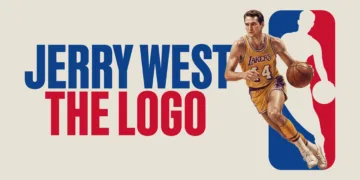




























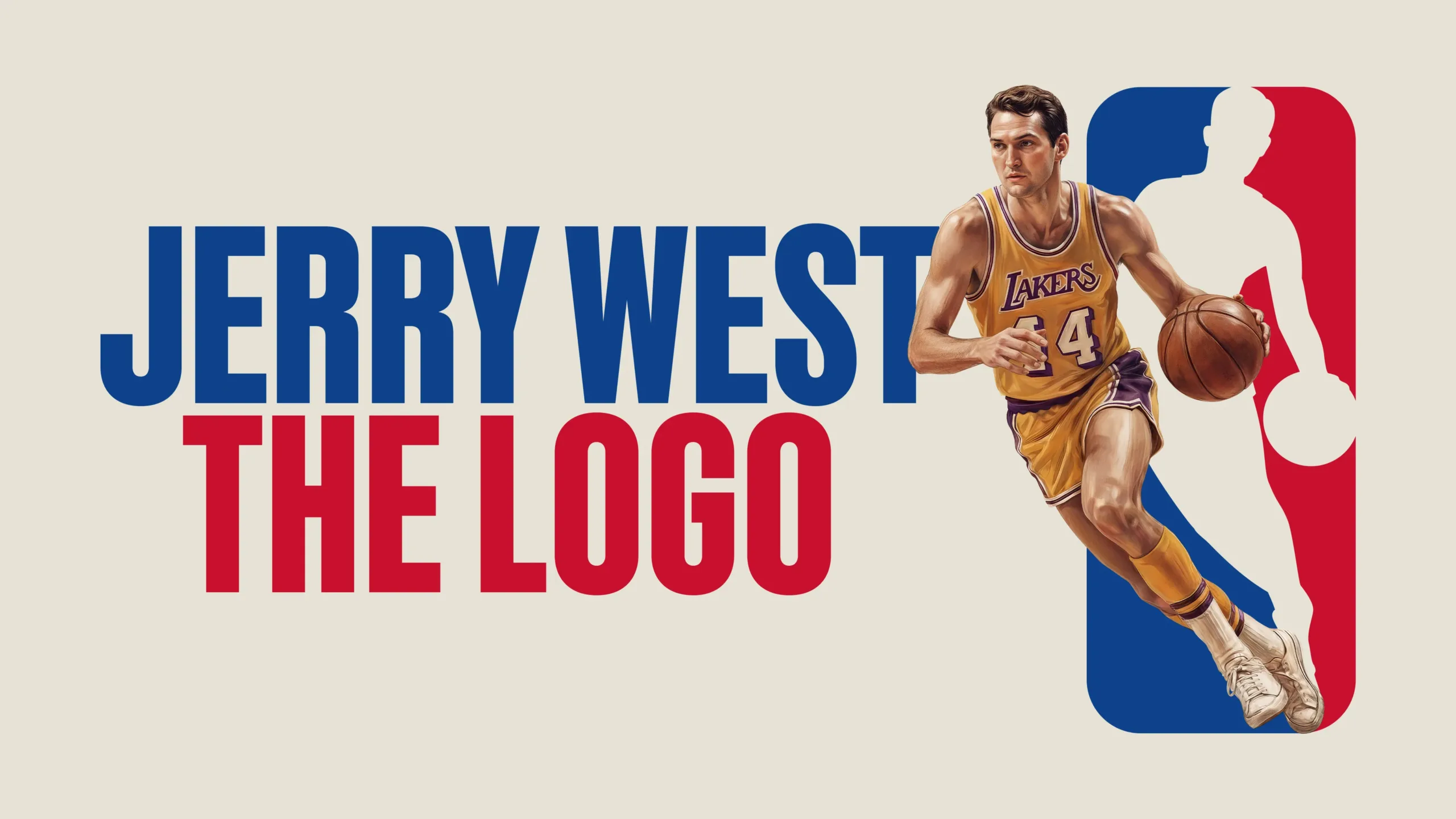

Jerry West: The Logo treats its subject as a figure carved into basketball history, then spends two hours trying to restore the man inside the silhouette. On Amazon Prime Video, timed for playoff-season attention, Kenya Barris’ first documentary feature arrives with a built-in myth: West as player, executive, architect, competitor, and haunted survivor. The NBA turned his body in motion into an emblem, which is about as subtle as sports iconography gets.
The film gains urgency from its access. These are West’s final major interviews before his death in 2024, and that knowledge gives even the simpler passages a faint chill. Barris traces him from Chelyan, West Virginia, through West Virginia University, the Lakers, a short coaching chapter, and front-office triumphs that shaped multiple dynasties.
The tone is reverent, candid, and lightly lacquered. Magic Johnson, Kareem Abdul-Jabbar, Michael Jordan, Shaquille O’Neal, Pat Riley, Stephen Curry, Kevin Durant, and Adam Silver circle the story like witnesses in a grand basketball tribunal. The verdict is clear before testimony begins, but the human evidence still matters.
A Childhood in Shadow, A Jumper in the Light
The strongest material comes from West’s early life, where the documentary finds a kind of rural noir in memory rather than alleyways. Poverty, an abusive father, and the death of his older brother in the Korean War form the black frame around his youth.
The image of a boy practicing on a hoop nailed to a tree has the clean geometry of myth, yet Barris keeps returning to its emotional residue. Basketball becomes discipline, escape, weapon, prayer. Pick your metaphor. West probably disliked all of them.
The film uses archival footage and present-day reflection to connect private terror with public precision. His jump shot, rehearsed in imagined endgame scenarios, feels less like natural grace than a survival mechanism refined into art. At West Virginia University, his brilliance already carried the sting of incompletion: a Final Four run, a tournament MVP award, and a championship-game loss. Recognition arrives dressed as punishment.
That pattern followed him to the Lakers. West’s NBA career produced statistical majesty, Finals heartbreak, and repeated collisions with the Boston Celtics. His body language in old footage has noir severity: clipped movement, tight control, a man lit by the possibility of failure. The documentary could spend longer on his technique, his passing evolution, his defensive intelligence. It prefers the wound. Fair enough. The wound is hard to miss.
The Executive as Cold-Eyed Dreamer
West’s coaching years receive a brisk treatment, which may suit the man’s own view of them. He understood the game too intensely to tolerate the messier human rhythms of coaching. That is one of the film’s sharper ironies: the basketball mind that could see everything did not always want to manage everyone from the sideline.
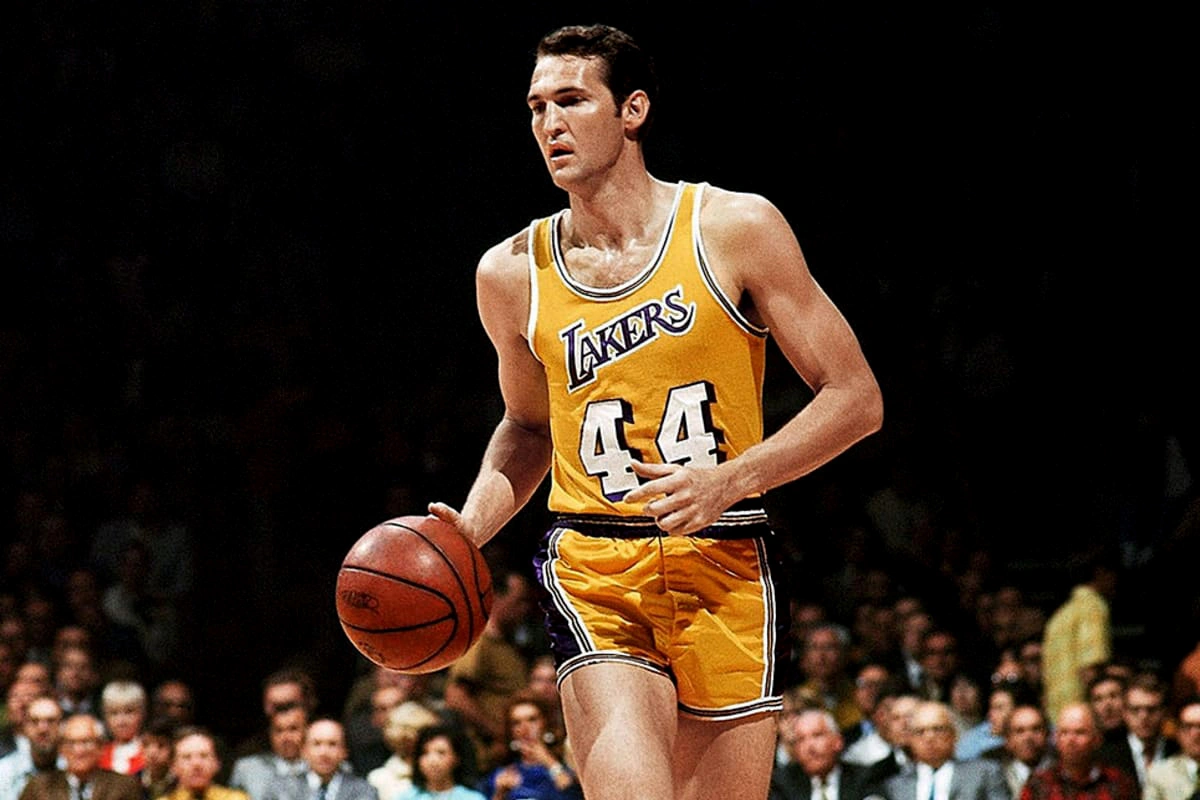
His executive career gives the documentary its grand strategic movement. West helped shape the Magic Johnson and Kareem Abdul-Jabbar Lakers, then later the Shaquille O’Neal and Kobe Bryant era, before influencing the Golden State Warriors during the Stephen Curry years. The film frames him as a front-office auteur, a man who read talent the way a noir detective reads a room: posture, timing, fear, appetite, the small tells that expose the future.
The Kobe Bryant material carries special force. West’s belief in Bryant as a high-school prodigy becomes a defining act of basketball perception, one of those decisions that looks obvious only after history has stopped arguing. The interviews with Jordan, Magic, Shaq, Riley, and others underline West’s genius for pairing skill with temperament. He appears both generous and severe, capable of warmth yet allergic to sentimentality.
The film gives less space to murkier front-office tensions, including coaching upheavals and organizational politics. That restraint keeps the portrait clean. Perhaps too clean. In noir terms, the blinds are half-open, and someone clearly dusted the room before we entered.
Memory, Myth, and the Documentary Machine
Barris builds the film from familiar sports-documentary materials: archival clips, talking-head interviews, narrated passages, animation, dramatic music, and occasional appearances by the director himself. Some choices work cleanly. Others announce themselves with the enthusiasm of a referee who has discovered interpretive dance.
The structure is accessible, almost classical: the first stretch follows the player, the second follows the executive. This gives newcomers a clear path through West’s life, though it can make the film feel too neatly bisected. A more jagged structure might have better matched a man whose achievements never quieted his unrest.
Still, West’s presence cuts through the polish. His comments on depression, inadequacy, anger, and regret give the film its moral gravity. Here, identity is less a stable possession than a lifelong negotiation between talent and pain. Was West free, or was he driven by forces set loose in childhood? The film does not solve that question, which is wise. Certainty would cheapen him.
Visually, Jerry West: The Logo rarely becomes formally daring, yet its best interview setups use shadow and stillness to suggest the pressure inside the man. The sound design and score sometimes press too hard, guiding emotion with a firm hand on the viewer’s shoulder. The testimonials can also pile up, but the roster is so absurdly decorated that resistance feels petty.
What remains is a valuable, imperfect portrait: glossy in places, moving in others, and anchored by the rare sight of a legend still arguing with the boy who first learned to shoot alone.
Jerry West: The Logo is an American sports documentary feature film that premiered on Prime Video on April 16, 2026. Directed by Emmy-winning filmmaker Kenya Barris, the project examines the complicated personal and professional reality of the legendary Hall of Famer who became the iconic silhouette of the NBA. Combining archival footage with candid reflections from West himself, alongside perspective from basketball titans, the narrative moves past his basketball achievements to explore his internal battles with depression, perfectionism, and the immense mental burden of his basketball obsession. Sports enthusiasts and documentary fans can stream the feature film on the Prime Video platform.
Where to Watch Jerry West: The Logo (2026) Online


Full Credits
Title: Jerry West: The Logo
Distributor: Prime Video
Release date: April 16, 2026
Rating: TV-14
Running time: 121 minutes
Director: Kenya Barris
Producers and Executive Producers: Kenya Barris, Jamie Nelsen, Susana Santiago, Mychelle Deschamps, Hale Rothstein, Ben Silverman, Howard T. Owens, Drew Buckley, Isabel San Vargas, Linh Le, Steven Leckart, E. Brian Dobbins
Cast: Jerry West, Michael Jordan, Magic Johnson, Kareem Abdul-Jabbar, Shaquille O’Neal, Stephen Curry, Kevin Durant, Adam Silver
The Review
Jerry West: The Logo
Jerry West: The Logo captures the life of an NBA icon with candor and reverence, offering rare access to West’s final interviews. The documentary balances his triumphs and personal struggles, illuminating the mind behind the silhouette. Barris’ stylistic choices occasionally distract, and some narrative edges are smoothed over, but the film succeeds in presenting West as a complex, enduring figure whose influence spans generations. It is essential viewing for basketball enthusiasts and a poignant study of resilience, legacy, and the human costs of greatness.
PROS
- Rare access to West’s final interviews
- Comprehensive coverage of playing, coaching, and executive career
- Strong testimonials from NBA legends
- Balances professional achievements with personal struggles
- Emotional resonance and portrayal of resilience
CONS
- Director Barris’ on-screen presence can feel distracting
- Editing and music occasionally heavy-handed
- Less focus on controversial management or coaching moments
- Could explore on-court skills and strategy in more depth