
























The pressure of the stage is a universal truth, a crucible where art is forged in ego, ambition, and quiet desperation. The tradition stretches from the amphitheatres of Greece to the boards of the Globe and into every regional playhouse today.
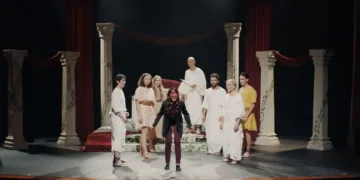
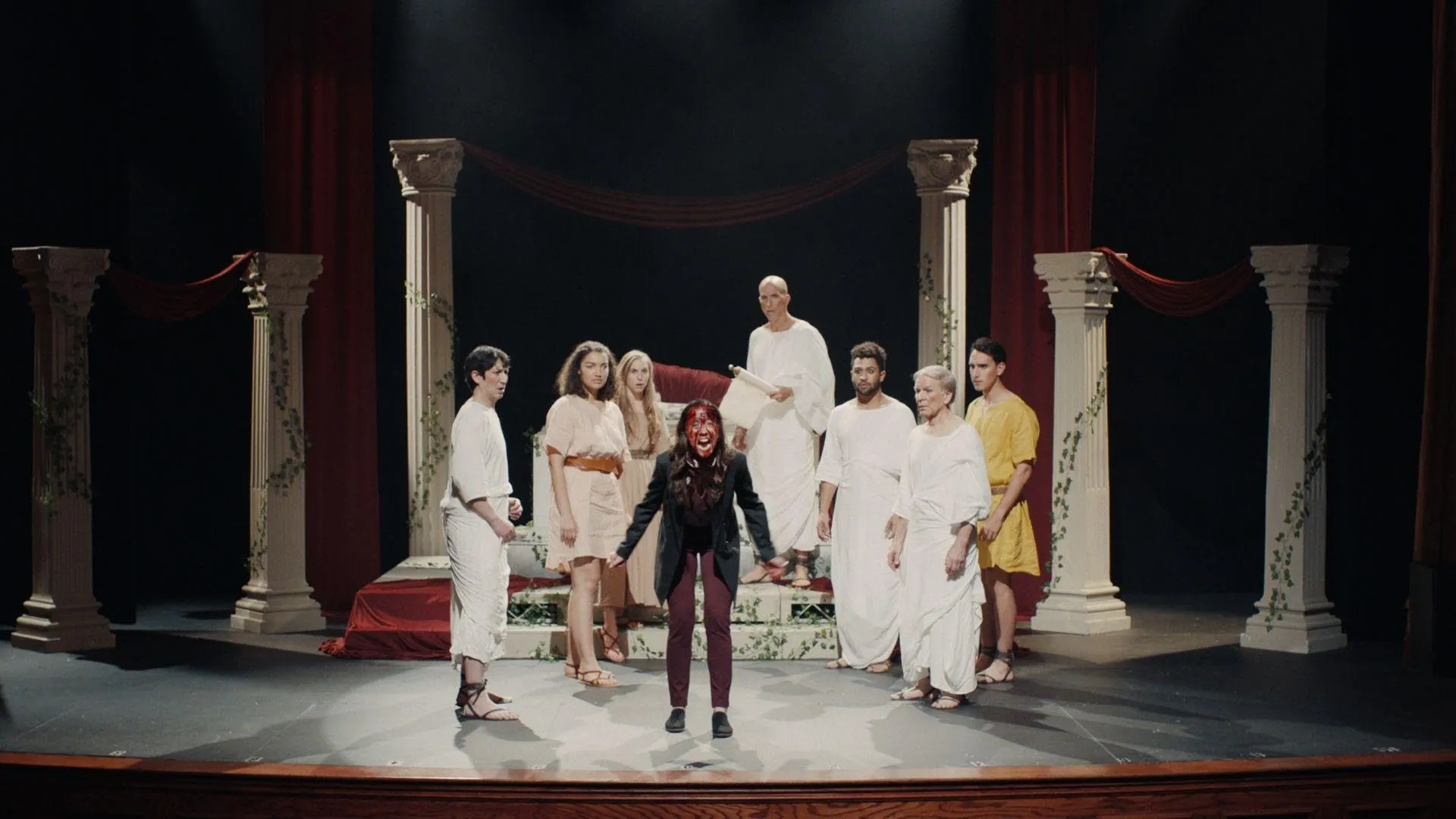
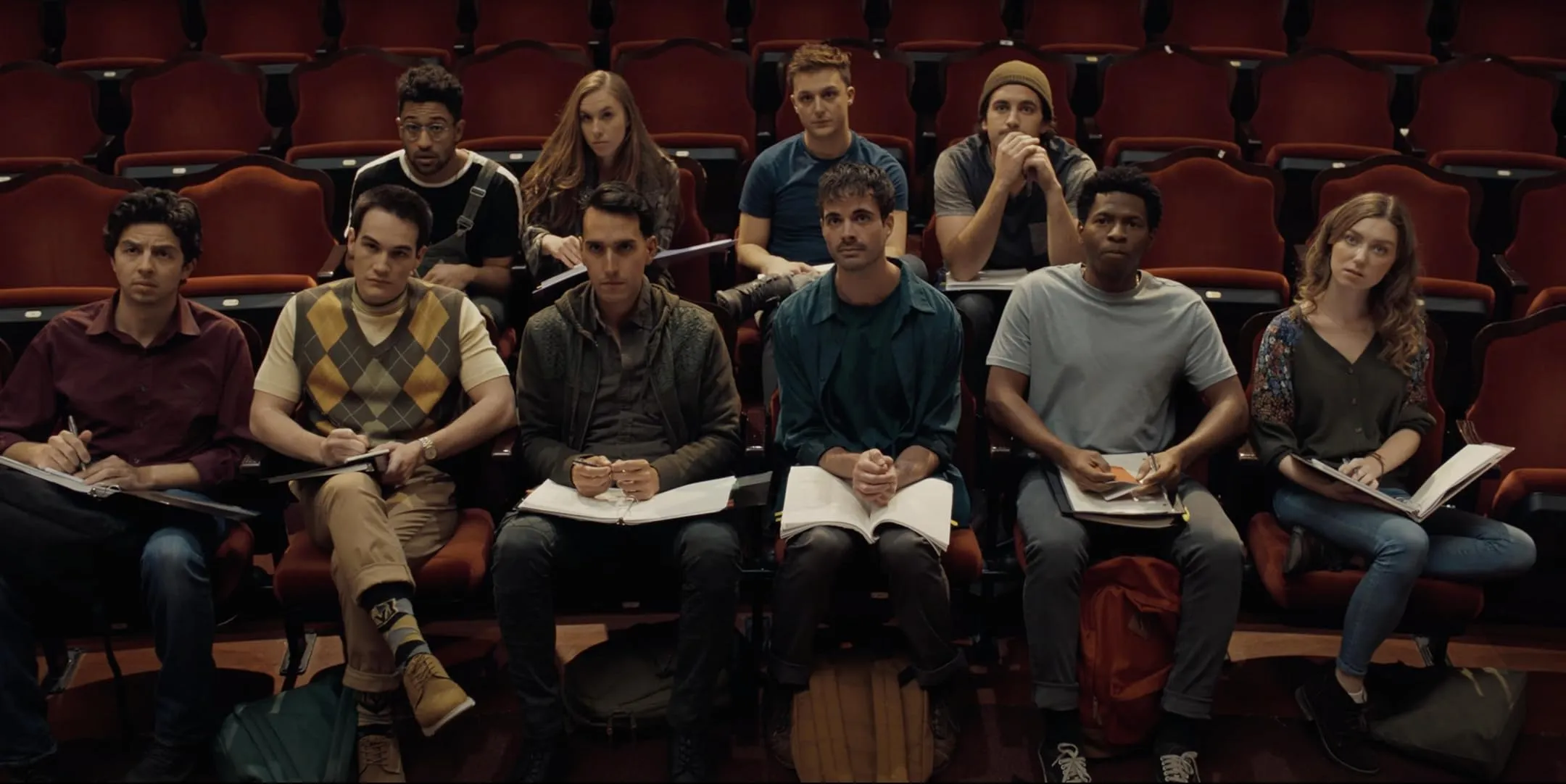
Et Tu places this timeless conflict within a modern American theater, transforming a production of Shakespeare’s Julius Caesar into the backdrop for a darkly comedic psychological spiral. The film centers on Brent, a director portrayed with simmering intensity by Lou Diamond Phillips, who finds himself pushed to his professional and mental limits by a hopelessly flawed cast.
His solution to the problem is both shocking and grimly logical within the movie’s satirical world: if the actors cannot be fixed, they must be removed. The story posits that the old theatrical warning, “the show must go on,” is not merely a statement of resilience but a command that might demand a blood sacrifice. It is a potent examination of artistic obsession, where the pursuit of perfection becomes a pathology.
A Conspiracy of One
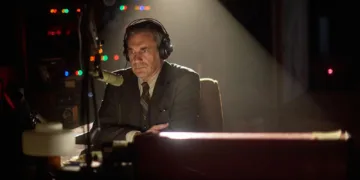
The drama is fueled by a constellation of characters that feel both specific to the American theater scene and archetypal in a global sense. Lou Diamond Phillips gives a tightly controlled performance as Brent, embodying a director whose reverence for the classical text is corrupted by the mediocrity around him.
His descent is not explosive but a slow, calculated implosion of professional ethics, visible in the tightening of his jaw and the deadened look in his eyes as he scribbles furious notes. He is a tyrant born of disappointment, a figure recognizable in cinematic explorations of tortured mentorship worldwide.
Brent’s primary tormentor is Marcus, played by Brennan Keel Cook as the perfect emblem of nepotistic privilege—a figure whose presence in positions of influence is a frustration understood in artistic and corporate circles everywhere.
Marcus’s careless, “playful” stabbing of fellow actors with a prop dagger becomes a literalization of the casual harm the entitled inflict without a thought. He is talentless, arrogant, and a constant pollutant of the artistic space. In stark opposition is Antwone Barnes as Terrence, the understudy. He represents pure, hungry ambition, a universal force in any competitive field.
Barnes skillfully shows Terrence’s readiness to seize his moment, his eyes alight with opportunity even as a moral void opens up around him. He does not ask questions about his rival’s sudden departure, illustrating a willful ignorance that is its own form of complicity.
The supporting figures, from the anxious prop master to Brent’s producer wife, complete a recognizable ecosystem of artistic compromise and simmering resentment that pushes Brent toward his final, terrible decision.
The Architecture of Insanity
Director Max Tzannes confines the action almost entirely to the theater, using the location not just as a setting but as a narrative vessel. Like the isolated villas or country manors of classic European storytelling, the theater becomes an insular world with its own set of rules, sealed off from the moral logic of the outside.
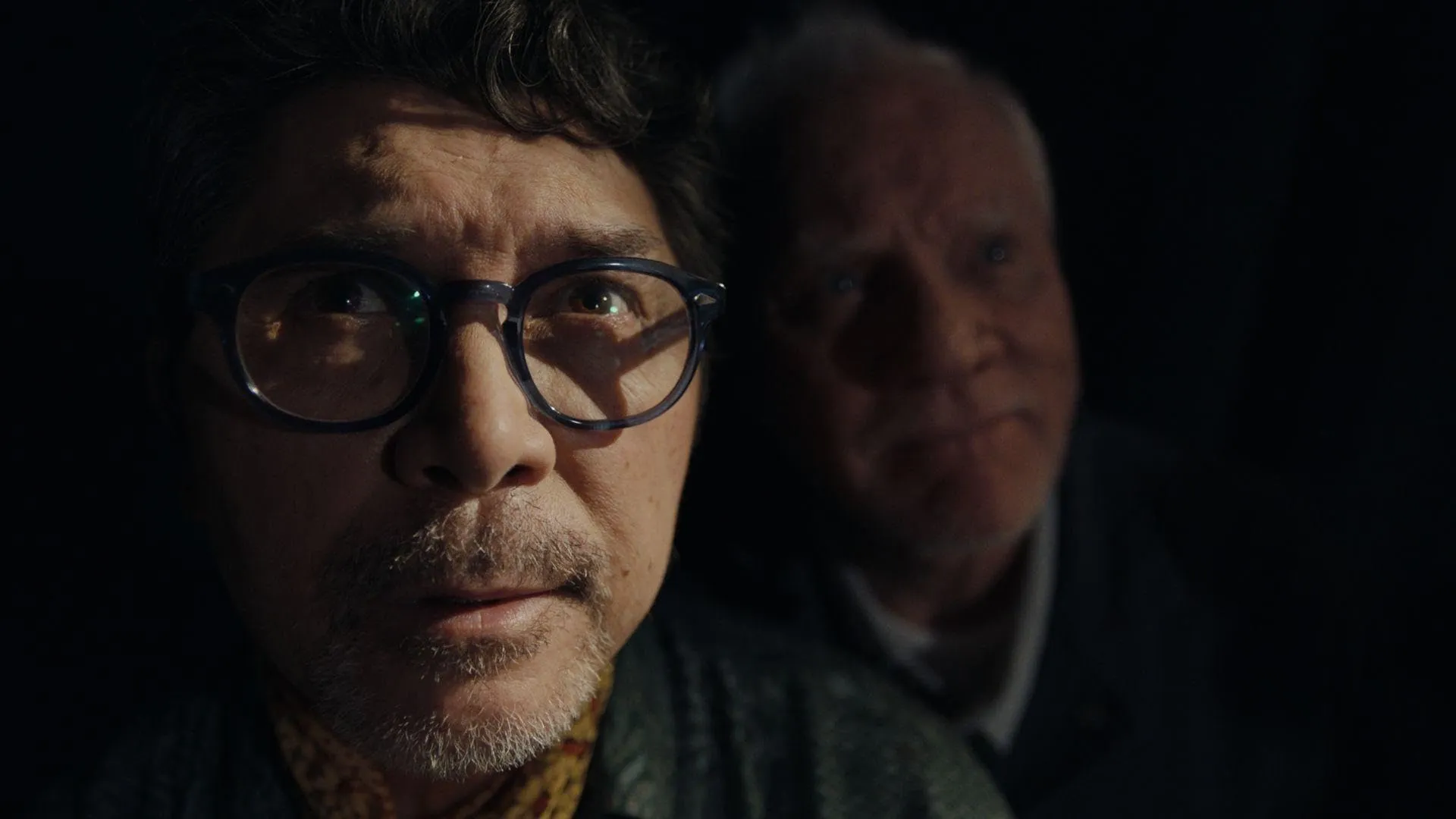
The building itself, with its darkened corridors, sound-dampened rooms, and hidden crannies, becomes an accomplice to Brent’s project. It is a physical architecture that enables a moral collapse. The visual language reinforces this state. Tzannes employs long, fluid handheld tracking shots that follow Brent through the backstage maze.
This technique, with roots in international cinema from the French New Wave onward, pulls the viewer directly into his frantic headspace, making us a coconspirator in his increasingly desperate attempts to control the chaos. The camera’s unsteady movement mirrors a mind unmoored from its ethical foundations.
This is complemented by a stark lighting design that contrasts the bright, public-facing stage with the deep shadows of the backstage world. This visual dichotomy is a direct reflection of Brent’s fractured psyche—the polished artistic director on the surface, the methodical killer underneath.
The authentic depiction of this environment grounds the film’s heightened premise in a tangible reality, making the universal theme of a mind unraveling under pressure feel immediate and alarmingly plausible.
When the Devil Explains the Joke
The film’s script begins with a sharp, witty momentum, building its central conflict through clever dialogue and a clear sense of purpose. This initial strength, which speaks a universal language of workplace farce, begins to flag as the story progresses into its second half.
The inventiveness that marks the setup recedes, and the narrative starts to lose its well-honed tension. A key issue is the introduction of a mysterious janitor, played with gothic relish by Malcolm McDowell. He functions as a kind of supernatural instigator, a Mephistophelean figure who encourages Brent’s worst impulses. While McDowell is entertaining, his character’s function is to articulate the film’s subtext, removing the ambiguity that would have made Brent’s journey more psychologically potent.
The story demystifies itself, choosing overt explanation over the haunting uncertainty that marks so many powerful psychological studies in world cinema. This shifts the film away from a character study and toward a fable, but without fully committing to the new direction. Hints of a deeper, more atmospheric threat—the theater’s own sinister history—are mentioned but left unexplored.
This is a missed opportunity to connect with a rich tradition of haunted spaces, a theme that could have complexified Brent’s motives and tied his personal madness to a sense of place and history. The narrative does not quite fulfill the promise of its intelligent opening, leaving it a curious and often brilliant work best appreciated by those with a taste for macabre theater humor.
Et Tu premiered at the Heartland Film Festival in 2023.
Full Credits
Director: Max Tzannes
Writers: Max Tzannes
Producers and Executive Producers: Richard Berger, Tyler Friesen, Timothy Patrick Cavanaugh
Cast: Lou Diamond Phillips, Malcolm McDowell, Antwone Barnes, Isabella Blake-Thomas, Rachel Alig, Brennan Keel Cook, Jaclyn Mofid, Trevor James, Lanelle Scott, Zackry Colston, Evan James Henderson, Daniel Dasent, J.R. Gomez
Director of Photography (Cinematographer): Max Tzannes
The Review
Et Tu
A clever, darkly comedic thriller anchored by a fantastic lead performance from Lou Diamond Phillips. Et Tu succeeds wonderfully in its first half, using its claustrophobic theatrical setting and sharp direction to build a potent tale of artistic obsession. However, the film loses its nerve and momentum, opting for easy explanations over psychological ambiguity in its final act. It’s a smart, entertaining film that doesn't quite stick the landing, but offers plenty of macabre fun for those with an appreciation for the backstage world.
PROS
- A compelling and layered lead performance from Lou Diamond Phillips.
- A sharp, darkly humorous premise that effectively satirizes the theater world.
- Strong direction with effective use of a single location to create a claustrophobic atmosphere.
- An authentic-feeling depiction of backstage dynamics and artistic pressure.
CONS
- The narrative loses significant momentum and tension in its second half.
- Malcolm McDowell's character removes suspense by over-explaining the subtext.
- Interesting plot points, like the theater's history, are introduced but not fully developed.
- The ending feels less impactful and inventive than the film's strong setup.