































Basketball, a sport exported and globalized by American cultural might, finds a fascinating new translation in Clutchtime: Basketball Deckbuilder. This indie title from Serbian developer Bigosaur is not an attempt to simulate the physical spectacle we see on television.
Instead, it deconstructs the sport’s strategic core, transforming the fast break into a series of contemplative, turn-based decisions. It poses an interesting question: what does basketball look like when its flow is interrupted and examined moment by moment? The player is not an athlete but a floor general, a manager whose mind is the arena.
Here, dunks, blocks, and three-pointers are not acts of athletic prowess, but cards drawn from a deck, each a tactical choice in a larger strategic language. This is basketball filtered through the logic of a card table, a conversation between two distinct cultural forms.
The Clockwork Court
A match in Clutchtime unspools not with the fluid motion of a real game, but with the deliberate, ticking precision of a clock. The action is segmented into four quarters, yet time itself is an abstracted resource. Each card played depletes a Stamina pool, the game’s equivalent of mana, while simultaneously chipping 15 seconds off the game clock.
This dual-resource system creates a fascinating tension. Do you unleash a costly, high-impact play early, risking exhaustion, or do you conserve energy for a final push? The design choice to make the opponent’s starting hand visible is a significant departure from many Western card games that prize hidden information.
It shifts the game from one of guesswork to one of pure tactical calculation, more akin to a transparent board game like chess than a collectible card game. The pressure builds not from physical contest, but from this intellectual puzzle of resource management and counter-play against a known, but potent, threat.
A Global Lexicon of Play
The game’s true depth is revealed in the act of building a team’s deck, which functions as its strategic playbook. The developer has created a comprehensive lexicon of basketball, translating an incredible breadth of actions into card mechanics.

Beyond simple shots and passes, you find cards for “crossover dribble” or even the dramatic, human act of “complain to referees,” which carries the risk of a technical foul. This is where the game’s perspective feels most distinct.
Synergies emerge that reflect real basketball theory: a “skip pass” card sets up a “corner three,” while a “lob pass” enables a shot with no stamina cost. Cards with traits like “unstoppable” or “instant” bend the rules of time and defense.
A well-timed “crossover dribble” can reduce the cost of all shots in hand to zero, creating devastating offensive sequences. By allowing you to build decks around different philosophies—stifling defense, all-out offense—the game lets you write your own treatise on how basketball should be played.
The Mandated Path to Glory
The game’s structure channels the player’s career through a strictly defined path. You begin with access to basic modes like Tournament and Playoffs, but the more expansive Season and Full Season formats are locked.

To access them, you must conquer the preceding modes on progressively harder difficulties. This design creates a very linear, almost didactic, journey. Between games, the narrative of a season unfolds through random events: an assistant coach might upgrade a key card, or a “tough film study” could force you to remove a card from your deck, turning failure into a moment of strategic refinement.
The rigid unlocking structure, however, means the initial hours can feel like a formality. The lower difficulties offer little resistance, prompting the use of a built-in autoplay function to simply get through them. This enforced climb feels less like an open career and more like a prescribed curriculum one must master before being allowed true freedom.
Pragmatism Over Pizazz
The game’s presentation adopts a functional, almost minimalist, aesthetic. The art is bright, bold, and immediately readable, with card types color-coded for quick identification—pink for shots, blue for defense.
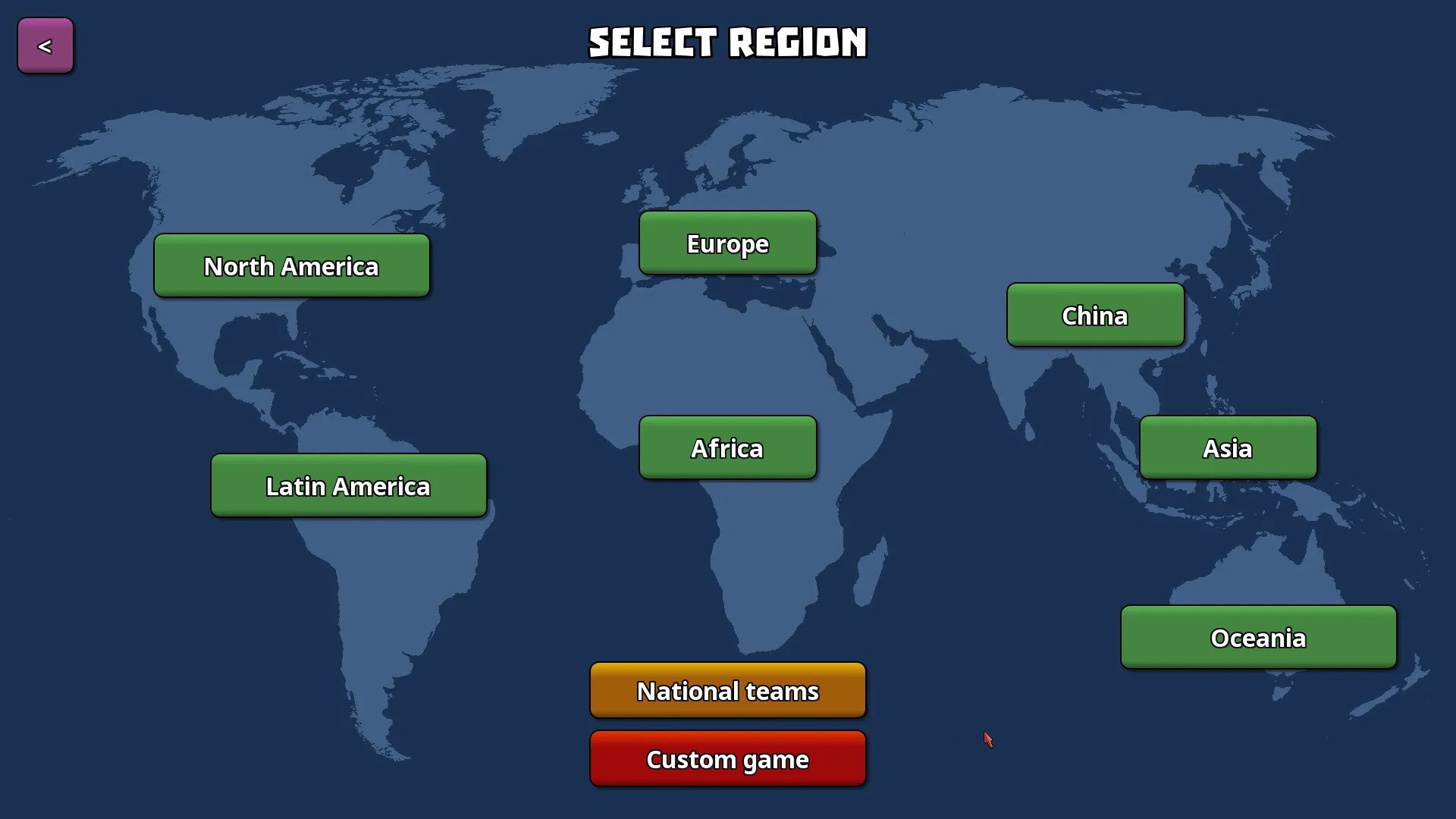
This is a design philosophy that prioritizes mechanical clarity above all else; it lacks the flashy animations or “pizazz” of mainstream sports titles. The sound design follows a similar principle, with realistic squeaks of shoes on hardwood and the swish of the net, but little unique character.
One of the most effective aesthetic choices is the crowd noise, which is tied to a gameplay mechanic. Performing well builds the crowd meter, which in turn provides tangible buffs like extra stamina. This cleverly codifies the intangible concept of home-court advantage. The game runs flawlessly on the Steam Deck, a testament to its efficient and focused design.
The Review
Clutchtime: Basketball Deckbuilder
Clutchtime: Basketball Deckbuilder is a fascinating and intelligent deconstruction of a global sport through the lens of a European indie developer. It succeeds brilliantly as a tactical exercise, translating the strategic soul of basketball into a deep and rewarding card game. This intellectual achievement is, however, held back by a rigid progression system that demands a significant grind to unlock its best content. For those who value mechanical depth over polished presentation, it offers a uniquely cerebral take on the sport, standing as a compelling cultural artifact that plays a strong game but fumbles on its way to the championship.
PROS
- Intelligent and deep translation of basketball strategy to card mechanics.
- The dual resource system of stamina and time creates engaging tactical decisions.
- A broad selection of international teams provides a welcome global perspective.
- Card synergies allow for creative and powerful strategic combinations.
CONS
- A restrictive progression system locks content behind a significant grind.
- The minimalist audio-visual presentation is functional but lacks excitement.
- Early difficulty levels are too easy, making the initial hours feel slow.
- Requires patience to get to the most compelling game modes.