



















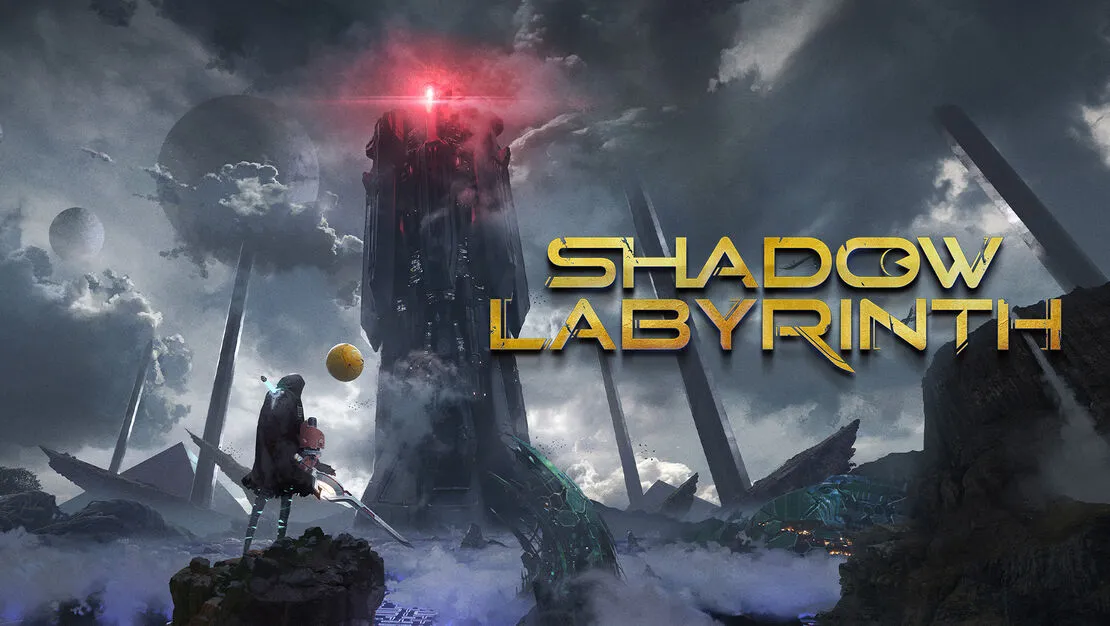

The act of cultural reinvention is a delicate, often violent affair. Shadow Labyrinth presents a fascinating case study, taking a global icon of Japanese arcade simplicity and recasting it in a grim science-fiction mold popular in Western markets.
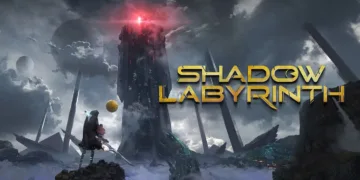
The game opens on a desolate alien world where an amnesiac warrior, designated “Number Eight,” is awakened by “Puck,” a jaded, manipulative version of the familiar yellow hero. This is not the cheerful pellet-muncher of the 1980s; this is a single-minded entity on a dark mission. Your task is to escort this creature to the ominous Black Tower, cutting a swath through a dying planet’s monstrous inhabitants.
The game immediately establishes its radical departure, swapping the bright, contained energy of an arcade cabinet for the sprawling, oppressive atmosphere of a hostile universe. It’s a jarring transformation, a deliberate subversion of a deeply ingrained cultural memory.
The Labyrinth as Liminal Space
The world of Shadow Labyrinth reflects a design philosophy that equates discovery with struggle. After a few guided hours, the game abandons you within its eighteen distinct zones. There are no quest markers, no hints to ease the burden of finding your way. The map is a cryptic document, reinforcing the protagonist’s state of dislocation.
This is more than just a challenging layout; it’s a mechanical representation of the Japanese isekai trope, where the hero is existentially and culturally adrift in a hostile new reality. The derelict industrial zones and silent, decaying spaceships tell a story of past failure, a familiar motif in both Western post-apocalyptic fiction and Japanese narratives about the tragic costs of ambition.
This intentional lack of guidance forces a different mode of engagement, one rooted in an older, less forgiving era of game design that has found a modern audience. It rejects hand-holding in favor of intuition and memory. Players will spend long stretches backtracking through hostile territory, where even major enemies respawn, making every journey a risk.
This design creates a Sisyphean loop of re-conquering terrain, reinforcing a worldview centered on endless struggle. Progress is earned not through simple forward momentum, but by acquiring the expected tools—an air dash, a double jump, a grapple hook—that slowly peel back the world’s layers, transforming impassable barriers into new possibilities.
The Discipline of Steel
Combat in this world is a brutal, repetitive ritual. Swordsman No. 8 wields a simple three-hit combo, a stamina-based dodge, and a parry that demands exacting precision. This is not a fluid power fantasy; it is a system built on patience and pattern recognition, echoing the martial arts concept of kata—a set form perfected through repetition.
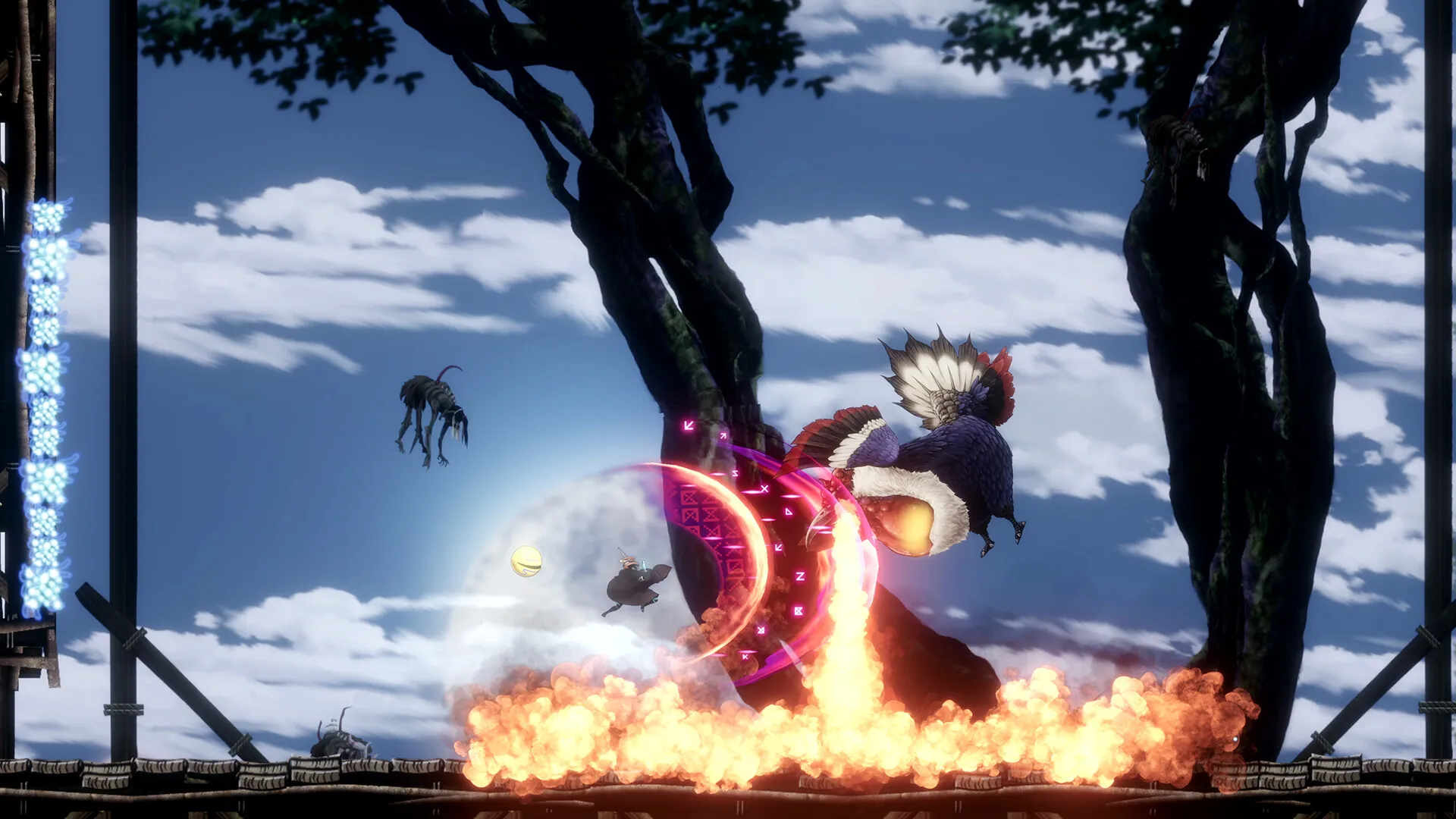
Boss encounters are severe tests, their limited move sets representing not a lack of variety, but a focused challenge that must be learned and flawlessly executed. This philosophy, valuing mastery over improvisation, stands in contrast to many Western designs that emphasize creative problem-solving.
In a dark inversion of his classic role, Puck consumes the corpses of your fallen enemies. This grotesque act is more than a resource mechanic; it makes the player complicit in Puck’s manipulative nature, a small moral compromise repeated hundreds of times.
This action fuels the game’s most critical combat tool: the GAIA. Summoning this massive mech suit offers a temporary, cathartic release, a burst of power earned through the grim work of collecting bodies. Its fleeting nature is key; it is not a permanent upgrade but a moment of desperate triumph in a cycle of struggle. It’s a borrowed trope from the Japanese mecha genre, but stripped of heroism and used as a raw instrument of survival.
An Arcade Ghost in the Machine
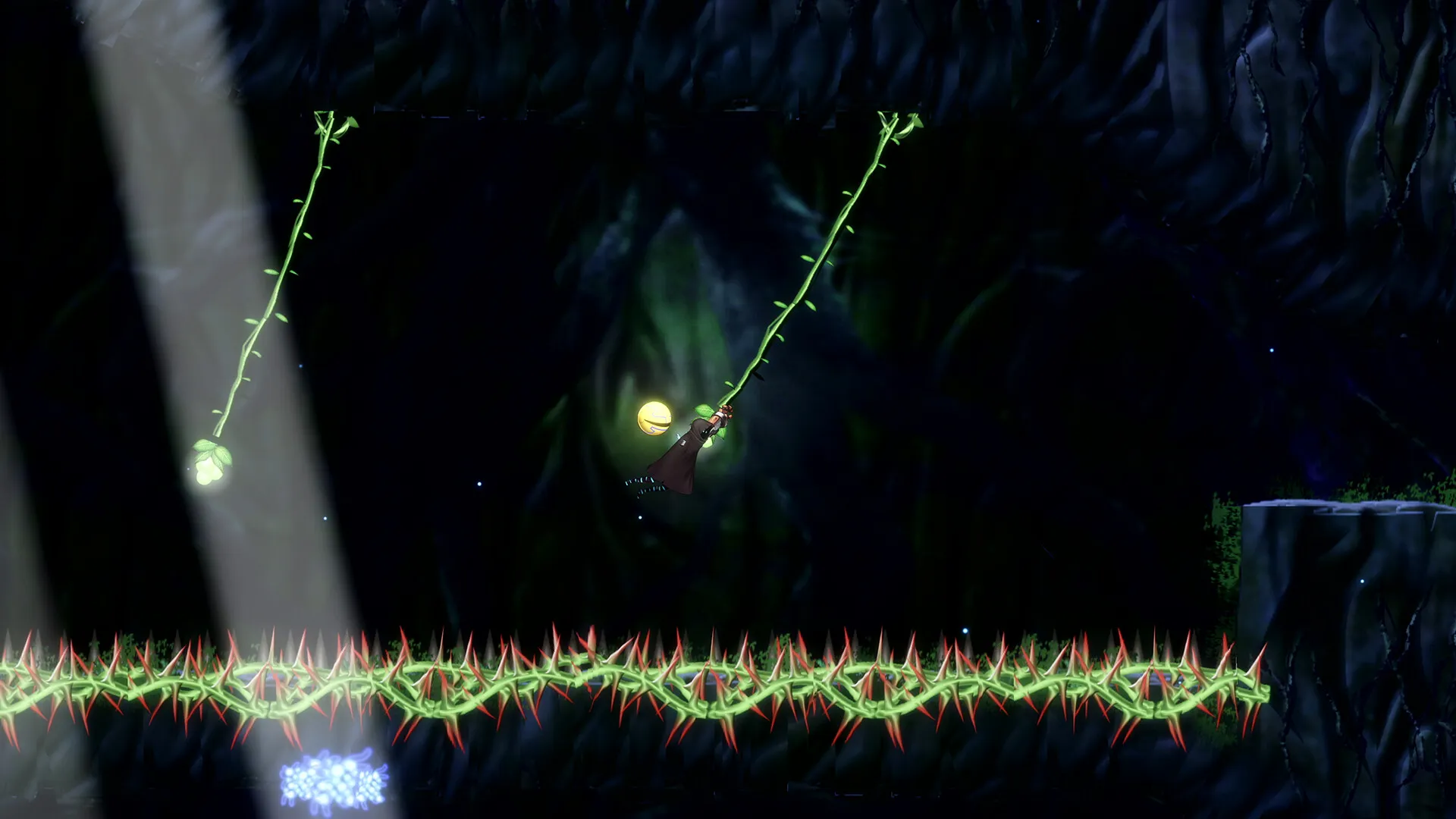
The game’s grim consistency is periodically shattered by intrusions from its own cultural past. At certain points, you encounter blue “D-Lines,” rails that transform your character into a “Mini-Puck.” The perspective shifts, and you are suddenly traversing walls and ceilings, munching on currency pellets to the classic arcade sound effects.
Deeper still are hidden Maze Levels: vibrant, timed challenges set to thumping dance music that directly evoke the original Pac-Man. The sonic whiplash is profound; the main game’s muted, mournful score creates a sonic vacuum, making the bright, loud arcade sections feel like a psycho-acoustic shock.
This dissonance feels intentional, like a conversation between two conflicting aesthetics. These energetic bursts are more than simple fan service. They can be read as the game’s cultural memory erupting into the present, a manifestation of Puck’s repressed identity.
The D-Lines physically draw the character’s original form over the hostile landscape, while the mazes offer a glimpse into an orderly, joyful past now buried under layers of trauma and grim purpose. It is a brilliant mechanical representation of a fractured psyche.
A Fractured Whole
Shadow Labyrinth lives within its own contradiction. It is a cultural chimera, a creature stitched together from disparate parts that refuse to fully merge. The attempt to graft a self-serious, Western-style sci-fi narrative, full of its own genre clichés, onto a character born from Japanese arcade simplicity results in a fascinating, if awkward, tension.
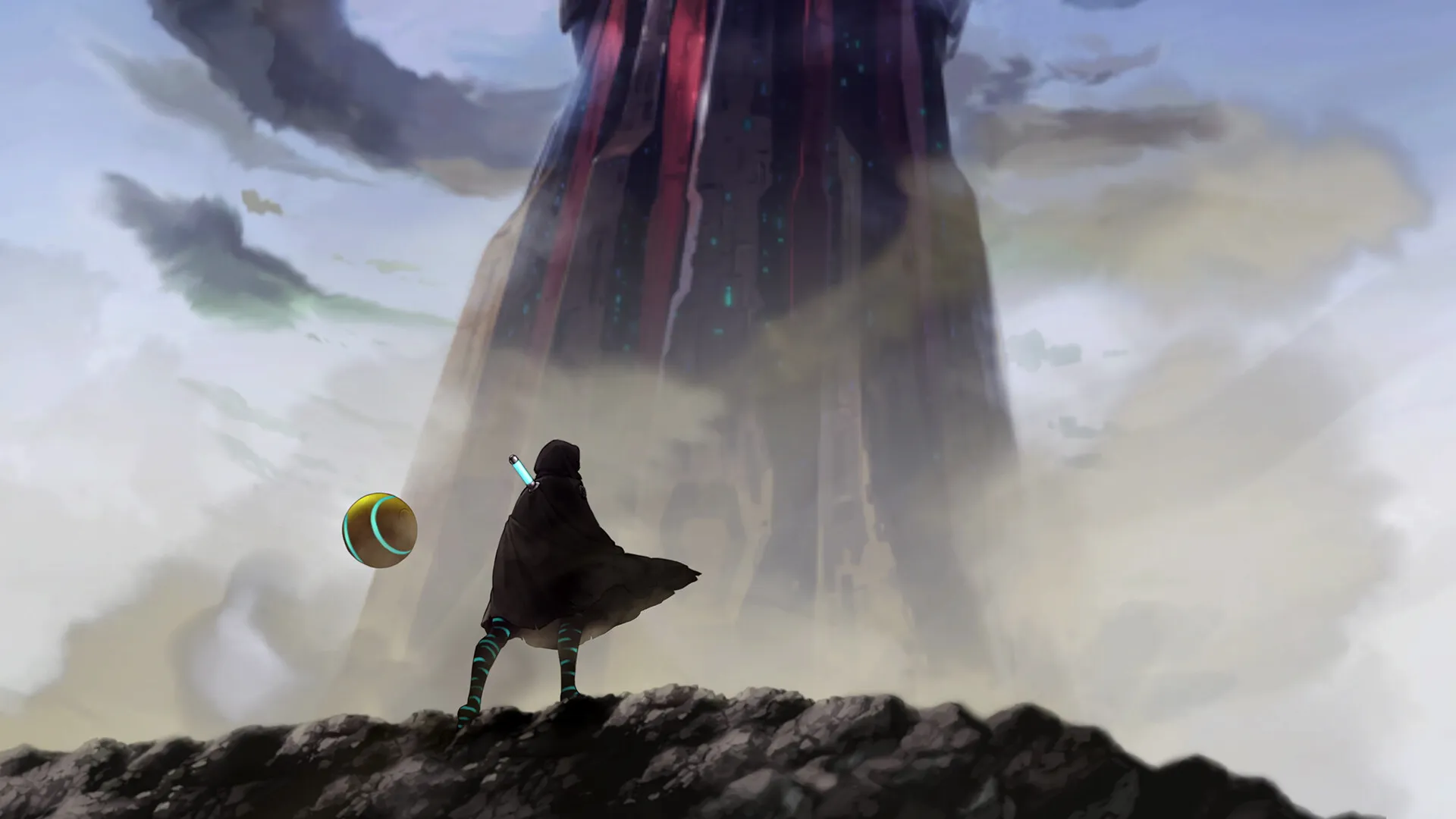
The game seems aware of this conflict, choosing not to smooth over the seams but to put them on full display. This visible struggle is what makes the experience so compelling. It doesn’t offer a clean, unified message.
Instead, it presents its dual nature as a question to the player, asking them to find meaning in its contradictions. Its success lies not in how well it blends its elements, but in how memorably it presents their conflict.
The Review
Shadow Labyrinth
Shadow Labyrinth is a fascinating cultural collision, recommended for its ambition rather than its polish. The demanding combat and cryptic world offer a stern challenge, while the jarring shifts between grim sci-fi and arcade nostalgia create a uniquely fractured experience. It’s an intellectually stimulating experiment whose visible seams tell a story all their own, rewarding players who value bold ideas over seamless execution.
PROS
- A demanding and rewarding experience for players who appreciate a high level of difficulty.
- A thought-provoking and unique premise that blends disparate genres and cultural aesthetics.
- Creative arcade segments provide a memorable and surprising shift in gameplay and tone.
CONS
- The narrative and atmosphere feel tonally disjointed, creating a jarring identity crisis.
- Unforgiving difficulty and a deliberate lack of guidance will likely frustrate many players.
- Core combat and exploration mechanics are functional but lack the refinement of top-tier genre titles.